Award-Winning Elementary School Reading Tutors
serving New Haven, CT
Elementary School Reading
Tutors in New Haven
Private 1-on-1 tutoring, weekly live classes for academic support, test prep & enrichment, practice tests and diagnostics, and more to elevate grades and test scores.
Based on 3.4M Learner Ratings
UniversitiesSchools & Universities
DeliveredHours Delivered
ProficiencyGrowth in Proficiency
Who needs tutoring?
No obligation. Takes ~1 minute.
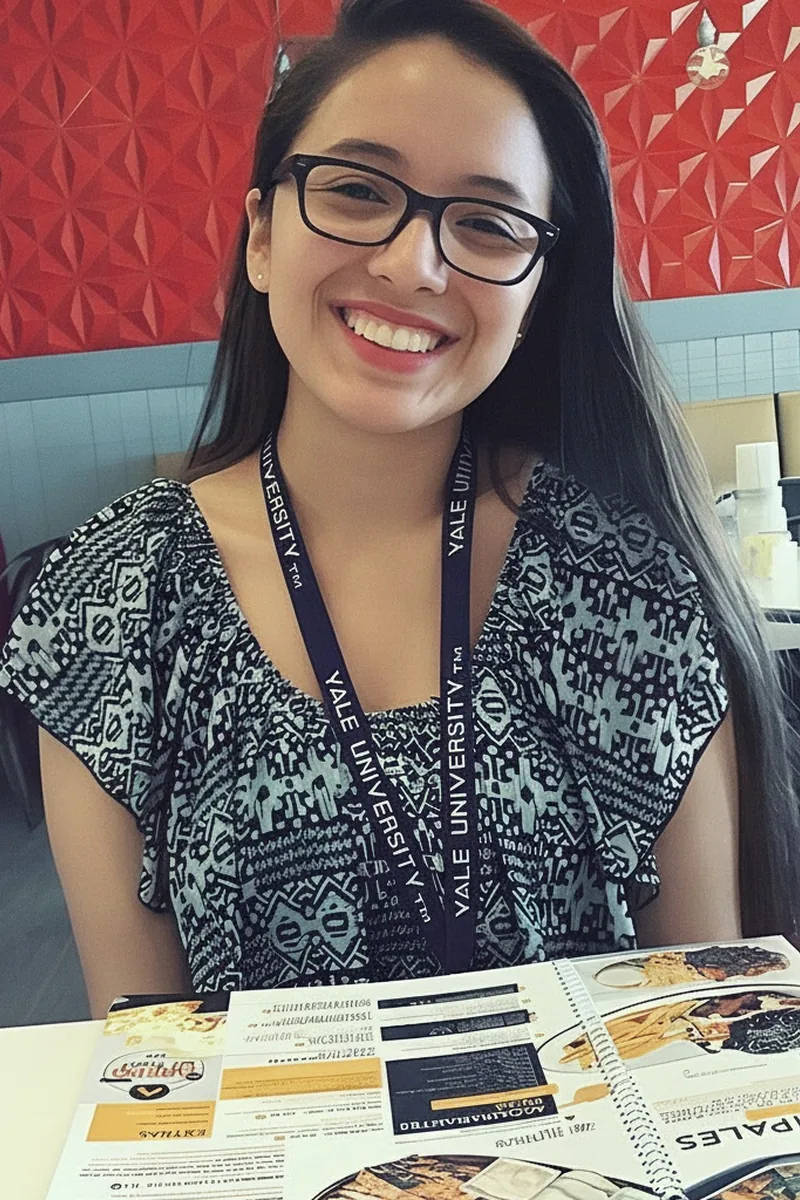
A self-described book lover studying at Yale, Stephanie knows that early reading skills — phonics, sight words, fluency, and basic comprehension — shape everything that comes after in a student's academic life. She makes reading practice engaging by connecting stories to what kids already care about, building the kind of confidence that turns reluctant readers into curious ones.
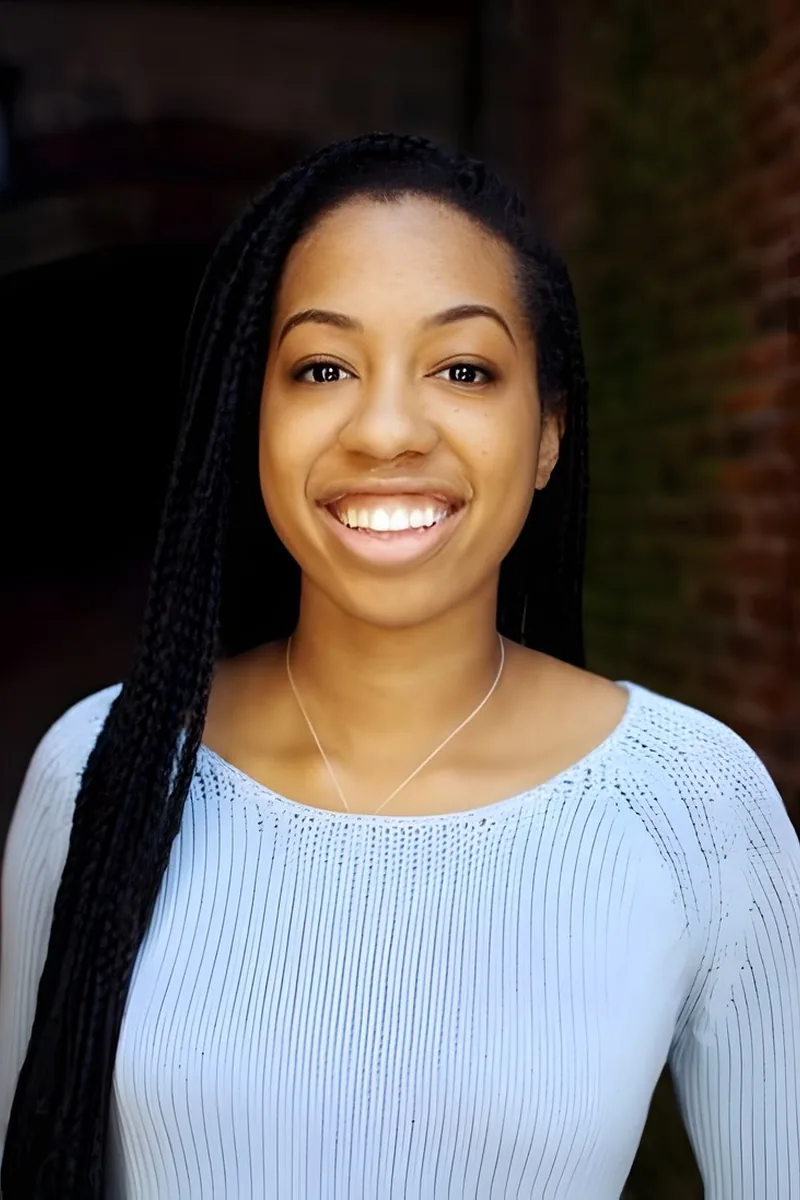
Early reading clicks when a child connects decoding skills to actual meaning — sounding out a word and understanding why it matters in the story. Mia's approach pairs phonics and sight-word practice with engaging read-alouds that build vocabulary and comprehension together. Her experience as a performer gives her a natural energy with younger learners that keeps reading sessions lively.
I am a musician, educator, and philosopher based in New Haven, Connecticut. I studied at UCLA graduating Cum Laude with degrees in Music Performance, Education, and Philosophy. I have been tutoring private music lessons and academic subjects for over 5 years now, and I work as a substitute teacher across Connecticut. My favorite subjects to tutor are Music, English, and Reading/Writing Skills, but I am capable of tutoring various Historical subjects, Math, and Science as well.
Before a student can love books, they need to feel confident picking one up. Sophie's Humanities background at Yale started with a deep love of reading, and she channels that into building fluency, vocabulary, and comprehension strategies tailored to each young reader's level.
Phonics and decoding are only half the equation — elementary readers also need to understand what a story is actually saying and why it matters. Ryan teaches kids to make predictions, identify character motivations, and retell events in sequence, building the comprehension habits that carry through every grade. His psychology background gives him a strong sense of how young learners process new information.
Two years of teaching ancient history to elementary students taught Julia something crucial about early reading: kids engage when the material connects to a story they care about. She uses that instinct to build phonics, fluency, and comprehension skills through texts that actually hold a young reader's attention — not just worksheets.
Early reading clicks when a child connects decoding skills to actual meaning — sounding out a word and understanding what it says in context. Tolu works on phonics patterns, sight word recognition, and read-aloud fluency, adjusting her pace to each student's comfort level. Her 5.0 rating speaks to her patience and ability to make reading sessions feel like discovery rather than drill.
Early readers need someone patient enough to sit with a tricky word and turn it into a small victory. Agustin breaks phonics patterns and sight words into manageable chunks, building fluency through repetition that feels like a game rather than a chore. His experience across multiple languages gives him an intuitive sense for how young learners process sounds and letter combinations.
Early reading clicks when a child connects decoding skills to actual meaning — sounding out a word and then understanding the sentence it lives in. Marc brings warmth and patience to phonics, sight words, and guided reading, adjusting his pace to each student's comfort level. His theater background means read-alouds are genuinely fun, which keeps reluctant readers turning pages.
Teaching a young reader to decode words is only half the job — the other half is making reading feel rewarding. Kevin pairs phonics and fluency practice with age-appropriate stories that spark curiosity, so students build speed and comprehension at the same time. His experience creating a summer tutoring program for younger students gave him a practical toolkit for keeping elementary readers motivated.
Early reading is all about building the habits that make harder texts possible later — things like identifying the main idea of a passage, making predictions, and understanding new vocabulary from context clues. Paul keeps sessions interactive and encouraging, so young readers stay engaged rather than frustrated when a text gets challenging.
Reading intervention has been a core part of Molly's classroom work across 2nd, 3rd, and 4th grade, so she's fluent in phonics-based decoding, sight word fluency, and comprehension strategies like predicting and retelling. She pulls from multiple curricula to match the approach that clicks for each reader rather than defaulting to one program.
I am a graduate of the University of Pennsylvania with a Masters degree in Education and have been an Elementary and Middle School educator for over thirty years. I have worked with students in the inner city, suburbs, Appalachia, and Deep South. I love teaching and children, and have discovered my passion in tutoring students who are struggling in Reading and Math. I have taught children with learning disabilities to read, and coached students with dyscalculia in math and reading. I worked as a principal for the past eight years, so was working with students from Pre-K to 8th grade, coaching teachers, analyzing data, and tutoring individual students in math and reading. I have worked as a national park ranger in the past, so social studies and history are areas of strength. Students that I teach respond well to my teaching style and enjoy working with me. I believe that education is extremely important for children's futures and do everything that I can to help them be successful.
Early reading is all about decoding — blending sounds, recognizing sight words, and building the fluency that lets a child actually enjoy a story instead of struggling through every line. Heather began tutoring elementary students while still in high school and has a natural patience with kids who lose confidence quickly. Her psychology background also means she picks up on when a child is shutting down and knows how to redirect before frustration takes over.
Building fluency at the elementary level is about more than sounding out words — it's connecting phonics to comprehension so kids actually understand what they're reading. Corrina brings patience and structure to each session, working on skills like predicting, summarizing, and making inferences through stories that keep young readers engaged.
Learning to read confidently means more than sounding out words — it's building the comprehension skills to retell a story, identify a main idea, and make predictions about what comes next. Natalie spent years tutoring young readers in West Philadelphia, where she developed a patient, encouraging approach to phonics, fluency, and vocabulary that keeps kids engaged rather than frustrated.
Early reading is about more than sounding out words — it's learning to visualize a story, predict what comes next, and connect what's on the page to what a child already knows. Mahalia's background in social work and youth programming gives her a sharp sense of how to build the kind of trust that makes a reluctant reader willing to try. She tailors her approach to each student's reading level, whether they're working on fluency or tackling their first chapter books.
Three years of elementary classroom teaching taught Arielle exactly where young readers stall — whether it's fluency, vocabulary, or comprehension of what they just read. She connects decoding skills to meaning-making so students aren't just pronouncing words but actually understanding stories and informational texts. Her Child Development training from Yale informs how she adapts strategies for each reader's developmental stage.
Early reading skills like phonics and sight words are only part of the picture — Angela also digs into comprehension strategies like predicting, summarizing, and making connections to a story's characters. Her psychology background at the University of Pennsylvania gives her insight into how young learners process new information and build vocabulary. She's rated 5.0 by the families she tutors.
Testimonials
Because the right Elementary School Reading tutor makes all the difference.
Average Session Rating – Based on 3.4M Learner Ratings
Nearby Elementary School Reading Tutors
Other New Haven Tutors
Related English Tutors in New Haven
Frequently Asked Questions
Elementary readers often struggle with phonics foundations, fluency, and comprehension—especially when transitioning from learning to read to reading to learn. Many students in New Haven benefit from personalized instruction that addresses their specific gaps, whether that's decoding unfamiliar words, understanding what they've read, or building confidence with longer texts. A tutor can identify exactly where a student is stuck and create targeted strategies to move them forward.
The first session is an assessment and relationship-building opportunity. A tutor will typically ask your child to read aloud, answer comprehension questions, and discuss what they enjoy about reading to understand their current level, strengths, and challenges. This information helps the tutor design a personalized plan that matches your child's learning style and goals, whether that's improving fluency, tackling harder texts, or developing deeper comprehension skills.
Expert tutors teach proven comprehension strategies like predicting, visualizing, asking questions while reading, and making connections to prior knowledge. Through personalized 1-on-1 instruction, students practice these strategies with texts at just the right level of challenge, receive immediate feedback, and build the confidence to tackle increasingly complex stories and informational texts. Regular practice with guided support helps comprehension become automatic rather than a struggle.
Yes. Fluency—reading smoothly, at an appropriate pace, with proper expression—is a critical bridge to comprehension. Tutors use techniques like repeated reading, modeling, and guided practice to help students read more naturally and confidently. As fluency improves, students have more mental energy left for understanding what they're reading, which often leads to noticeable gains in both speed and enjoyment.
Both are essential, and the right balance depends on your child's current needs. Younger elementary students typically need strong phonics foundations to decode words independently, while older elementary students benefit from stronger emphasis on comprehension strategies and vocabulary. A tutor will assess where your child is and create a plan that addresses both, ensuring they can decode words fluently and understand what they're reading.
Many students develop negative feelings about reading when they struggle or haven't found books that excite them. Personalized tutoring can transform this by connecting students with engaging texts at their level, celebrating small wins, and helping them experience success. Tutors also teach strategies that make reading feel less effortful, which often reignites interest and helps students discover they actually enjoy reading when it's not a battle.
Varsity Tutors connects you with tutors who understand elementary reading standards and can support your child's specific school's approach, whether your student attends one of New Haven's 10 school districts. Tutors can align their instruction with what your child is learning in class while also filling gaps and accelerating progress where needed, creating a seamless partnership with your child's classroom teacher.
Most students benefit from consistent, weekly sessions—typically one to two hours per week—though the right frequency depends on your child's needs and goals. Many students show noticeable improvements in confidence and skills within 4-6 weeks of regular tutoring, with stronger gains over a full school term. A tutor can discuss what frequency makes sense for your child and adjust as progress is made.
Let’s find your perfect tutor
Answer a few quick questions. We’ll recommend the right plan and match you with a top 5% tutor.