Award-Winning AP Spanish Literature and Culture Tutors
serving New Haven, CT
AP Spanish Literature and Culture
Tutors in New Haven
Private 1-on-1 tutoring, weekly live classes for academic support, test prep & enrichment, practice tests and diagnostics, and more to elevate grades and test scores.
Based on 3.4M Learner Ratings
UniversitiesSchools & Universities
DeliveredHours Delivered
ProficiencyGrowth in Proficiency
Who needs tutoring?
No obligation. Takes ~1 minute.
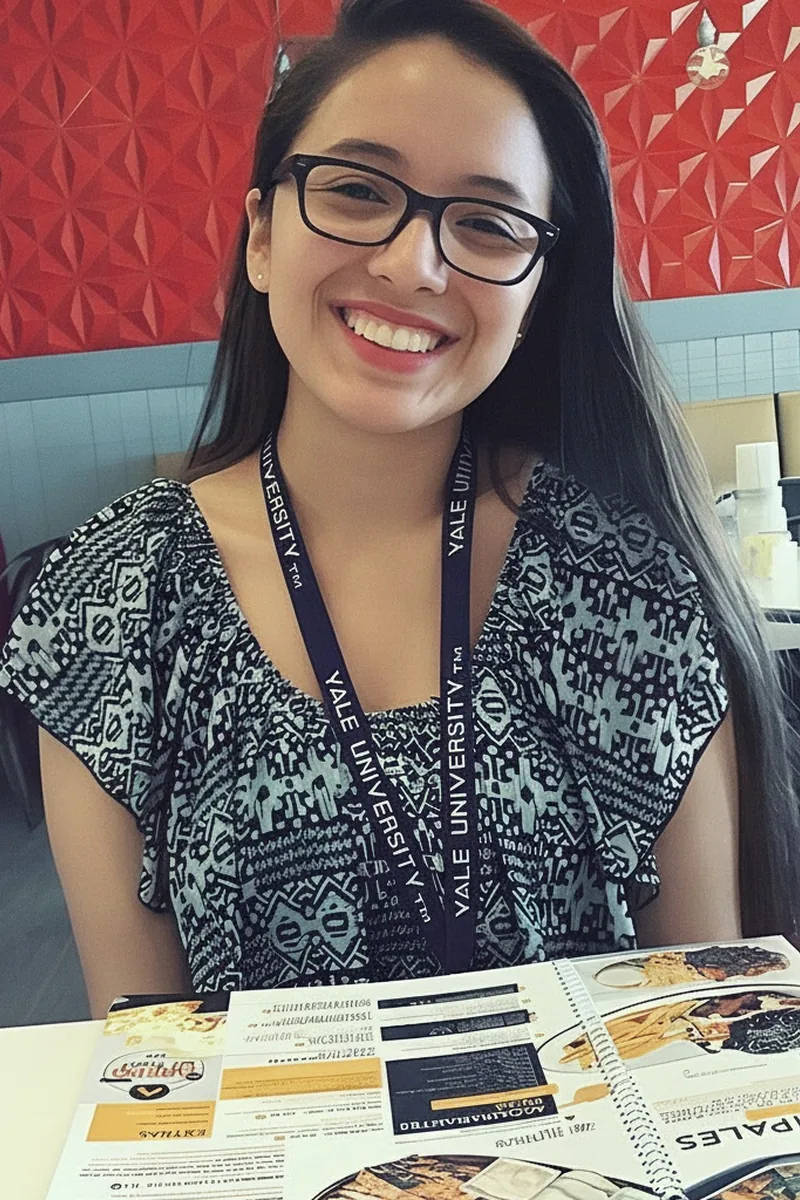
As a native Spanish speaker studying at Yale, Stephanie brings both cultural fluency and literary analysis skills to AP Spanish Literature and Culture — from close readings of García Márquez and Sor Juana to writing persuasive essays in Spanish about themes like "las sociedades en contacto." Her IB Diploma background means she's intimately familiar with the kind of rigorous textual analysis the AP exam demands. Rated 5.0 by students.
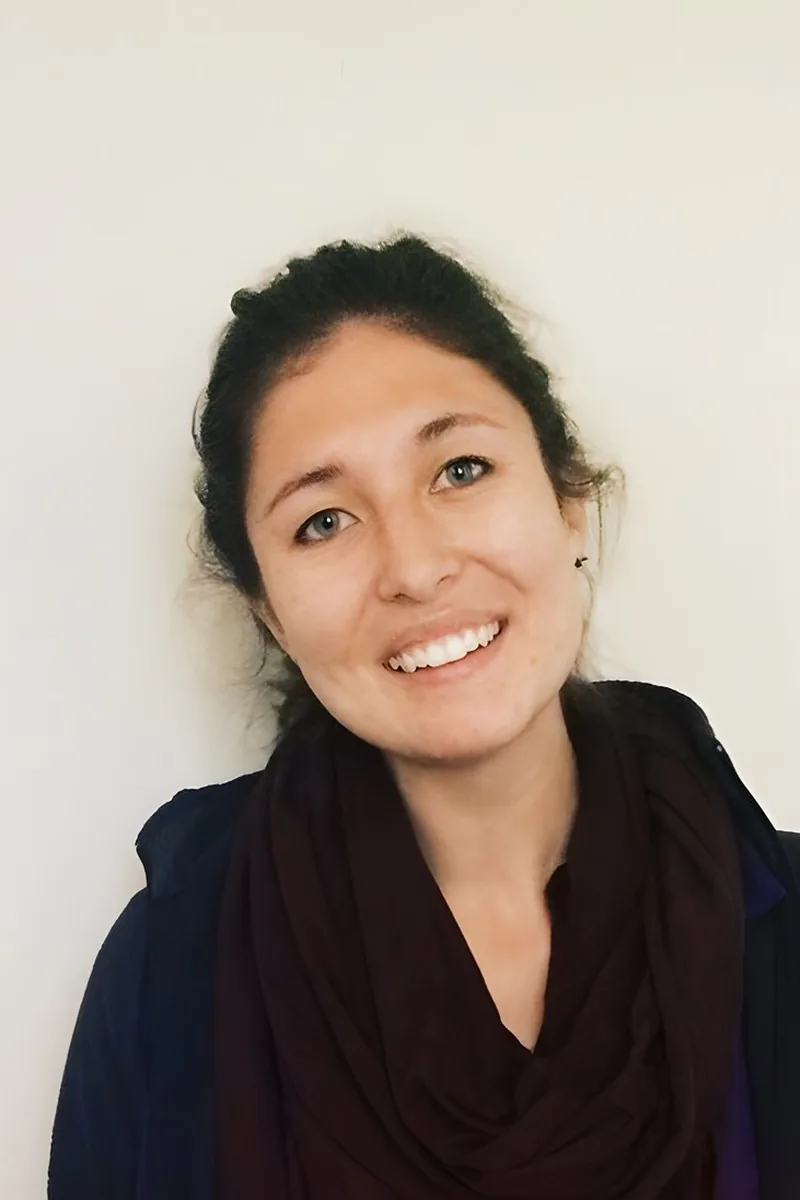
Living and traveling in Spanish-speaking countries while pursuing Latin American Studies at Wesleyan gave Reta firsthand immersion in the cultural movements — from colonial legacies to contemporary identity politics — that run through the AP reading list. She's taken both the AP Spanish Language and Literature exams herself and spent a semester tutoring a high school student one-on-one, so she knows where the gap between reading comprehension and genuine literary analysis tends to open up. Her government coursework also sharpens how she teaches students to read texts as arguments about power and society, which strengthens thematic essay writing.
Growing up schooled in Mexico means Alfonso didn't just learn Spanish — he absorbed the literary and cultural traditions that underpin the AP reading list, from colonial-era texts to modern Latin American prose. His years of formal Spanish-language education give him native-level reading and writing fluency that sharpens how he teaches students to construct analytical essays entirely in Spanish, grounding arguments in the cultural contexts he experienced firsthand.
Studying Latin American Studies at Columbia alongside her American Studies major, Grace reads and analyzes Spanish-language literature at the university level daily. She unpacks the thematic and stylistic demands of the AP exam — from close reading García Márquez's magical realism to writing persuasive literary analysis essays in Spanish — with the cultural context that the rubric rewards.
Reading García Márquez or Sor Juana Inés de la Cruz in the original Spanish demands more than translation — it requires understanding the cultural and historical contexts that shaped each work. Caio pairs deep Spanish fluency with his Rice sociology and history training, so he can unpack literary movements like el Boom or colonial-era poetry in terms of the social forces behind them. Rated 5.0 by students.
Reading García Márquez or Sor Juana Inés de la Cruz in the original Spanish demands more than vocabulary — it requires understanding literary movements, rhetorical devices, and the cultural contexts that shaped each work. Corey studied Latin American & Caribbean Studies alongside cognitive science at the University of Michigan, giving him both the literary background and the analytical framework to unpack AP Spanish Literature's required reading list. He connects themes across periods so students can write stronger comparative essays on exam day.
Growing up as a native Spanish speaker and completing AP Spanish Literature coursework through the IB program, Solange reads and analyzes texts by authors like Cervantes and Borges in their original language without defaulting to English translation as a bridge. She teaches students to move between close reading of poetic form and constructing timed analytical essays — the exact skill set the exam's free-response section rewards. Rated 5.0 by students.
As a native Spanish speaker pursuing a PhD at Rice, Mariane conducts literary analysis in the language she grew up thinking in — an advantage when students need to parse the subtle connotations in a Neruda ode or the layered irony of a Borges narrative. Her scientific training in biochemistry might seem unrelated, but it sharpened a habit of precise, evidence-based argumentation that transfers directly to constructing thesis-driven AP essays under timed conditions. Rated 4.9 by students.
Growing up speaking Spanish at home after moving from Chile, then studying abroad in Salamanca, Carlos developed the kind of native-level fluency that catches the subtle register shifts and idiomatic layers in AP reading list works — from colonial poetry to contemporary Latin American prose. His daily work as a bilingual writer at St. Jude Children's Research Hospital keeps his written Spanish sharp and precise, which directly feeds into coaching students on constructing timed analytical essays that move beyond plot summary into genuine literary argumentation.
Pre-health biology majors with Hispanic Studies minors don't always land on this page — but Jaina's coursework in Spanish literature and culture, combined with the analytical rigor of her science training, gives her a structured approach to breaking down texts on the AP reading list and building essay arguments in Spanish. She's strongest as a fit for students who need help organizing their ideas under timed conditions, applying the same methodical thinking she uses in lab work to thesis construction and textual evidence. Rated 5.0 by students.
Elliot's training is in neuroscience and cognitive science, not Spanish literature — so this is a peripheral subject for him. That said, his PhD-level analytical skills and experience teaching writing and essay construction mean he can coach students on the structural mechanics of timed literary essays: building a thesis, organizing textual evidence, and arguing a point clearly under pressure.
Fully fluent in Spanish and studying at the University of Chicago, Emerson brings genuine literary analysis skills to AP Spanish Literature and Culture — from unpacking the magical realism in García Márquez to dissecting the poetry of Sor Juana Inés de la Cruz. He teaches students to write the kind of analytical essays the AP exam rewards, connecting themes across literary periods in clear, well-structured Spanish prose.
Studying four languages — including Armenian, which she's currently acquiring — gives Araxie a firsthand understanding of how grammar, idiom, and cultural context interact in ways that matter for close reading of AP reading list texts in Spanish. Her Linguistics major at the University of Chicago sharpens that instinct: she can teach students to notice how a poet's syntax or verb mood carries meaning, then build that observation into a structured analytical essay entirely in Spanish.
Spanning Spanish 1 through AP-level coursework and the SAT Subject Test in Spanish with Listening, Alma has built her tutoring practice around the language from every angle — grammar, conversation, reading, and writing. For this exam specifically, her creative writing and essay editing experience shapes how she coaches timed literary analysis essays, teaching students to move from a raw reading of a passage to a focused, thesis-driven argument written entirely in Spanish.
Testimonials
Because the right AP Spanish Literature and Culture tutor makes all the difference.
Average Session Rating – Based on 3.4M Learner Ratings
Nearby AP Spanish Literature and Culture Tutors
Other New Haven Tutors
Related Languages Tutors in New Haven
Frequently Asked Questions
AP Spanish Literature and Culture focuses on analyzing literary texts from Spanish-speaking countries across different time periods and genres. The course emphasizes close reading, cultural context, and thematic analysis of works in poetry, drama, and prose. You'll also explore how historical and cultural movements shape literature, and develop skills in written and oral communication about these texts—all essential for the AP exam in May.
The exam consists of two main sections: a multiple-choice section (50% of your score) with reading comprehension questions about literary passages, and a free-response section (50%) that includes essay writing and spoken responses. You'll have about 3 hours total, and the exam tests your ability to analyze texts, understand cultural nuances, and communicate sophisticated ideas in Spanish. Understanding the specific format and timing of each section is crucial for managing test day stress.
Many students struggle with analyzing complex literary language and identifying thematic connections across different works—especially when texts use archaic or regional Spanish. Additionally, managing the pacing between the multiple-choice section and free-response essays can be difficult, and some students find it challenging to write persuasive analytical essays in Spanish under timed conditions. A tutor can help you develop close-reading strategies, build vocabulary for literary analysis, and practice timed writing to build confidence.
Score improvement depends on your starting point and how consistently you engage with tutoring. Students who work with a tutor typically see meaningful gains by focusing on their weakest areas—whether that's essay structure, multiple-choice strategy, or cultural analysis. Most students benefit from starting tutoring at least 3-4 months before the May exam, which allows time to work through the full curriculum, practice with released exams, and refine test-taking strategies.
Varsity Tutors connects you with expert tutors in New Haven who specialize in AP Spanish Literature and Culture and understand the specific demands of the exam. When you get matched with a tutor, you can discuss your current level, target score, and preferred schedule—whether you need intensive preparation or ongoing support through the school year. Tutors can tailor sessions to focus on your biggest challenges, from literary analysis to exam strategy.
Your first session is typically an assessment and planning meeting. The tutor will ask about your current understanding of the AP curriculum, review any practice test scores you have, and identify your strongest and weakest areas—whether that's essay writing, multiple-choice comprehension, or cultural analysis. Together, you'll create a personalized study plan that prioritizes the topics and skills that will have the biggest impact on your exam score.
Practice tests are essential—they help you get comfortable with the exam format, identify weak areas, and build stamina for the full 3-hour test. Taking full-length practice exams under timed conditions also reveals pacing issues and helps you develop strategies for managing the multiple-choice and free-response sections. A tutor can review your practice test results with you, pinpoint patterns in your mistakes, and help you adjust your approach before test day.
Strong AP Spanish essays require clear thesis statements, specific textual evidence, and sophisticated analysis—all in Spanish. Many students benefit from practicing the essay format repeatedly and receiving detailed feedback on their structure, argument development, and language use. A tutor can help you understand what graders are looking for, teach you essay templates that work within the time limit, and give you targeted feedback on your drafts so you can refine your approach before the exam.
Let’s find your perfect tutor
Answer a few quick questions. We’ll recommend the right plan and match you with a top 5% tutor.