Award-Winning Biology Tutors
serving Hartford, CT
Biology
Tutors in Hartford
Private 1-on-1 tutoring, weekly live classes for academic support, test prep & enrichment, practice tests and diagnostics, and more to elevate grades and test scores.
Based on 3.4M Learner Ratings
UniversitiesSchools & Universities
DeliveredHours Delivered
ProficiencyGrowth in Proficiency
Who needs tutoring?
No obligation. Takes ~1 minute.
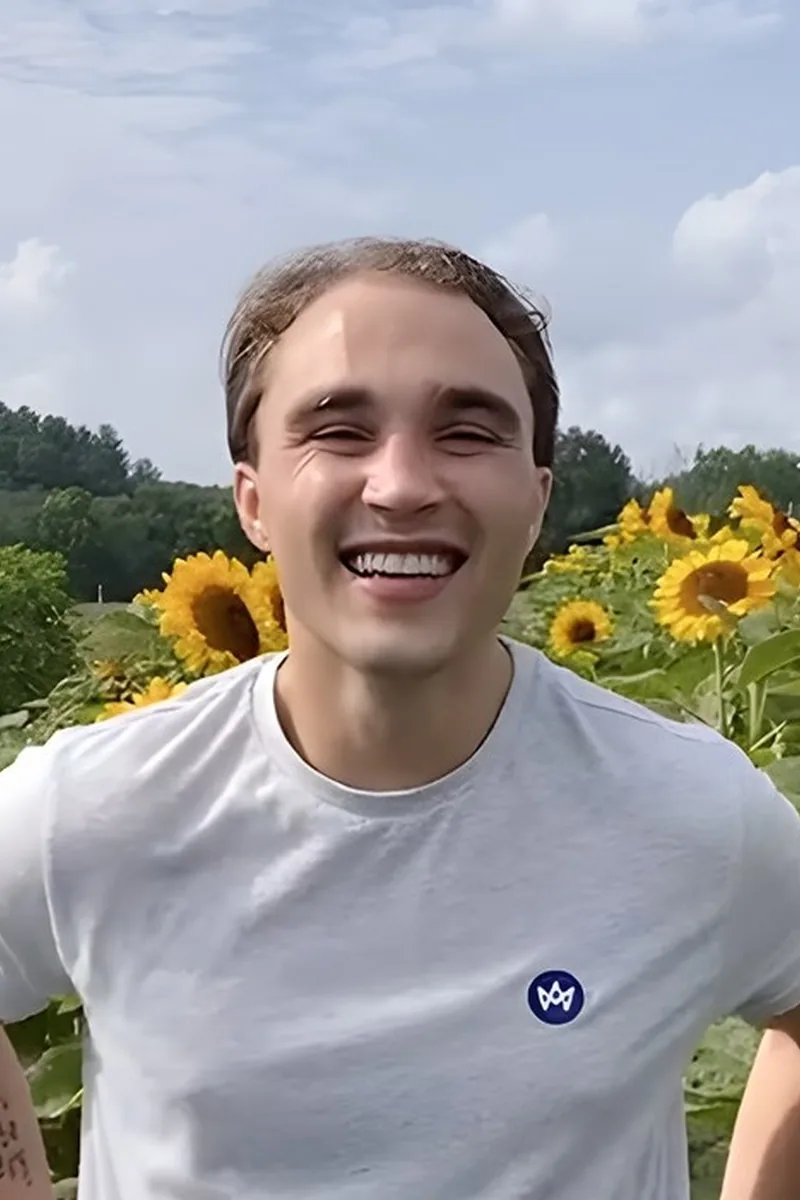
Noah's biochemistry degree and two years as an organic chemistry TA mean he's spent serious time with the molecular machinery underneath biology — protein structure, metabolic pathways, enzyme behavior — and can teach those topics with a chemist's precision about *why* reactions proceed the way they do. That angle is especially useful for students hitting the wall where biology stops being descriptive and starts requiring real mechanistic thinking, like in AP or college-level courses. Rated 5.0 by students.
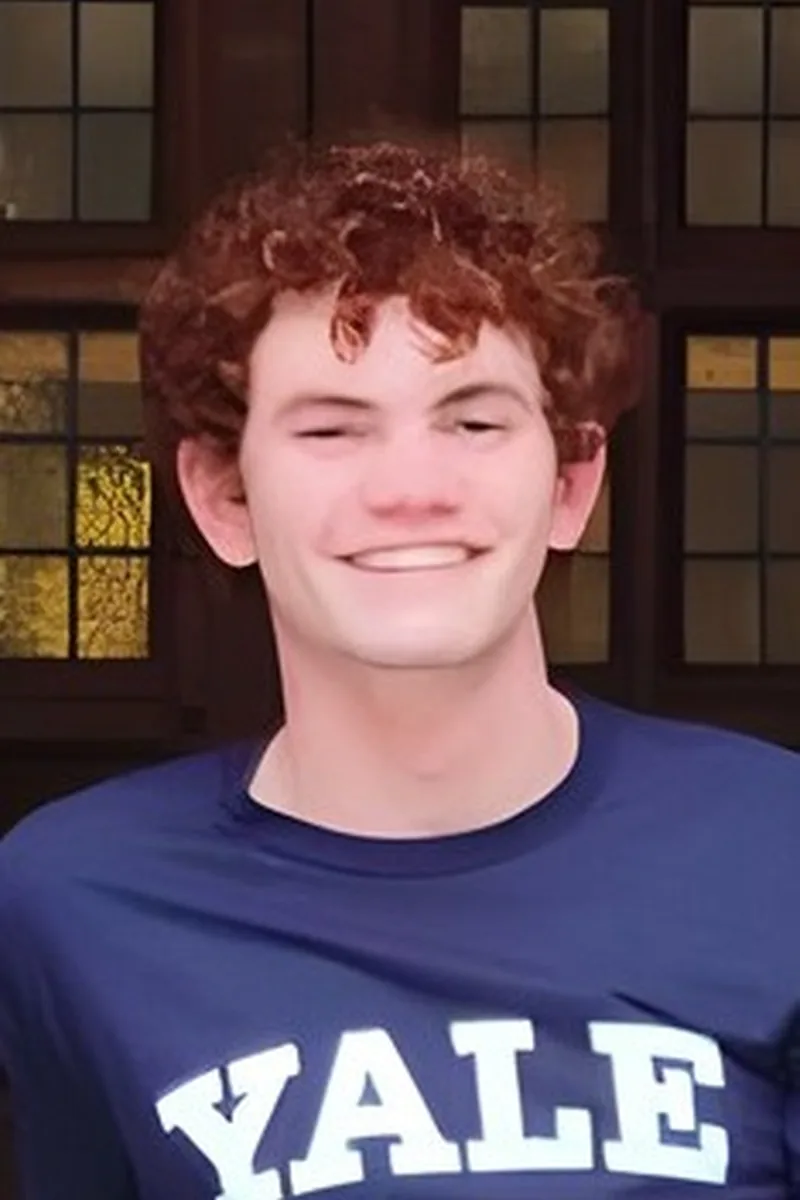
A molecular biology major at Yale who spends his research hours investigating gene expression and stem cell dynamics, Maxwell teaches biology with the depth of someone immersed in the field. He's particularly strong on genetics, cellular processes, and ecology, and he draws on current scientific literature to make concepts like DNA replication and natural selection feel immediate and relevant. Rated 5.0 by students.
Environmental science coursework means Ethan learned biology through an ecological lens — population dynamics, nutrient cycling, energy flow through trophic levels — where every concept has observable consequences in real ecosystems. That perspective makes him especially effective at teaching the ecology and environmental units that many biology tutors rush past, while his 36 ACT and broad science background keep him sharp across genetics, cell biology, and physiology too. Rated 5.0 by students.
As a biology major at Yale, Maddie lives in this material daily — from molecular genetics to organ-system physiology. She leans on the Socratic method to unpack dense topics like cellular respiration or signal transduction, asking pointed questions that reveal how much a student already understands before filling in the gaps.
Max teaches biology alongside a heavy economics course load at Yale, but his SAT Subject Test prep in Biology E/M — plus coursework in chemistry and college biology — means he's comfortable with everything from cellular respiration to ecological interactions. He approaches the subject analytically, treating biological systems like models with inputs and outputs, which clicks especially well for students who think in logical chains rather than memorization. Rated 5.0 by students.
Most biology courses demand that students juggle molecular details and big-picture processes at the same time — cellular respiration, gene expression, membrane transport. Muhammad's medical and physiology background gives him a layered understanding of how these topics connect across organ systems, which makes him especially effective at showing students why each concept matters beyond the exam.
Philosophy trained Joshua to dissect complex arguments into their underlying logic — a skill that translates surprisingly well to tracing biological processes like mitosis or ecological energy flow, where each step depends on understanding why the previous one happened. He approaches biology as a chain of cause-and-effect reasoning rather than a pile of vocabulary to memorize, which tends to click for students who struggle with the sheer volume of terminology in introductory courses.
I am a senior at the University of New Haven working on a B.S. in Forensic Science-Biology with a Pre-Medical designation who hopes to go to medical school in the future. I am most passionate about biology and chemistry but have a strong personal interest in history, especially topics overlooked in the past study of history. To me, learning is a life long process and leads to the development of a well-rounded individual. Seeing understanding of a difficult topic and creating enthusiasm for learning is what draws me to tutoring.
Microbial ecology research gives Isaac an unusual entry point into biology — he teaches topics like nutrient cycling, symbiosis, and cellular metabolism as interconnected processes he's actually observed in the field, not just diagrams on a page. His course assistant experience in college biology means he knows where students stumble on everything from genetics to ecological modeling and can rework an explanation on the fly. Rated 5.0 by students.
Chantel's molecular biology background gives her a depth in this subject that goes well beyond introductory-level coverage. She explains everything from cellular respiration and DNA replication to Mendelian genetics by tracing the molecular mechanisms underneath, turning what often feels like rote memorization into a connected story about how living systems actually work.
Having studied neuroscience at the college level, Lily knows biology from the molecular scale up — protein signaling, gene expression, cellular respiration, and how those pieces integrate into larger physiological systems. She's especially strong at teaching students to trace cause-and-effect chains through complex biological processes rather than treating each chapter as isolated facts.
I am a graduate from the University of Pennsylvania where I received my Bachelor's of Arts in Health & Societies with minors in Hispanic Studies and Chemistry while on the premed track. My tutoring experience begins junior year of high school where I tutored middle schoolers in pre-Algebra and Algebra and high school students in biology. I expanded my services in college to include mentoring as well as tutoring in gastroenterology program as part of a service project in collaboration with the Perelman School of Medicine targeted to Philadelphian high school students. Since graduation, I have continued in this role as a 4-8th grade math tutor. Math is a difficult subject but with sufficient time and attention, I believe every student is capable of excelling. I make it a point to curate my lesson plans to the specific needs of my students and emphasize open communication that allows for deeper understanding.
I am a recent graduate of Clemson University with a passion to teach science and math. I have a BS in Food Science and Technology and have two years of tutoring experience at the college level.
Josef's undergraduate teaching assistant work in introductory biochemistry at Cornell gave him a front-row seat to the exact moments biology students stumble — particularly when topics like metabolism, enzyme function, or gene expression shift from descriptive to mechanistic. His dual science degrees and deep comfort with the chemistry underlying living systems mean he can anchor a concept like signal transduction in its molecular details without losing the biological big picture. Rated 5.0 by students.
Stanford's biology program has Helen tackling everything from molecular genetics to ecology in real time, which means she's teaching the same material she's actively being tested on — a perspective that keeps her explanations current and exam-aware. She's particularly strong at breaking down processes like photosynthesis and gene expression into logical sequences that stick, drawing on four years of peer tutoring and TA experience in STEM courses. Rated 5.0 by students.
Between his biomedical engineering major and his AP Biology background, Eric sees biology as an interconnected system rather than a pile of vocabulary terms. He unpacks topics like cellular respiration, DNA replication, and homeostasis by explaining the 'why' behind each mechanism, which makes retention far easier than flashcard drilling.
First-year medical school at Thomas Jefferson means Nishad is actively building on the biology he mastered as a pre-med — genetics, cell biology, microbiology, anatomy — and seeing how each topic feeds directly into clinical problem-solving. That recent, layered exposure makes him especially effective at teaching the introductory and intermediate concepts that trip students up, because he remembers exactly which details mattered most when the material got harder.
Sharan's Human Biology major at Cornell means she doesn't just study biological systems in the abstract — she's tracing them through the lens of human health, which gives her a practical hook for teaching topics like cellular respiration, gene expression, and organ-system integration. Her premed coursework layers chemistry and statistics on top of the core biology, so she can explain something like enzyme regulation by pulling in the quantitative and chemical reasoning that makes the mechanism actually stick. Rated 5.0 by students.
Three science bachelor's degrees plus medical school means Sydny has taken biology exams at nearly every level the subject offers — from introductory ecology and genetics through the histology and pathophysiology of clinical training. What stuck with her from that journey is how to think through a biological problem rather than just recall an answer, and she teaches that same reasoning process when tackling topics like inheritance patterns, cellular energy, or organ-system integration.
Two advanced degrees in cellular and molecular biology mean Akarsh doesn't just recite textbook definitions — he explains how DNA replication, cell signaling, and ecological relationships actually work at a mechanistic level. Students come away understanding the "why" behind biological processes, which makes exam questions far easier to reason through.
Three years running a Cell Biology lab course at Notre Dame gave Connor a front-row seat to the exact moments students lose track of what's happening — whether it's the logic connecting mitosis stages or how gene expression actually produces a functional protein. His master's work in Biomedical Sciences at Loyola Chicago layered on the molecular and physiological depth to explain those sticking points from multiple angles. Rated 5.0 by students.
Paula's psychology background gives her a useful entry point into biology — she understands behavioral and cognitive systems well enough to trace them back to their biological roots, from neurotransmitter activity to hormonal feedback loops. That perspective makes her especially effective at teaching the life science topics where behavior meets physiology, like the nervous system, endocrine signaling, and basic genetics. Rated 4.8 by students.
Cellular and molecular biology was Pranav's original academic focus before he moved into Biomedical Engineering at Johns Hopkins, so he brings genuine depth to topics like gene expression, cell signaling, and membrane transport. He approaches biology as a set of interconnected systems rather than isolated facts, which makes dense material like metabolic pathways or the immune response easier to retain. That dual perspective — biology plus engineering — gives him a unique way of explaining how biological mechanisms actually work.
A human biology degree from Cornell means Jonathan didn't just study biology — he lived in it, from cellular respiration and DNA replication to organ system physiology and evolutionary theory. He teaches by connecting molecular-level details to big-picture biological questions, which is exactly the skill that separates students who understand biology from those who merely memorize it. Currently pursuing graduate work in human development, he keeps that knowledge sharp and current.
A Rice biology graduate heading to medical school, Perry knows the subject from the molecular scale up — DNA replication, enzyme kinetics, ecological modeling. He unpacks complex processes by mapping out each step visually, which is especially useful for topics like cellular respiration and signal transduction where details pile up fast.
Testimonials
Because the right Biology tutor makes all the difference.
Average Session Rating – Based on 3.4M Learner Ratings
Practice Biology
Free practice tests, flashcards, and AI tutoring for Biology
Nearby Biology Tutors
Other Hartford Tutors
Related Science Tutors in Hartford
Frequently Asked Questions
Varsity Tutors connects you with expert Biology tutors who understand Hartford's curriculum and your specific learning needs. After you share details about your goals—whether you're preparing for AP Biology, struggling with cellular processes, or need help with lab reports—we match you with a tutor whose expertise aligns with what you're working on. Your first session is a chance to discuss your challenges and build a personalized learning plan.
One of the biggest challenges in Biology is visualizing what you can't see—how enzymes work, how DNA replicates, or how photosynthesis happens at the molecular level. Expert tutors use diagrams, animations, real-world analogies, and step-by-step explanations to make these abstract concepts concrete. Rather than just memorizing that mitochondria are the 'powerhouse of the cell,' you'll understand why, how energy is actually produced, and how it connects to everything else you're learning.
Biology requires both, but understanding always comes first. Memorizing that the heart has four chambers doesn't help you explain how blood flows through the body or why certain conditions affect circulation. Tutors focus on building real comprehension—understanding systems, processes, and relationships—so memorization becomes natural and meaningful. When you truly understand the 'why' behind biological concepts, facts stick with you longer and you can apply that knowledge to new situations, like on the AP exam or in lab practicals.
Lab work isn't just about following steps—it's about understanding experimental design, interpreting data, and thinking like a scientist. Tutors help you grasp the reasoning behind each part of an experiment, troubleshoot when results don't match predictions, and write clear lab reports that explain your findings. Whether you're designing an experiment, analyzing graphs, or understanding why a hypothesis was supported or rejected, personalized instruction helps you develop scientific thinking skills that go far beyond the lab bench.
Yes. Tutors working with students in Hartford are familiar with the standards and pacing across Hartford's 10 school districts, whether you're in a standard Biology course, Honors Biology, or AP Biology. They understand what your teachers expect and can align tutoring sessions with what you're currently learning in class—reinforcing concepts you've just covered, preparing you for upcoming units, or catching up on material that didn't click the first time.
Your first session is about getting to know each other and understanding where you stand. The tutor will ask about your current Biology course, specific topics that are challenging (like genetics, evolution, or ecology), your learning style, and your goals. You might review a recent test or assignment to identify patterns in what's tripping you up. By the end, you'll have a clear sense of how tutoring can help and what your personalized learning plan will focus on.
Students often find photosynthesis and cellular respiration confusing because they involve multiple steps and abstract chemistry. Genetics—especially Punnett squares, inheritance patterns, and DNA replication—trips up many students because it requires both visual thinking and logical reasoning. Evolution, ecology, and the organization of life systems also challenge students who haven't yet built strong foundational understanding. Tutors are experienced in breaking down these tough topics into manageable pieces so they make sense.
Absolutely. Tutors help you master the content, practice free-response questions, build test-taking strategies, and identify weak areas before exam day. For AP Biology, this means understanding not just facts but the big ideas and connections across units—photosynthesis and respiration, evolution and natural selection, genetics and molecular biology. Practice with real exam questions, timed practice tests, and detailed feedback on your responses builds both confidence and the critical thinking skills these exams demand.
Let’s find your perfect tutor
Answer a few quick questions. We’ll recommend the right plan and match you with a top 5% tutor.