Award-Winning Biology Tutors
serving Norwich, CT
Biology
Tutors in Norwich
Private 1-on-1 tutoring, weekly live classes for academic support, test prep & enrichment, practice tests and diagnostics, and more to elevate grades and test scores.
Based on 3.4M Learner Ratings
UniversitiesSchools & Universities
DeliveredHours Delivered
ProficiencyGrowth in Proficiency
Who needs tutoring?
No obligation. Takes ~1 minute.
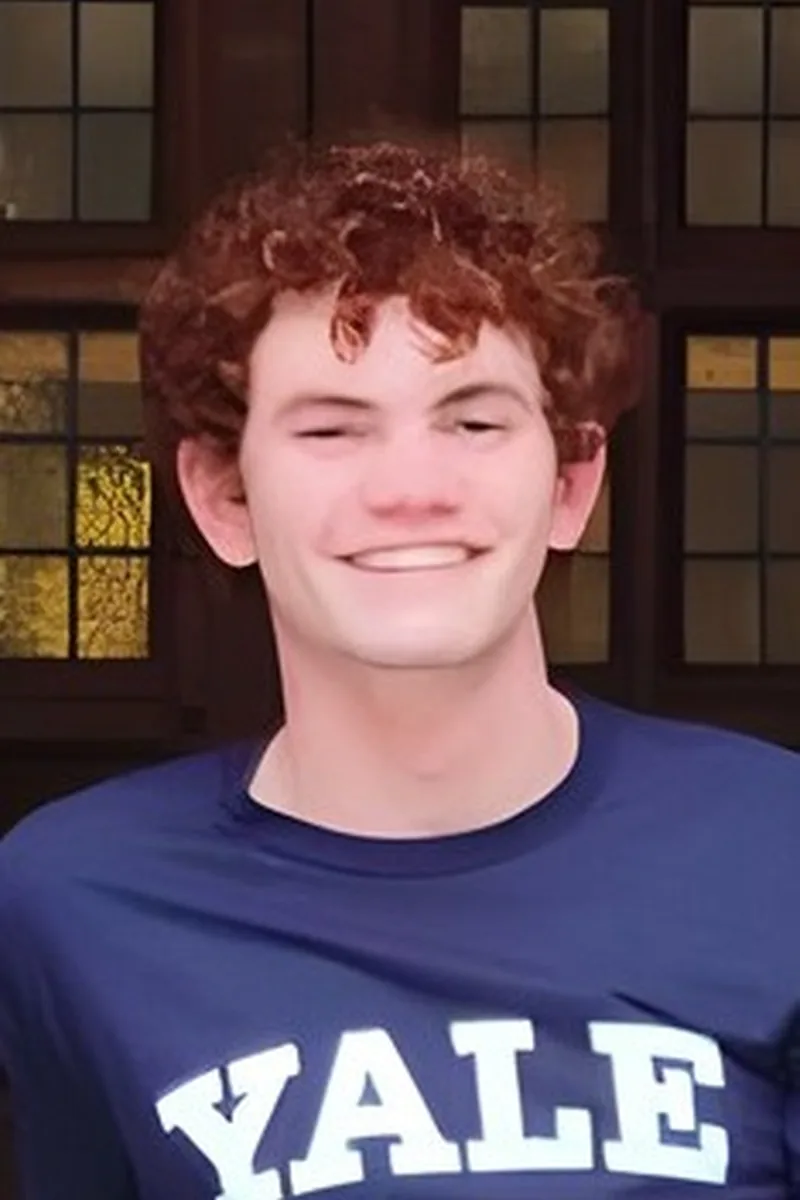
A molecular biology major at Yale who spends his research hours investigating gene expression and stem cell dynamics, Maxwell teaches biology with the depth of someone immersed in the field. He's particularly strong on genetics, cellular processes, and ecology, and he draws on current scientific literature to make concepts like DNA replication and natural selection feel immediate and relevant. Rated 5.0 by students.
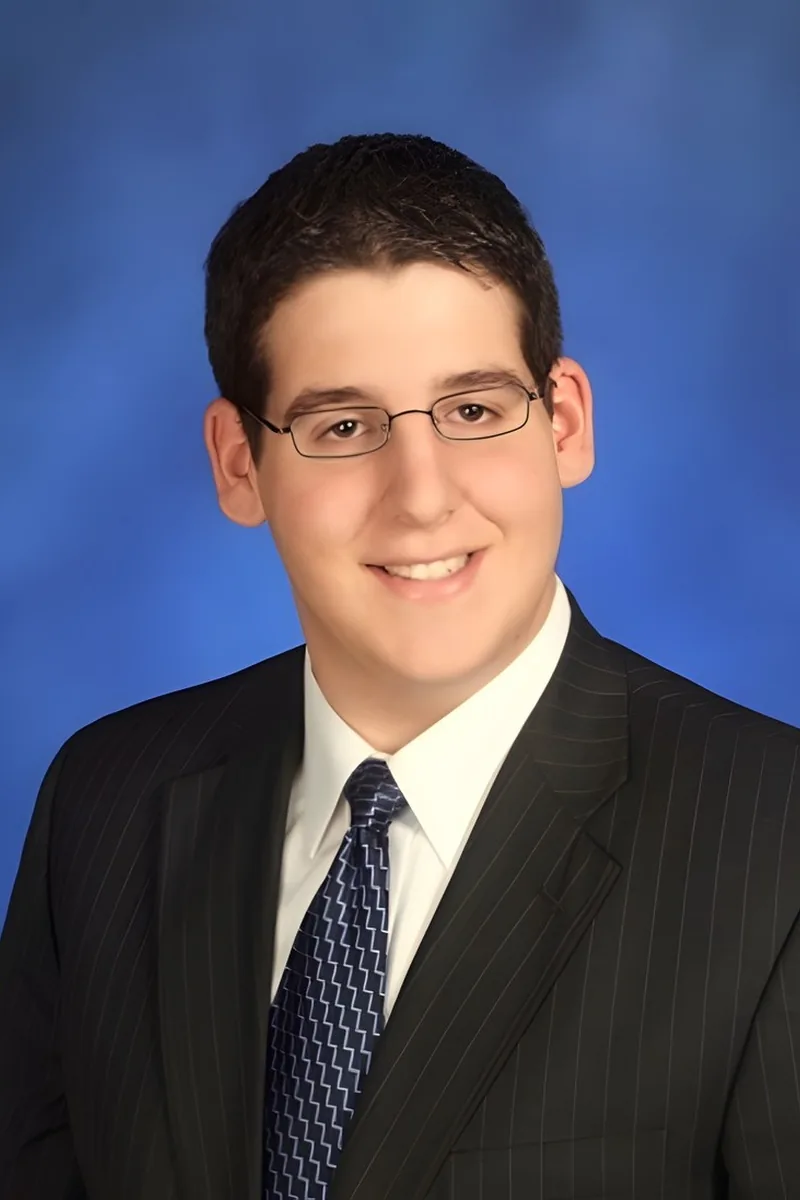
Environmental science coursework means Ethan learned biology through an ecological lens — population dynamics, nutrient cycling, energy flow through trophic levels — where every concept has observable consequences in real ecosystems. That perspective makes him especially effective at teaching the ecology and environmental units that many biology tutors rush past, while his 36 ACT and broad science background keep him sharp across genetics, cell biology, and physiology too. Rated 5.0 by students.
As a biology major at Yale, Maddie lives in this material daily — from molecular genetics to organ-system physiology. She leans on the Socratic method to unpack dense topics like cellular respiration or signal transduction, asking pointed questions that reveal how much a student already understands before filling in the gaps.
Max teaches biology alongside a heavy economics course load at Yale, but his SAT Subject Test prep in Biology E/M — plus coursework in chemistry and college biology — means he's comfortable with everything from cellular respiration to ecological interactions. He approaches the subject analytically, treating biological systems like models with inputs and outputs, which clicks especially well for students who think in logical chains rather than memorization. Rated 5.0 by students.
Most biology courses demand that students juggle molecular details and big-picture processes at the same time — cellular respiration, gene expression, membrane transport. Muhammad's medical and physiology background gives him a layered understanding of how these topics connect across organ systems, which makes him especially effective at showing students why each concept matters beyond the exam.
Philosophy trained Joshua to dissect complex arguments into their underlying logic — a skill that translates surprisingly well to tracing biological processes like mitosis or ecological energy flow, where each step depends on understanding why the previous one happened. He approaches biology as a chain of cause-and-effect reasoning rather than a pile of vocabulary to memorize, which tends to click for students who struggle with the sheer volume of terminology in introductory courses.
I am a senior at the University of New Haven working on a B.S. in Forensic Science-Biology with a Pre-Medical designation who hopes to go to medical school in the future. I am most passionate about biology and chemistry but have a strong personal interest in history, especially topics overlooked in the past study of history. To me, learning is a life long process and leads to the development of a well-rounded individual. Seeing understanding of a difficult topic and creating enthusiasm for learning is what draws me to tutoring.
Noah's biochemistry degree and two years as an organic chemistry TA mean he's spent serious time with the molecular machinery underneath biology — protein structure, metabolic pathways, enzyme behavior — and can teach those topics with a chemist's precision about *why* reactions proceed the way they do. That angle is especially useful for students hitting the wall where biology stops being descriptive and starts requiring real mechanistic thinking, like in AP or college-level courses. Rated 5.0 by students.
Microbial ecology research gives Isaac an unusual entry point into biology — he teaches topics like nutrient cycling, symbiosis, and cellular metabolism as interconnected processes he's actually observed in the field, not just diagrams on a page. His course assistant experience in college biology means he knows where students stumble on everything from genetics to ecological modeling and can rework an explanation on the fly. Rated 5.0 by students.
Chantel's molecular biology background gives her a depth in this subject that goes well beyond introductory-level coverage. She explains everything from cellular respiration and DNA replication to Mendelian genetics by tracing the molecular mechanisms underneath, turning what often feels like rote memorization into a connected story about how living systems actually work.
Having studied neuroscience at the college level, Lily knows biology from the molecular scale up — protein signaling, gene expression, cellular respiration, and how those pieces integrate into larger physiological systems. She's especially strong at teaching students to trace cause-and-effect chains through complex biological processes rather than treating each chapter as isolated facts.
I am a graduate from the University of Pennsylvania where I received my Bachelor's of Arts in Health & Societies with minors in Hispanic Studies and Chemistry while on the premed track. My tutoring experience begins junior year of high school where I tutored middle schoolers in pre-Algebra and Algebra and high school students in biology. I expanded my services in college to include mentoring as well as tutoring in gastroenterology program as part of a service project in collaboration with the Perelman School of Medicine targeted to Philadelphian high school students. Since graduation, I have continued in this role as a 4-8th grade math tutor. Math is a difficult subject but with sufficient time and attention, I believe every student is capable of excelling. I make it a point to curate my lesson plans to the specific needs of my students and emphasize open communication that allows for deeper understanding.
I am a recent graduate of Clemson University with a passion to teach science and math. I have a BS in Food Science and Technology and have two years of tutoring experience at the college level.
Kevin's master's work in Stanford's Biocomputation track sits at the intersection of biology and computer science, which means he thinks about molecular biology, genetics, and cellular processes through a quantitative lens. He's especially sharp on topics like gene expression, protein structure, and the logic of metabolic pathways. That computational perspective often gives students a clearer framework for understanding how biological systems actually function.
Zosia's chemistry degree from Yale means she learned biology through its molecular underpinnings — organic reaction mechanisms, chemical equilibria, thermodynamics — which gives her a distinctive angle on topics like enzyme function, metabolic regulation, and signal transduction that pure biology majors sometimes treat as black boxes. Her additional coursework spanning cell biology, molecular biology, evolutionary biology, and plant biology rounds out that chemical lens with the ecological and organismal perspective students need for a complete picture. Rated 4.9 by students.
Biomedical engineering sits right at the intersection of biology and quantitative analysis, which means Christine doesn't just know cell structure and metabolic pathways — she understands them well enough to model them mathematically. She's particularly strong on molecular biology and physiology concepts, connecting textbook diagrams to the real mechanisms they represent.
Students who find biology's vocabulary overwhelming often do better when someone shows them the logic underneath the terms. Dennis approaches topics like cell respiration, DNA replication, and membrane transport by connecting each process to the energy and chemistry driving it — a perspective that comes naturally from his physics background and makes the material easier to retain.
Annie's cancer immunotherapy research at Cornell means she doesn't just teach biology concepts like cell signaling and immune response — she uses them daily in a working lab. As a teaching assistant for introductory biology courses, she's developed a knack for breaking down dense topics like gene expression and cellular metabolism into language that actually clicks.
Vinay's dual UCLA degrees — one in Molecular, Cell, & Developmental Biology, one in Mathematics-Economics — mean he learned biology with a quantitative rigor that most life science majors skip, which pays off when students hit topics like population genetics, enzyme kinetics, or any concept where the math and the biology have to click at the same time. Now a medical student, he traces those foundational ideas forward into human physiology, giving students a clear line from textbook mechanisms to how they actually play out in living systems. Rated 5.0 by students.
From cell respiration pathways to genetics crosses, biology rewards students who can organize large amounts of interconnected information rather than memorize isolated facts. Asta's University of Chicago training in research and analytical writing translates directly to how she teaches students to map relationships between biological systems — linking, say, DNA replication to protein synthesis to gene expression in a coherent chain.
Kate approaches biology through the lens of someone trained in environmental systems, which means topics like ecology, nutrient cycling, and cellular respiration get grounded in how living organisms actually interact with their surroundings. She's equally comfortable walking through genetics problems or explaining membrane transport, drawing on seven years of science tutoring to pinpoint exactly where confusion starts.
Chemical engineering at Cornell meant Rahul had to master biology's molecular underpinnings — enzyme kinetics, metabolic pathways, cellular transport — as working tools for reactor design and bioprocess modeling, not just exam material. That engineering mindset makes him especially effective at teaching students to think through biological systems as logical, step-by-step processes rather than lists of vocabulary to memorize. Rated 4.9 by students.
Cellular and molecular biology was Pranav's original academic focus before he moved into Biomedical Engineering at Johns Hopkins, so he brings genuine depth to topics like gene expression, cell signaling, and membrane transport. He approaches biology as a set of interconnected systems rather than isolated facts, which makes dense material like metabolic pathways or the immune response easier to retain. That dual perspective — biology plus engineering — gives him a unique way of explaining how biological mechanisms actually work.
Phillip's biomedical engineering studies at Brown mean he encounters biology through the lens of design — how tissues are engineered, how physiological systems can be modeled, how feedback loops in the body mirror control systems in machines. That perspective makes him especially effective at teaching topics like homeostasis, organ system integration, and cell membrane transport, where engineering intuition clarifies what pure memorization can't. Rated 5.0 by students.
JF's math and computer science training at Stanford might seem unrelated to biology, but it actually sharpens how he teaches the subject — genetics problems become probability exercises, population ecology clicks through mathematical modeling, and enzyme kinetics suddenly makes sense when you treat it like a rate equation. That quantitative lens gives students a second way into topics that feel overwhelming when approached through pure memorization alone. Rated 5.0 by students.
Testimonials
Because the right Biology tutor makes all the difference.
Average Session Rating – Based on 3.4M Learner Ratings
Practice Biology
Free practice tests, flashcards, and AI tutoring for Biology
Nearby Biology Tutors
Other Norwich Tutors
Related Science Tutors in Norwich
Frequently Asked Questions
Varsity Tutors matches Norwich students with expert Biology tutors for 1-on-1 instruction. We pair each student with a tutor based on their specific needs, learning style, and goals.
Whether you need homework help, exam prep, or want to get ahead, our Biology tutors are ready to help.
Common challenges include gaps from earlier material, difficulty with specific concepts, and trouble applying learning to new problems. These issues can snowball quickly in Biology.
A tutor identifies where you're stuck, fills in gaps, and provides targeted practice. The 1-on-1 format means you get help exactly where you need it.
Tutors work with your student's actual coursework—homework assignments, class notes, and upcoming tests. This keeps tutoring directly relevant to what's happening in the classroom.
When you share information about your student's school and curriculum, we can match you with a tutor who has relevant experience.
All tutors complete background checks, credential verification, and teaching evaluation. Many of our Biology tutors hold advanced degrees or have years of teaching experience.
You can review tutor profiles to find someone with the right background for your student's level and needs.
Many students see improved grades within a few weeks, along with better understanding of Biology concepts and more confidence tackling challenging material.
Tutors track progress and adjust their approach to ensure continued improvement.
Most students benefit from 1-2 sessions per week. More frequent sessions help if your student is significantly behind or has an important exam coming up.
Your tutor can recommend a schedule based on your student's specific situation and goals.
Tutoring is purchased in packages of hours, with rates varying by tutor experience. Varsity Tutors offers several options to fit different budgets and needs.
You can discuss pricing during your consultation to find what works best.
Your tutor will assess where your student is, discuss goals, and start working on priority areas. Most students bring current homework or upcoming test material to focus on.
By the end, you'll have a clear sense of how the tutor can help and a plan for moving forward.
Let’s find your perfect tutor
Answer a few quick questions. We’ll recommend the right plan and match you with a top 5% tutor.