Award-Winning Biochemistry Tutors
serving Fresno, CA
Biochemistry
Tutors in Fresno
Private 1-on-1 tutoring, weekly live classes for academic support, test prep & enrichment, practice tests and diagnostics, and more to elevate grades and test scores.
Based on 3.4M Learner Ratings
UniversitiesSchools & Universities
DeliveredHours Delivered
ProficiencyGrowth in Proficiency
Who needs tutoring?
No obligation. Takes ~1 minute.
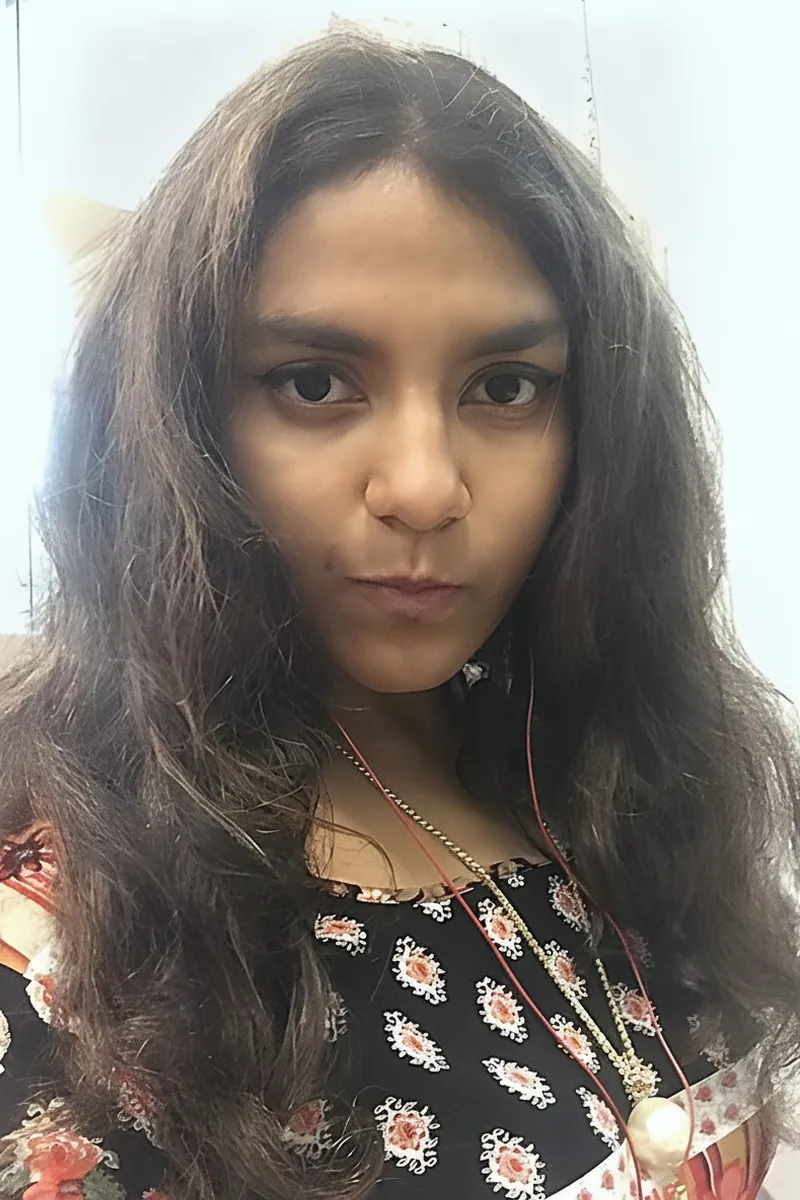
Enzyme kinetics, metabolic pathways, protein folding — biochemistry sits at the intersection of biology and chemistry, and Natasha lives at exactly that intersection as a chemical and biomolecular engineering graduate student at MIT. She unpacks reaction mechanisms and molecular interactions by encouraging students to talk through each step out loud, turning dense pathway diagrams into narratives that actually stick.
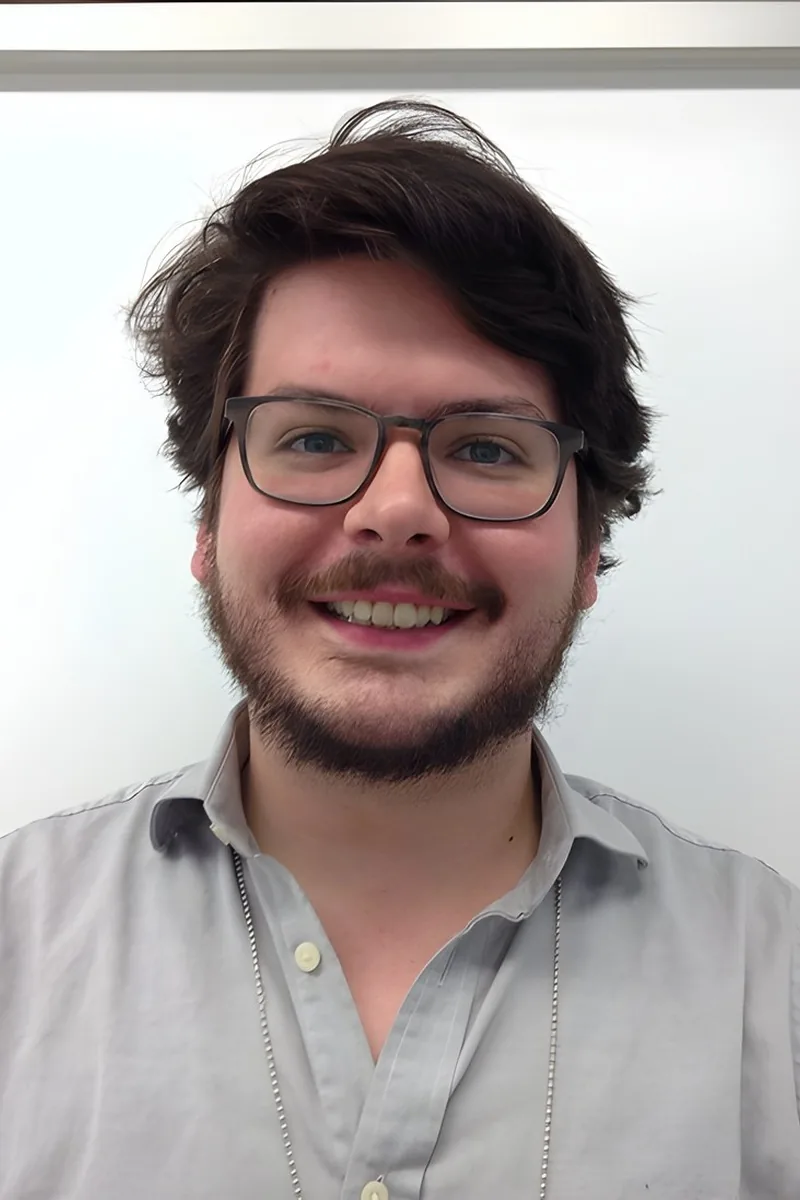
Managing an immunology lab means Matthew doesn't just teach enzyme kinetics, protein structure, or metabolic pathways from a textbook — he uses them daily in his breast cancer research at Columbia. He walks through topics like signal transduction, amino acid chemistry, and lipid metabolism with the kind of specificity that turns confusing diagrams into logical sequences students can actually reason through.
UCLA's biological sciences program gave Arshia a solid grounding in the molecular machinery of life — protein structure, metabolic pathways, and the organic chemistry that ties them together. She also tutors MCAT prep across multiple sections, which means she's used to explaining concepts like enzyme kinetics and amino acid properties at the level of detail that college biochemistry courses actually demand. Rated 5.0 by students.
Studying cognitive science on a pre-med track at Rice means Natalie lives in the overlap between biology and chemistry every semester — enzyme kinetics, metabolic pathways, and protein structure are part of her daily coursework. She unpacks biochemistry by anchoring molecular details to the bigger biological question they answer, which makes dense material like the citric acid cycle far more digestible.
Amino acid structures, enzyme kinetics, metabolic pathways — biochemistry demands that students hold molecular details and big-picture logic in their heads at the same time. Paul's biology honors work at Brown required exactly this kind of thinking, and he walks students through reaction mechanisms and pathway regulation with a clarity that makes the material stick.
Having served as an undergraduate teaching assistant for introductory biochemistry at Cornell, Josef knows exactly which concepts — cofactor roles, enzyme regulation, the interplay between metabolic pathways — trip students up for the first time. He teaches by showing how biochemistry synthesizes organic chemistry, cell biology, and thermodynamics into a single coherent story, so each pathway feels like a logical extension rather than a separate thing to memorize. Rated 5.0 by students.
Physical chemistry PhD work at UC Berkeley means Jacob spent years quantifying the thermodynamic and kinetic principles that govern every biochemical process — from enzyme catalysis rates to the free energy changes driving metabolic pathways forward. He teaches biochemistry by unpacking the physical chemistry underneath it, so concepts like Michaelis-Menten kinetics or the energetics of oxidative phosphorylation feel like derivable logic rather than formulas to memorize. Rated 4.9 by students.
I am a PhD student at SUNY Downstate Medical Center studying Molecular & Cellular Biology. I graduated from Columbia University with a Bachelor of Arts in Biochemistry. I love to teach, mostly because of the impact of great teachers throughout my academic career. I think learning can be really fun, if teachers think outside the box and really challenge themselves to find novel ways of conveying concepts to students. Tried and true methods are always great in the classroom, but to work one-on-one with students requires a different approach. It's also critical that learning be something students want, not grudgingly sit through, so that their academic success is tied to their ability to understand and engage the material, not to what score they get on an arbitrary test.
Enzyme kinetics, metabolic pathways, protein structure — biochemistry sits at the intersection of biology and chemistry, and it punishes students who try to memorize without understanding the underlying logic. Oliver earned his B.A. in Biochemistry at CU Boulder with a chemistry minor, giving him the dual lens needed to explain why Michaelis-Menten curves behave the way they do or how amino acid properties dictate protein folding.
Dental students live in biochemistry — enzyme kinetics, metabolic pathways, amino acid structures — and Josh is right in the middle of that curriculum at Penn. He unpacks topics like glycolysis and protein folding by tying each reaction to a biological consequence, which turns a wall of chemical structures into a story that's far easier to retain.
I am very motivated to help others reach their academic goals. I am currently a master's student studying Immunology, but I have a background in general biology and chemistry, too, with a heavy emphasis on molecular biology and genetics.
Enzyme kinetics, metabolic pathways, amino acid chemistry — biochemistry sits right at the intersection of Alex's Bio-Organic Chemistry training. He teaches students to trace the logic of each pathway, connecting molecular structure to biological function so that something like the citric acid cycle becomes a series of predictable chemical transformations rather than an overwhelming diagram to memorize.
Testimonials
Because the right Biochemistry tutor makes all the difference.
Average Session Rating – Based on 3.4M Learner Ratings
Practice Biochemistry
Free practice tests, flashcards, and AI tutoring for Biochemistry
Nearby Biochemistry Tutors
Other Fresno Tutors
Related Science Tutors in Fresno
Frequently Asked Questions
Biochemistry is the study of chemical processes within living organisms—how molecules like proteins, lipids, and carbohydrates work together to sustain life. It bridges chemistry and biology, making it essential for students pursuing careers in medicine, pharmacy, biotechnology, and research. Strong biochemistry foundations help you understand disease mechanisms, drug development, and cellular function, which are critical for success in upper-level science courses and professional programs.
Many students struggle with visualizing molecular structures and metabolic pathways—abstract concepts that are hard to grasp from textbooks alone. Balancing chemical equations, understanding enzyme kinetics, and connecting biochemical processes to real-world applications also trip up learners. Additionally, biochemistry requires both memorization of structures and mechanisms plus deep conceptual understanding, which can feel overwhelming without personalized guidance to clarify where confusion starts.
Personalized 1-on-1 instruction allows tutors to identify your specific knowledge gaps—whether that's metabolic pathways, protein folding, or exam strategy—and target those areas directly. Tutors can use visual models, real-world examples, and step-by-step problem-solving to transform abstract concepts into concrete understanding. They also help you develop scientific reasoning skills and study techniques that stick, rather than relying on cramming or surface-level memorization.
Your first session focuses on assessment and connection. A tutor will discuss your current biochemistry coursework, identify specific topics causing difficulty, and understand your learning style and goals. This helps them create a personalized plan—whether you need help with thermodynamics, cellular respiration, protein synthesis, or exam preparation—so every future session is targeted and efficient.
Yes. Tutors can help you understand the theory behind lab experiments, interpret results, and connect hands-on work to biochemical principles. Whether you're working with enzyme assays, chromatography, or spectrophotometry, personalized instruction clarifies the 'why' behind procedures and helps you troubleshoot when results don't match expectations. This strengthens both your lab skills and your conceptual understanding.
Varsity Tutors connects you with tutors who have strong backgrounds in biochemistry and experience teaching students at your level. You can specify your needs—whether it's general course support, exam prep, or lab assistance—and get matched with someone who fits your schedule and learning style. The process is straightforward: share your goals, and we handle finding the right fit.
Absolutely. Tutors help you master high-yield biochemistry topics, practice problem-solving under time pressure, and develop test-taking strategies specific to your exam. For MCAT prep, they focus on connecting biochemical concepts to physiology and clinical applications, which is how the exam tests the material. Personalized practice and feedback ensure you're not just memorizing—you're building the deep understanding that translates to strong exam performance.
Varsity Tutors offers flexible pricing based on tutor expertise, session frequency, and your specific needs. There's no long-term contract required—you can adjust your schedule as needed. To get started, share your biochemistry goals and availability, and we'll connect you with a matched tutor. You can begin with a single session to see if it's a good fit before committing to ongoing support.
Let’s find your perfect tutor
Answer a few quick questions. We’ll recommend the right plan and match you with a top 5% tutor.