Award-Winning AP Environmental Science Tutors
serving Fresno, CA
AP Environmental Science
Tutors in Fresno
Private 1-on-1 tutoring, weekly live classes for academic support, test prep & enrichment, practice tests and diagnostics, and more to elevate grades and test scores.
Based on 3.4M Learner Ratings
UniversitiesSchools & Universities
DeliveredHours Delivered
ProficiencyGrowth in Proficiency
Who needs tutoring?
No obligation. Takes ~1 minute.
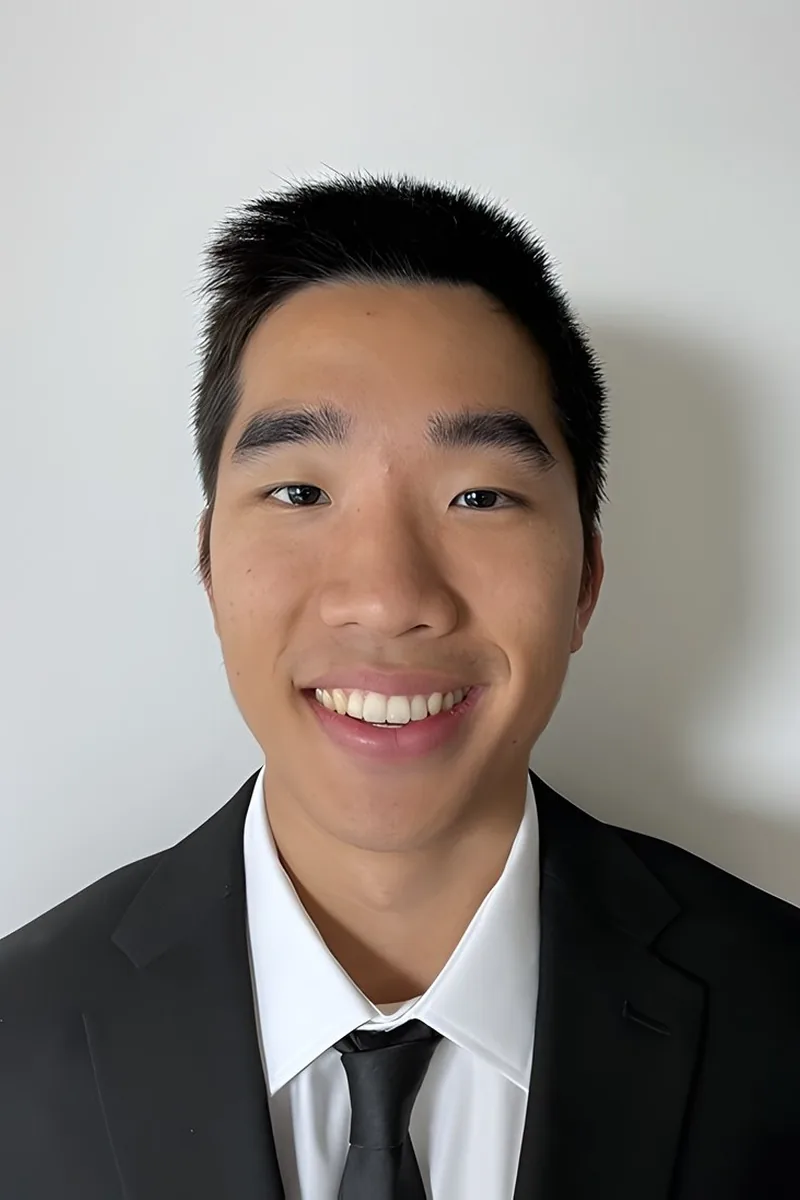
Organismal physiology — Steven's concentration at Drexel — is essentially the study of how living systems respond to their environments, which maps directly onto APES topics like how pollutants move through organisms, how species adapt to habitat changes, and why bioaccumulation works the way it does. That biological depth, paired with a 34 ACT and 5.0 tutoring rating, means he can teach both the conceptual ecology and the math-heavy questions on energy calculations and resource analysis that the exam increasingly emphasizes.
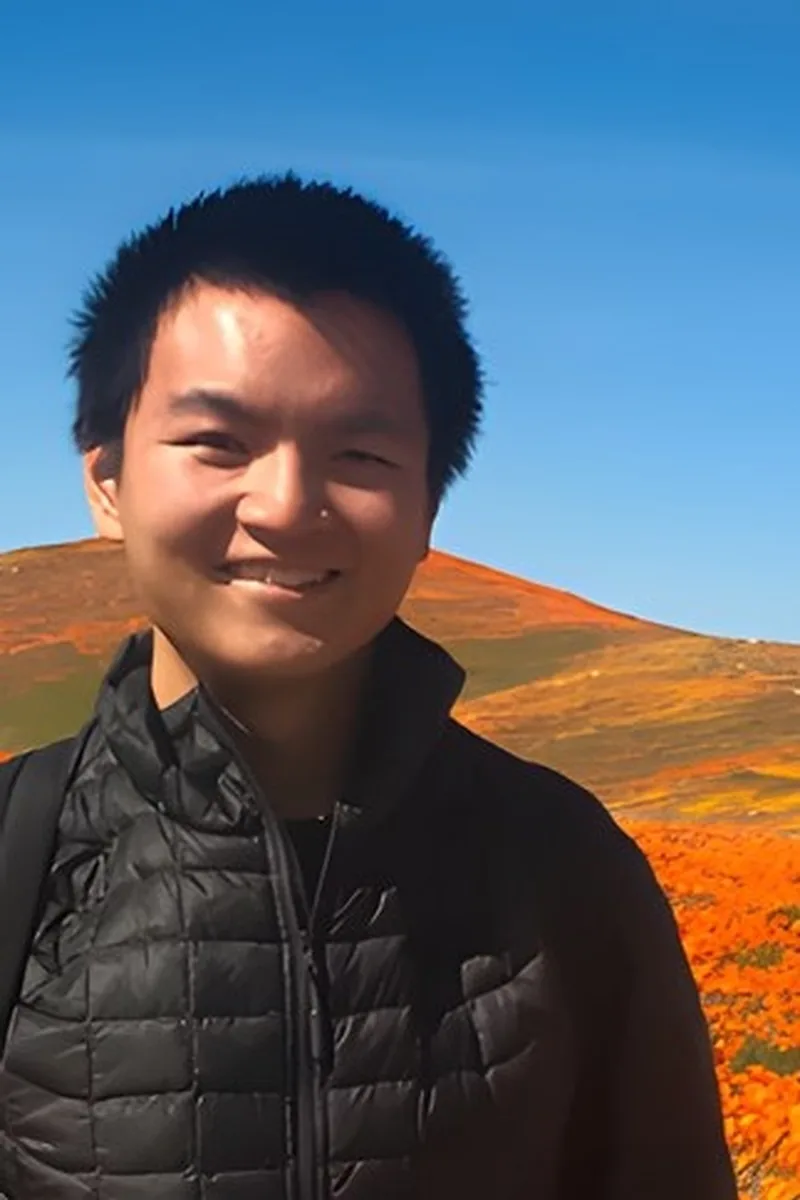
Computer science at UCLA might not scream environmental science, but David's training in modeling complex systems and analyzing large datasets maps directly onto APES topics like climate feedback loops, population modeling, and resource depletion calculations. He tackles the quantitative side of the exam — unit conversions, energy math, experimental design — with the algorithmic precision of a software engineer, which is exactly what the data-heavy free-response questions demand. Rated 4.8 by students.
Medical school at UMKC built on a cellular and molecular biology foundation means Lina understands the biological machinery — nutrient cycling, cellular respiration, photosynthetic pathways — that underpins the ecosystem-level questions APES actually tests. She teaches students to trace environmental problems back to their molecular origins, like connecting eutrophication to the specific biochemistry of decomposition and dissolved oxygen depletion. Rated 5.0 by students.
Supervising an AmeriCorps conservation program in New Mexico means Rachel doesn't just teach APES concepts like land management, resource depletion, and habitat restoration — she manages real projects dealing with them daily. Her Johns Hopkins master's in Environmental Health Sciences adds the scientific rigor behind topics like pollution pathways and risk assessment, while her public health training sharpens the kind of systems-level thinking the exam's free-response questions demand.
Todd's biology degree from UIUC gives him the ecological and cellular foundations that underpin APES topics like nutrient cycling, energy flow through trophic levels, and ecosystem disruption — and his social work training adds a surprisingly useful lens for the policy and human-impact questions that dominate the free-response section. He teaches students to trace cause-and-effect across units, which is the skill the exam actually scores on. Rated 5.0 by students.
Neuroscience teaches you to think about interconnected systems — how a single disruption cascades through networks of dependent processes — and Ankit applies that same framework to APES topics like trophic cascades, biogeochemical disruptions, and feedback loops in climate systems. His dual background in neuroscience and computer science at Duke, combined with a perfect 36 ACT, means he's comfortable with both the conceptual modeling and the quantitative problem-solving the exam demands.
Kelsey earned her Master of Science in Environmental Sciences and Policy from Johns Hopkins, which means she doesn't just know the APES curriculum — she's done the fieldwork and data analysis behind it. From biogeochemical cycles to environmental legislation and ecological footprint calculations, she teaches students to think like environmental scientists, not just memorize vocabulary for the exam. Rated 4.9 by students.
Computer science and environmental science don't often overlap — until the APES exam asks students to interpret large data sets on biodiversity indices, model population growth curves, or analyze trends in atmospheric CO₂ concentrations, which is where Firas's PhD-level data analysis and machine learning research at Princeton becomes genuinely useful. He teaches students to read graphs and tables with the systematic precision of a data scientist, breaking down the quantitative free-response questions that catch memorization-focused students off guard. Rated 5.0 by students.
Three years teaching high school biology in New Jersey gave Sasha firsthand experience with how students struggle to connect classroom ecology — food webs, nutrient cycles, population growth models — to the real-world environmental issues APES actually tests. Her science education master's means she designs lessons around those sticking points, breaking down how a concept like eutrophication links biological mechanisms to human causes to policy solutions in exactly the layered way the exam's free-response rubrics demand. She scored a 1550 on the SAT, so the data-interpretation and quantitative reasoning portions of the exam are well within her wheelhouse too.
Between his dual majors in Statistics/Economics and Business Analytics at Carnegie Mellon, Nitin spends most of his time building and interpreting data models — which is exactly the skill set APES leans on when students have to calculate ecological footprints, analyze pollution trends, or interpret population growth curves on the exam. He approaches the course's free-response questions as data-driven arguments, teaching students to pull evidence from graphs and tables and structure answers that actually earn full credit.
Creative writing isn't the obvious path to APES, but Sydney's strength is in the skill most students neglect: constructing clear, evidence-driven free-response answers that earn full credit instead of rambling through half-remembered vocabulary. Her 35 ACT and 1600 SAT reflect the kind of analytical reading ability that translates directly to interpreting experimental designs and data sets on the exam. Rated 4.9 by students.
Stanford's Science, Technology, and Society major sits at the exact intersection APES lives in — where ecological science meets human systems, policy decisions, and technological trade-offs. Rithika's IB and National AP Scholar background means she's already navigated the kind of interdisciplinary, essay-heavy exams that APES models itself on, and she uses that experience to teach students how to connect scientific evidence to real-world environmental consequences in their free-response answers.
Testimonials
Because the right AP Environmental Science tutor makes all the difference.
Average Session Rating – Based on 3.4M Learner Ratings
Practice AP Environmental Science
Free practice tests, flashcards, and AI tutoring for AP Environmental Science
Nearby AP Environmental Science Tutors
Other Fresno Tutors
Related Science Tutors in Fresno
Frequently Asked Questions
AP Environmental Science covers eight major units: Earth's Systems and Resources, The Living World, Population, Earth Systems and Resources, Land and Water Use, Energy Resources and Consumption, Atmospheric Pollution, Aquatic and Terrestrial Pollution, and Global Change. The course emphasizes real-world environmental issues and requires understanding both scientific concepts and their practical applications. Students need to be comfortable with data analysis, case studies, and connecting environmental science to policy and human impact.
Score improvement depends on your starting point and commitment level. Students who work with a tutor typically see gains of 1-2 points on the AP scale (out of 5) when they focus on weak units and practice test-taking strategies consistently. The most significant improvements come from targeted review of challenging topics—like energy calculations or atmospheric chemistry—combined with practice exams to build familiarity with question formats and pacing.
Students in Fresno often struggle with quantitative sections, particularly energy calculations, population growth models, and interpreting environmental data sets. The exam also requires strong reading comprehension to analyze case studies and environmental scenarios quickly. Many students underestimate the breadth of the course—balancing deep understanding of core concepts with the ability to apply them to unfamiliar situations is key to scoring well.
The exam has two sections: 80 multiple-choice questions (90 minutes) and a free-response section (90 minutes) with 3 questions. For the multiple-choice section, pace yourself at about 1 minute per question and flag difficult items to revisit. On the free-response section, read all three questions first, then tackle the one you feel most confident about to build momentum. Practice full-length exams under timed conditions to develop a rhythm and identify which question types slow you down.
Most students benefit from starting tutoring 3-4 months before the exam, meeting 1-2 times per week. If you're starting later or have significant gaps in understanding, more frequent sessions can help you catch up. The key is consistent, focused review combined with regular practice tests. Even a few weeks of targeted tutoring on your weakest units can meaningfully improve your score if you're already familiar with the material.
Look for tutors with strong backgrounds in environmental science, biology, chemistry, or earth science—ideally with experience teaching or tutoring AP-level material. They should be familiar with the current AP exam format and scoring rubrics, and able to identify which concepts are most heavily tested. Varsity Tutors connects you with expert tutors who understand both the breadth of environmental science and the specific strategies needed to succeed on this particular exam.
Practice tests are essential—they help you identify weak areas, build test-taking stamina, and get comfortable with the exam's pacing and question formats. Most students should take at least 3-4 full-length practice exams before test day, ideally spaced throughout their study period. A tutor can review your practice test results with you, pinpoint patterns in your mistakes, and help you develop strategies to avoid similar errors on the real exam.
Your first session will typically focus on assessment—your tutor will discuss your current understanding of the material, review your recent test scores or assignments, and identify which units or question types are most challenging for you. They'll also learn about your learning style and goals, then create a personalized study plan. This foundation helps ensure that your tutoring time is spent efficiently on the areas where you'll see the biggest score improvement.
Let’s find your perfect tutor
Answer a few quick questions. We’ll recommend the right plan and match you with a top 5% tutor.