Award-Winning Biochemistry Tutors
serving San Diego, CA
Biochemistry
Tutors in San Diego
Private 1-on-1 tutoring, weekly live classes for academic support, test prep & enrichment, practice tests and diagnostics, and more to elevate grades and test scores.
Based on 3.4M Learner Ratings
UniversitiesSchools & Universities
DeliveredHours Delivered
ProficiencyGrowth in Proficiency
Who needs tutoring?
No obligation. Takes ~1 minute.
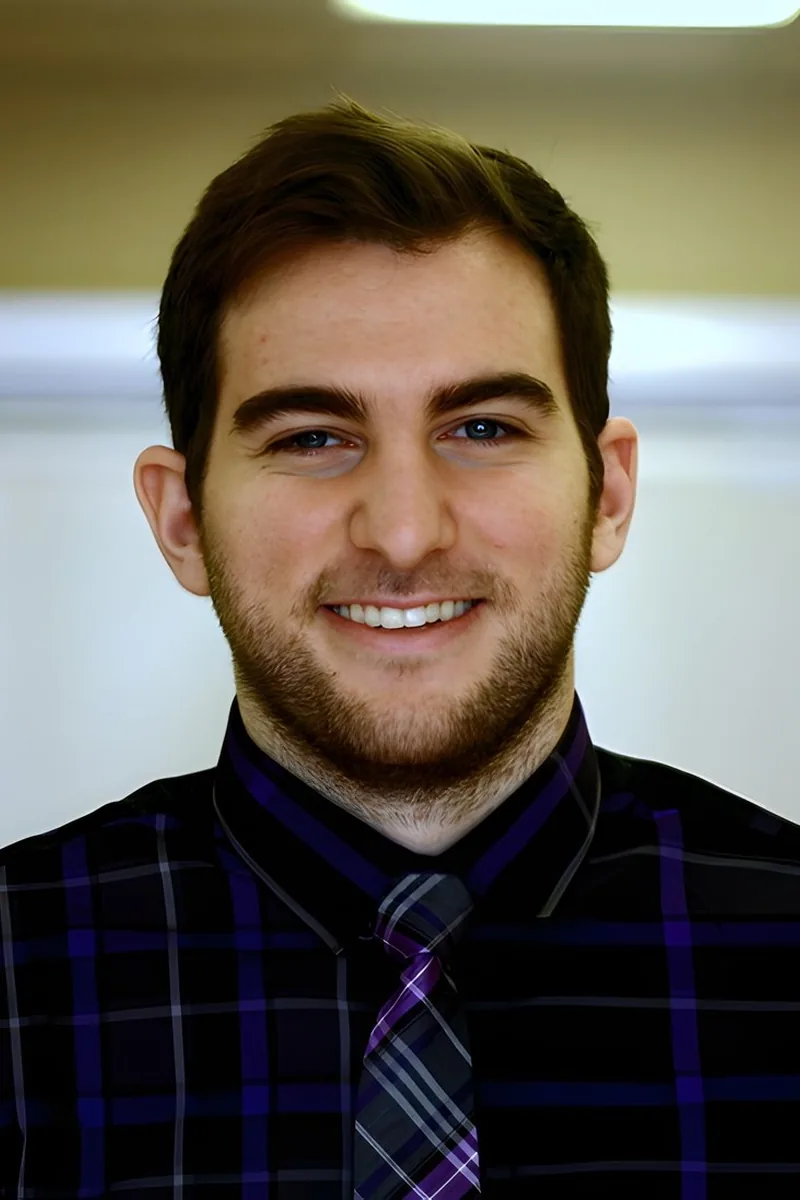
Marc earned his bachelor's in biochemistry before entering an MD/PhD program, so enzyme kinetics, metabolic pathways, and protein structure aren't abstract topics for him — they're daily tools. He breaks down dense material like the citric acid cycle or amino acid chemistry into logical sequences that stick without brute-force memorization.
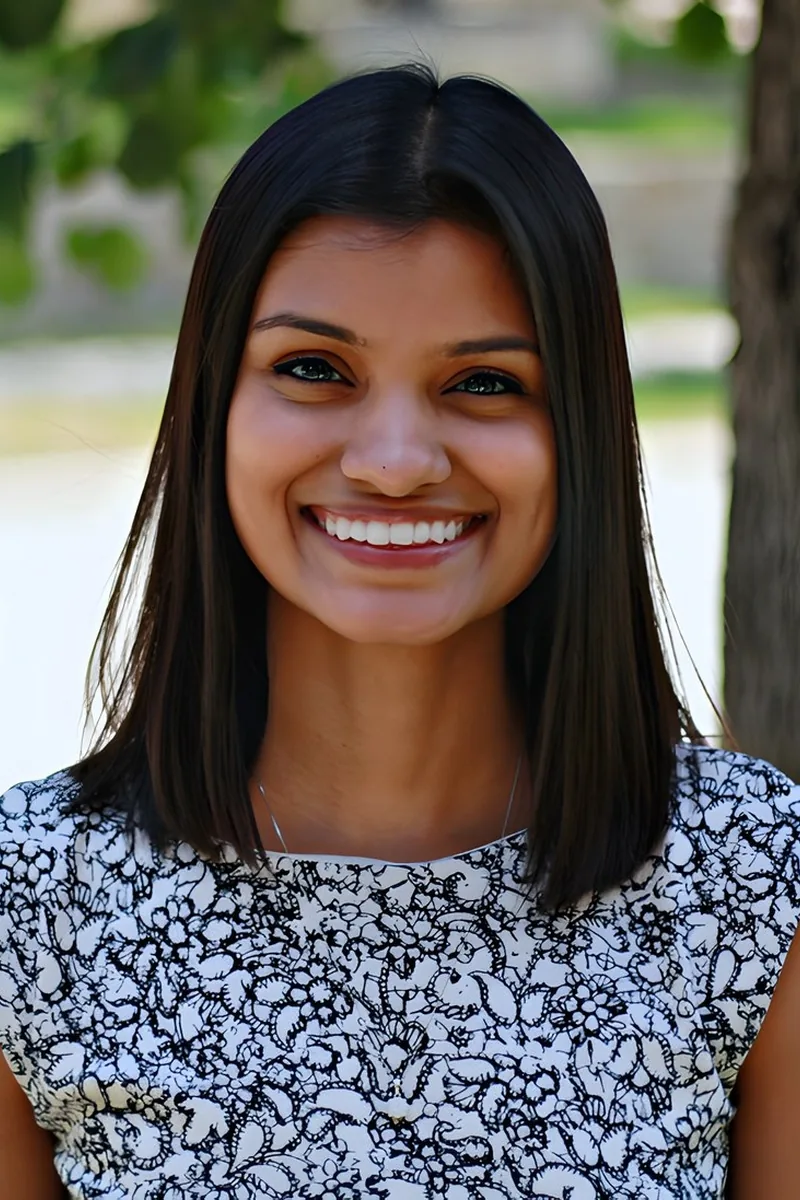
Enzyme kinetics, metabolic pathways, protein structure, nucleic acid chemistry — biochemistry demands that students hold molecular detail and big-picture logic in their heads simultaneously. Sugi graduated summa cum laude with a biochemistry degree from Rice and now applies that knowledge daily in medical school at Baylor. She teaches each pathway as a narrative with clear inputs, outputs, and regulatory checkpoints rather than a list to memorize.
Physical chemistry PhD work at UC Berkeley means Jacob spent years quantifying the thermodynamic and kinetic principles that govern every biochemical process — from enzyme catalysis rates to the free energy changes driving metabolic pathways forward. He teaches biochemistry by unpacking the physical chemistry underneath it, so concepts like Michaelis-Menten kinetics or the energetics of oxidative phosphorylation feel like derivable logic rather than formulas to memorize. Rated 4.9 by students.
Medical school with a focus on infectious diseases means Grant thinks about biochemistry in terms of host-pathogen interactions — how bacteria hijack metabolic machinery, why certain enzyme targets make effective drug sites, and what happens to energy metabolism during sepsis. His biochemistry degree and MD training let him teach topics like amino acid pathways and enzyme inhibition by connecting each mechanism to the microbiology that brings it to life.
Enzyme kinetics, metabolic pathways, protein structure — biochemistry demands that students hold chemistry and biology in their heads simultaneously, which is exactly what medical school trains you to do daily. Jamie is currently at Sidney Kimmel Medical College and brings firsthand fluency with topics like Michaelis-Menten kinetics, amino acid chemistry, and the regulation of glycolysis and the citric acid cycle. He breaks down dense pathway diagrams into step-by-step logic that actually makes sense.
Preparing for medical school at UT Houston while finishing a chemistry degree at Rice means Asad has been living in biochemistry from both sides — the rigorous organic and physical chemistry foundations and the biological systems they plug into. He's especially sharp on the MCAT-relevant intersections, like how enzyme mechanisms tie back to organic reaction logic or how metabolic pathway regulation connects to thermodynamic principles. Rated 4.7 by students.
Enzyme kinetics, metabolic pathways, protein structure — biochemistry sits at the intersection of biology and chemistry, and it punishes students who try to memorize without understanding the underlying logic. Oliver earned his B.A. in Biochemistry at CU Boulder with a chemistry minor, giving him the dual lens needed to explain why Michaelis-Menten curves behave the way they do or how amino acid properties dictate protein folding.
Pre-med coursework at Northwestern means Manideep is actively working through the toughest parts of biochemistry right now — amino acid structures, membrane transport mechanisms, and the regulatory logic behind major metabolic pathways. That proximity to the material gives him a sharp sense of where students get stuck, especially when translating organic chemistry principles into biological contexts. Rated 5.0 by students.
Enzyme kinetics, metabolic pathways, and protein structure all demand a student who can think across chemistry and biology simultaneously — which is exactly what Aleeza's biology degree and MCAT preparation trained her to do. She unpacks topics like Michaelis-Menten kinetics and amino acid chemistry by tying molecular details to the bigger biological picture. Students studying for upper-level biochemistry exams or the MCAT get someone who recently mastered this material herself.
Enzyme kinetics, metabolic pathways, and protein structure all demand a kind of thinking that sits right at the intersection of biology and chemistry — exactly where Jhonatan's neuroscience training lives. He unpacks topics like Michaelis-Menten kinetics and amino acid chemistry by connecting molecular details to the larger biological question of why a cell needs this reaction in the first place. Rated 5.0 by students.
I am very motivated to help others reach their academic goals. I am currently a master's student studying Immunology, but I have a background in general biology and chemistry, too, with a heavy emphasis on molecular biology and genetics.
Enzyme kinetics, metabolic pathways, protein structure — biochemistry sits at the intersection of biology and chemistry, and most students struggle because they try to memorize it as one or the other. Michael's biomedical engineering background means he approaches biochemistry as an integrated system, linking molecular structure to biological function. He unpacks topics like Michaelis-Menten kinetics and amino acid chemistry by tying them to the physical principles that drive them.
Testimonials
Because the right Biochemistry tutor makes all the difference.
Average Session Rating – Based on 3.4M Learner Ratings
Practice Biochemistry
Free practice tests, flashcards, and AI tutoring for Biochemistry
Nearby Biochemistry Tutors
Other San Diego Tutors
Related Science Tutors in San Diego
Frequently Asked Questions
Biochemistry courses usually cover the structure and function of biological molecules—including proteins, carbohydrates, lipids, and nucleic acids—along with enzyme kinetics, cellular metabolism, and energy transfer. Students also study metabolic pathways like glycolysis, the citric acid cycle, and oxidative phosphorylation, as well as photosynthesis, protein synthesis, and gene expression. Many courses include lab components where you'll conduct experiments to observe biochemical reactions firsthand and apply analytical techniques.
Biochemistry involves abstract molecular interactions that are hard to visualize without guidance. Personalized 1-on-1 instruction allows tutors to break down complex processes—like enzyme mechanisms or metabolic pathways—using diagrams, analogies, and step-by-step explanations tailored to how you learn best. Rather than memorizing reactions, tutors help you understand the underlying chemistry and logic, so you can apply concepts to new problems. This deeper understanding is especially valuable when tackling cumulative exams or lab reports that require scientific reasoning beyond memorization.
Memorizing an equation like the ATP hydrolysis reaction tells you what happens, but understanding it means knowing *why* the reaction releases energy, how it connects to cellular work, and how it fits into larger metabolic networks. True understanding lets you predict what happens under different conditions, explain mechanisms on an exam, and troubleshoot experimental results. Varsity Tutors connects you with expert tutors who focus on helping you see these connections rather than treating biochemistry as a collection of isolated facts to memorize.
Beyond classroom concepts, biochemistry depends on hands-on lab skills—from chromatography and spectrophotometry to enzyme assays and protein purification. Tutors can help you understand the theory behind your experiments, troubleshoot unexpected results, prepare thorough lab reports, and develop stronger scientific reasoning skills. Whether you're analyzing kinetic data, calculating yields, or interpreting your results, personalized instruction helps connect what happens in the lab to the biochemical principles driving it.
Students often struggle with enzyme kinetics and Michaelis-Menten equations, metabolic pathway integration (keeping track of multiple interconnected cycles), and the thermodynamics of biological reactions. Visualizing 3D protein structures and understanding how they relate to function is another common challenge. Unit conversions, energy calculations, and connecting molecular-level chemistry to whole-cell or organism-level outcomes also trip up many students. Personalized tutoring tackles these pain points directly, using visual tools and structured problem-solving to build confidence in areas where you're stuck.
Varsity Tutors connects you with expert tutors in the San Diego area who specialize in Biochemistry and understand the specific demands of your course. During the matching process, you can specify your learning style, whether you need help with lab work or exam prep, and what topics are your priorities. Tutors bring deep subject expertise and experience explaining challenging concepts, so you get personalized instruction that targets your unique learning needs rather than generic test prep.
Yes. Whether you're preparing for AP Biology (which includes significant biochemistry content on cellular processes and energy transfer), a college introductory biochemistry course, or advanced organic biochemistry, personalized tutoring helps you master both the content and the test-taking strategies you need. Tutors can help you work through practice problems, understand why wrong answers are wrong, review challenging units, and develop stronger scientific reasoning—all of which directly improve exam performance.
Let’s find your perfect tutor
Answer a few quick questions. We’ll recommend the right plan and match you with a top 5% tutor.