Award-Winning Microbiology Tutors
serving Fresno, CA
Microbiology
Tutors in Fresno
Private 1-on-1 tutoring, weekly live classes for academic support, test prep & enrichment, practice tests and diagnostics, and more to elevate grades and test scores.
Based on 3.4M Learner Ratings
UniversitiesSchools & Universities
DeliveredHours Delivered
ProficiencyGrowth in Proficiency
Who needs tutoring?
No obligation. Takes ~1 minute.
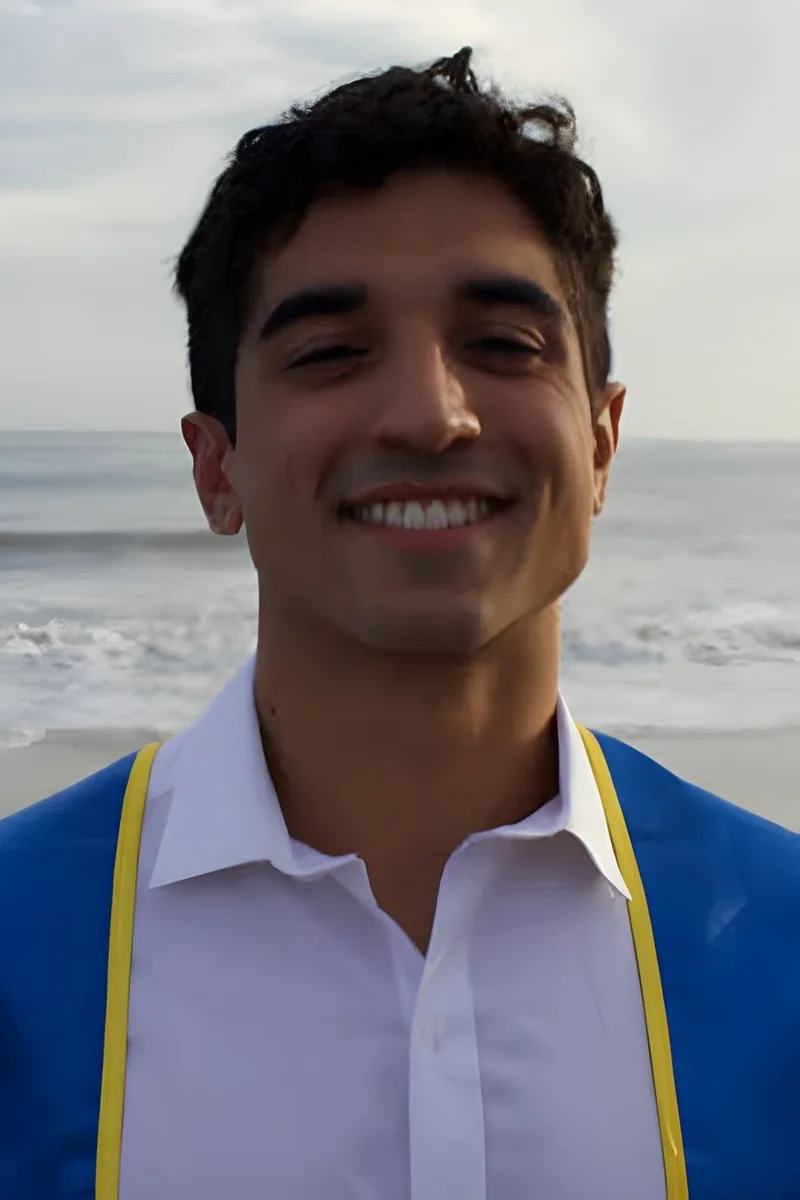
Kevin's honors biology degree from UC Santa Barbara included deep work with microbial systems — bacterial cell structure, metabolic pathways, and the mechanisms behind antibiotic resistance. He unpacks dense topics like gram staining protocols, viral replication cycles, and microbial genetics by connecting each process to its clinical or environmental significance. For pre-med students especially, he knows exactly which concepts carry forward into pathology and pharmacology.
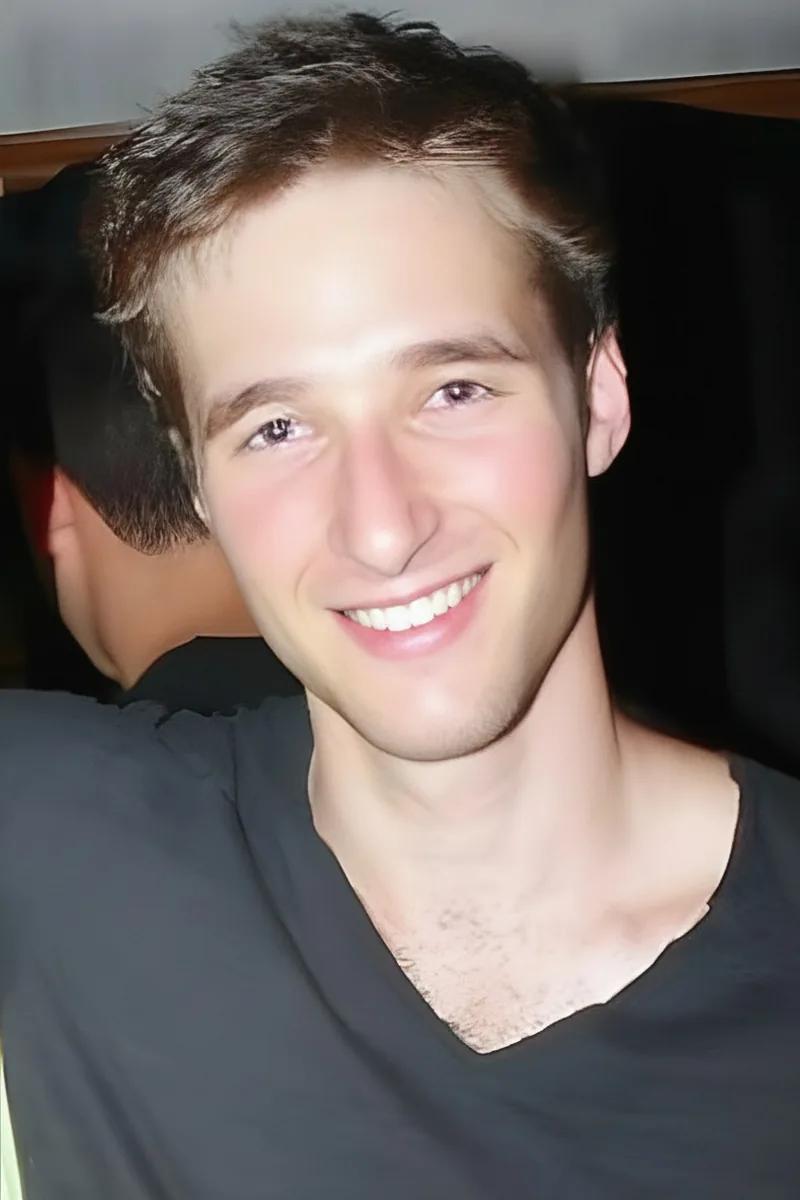
The trick with microbiology is that it sits at the intersection of biology, chemistry, and physics — and Nicholas actually teaches all three, which means he can trace a concept like bacterial membrane transport from the biological function down to the thermodynamics and chemical gradients driving it. His biology degree gave him the core training in cell structure and microbial physiology, while his physical chemistry and organic chemistry background lets him explain mechanisms like cell wall synthesis or metabolic pathways at the molecular level where they actually make sense.
Having completed his biology degree at UCLA with coursework in cell biology and physiology, Nathan can trace microbial processes — like how opportunistic pathogens exploit immune gaps or how metabolic differences between aerobic and anaerobic bacteria shape infection outcomes — back to the underlying biology. He also teaches anatomy, physiology, and nutrition, so he naturally frames microorganisms in terms of the body systems they colonize and disrupt.
Pre-med preparation means Fady has spent real time with the microbial world — learning how pathogens cause disease, how the immune system responds, and how microbial physiology ties into the bigger picture of human health. His biology degree and parallel coursework in anatomy, physiology, and chemistry let him trace concepts like bacterial structure and infection mechanisms back to the underlying science rather than treating them as disconnected vocabulary lists.
Environmental science and public policy might seem distant from microbiology, but Ethan's coursework in biology, chemistry, and ecology covered the microbial ecology and nutrient cycling that underpin environmental systems — how soil bacteria drive nitrogen fixation, how waterborne pathogens behave in different conditions, and why microbial communities matter for public health policy. That environmental angle gives him a unique way of explaining concepts like bacterial metabolism and population dynamics, grounding abstract processes in real-world ecological contexts. Holds a 5.0 rating.
Michelle's PhD thesis centered on bacterial infections, so microbiology isn't a textbook subject for her — it's the system she lived in for years. She digs into topics like biofilm formation, antimicrobial resistance mechanisms, and host-pathogen dynamics with the kind of specificity that comes from designing experiments around those exact processes.
Medical school demands a granular understanding of pathogens — bacterial cell wall differences, viral replication cycles, antibiotic resistance mechanisms. Daniel earned his M.D. and brings that clinical lens to microbiology, connecting each organism's structure and behavior to the disease processes students are expected to know for exams.
Ryan's master's work in cellular and molecular biology at Stanford, combined with hands-on synthetic biology research at NASA Ames, gave him deep fluency in microbial genetics, metabolic pathways, and laboratory techniques like PCR and gene cloning. He unpacks topics like bacterial pathogenesis and antimicrobial resistance by connecting them to the molecular mechanisms driving each process. Rated 5.0 by students.
Studying microbiology in preparation for medical school gave Nishad a detailed command of bacterial physiology, viral replication cycles, and immune response pathways. He teaches students to connect structure to function — understanding why Gram-negative bacteria resist certain antibiotics, for instance, by tracing the architecture of their outer membrane.
A Stanford Human Biology degree with a concentration in bioinformatics gave Matthew a computational angle on microbiology — he thinks about microbial populations in terms of gene expression data, genomic analysis, and the quantitative patterns underlying concepts like antibiotic resistance and pathogen evolution. That top-down, systems-level perspective is especially useful for students who struggle to see how individual topics like bacterial metabolism or viral replication fit into the bigger biological picture. Rated 4.9 by students.
Between her Columbia nutrition degree and her PA training at Rutgers, Victoria has spent years studying bacterial metabolism, host-pathogen interactions, and immune responses at the cellular level. She unpacks microbiology concepts like gram staining protocols, virulence factors, and microbial genetics by tying them to clinical scenarios that make the material stick.
As a second-year medical student with an undergraduate degree in Molecular, Cell, & Developmental Biology from UCLA, Vinay brings clinical context to microbiology topics like bacterial pathogenesis, viral replication cycles, and antimicrobial resistance mechanisms. He connects each organism's structure to its behavior — explaining *why* gram-negative bacteria respond differently to antibiotics, not just *that* they do. His pharmacology knowledge adds an extra layer for students studying micro in a pre-health context.
Bhumi earned her Doctor of Medicine degree, which means she didn't just memorize bacterial morphology and Gram staining protocols — she applied them in clinical contexts where getting the organism wrong has real consequences. She teaches microbiology by connecting pathogen characteristics to disease presentations, making details like virulence factors and antibiotic resistance mechanisms far easier to retain.
Keeping bacterial classification, virulence factors, and immune evasion strategies straight requires a system, not just flashcards. As a medical student at the Medical College of Wisconsin, Abrahim deals with microbiology in a clinical context daily — he teaches students to organize pathogens by mechanism of action and host response, which makes exam recall far more reliable.
Studying both Biology and Political Science at the college level, Andrea is immersed in microbiology coursework — from bacterial cell structure and metabolic pathways to viral replication cycles. She unpacks dense material by tying molecular-level processes to bigger-picture concepts like immune response and antibiotic resistance, which makes the details easier to retain.
From bacterial gene regulation to viral replication strategies, microbiology demands comfort with both molecular detail and big-picture ecology. Zachary's graduate work in molecular biology gave him hands-on familiarity with the techniques and concepts — Gram staining, quorum sensing, antibiotic resistance mechanisms — that form the backbone of most microbiology courses.
Testimonials
Because the right Microbiology tutor makes all the difference.
Average Session Rating – Based on 3.4M Learner Ratings
Nearby Microbiology Tutors
Other Fresno Tutors
Related Science Tutors in Fresno
Frequently Asked Questions
Microbiology courses usually cover cell structure and function, bacterial and viral characteristics, microbial growth and metabolism, genetics and molecular biology, immunology, and disease mechanisms. Many courses also include lab components where you'll work with cultures, staining techniques, and microscopy. A tutor can help you understand how these concepts connect—from identifying microorganisms under a microscope to understanding how they cause infections and how your immune system responds.
Lab work requires both technical skills and conceptual understanding. Tutors can help you prepare for lab sessions by reviewing procedures, explaining the reasoning behind experimental design, and helping you interpret results. They can also clarify what you're observing under the microscope, explain why certain staining techniques work, and connect your hands-on observations back to the theory you're learning in lecture—making the lab experience more meaningful and less overwhelming.
While Microbiology does involve learning terminology and structures, the real challenge is understanding how and why microorganisms behave the way they do. Success comes from grasping concepts like metabolic pathways, immune responses, and genetic mechanisms—not just memorizing facts. A tutor can help you move beyond memorization by asking questions that deepen your understanding, connecting isolated facts into bigger pictures, and teaching you how to apply concepts to new scenarios on exams and in your career.
Microbiology is challenging because you're studying things too small to see without magnification—making abstract visualization difficult. Tutors use diagrams, animations, models, and real-world analogies to help you build mental images of bacterial cell walls, viral replication, or immune system interactions. They can also walk you through what you're actually seeing in microscope slides, helping you translate 2D images into 3D understanding of cellular structures and processes.
Students often struggle with distinguishing between similar organisms, understanding complex metabolic pathways, grasping immunology concepts, and connecting laboratory observations to theoretical knowledge. Many also find it challenging to balance memorizing structures and terminology with understanding the mechanisms behind microbial behavior and disease. Tutors can target these specific pain points, helping you develop strategies to organize information and build conceptual frameworks that make the material stick.
In Fresno's schools with an average student-teacher ratio of 20.2:1, classroom instructors often can't provide individualized attention to address each student's learning gaps. Personalized 1-on-1 instruction allows a tutor to identify exactly where your understanding breaks down—whether it's a specific concept, a gap in prerequisite knowledge, or your study approach—and adjust their teaching accordingly. This targeted approach typically leads to faster progress and deeper mastery than general classroom instruction alone.
Tutors help you move beyond cramming by teaching you how to organize information, identify key concepts, and practice applying knowledge to different question types. They can review previous exams with you, explain why certain answers are correct, help you recognize common question patterns, and build your confidence through targeted practice. This approach develops both content mastery and test-taking skills that improve your performance and reduce exam anxiety.
Varsity Tutors connects you with expert tutors who have strong backgrounds in Microbiology and experience teaching the specific course level you're taking. The matching process considers your learning style, schedule, and particular challenges—whether you need help with lecture concepts, lab preparation, or exam review. You can start with a consultation to discuss your goals and get matched with a tutor who's the right fit for your needs.
Let’s find your perfect tutor
Answer a few quick questions. We’ll recommend the right plan and match you with a top 5% tutor.