Award-Winning Biochemistry Tutors
serving Murrieta, CA
Biochemistry
Tutors in Murrieta
Private 1-on-1 tutoring, weekly live classes for academic support, test prep & enrichment, practice tests and diagnostics, and more to elevate grades and test scores.
Based on 3.4M Learner Ratings
UniversitiesSchools & Universities
DeliveredHours Delivered
ProficiencyGrowth in Proficiency
Who needs tutoring?
No obligation. Takes ~1 minute.
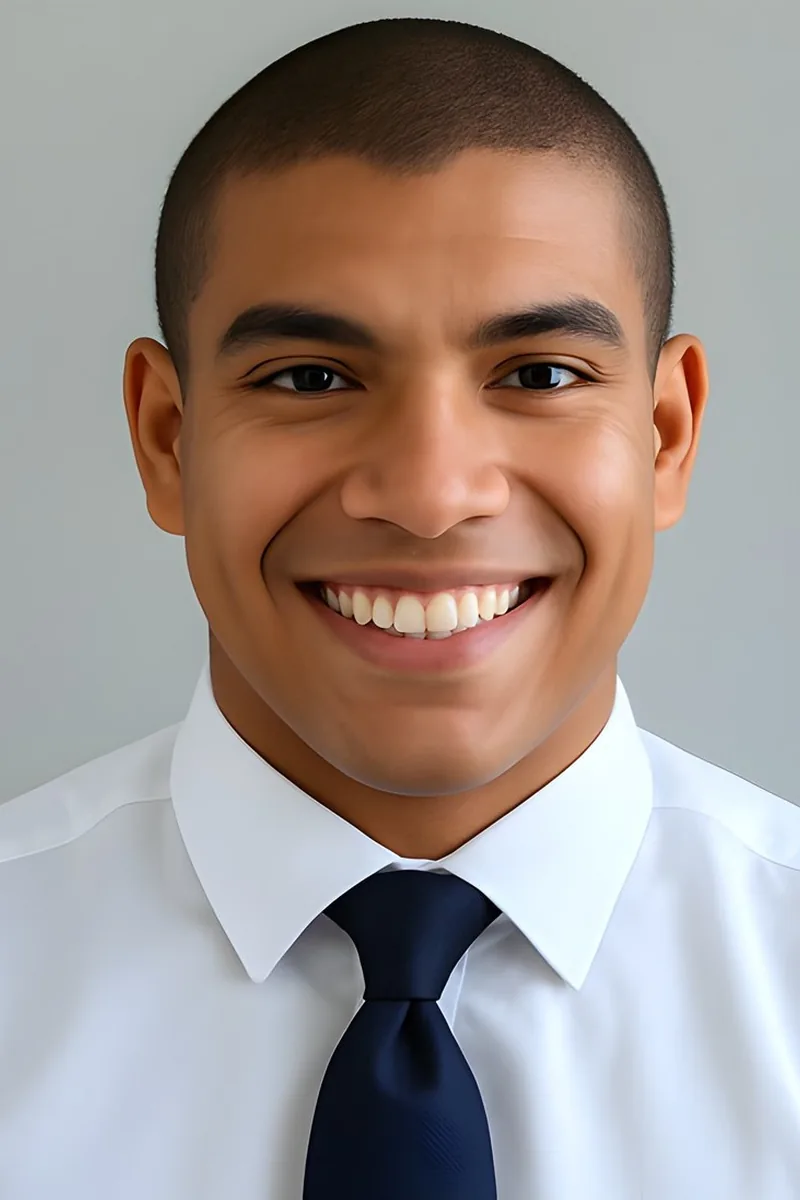
Enzyme kinetics, metabolic pathways, and protein structure all demand a kind of thinking that sits right at the intersection of biology and chemistry — exactly where Jhonatan's neuroscience training lives. He unpacks topics like Michaelis-Menten kinetics and amino acid chemistry by connecting molecular details to the larger biological question of why a cell needs this reaction in the first place. Rated 5.0 by students.
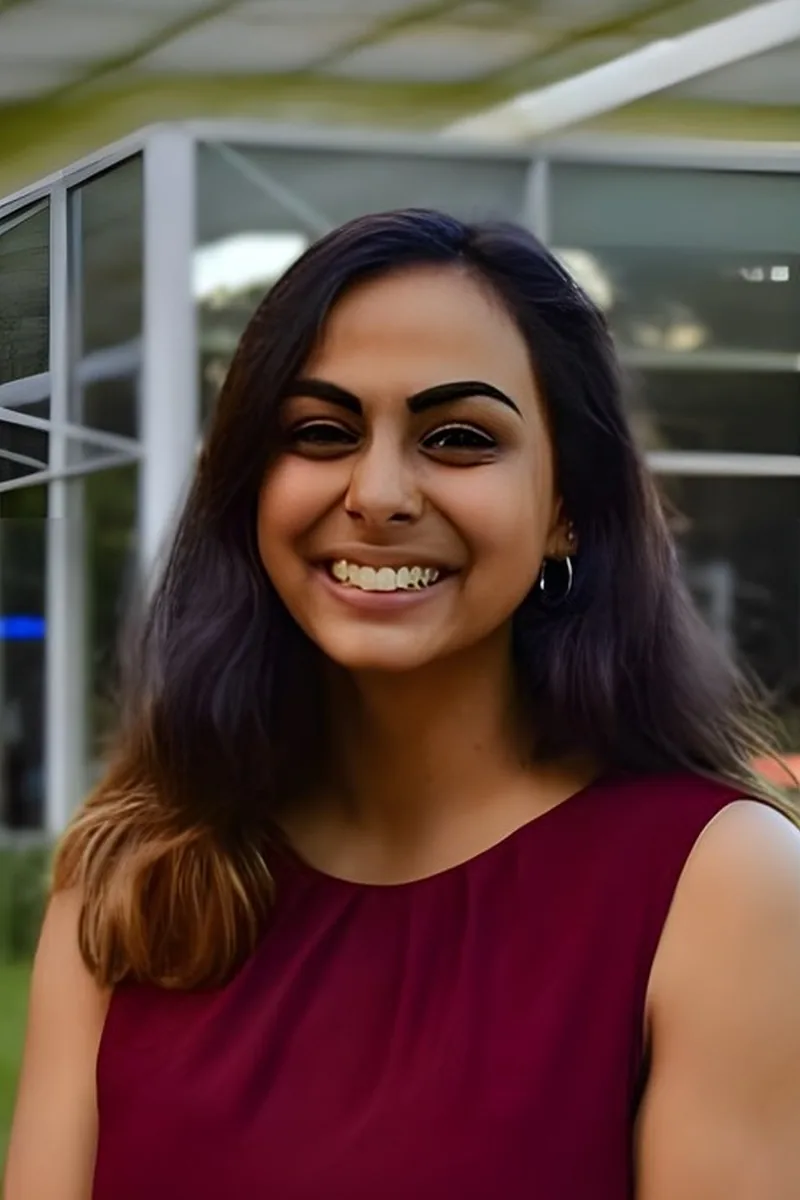
I am most passionate about biology and chemistry. I am a firm proponent of education, believing it to be absolutely necessary for an improved quality of life, and I try to impart this appreciation to all of my students.
As a biology and economics graduate now working as a research associate before medical school, Sunny lives in the world of biochemistry daily — from enzyme kinetics and metabolic pathways to protein structure and nucleic acid chemistry. He unpacks dense topics like the citric acid cycle or amino acid properties by connecting molecular details to the bigger physiological picture, which is especially useful for students preparing for upper-level coursework or the MCAT.
Enzyme kinetics, metabolic pathways, protein structure — biochemistry asks students to think in three dimensions and across multiple reaction steps simultaneously. Kimanthi's biomedical engineering degree and graduate work in biomedical sciences gave her daily exposure to these concepts in both classroom and lab settings. She breaks down mechanisms like glycolysis and oxidative phosphorylation into logical sequences rather than memorization marathons.
Mitchell's neuroscience degree means he learned biochemistry through the brain's lens — tracing how neurotransmitter precursors feed into synthesis pathways, how ATP production keeps neurons firing, and how lipid biochemistry shapes every membrane in the nervous system. That background lets him teach topics like oxidative phosphorylation and amino acid metabolism by connecting each reaction to the cellular machinery that depends on it.
Rohan's economics training might seem distant from biochemistry, but econometrics and metabolic pathway analysis share a core skill — tracing how one variable's change cascades through an interconnected system. He applies that quantitative reasoning to topics like enzyme kinetics and metabolic regulation, breaking down rate equations and feedback loops with the same rigor he brings to economic models. Rated 4.9 by students.
Enzyme kinetics, metabolic pathways, protein structure — biochemistry demands that students hold chemistry and biology in their heads simultaneously, which is exactly what medical school trains you to do daily. Jamie is currently at Sidney Kimmel Medical College and brings firsthand fluency with topics like Michaelis-Menten kinetics, amino acid chemistry, and the regulation of glycolysis and the citric acid cycle. He breaks down dense pathway diagrams into step-by-step logic that actually makes sense.
Four years of medical school means Jordan has cycled through biochemistry multiple times — first mastering it for premed coursework, then again for the MCAT, and again for USMLE Step 1 — each pass deepening his grasp of how pathways like the urea cycle and oxidative phosphorylation connect to clinical medicine. That layered repetition lets him teach metabolic integration the way it actually gets tested: not as isolated reactions, but as interconnected systems where disrupting one enzyme cascades through the whole picture. Rated 5.0 by students.
Enzyme kinetics, metabolic pathways, protein structure — biochemistry asks students to think across chemistry and biology simultaneously, which is exactly what Saniya's neuroscience and chemistry training prepared her for. She unpacks complex topics like Michaelis-Menten kinetics or amino acid properties by linking molecular behavior to biological function, making dense material more intuitive. Her continued coursework in physiology and histology keeps these connections sharp.
Enzyme kinetics, metabolic pathways, and protein structure sit right at the intersection of Aimee's two degrees — chemical engineering and biosystems engineering. She unpacks topics like Michaelis-Menten kinetics and amino acid chemistry by tying them to the biomedical research context she works in at Georgia Tech, making dense material feel purposeful.
UCLA's biological sciences program gave Arshia a solid grounding in the molecular machinery of life — protein structure, metabolic pathways, and the organic chemistry that ties them together. She also tutors MCAT prep across multiple sections, which means she's used to explaining concepts like enzyme kinetics and amino acid properties at the level of detail that college biochemistry courses actually demand. Rated 5.0 by students.
Recent MCAT preparation gave Eric a sharp, up-to-date command of the biochemistry topics that trip students up most: enzyme kinetics, metabolic pathway regulation, and the interplay between protein structure and function. His graduate work in chemistry provides the molecular-level intuition that makes memorizing pathways feel less like brute force and more like following a logical story.
Testimonials
Because the right Biochemistry tutor makes all the difference.
Average Session Rating – Based on 3.4M Learner Ratings
Practice Biochemistry
Free practice tests, flashcards, and AI tutoring for Biochemistry
Nearby Biochemistry Tutors
Other Murrieta Tutors
Related Science Tutors in Murrieta
Frequently Asked Questions
Biochemistry requires mastering both complex theoretical concepts and their practical applications—from metabolic pathways to protein structures. Many students struggle with visualizing molecular interactions, balancing chemical equations, and understanding how abstract concepts like enzyme kinetics connect to real biological systems. Personalized tutoring helps break down these interconnected topics into manageable pieces, allowing you to build a solid foundation in both content knowledge and scientific reasoning.
Yes. Tutors can help you understand the scientific method, interpret experimental data, troubleshoot lab techniques, and connect your hands-on work to the underlying biochemical principles. Whether you're analyzing enzyme activity, performing protein assays, or writing lab reports, personalized instruction helps you develop both technical skills and the ability to think critically about your results.
Not at all. While Biochemistry does involve learning key pathways and structures, true mastery comes from understanding the 'why' behind them—how metabolic pathways are regulated, why certain molecules interact, and how cellular processes maintain homeostasis. Expert tutors focus on helping you develop conceptual understanding rather than rote memorization, so you can apply your knowledge to new problems and exam questions.
Your first session is about understanding your specific needs. A tutor will assess your current understanding of key Biochemistry concepts, identify areas where you're struggling (whether it's metabolic pathways, protein synthesis, or exam preparation), and discuss your goals. From there, you'll develop a personalized plan that addresses your challenges and builds toward the outcomes you're working toward.
One of the biggest advantages of personalized instruction is the ability to use multiple explanations, diagrams, and analogies tailored to how you learn best. Tutors can walk you through molecular structures step-by-step, explain enzyme mechanisms using real-world analogies, and help you connect abstract concepts to concrete examples. This approach transforms confusing topics into concepts you can actually see and understand.
That depends on your starting point and the exam scope. For a unit exam, many students benefit from 2-4 focused sessions spread over a few weeks. For cumulative exams or standardized tests like the MCAT biochemistry section, a longer-term approach (4-8+ weeks) allows time to build understanding, practice problem-solving, and refine test-taking strategies. Your tutor will help you create a realistic timeline based on your specific goals.
Varsity Tutors connects you with tutors who have strong backgrounds in Biochemistry—many hold degrees in chemistry, biology, biochemistry, or related fields, and many have teaching or tutoring experience. When you connect with a tutor, you'll be able to review their qualifications and background to ensure they're a good fit for your needs.
Pricing varies based on factors like the tutor's experience level, session length, and frequency. Varsity Tutors offers flexible options to fit different budgets and schedules. Contact us for personalized pricing information, and we'll help you find a tutoring plan that works for your situation.
Let’s find your perfect tutor
Answer a few quick questions. We’ll recommend the right plan and match you with a top 5% tutor.