Award-Winning Biochemistry Tutors
serving San Jose, CA
Biochemistry
Tutors in San Jose
Private 1-on-1 tutoring, weekly live classes for academic support, test prep & enrichment, practice tests and diagnostics, and more to elevate grades and test scores.
Based on 3.4M Learner Ratings
UniversitiesSchools & Universities
DeliveredHours Delivered
ProficiencyGrowth in Proficiency
Who needs tutoring?
No obligation. Takes ~1 minute.
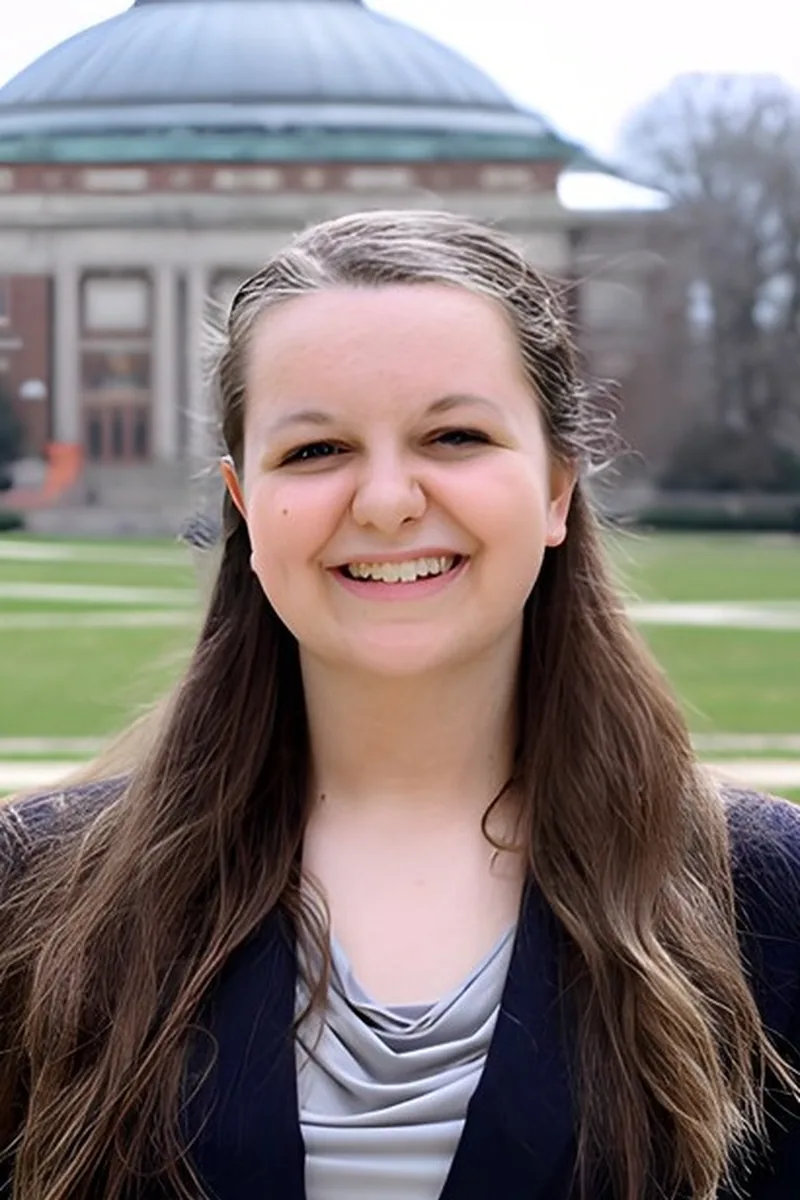
Enzyme kinetics, metabolic pathways, and protein structure all demand a student who can think across chemistry and biology simultaneously — which is exactly what Aleeza's biology degree and MCAT preparation trained her to do. She unpacks topics like Michaelis-Menten kinetics and amino acid chemistry by tying molecular details to the bigger biological picture. Students studying for upper-level biochemistry exams or the MCAT get someone who recently mastered this material herself.
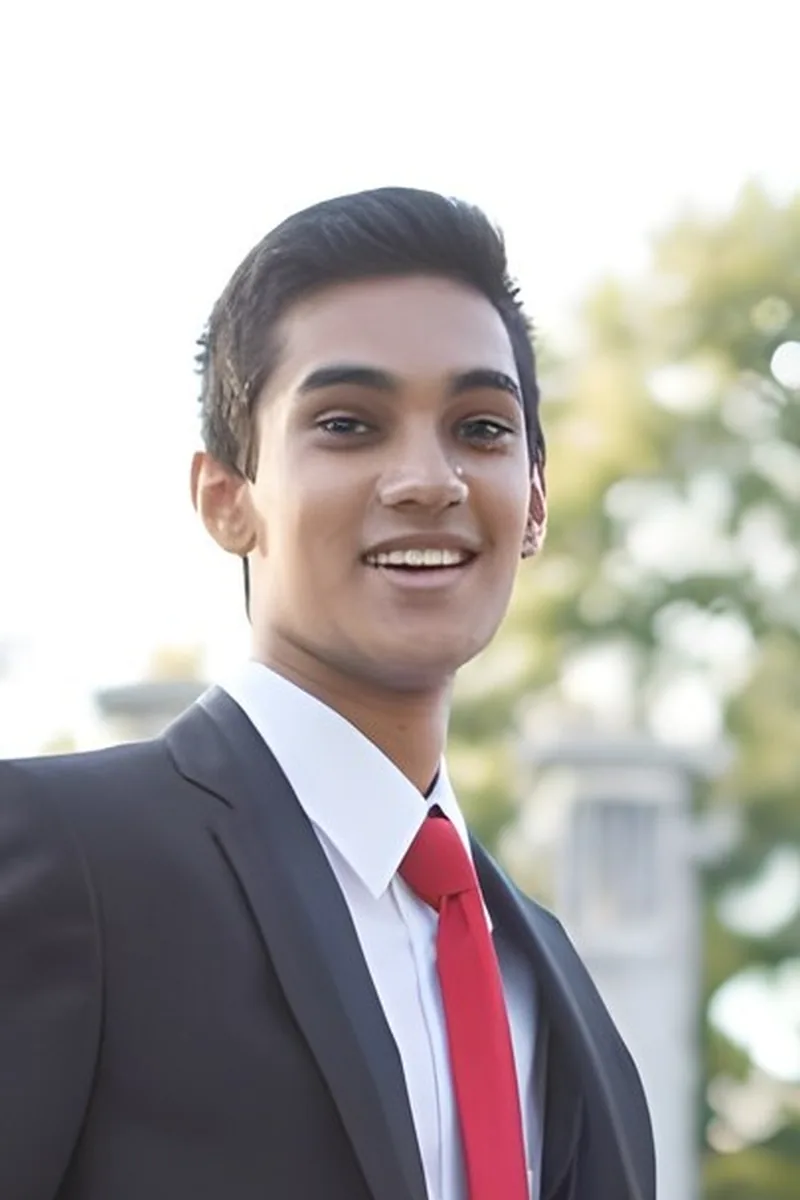
Studying neuroscience at Vanderbilt means Avi lives in biochemistry — enzyme kinetics, metabolic pathways, and protein structure are part of his daily coursework. He unpacks topics like the citric acid cycle or amino acid chemistry by tracing the logic of each reaction rather than asking students to memorize arrows on a diagram.
Studying cognitive science on a pre-med track at Rice means Natalie lives in the overlap between biology and chemistry every semester — enzyme kinetics, metabolic pathways, and protein structure are part of her daily coursework. She unpacks biochemistry by anchoring molecular details to the bigger biological question they answer, which makes dense material like the citric acid cycle far more digestible.
Having served as an undergraduate teaching assistant for introductory biochemistry at Cornell, Josef knows exactly which concepts — cofactor roles, enzyme regulation, the interplay between metabolic pathways — trip students up for the first time. He teaches by showing how biochemistry synthesizes organic chemistry, cell biology, and thermodynamics into a single coherent story, so each pathway feels like a logical extension rather than a separate thing to memorize. Rated 5.0 by students.
Zachary earned both his BS in Biology and a master's in Molecular Biology, which means he's traced biochemical pathways from two different altitudes — the broad cellular view and the granular molecular detail. That dual training comes through when he unpacks topics like lipid metabolism or allosteric enzyme regulation, building each concept from its chemical logic so the bigger metabolic map starts to make sense on its own.
Enzyme kinetics, metabolic pathways, protein structure — biochemistry sits at the intersection of biology and chemistry, and it punishes students who try to memorize without understanding the underlying logic. Oliver earned his B.A. in Biochemistry at CU Boulder with a chemistry minor, giving him the dual lens needed to explain why Michaelis-Menten curves behave the way they do or how amino acid properties dictate protein folding.
Physical chemistry PhD work at UC Berkeley means Jacob spent years quantifying the thermodynamic and kinetic principles that govern every biochemical process — from enzyme catalysis rates to the free energy changes driving metabolic pathways forward. He teaches biochemistry by unpacking the physical chemistry underneath it, so concepts like Michaelis-Menten kinetics or the energetics of oxidative phosphorylation feel like derivable logic rather than formulas to memorize. Rated 4.9 by students.
Pre-med coursework at Northwestern means Manideep is actively working through the toughest parts of biochemistry right now — amino acid structures, membrane transport mechanisms, and the regulatory logic behind major metabolic pathways. That proximity to the material gives him a sharp sense of where students get stuck, especially when translating organic chemistry principles into biological contexts. Rated 5.0 by students.
Earning a BS in Biochemistry from Boston College and then completing a PhD in molecular biology means Monika has spent years immersed in enzyme kinetics, metabolic pathways, and protein structure-function relationships. She tackles tough topics like the citric acid cycle and Michaelis-Menten kinetics by connecting each reaction to its biological purpose, turning rote memorization into logical storytelling.
Managing an immunology lab means Matthew doesn't just teach enzyme kinetics, protein structure, or metabolic pathways from a textbook — he uses them daily in his breast cancer research at Columbia. He walks through topics like signal transduction, amino acid chemistry, and lipid metabolism with the kind of specificity that turns confusing diagrams into logical sequences students can actually reason through.
Enzyme kinetics, metabolic pathways, protein folding — Connor digs into biochemistry with the depth his biomedical sciences master's from Loyola Chicago demanded. He connects molecular-level details to physiological outcomes, so a student learning about Michaelis-Menten kinetics also understands what it means when a drug is a competitive inhibitor in a clinical context.
Cassandra's biology degree gives her the cellular and molecular grounding to teach biochemistry from the chemistry up — she walks through topics like enzyme regulation and metabolic intermediates by connecting each reaction to the organic chemistry driving it. Seven years of tutoring math and science across middle school through college means she's seen where students lose the thread, especially when pathways like gluconeogenesis start layering on exceptions and reversals. Rated 4.9 by students.
Testimonials
Because the right Biochemistry tutor makes all the difference.
Average Session Rating – Based on 3.4M Learner Ratings
Practice Biochemistry
Free practice tests, flashcards, and AI tutoring for Biochemistry
Nearby Biochemistry Tutors
Other San Jose Tutors
Related Science Tutors in San Jose
Frequently Asked Questions
Biochemistry combines abstract molecular concepts with complex reaction mechanisms, making it challenging to visualize how atoms and molecules actually interact. Many students struggle with balancing chemical equations, understanding metabolic pathways, and connecting theoretical concepts to real-world biological applications. Personalized tutoring helps break down these interconnected topics into manageable pieces, so you can build a solid foundation in both the chemistry and biology sides of the subject.
Yes. Expert tutors can help you understand the scientific method behind your experiments, interpret lab results, and connect what you're observing in the lab to the theoretical concepts you're learning in class. Whether you're analyzing protein structures, running chromatography, or studying enzyme kinetics, a tutor can guide you through the reasoning and help you develop stronger scientific thinking skills alongside your technical knowledge.
Absolutely not—and that's where many students get stuck. While biochemistry does involve learning key structures and pathways, true mastery comes from understanding *why* molecules behave the way they do and how different pathways connect to each other. Personalized tutoring focuses on building conceptual understanding rather than rote memorization, so you can tackle unfamiliar problems and apply your knowledge in new contexts.
Your first session is about understanding your specific challenges and goals. A tutor will assess which concepts you find most difficult—whether that's protein folding, cellular respiration, or enzyme mechanisms—and learn about your learning style. From there, you'll develop a personalized plan that targets your weak areas while building on your strengths, so every session moves you toward mastery.
Varsity Tutors connects you with expert tutors who have deep knowledge of biochemistry, whether through advanced degrees, professional experience in chemistry or biology fields, or extensive teaching backgrounds. Each tutor is vetted for subject expertise and teaching ability, ensuring you're working with someone who understands both the content and how to explain complex concepts clearly.
Unit conversions and stoichiometric calculations are foundational skills in biochemistry, but many students struggle with the logic behind them. Tutors break down the process step-by-step, help you practice with varied problems, and teach you strategies to catch errors before they compound. With targeted practice and clear explanations, these calculations become intuitive rather than something you're just memorizing how to do.
Biochemistry involves invisible molecular interactions that are hard to picture. Tutors use diagrams, molecular models, animations, and real-world analogies to help you visualize how molecules fit together, how enzymes work, and how energy flows through metabolic pathways. This visual understanding makes abstract concepts concrete and helps everything click into place.
San Jose has a strong academic community with nearly 300 schools across 58 school districts, and many students are taking biochemistry as part of AP Biology, college prep courses, or university programs. Personalized tutoring complements whatever resources your school provides, giving you one-on-one support tailored to your specific needs and pace—something that's especially valuable given the average student-teacher ratio in the area.
Let’s find your perfect tutor
Answer a few quick questions. We’ll recommend the right plan and match you with a top 5% tutor.