Award-Winning Special Education Tutors
serving Little Rock, AR
Special Education
Tutors in Little Rock
Private 1-on-1 tutoring, weekly live classes for academic support, test prep & enrichment, practice tests and diagnostics, and more to elevate grades and test scores.
Based on 3.4M Learner Ratings
UniversitiesSchools & Universities
DeliveredHours Delivered
ProficiencyGrowth in Proficiency
Who needs tutoring?
No obligation. Takes ~1 minute.

Every learner absorbs material differently, and Daniel's experience tutoring students from pre-K through 12th grade has given him a practical toolkit for adapting explanations on the fly. He breaks concepts into smaller, more concrete steps and uses real-world examples — from superhero storylines to song lyrics — to make abstract ideas tangible. His goal is always to build a student's confidence in finding answers independently, not just following instructions.
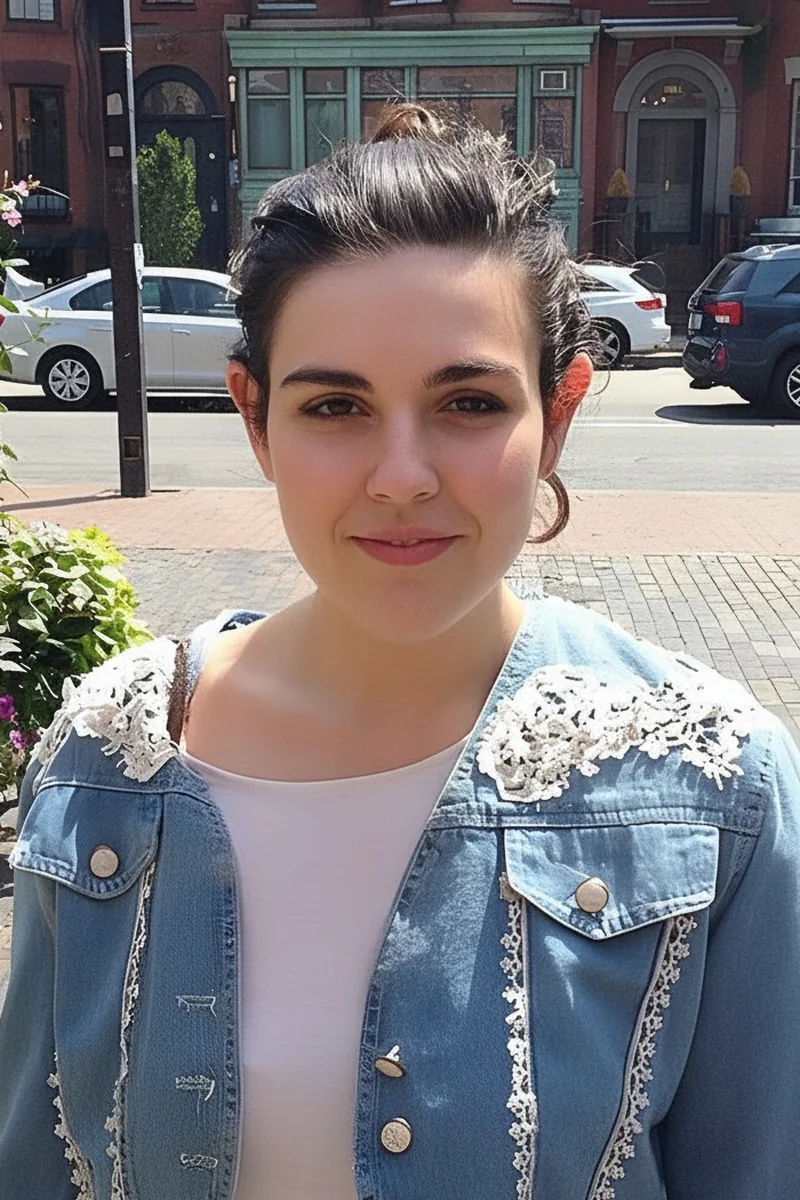
Rebecca's psychology thesis at Bard College explored the neuroscience of empathy in atypical populations, giving her a research-grounded understanding of how different learners process information. She has taught creative writing and foundational reading skills to students on the autism spectrum, adapting lesson pacing, prompts, and sensory considerations to each student's needs. That combination of clinical knowledge and hands-on teaching experience shapes how she builds individualized strategies for students with learning differences.
Clinical psychology training fundamentally changes how you understand a struggling learner — Danny's PhD work gives him insight into the cognitive, emotional, and behavioral dimensions that shape how students with learning differences engage with academic material. He draws on formal counseling psychology methods to identify what's actually getting in the way, then adapts instruction accordingly, whether the barrier is processing speed, attention, anxiety around schoolwork, or something else entirely. Rated 5.0 by families.
Alison spent six years teaching diverse learners in Brooklyn public schools, including students with IEPs and varied learning profiles, so she knows how to adapt pacing, instructions, and materials on the fly. She pairs that classroom experience with formal mindfulness training, which gives her concrete strategies for students dealing with attention challenges, test anxiety, or sensory overwhelm. The goal is always building independence — not just getting through tonight's homework.
Every learner processes information differently, and Professor Florence draws on her psychology training at UCLA to identify where a student's understanding is breaking down and restructure the material accordingly. She adapts pacing, visual aids, and practice strategies to match each student's learning profile, whether the challenge involves processing speed, attention, or executive function.
During her years teaching second through fourth grade, Molly worked daily with students who had a wide range of learning needs, from reading intervention to modified math instruction. She pulls from multiple curricula and adapts materials on the fly — adjusting pacing, breaking tasks into smaller steps, and using multisensory approaches to make concepts accessible. Her 5.0 rating speaks to how well that individualized approach works.
Rosemary's graduate work in occupational therapy included extensive training in adaptive learning strategies, sensory processing, and task analysis — the clinical side of what special education looks like in practice. She volunteers regularly with the Down syndrome community, giving her hands-on experience tailoring instruction to different cognitive and developmental profiles. That combination means she doesn't just know accommodations exist; she knows how to implement them in real learning moments.
Laura's low-pressure tutoring style is deliberate, not accidental — she paces sessions around each student's comfort level and adjusts explanations on the fly when something isn't landing. Her range across math, science, reading, and writing means she can support students with diverse learning needs without constantly switching tutors. That flexibility, combined with her 5.0 rating, speaks to her ability to adapt material rather than force a one-size-fits-all approach.
As a practicing Special Education Social Worker in Minneapolis, Emily understands IEPs, accommodations, and learning differences from the inside — not just as theory. She adapts her approach to each student's specific needs, whether that means breaking reading passages into smaller chunks, using visual supports for math, or building executive functioning skills like task initiation and self-monitoring.
Grant has spent two decades working successfully with students across a wide range of learning differences, from processing disorders to ADHD to math-specific anxiety. His approach strips away the shame many students carry — he slows down, re-explains using different models, and builds lessons around how each individual learner actually thinks rather than forcing a one-size-fits-all method.
Occupational therapy is fundamentally about adapting tasks so people can succeed despite neurological, developmental, or learning differences — and that's the perspective Alex brings to tutoring. Currently in Washington University's OT Doctorate program with a neuroscience background, Alex understands how conditions like ADHD, dyslexia, and sensory processing challenges affect learning and tailors strategies accordingly, from breaking assignments into smaller steps to using multisensory approaches for retention.
Mati brings both professional and personal insight to special education — her doctoral work centered on learning disabilities, and as a mother of two children with dyslexia, she's navigated IEP meetings, accommodation plans, and reading interventions from every side of the table. She teaches strategies for decoding, multisensory learning, and self-advocacy that address the specific barriers a student faces. Rated 5.0 by students.
Testimonials
Because the right Special Education tutor makes all the difference.
Average Session Rating – Based on 3.4M Learner Ratings
Nearby Special Education Tutors
Other Little Rock Tutors
Related Learning Differences Tutors in Little Rock
Frequently Asked Questions
Special education tutoring is personalized 1-on-1 instruction designed for students with individualized education programs (IEPs), 504 plans, or specific learning differences. Unlike classroom instruction, special education tutoring focuses on your child's unique learning profile, adapting teaching methods, pace, and materials to match their needs. Tutors work with strategies outlined in your child's plan while building confidence and independence in academic skills.
Students in Little Rock's 18 school districts often struggle with gaps between their grade-level curriculum and their current skill level, particularly in reading, math, and executive functioning. With an average student-teacher ratio of 14.9:1 across the district's 110 schools, classroom teachers may have limited time for individualized support. Personalized tutoring fills this gap by targeting specific skill deficits, reinforcing IEP goals, and providing the repetition and feedback needed for students to keep pace with grade-level content.
During the first session, a tutor will get to know your child's learning style, strengths, and challenges through conversation and observation. They'll review your child's IEP or 504 plan to understand specific goals and accommodations, then assess current skill levels in key areas. This foundation helps the tutor create a personalized approach that aligns with your child's plan and builds from there.
Tutors work directly with the goals and accommodations outlined in your child's IEP, reinforcing what's being taught in the classroom while providing extra practice and support. They use evidence-based strategies—like breaking tasks into smaller steps, providing immediate feedback, and using multi-sensory learning—to help your child master IEP objectives. Regular communication with parents and teachers ensures tutoring stays connected to school progress.
Tutors support students across reading, writing, math, executive functioning, social-emotional skills, and test preparation. They also help with foundational skills like phonics and number sense, as well as grade-level content in core subjects. Whether your child needs help with a specific academic skill or strategies for organization and time management, personalized tutoring can be tailored to address those areas.
Progress in special education tutoring is measured through concrete improvements in skills targeted by your child's IEP, such as reading fluency, math computation, or task completion. You'll notice changes in your child's confidence, independence, and willingness to tackle challenging work. Regular check-ins with the tutor help track progress toward specific goals and adjust the approach if needed to keep momentum going.
Look for tutors with experience working with students who have IEPs or learning differences, knowledge of evidence-based interventions, and familiarity with your child's specific area of need—whether that's dyslexia, ADHD, autism, or other learning differences. Ideally, they understand how to use accommodations effectively and can communicate clearly with parents and school teams. Varsity Tutors connects you with tutors who have the expertise and experience to support your child's unique learning profile.
Start by sharing your child's learning profile, IEP goals, and areas where they need support. Varsity Tutors will match you with a tutor who has experience with your child's specific needs and learning style. From there, you'll work together to set up a tutoring schedule and personalized plan that fits your family's needs and helps your child make progress toward their goals.
Let’s find your perfect tutor
Answer a few quick questions. We’ll recommend the right plan and match you with a top 5% tutor.