Award-Winning Pre-Calculus Tutors
serving Little Rock, AR
Pre-Calculus
Tutors in Little Rock
Private 1-on-1 tutoring, weekly live classes for academic support, test prep & enrichment, practice tests and diagnostics, and more to elevate grades and test scores.
Based on 3.4M Learner Ratings
UniversitiesSchools & Universities
DeliveredHours Delivered
ProficiencyGrowth in Proficiency
Who needs tutoring?
No obligation. Takes ~1 minute.
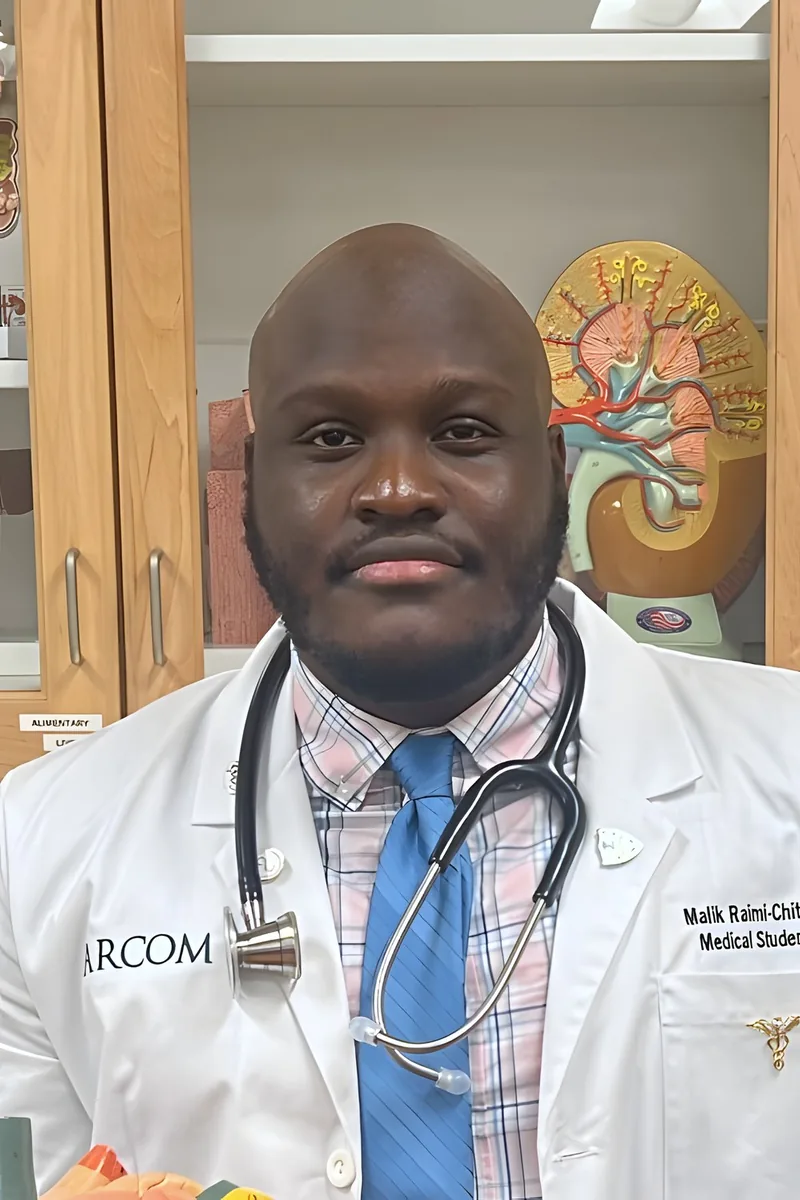
As a second-year medical student with a strong foundation in science and a passion for education, I specialize in making tough subjects easier to understand. I excel in math, biology, physics, and other challenging topics that often intimidate students and I genuinely enjoy helping others master them. My approach combines patience, clarity, and high-level understanding to break down complex ideas into manageable, confidence-boosting lessons. Whether it's reviewing homework or prepping for exams, I'm here to support and motivate students at any level below mine to reach their full academic potential. My interests include: Weightlifting and fitness training (especially strength and hypertrophy programs) Morning cardio and physical conditioning Studying medicine with a focus on anatomy, physiology, and clinical problem-solving Teaching and tutoring tough academic subjects like math, biology, and physics Watching anime as a way to relax and recharge (especially after a long day) Cooking (with a focus on high-protein, keto/carnivore meals)
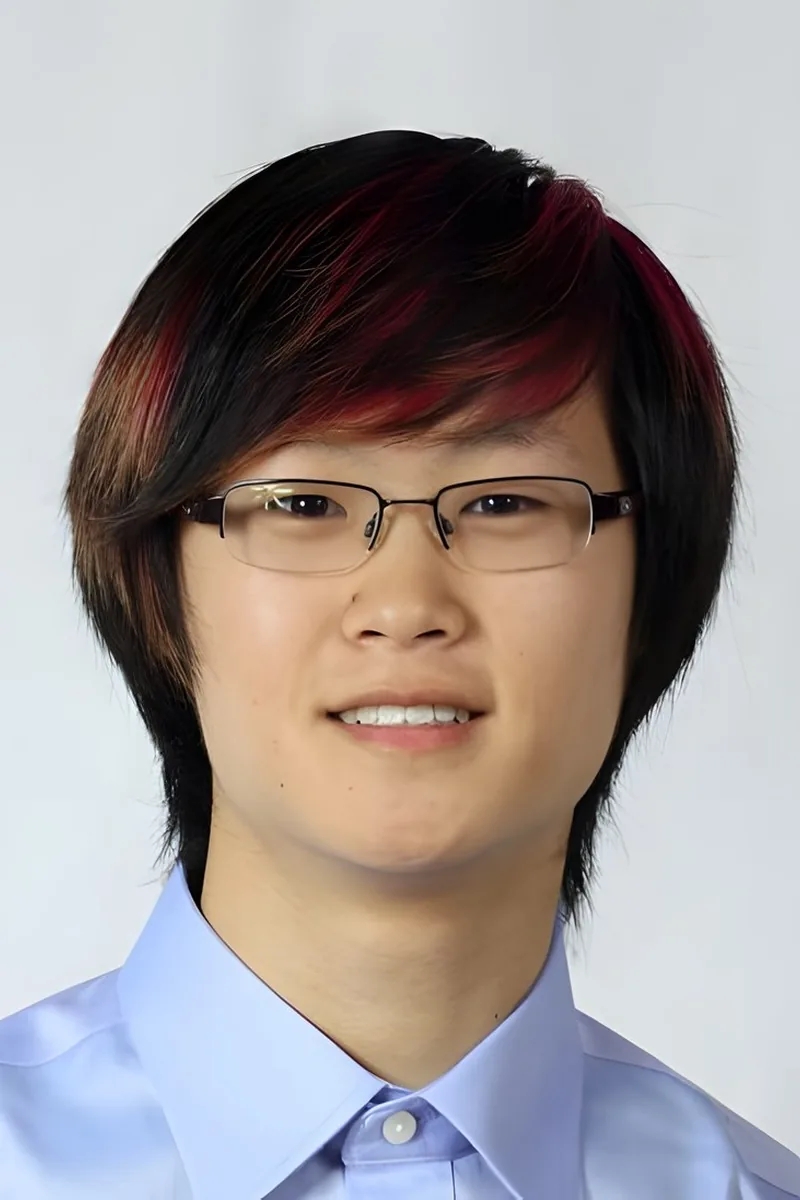
Researching cosmic ray acceleration at Princeton's astrophysics department meant Dennis had to model particle behavior using the exact toolkit pre-calculus teaches — parametric equations, vector components, and the interplay between exponential and trigonometric functions. He brings that research intuition to sessions, breaking down how and why transformations reshape a graph or how polar and rectangular forms connect, so the material clicks as a coherent system rather than a checklist. A 36 ACT and 4.7 rating back up the depth of understanding he brings.
Mechanical engineering at Harvard means Christopher spends most of his time in calculus and differential equations — but he knows exactly which pre-calculus skills hold that work together, especially fluency with trigonometric graphs, composite functions, and the algebraic manipulation that makes limits possible later. He teaches each topic by gradually removing scaffolding until a student can tackle problems independently, flagging the specific mistakes that tend to snowball in calculus. His 35 ACT and 4.8 rating reflect a tutor who's recently built the same bridge his students are crossing now.
Competition math throughout high school taught Tracy to see pre-calculus topics like sequences, series, and trigonometric manipulations as puzzles with elegant internal logic — not just procedural hurdles before calculus. Her triple economics degree means she also knows how these tools land in practice, since exponential models and rate-of-change reasoning show up constantly in economic analysis. A 36 ACT and 4.9 rating confirm she delivers on both the conceptual and practical sides.
The jump to pre-calculus is where students suddenly need to think about trigonometric identities, limits of sequences, and polar coordinates all at once. Margaret tackles each of these by connecting them back to algebraic reasoning students already have, rather than treating every unit as brand new. Rated 4.9 by students, she's especially effective at demystifying the transition into calculus-level thinking.
The jump into Pre-Calculus often feels like juggling — trigonometric identities, limits intuition, and function transformations all land at once. Eliza approaches each topic by connecting it back to the algebra and geometry students already know, so new material builds logically instead of feeling random. Rated 5.0 by students, she keeps sessions structured without making them feel rigid.
Everything in Pre-Calculus — trigonometric identities, rational functions, limits intuition — exists to set students up for calculus, but most courses don't make that connection explicit. Annie does, because she's already on the other side of it: her engineering program at Cornell showed her exactly which Pre-Calc skills matter most and where gaps tend to cause trouble later.
Having scored 5s on both AP Calculus BC and AP Physics C while at a Harvard-track pace of 16 AP courses, Derek built the kind of deep pre-calculus fluency — limits of rational expressions, trigonometric manipulation, composite function analysis — that only comes from leaning on those tools constantly across multiple disciplines. His computer science major adds a distinctive angle: he teaches sequences, recursive definitions, and function behavior through the algorithmic thinking that makes those concepts precise rather than fuzzy. A 1550 SAT and 4.9 rating round out the picture.
Differential equations, calculus, and physics all live on Bidyut's teaching roster — which means he knows exactly which pre-calculus skills (and which specific weak spots) will matter most once students move forward. His biomedical engineering training at Johns Hopkins keeps him fluent in the trigonometric, exponential, and composite function reasoning that pre-calc demands, and he teaches those topics by connecting them to the applied problems where sloppy understanding actually costs you. A 36 ACT and 5.0 rating back up the depth he brings.
The jump to pre-calculus often trips students up at trigonometric identities and the shift from algebraic to function-based thinking. Ellie's biomedical engineering coursework at Yale runs on these exact tools — polar coordinates, parametric equations, and limits all show up in her daily problem sets. Rated 5.0 by students, she connects each pre-calc concept to the bigger mathematical picture so the material actually sticks.
Second-year medical school at Baylor means Michelle is neck-deep in the quantitative reasoning that pre-calculus builds — rate-of-change intuition for physiology, logarithmic models for acid-base chemistry, and exponential functions for everything from bacterial growth to drug clearance. Her biochemistry degree from Rice cemented the algebraic and trigonometric groundwork she now draws on daily, so she teaches these topics as someone who genuinely needed them to stick. A 1570 SAT confirms the mathematical precision behind her approach.
The jump into limits, trigonometric identities, and composite functions can feel overwhelming without someone who knows how to sequence the ideas clearly. Pinelopi has tutored math from pre-algebra through calculus, which means she can pinpoint exactly which earlier concept a student is missing when pre-calc material stops making sense. Rated 5.0 by students.
A Cornell chemical engineering degree means Rahul spent years working with exponential decay, logarithmic scales, and trigonometric models before most students even encounter them in a textbook. He teaches pre-calculus by emphasizing the conceptual reasoning behind each topic — why a logarithm undoes an exponential, how the unit circle generates every trig value — so the mechanics actually make sense. Rated 4.9 by students, with a 36 ACT to back up the quantitative chops.
Testimonials
Because the right Pre-Calculus tutor makes all the difference.
Average Session Rating – Based on 3.4M Learner Ratings
Practice Pre-Calculus
Free practice tests, flashcards, and AI tutoring for Pre-Calculus
Nearby Pre-Calculus Tutors
Other Little Rock Tutors
Related Math Tutors in Little Rock
Frequently Asked Questions
Pre-Calculus shifts from solving equations to understanding functions and their behavior—it's where math becomes less about "getting the answer" and more about seeing patterns and connections. Students need to move from procedural thinking (following steps) to conceptual thinking (understanding why those steps work). This transition can feel challenging, but personalized 1-on-1 instruction helps students build confidence by connecting new concepts to what they already know.
Word problems, graphing functions, and trigonometric identities are frequent pain points because they require both procedural skills and the ability to translate between different representations (equations, graphs, real-world scenarios). Many students also find multi-step problems overwhelming when they're unsure which strategy to use first. Expert tutors help by breaking down complex problems into manageable steps and teaching problem-solving strategies that work across different question types.
Showing work reveals your thinking process and helps identify exactly where misunderstandings happen—it's not just about the final answer. In Pre-Calculus, this is especially important because many problems have multiple solution methods, and understanding which approach to use matters as much as executing it correctly. Tutors can review your work to pinpoint whether struggles are conceptual (not understanding the topic) or procedural (making calculation errors), then address the real issue.
Graphing confidence comes from seeing the connection between equations and their visual representations—recognizing how changes to an equation shift, stretch, or flip a graph. Many students memorize rules without truly understanding them, which makes new problems feel impossible. Personalized tutoring helps by using visual tools and multiple examples to build intuition, so you can predict how a graph will look before plotting points, rather than just following mechanical steps.
Math anxiety often stems from feeling lost or behind, which personalized 1-on-1 instruction directly addresses by moving at your pace and building confidence through small wins. Tutors create a low-pressure environment where you can ask questions without judgment and tackle challenging topics one concept at a time. Over time, as you understand material more deeply and see your own progress, anxiety naturally decreases and you develop real confidence in your problem-solving abilities.
Yes—Varsity Tutors connects you with expert tutors who understand the Pre-Calculus standards and approaches used across Little Rock's 18 school districts, whether your school uses a traditional or integrated curriculum. Tutors can align instruction with your specific textbook, course pacing, and teacher's expectations, so you're reinforcing exactly what you're learning in class rather than working on disconnected material.
Your first session is about understanding your goals, identifying specific challenges, and building a plan. The tutor will assess which Pre-Calculus concepts feel solid and where you need support—whether that's foundational gaps from Algebra II, specific topics like trigonometry or logarithms, or test preparation. From there, you'll work together on concrete strategies tailored to how you learn best.
Absolutely. Tutors help you master Pre-Calculus content while also teaching test-taking strategies specific to how questions are asked on exams—recognizing question types, managing time, and avoiding common traps. Whether you're preparing for a unit test, semester exam, or standardized tests like the ACT, personalized instruction focuses on the topics most likely to appear and builds the problem-solving speed and accuracy you need to perform well.
Let’s find your perfect tutor
Answer a few quick questions. We’ll recommend the right plan and match you with a top 5% tutor.