Award-Winning Elementary School Reading Tutors
serving Little Rock, AR
Elementary School Reading
Tutors in Little Rock
Private 1-on-1 tutoring, weekly live classes for academic support, test prep & enrichment, practice tests and diagnostics, and more to elevate grades and test scores.
Based on 3.4M Learner Ratings
UniversitiesSchools & Universities
DeliveredHours Delivered
ProficiencyGrowth in Proficiency
Who needs tutoring?
No obligation. Takes ~1 minute.
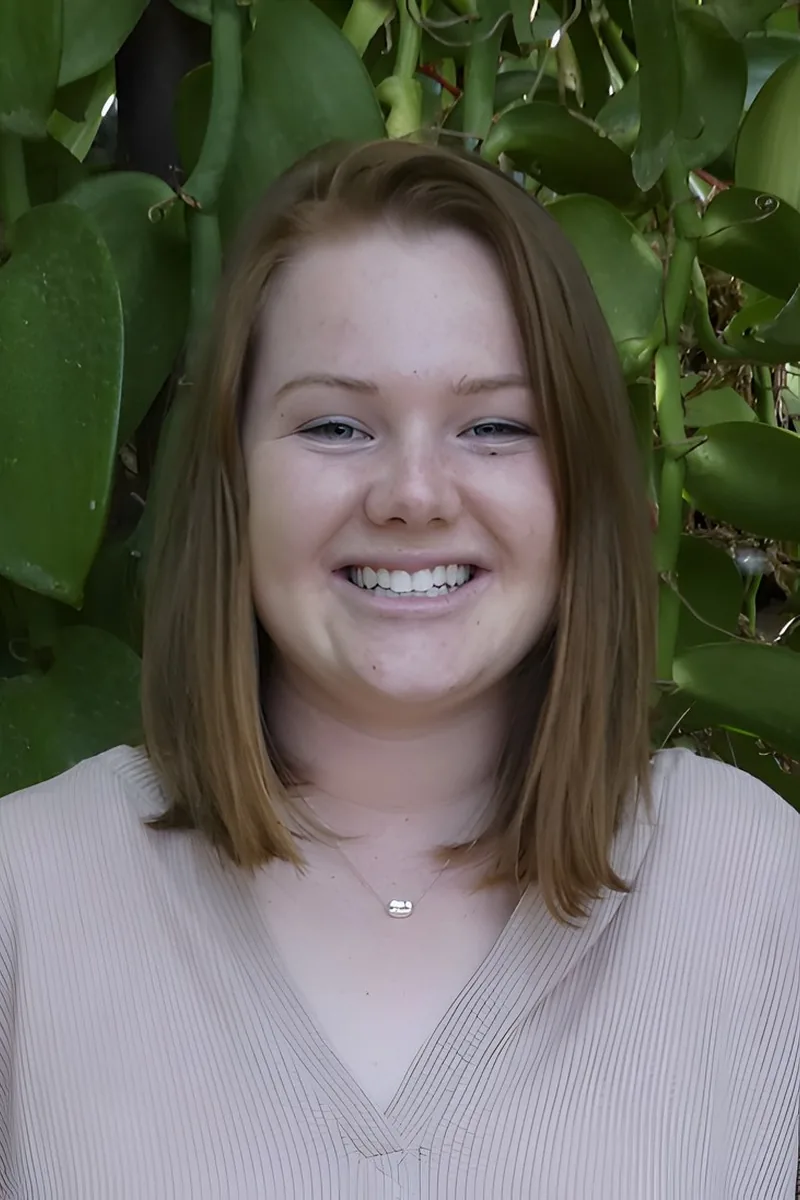
Phonics, sight words, fluency, comprehension — early reading involves a lot of moving parts, and every child hits different sticking points. Mackenzie identifies where a young reader is getting tripped up and tailors each session around that specific skill, whether it's decoding multisyllable words or retelling a story in sequence.
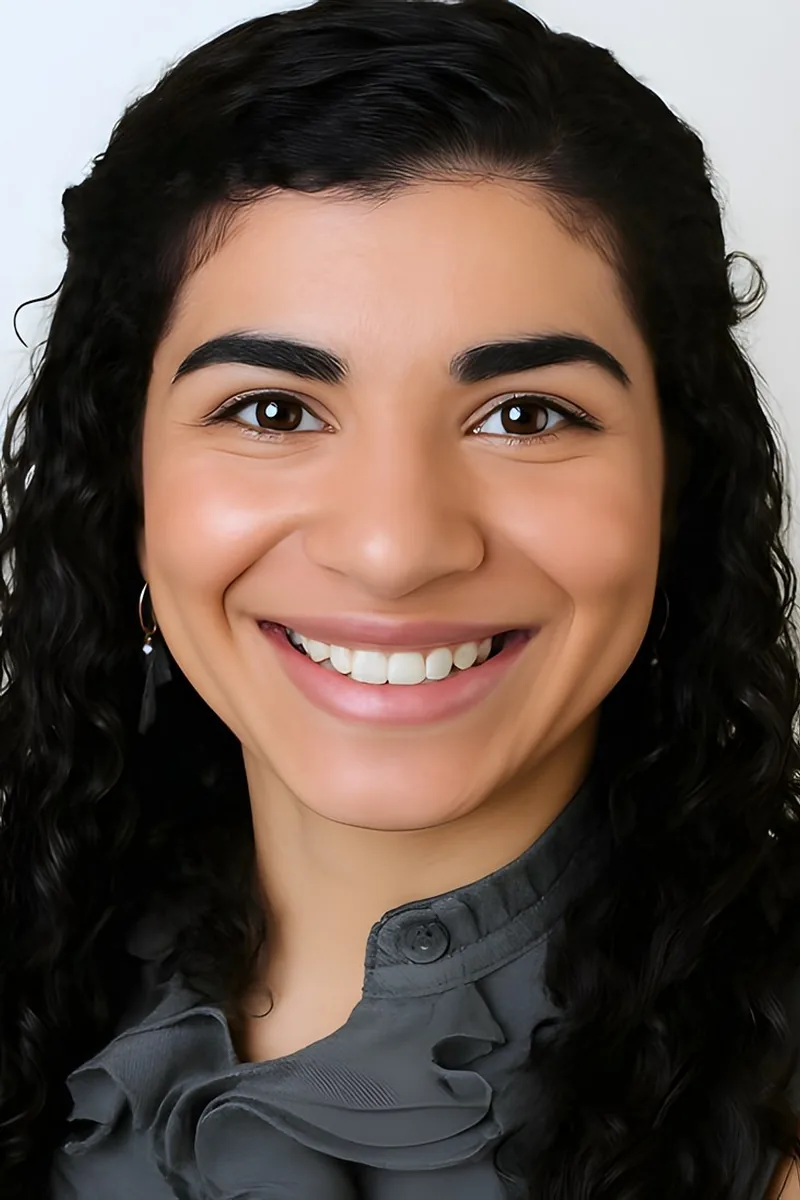
Early reading skills like phonics and decoding are important, but so is the moment a child starts making predictions about a story or asking why a character did something. Paula builds both sides — the mechanical fluency and the comprehension habits — so young readers don't just sound out words but actually engage with what they're reading.
Learning to read confidently — decoding new words, making predictions, and retelling a story in sequence — takes patience and the right kind of encouragement. Anna breaks reading into manageable steps, connecting phonics patterns to real stories so young readers build momentum instead of frustration. Rated 5.0 by students and families.
Phonics, sight words, and fluency are the building blocks, but Michelle also emphasizes comprehension from the very beginning — asking young readers to predict, retell, and connect stories to their own experiences. Her dual background in journalism and Africana Studies means she draws on a wide range of culturally diverse texts to keep kids engaged and curious.
Early reading clicks when a child connects decoding skills to actual meaning — sounding out words matters, but so does understanding what a sentence is saying. Julia's mentoring work with elementary students gave her practice making that bridge, using context clues, picture cues, and guided questions to build both fluency and comprehension at the same time. She's patient and adaptive, adjusting her approach based on what each reader needs.
Through her nonprofit work educating families in Ecuador, Vanessa has seen firsthand how foundational early reading skills shape everything that comes after. She builds young readers' confidence by connecting phonics, vocabulary, and comprehension to stories that genuinely interest them — turning reading from a chore into something a child wants to do on their own.
Early reading confidence often comes down to one thing: whether a child feels safe stumbling through a tricky passage out loud. Solange pairs phonics and vocabulary work with stories that actually interest kids, turning decoding practice into something closer to a conversation than a drill. Her background as an avid reader and writer gives her a deep library of texts to pull from at every level.
Amanda's psychology background gives her real insight into how young readers develop skills like phonics, fluency, and comprehension at different stages. She tailors reading sessions to each child's level, whether that means sounding out new vocabulary or discussing what a character's choices reveal about the story. Her patience and enthusiasm for books make early reading feel like an adventure rather than a chore.
Getting young readers excited about books is half the battle — the other half is building real skills like decoding unfamiliar words, making predictions, and retelling a story in their own words. Noel is an avid reader himself and brings that genuine enthusiasm to every session, turning reading practice into something kids actually look forward to.
Early reading is all about building momentum: phonics, sight words, and fluency practice that gradually turns halting word-by-word reading into something that flows. Amy keeps sessions interactive with read-alouds, prediction games, and vocabulary activities that make new words stick. Her genuine enthusiasm for books is contagious, which matters enormously when a young reader is still deciding whether reading is fun or frustrating.
For early readers, the difference between frustration and excitement often comes down to finding the right book at the right level. Maya builds phonics, sight-word recognition, and basic comprehension skills through stories that match each child's interests, keeping motivation high. Her experience with differently-abled learners means she adapts pacing and techniques to fit how each student actually processes language.
Early reading is about more than sounding out words — it's learning to visualize a story, predict what comes next, and connect what's on the page to what a child already knows. Mahalia's background in social work and youth programming gives her a sharp sense of how to build the kind of trust that makes a reluctant reader willing to try. She tailors her approach to each student's reading level, whether they're working on fluency or tackling their first chapter books.
Testimonials
Because the right Elementary School Reading tutor makes all the difference.
Average Session Rating – Based on 3.4M Learner Ratings
Nearby Elementary School Reading Tutors
Other Little Rock Tutors
Related English Tutors in Little Rock
Frequently Asked Questions
Elementary readers often struggle with phonics foundations, fluency, and comprehension—especially when moving from learning to read to reading to learn around 3rd grade. Many students in Little Rock's 110 schools also face challenges with vocabulary development and connecting what they read to prior knowledge. Personalized tutoring can target these specific gaps with strategies tailored to each student's learning style and pace.
In a classroom with an average student-teacher ratio of 14.9:1, teachers can't always address individual reading levels or pacing needs. Tutors connect with students through Varsity Tutors to provide one-on-one instruction that focuses on the student's specific challenges—whether that's decoding, fluency, or comprehension—and adjusts in real-time based on what's working. This personalized approach helps students build confidence and accelerate progress faster than group settings allow.
During an initial session, a tutor will assess your child's current reading level, identify strengths and areas for growth, and learn about their interests and learning preferences. This helps establish a foundation for personalized instruction and allows the tutor to create a plan aligned with your child's goals and your family's needs. The tutor will also explain their approach and answer any questions you have about the tutoring process.
Effective tutors use research-backed strategies like guided reading, think-aloud modeling, questioning techniques, and text annotation to help students understand what they read. They also teach students to preview texts, make predictions, and connect new information to what they already know. These strategies are practiced repeatedly across different texts and contexts, which strengthens comprehension skills over time.
Early elementary (K-2) focuses on phonics, letter recognition, and foundational fluency skills, while upper elementary (3-5) emphasizes comprehension, vocabulary, and reading stamina with longer, more complex texts. Tutors adjust their instruction based on where your child is developmentally and academically, using appropriate texts and strategies for their grade level. This ensures students build strong foundations while staying engaged with age-appropriate content.
Tutors often recommend simple practices like reading aloud together daily, asking comprehension questions about stories, visiting the library, and creating a print-rich home environment. Your tutor will share specific strategies and book recommendations tailored to your child's interests and level, making it easy to reinforce learning at home. Regular communication between you, your child, and their tutor helps ensure consistent progress.
Many students show noticeable progress in fluency and confidence within 4-6 weeks of consistent tutoring, though comprehension and vocabulary growth often develop over a longer timeline. The pace depends on your child's starting point, frequency of sessions, and how much they practice between lessons. Your tutor will track progress regularly and adjust the approach as needed to keep your child moving forward.
Look for tutors with experience teaching elementary reading, familiarity with phonics and comprehension instruction, and a track record of helping students at your child's level. Many expert tutors have education backgrounds, certification in reading instruction, or years of classroom experience. When you connect with Varsity Tutors, we match you with qualified professionals who understand elementary reading development and can explain their approach clearly.
Let’s find your perfect tutor
Answer a few quick questions. We’ll recommend the right plan and match you with a top 5% tutor.