Award-Winning Organic Chemistry Tutors
serving Little Rock, AR
Organic Chemistry
Tutors in Little Rock
Private 1-on-1 tutoring, weekly live classes for academic support, test prep & enrichment, practice tests and diagnostics, and more to elevate grades and test scores.
Based on 3.4M Learner Ratings
UniversitiesSchools & Universities
DeliveredHours Delivered
ProficiencyGrowth in Proficiency
Who needs tutoring?
No obligation. Takes ~1 minute.
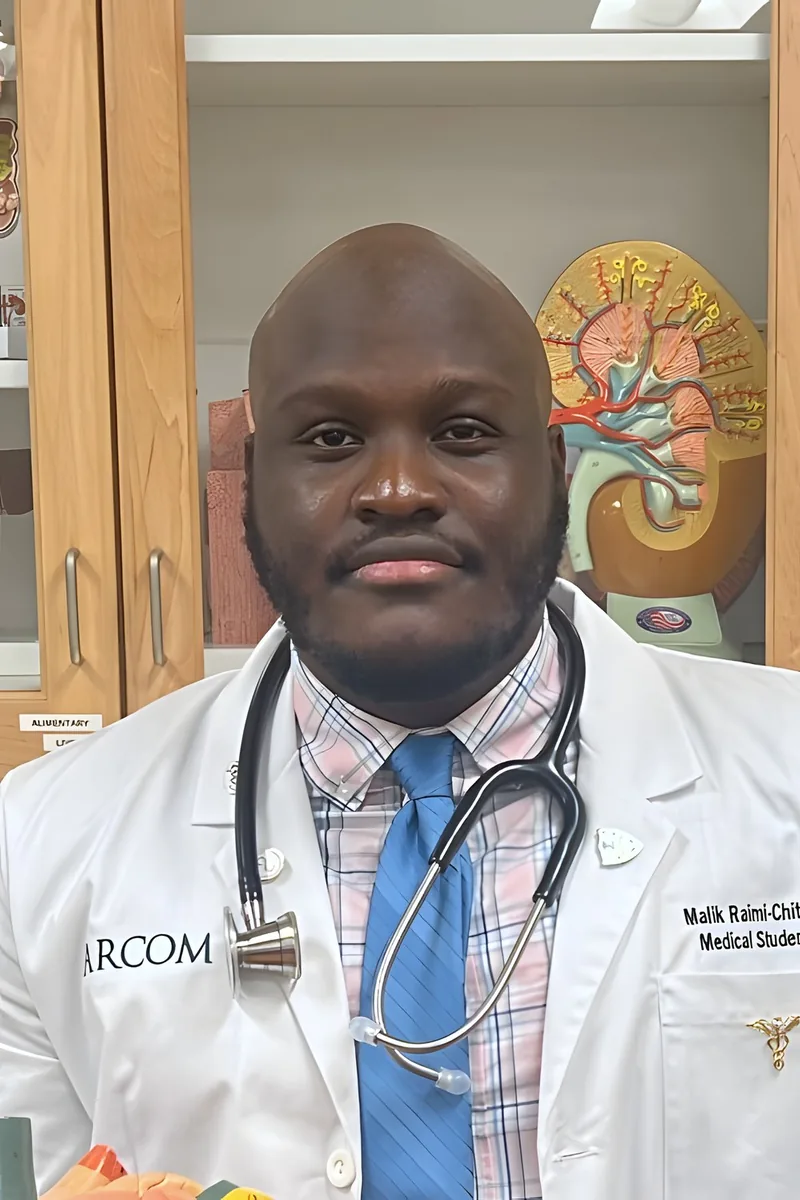
As a second-year medical student with a strong foundation in science and a passion for education, I specialize in making tough subjects easier to understand. I excel in math, biology, physics, and other challenging topics that often intimidate students and I genuinely enjoy helping others master them. My approach combines patience, clarity, and high-level understanding to break down complex ideas into manageable, confidence-boosting lessons. Whether it's reviewing homework or prepping for exams, I'm here to support and motivate students at any level below mine to reach their full academic potential. My interests include: Weightlifting and fitness training (especially strength and hypertrophy programs) Morning cardio and physical conditioning Studying medicine with a focus on anatomy, physiology, and clinical problem-solving Teaching and tutoring tough academic subjects like math, biology, and physics Watching anime as a way to relax and recharge (especially after a long day) Cooking (with a focus on high-protein, keto/carnivore meals)
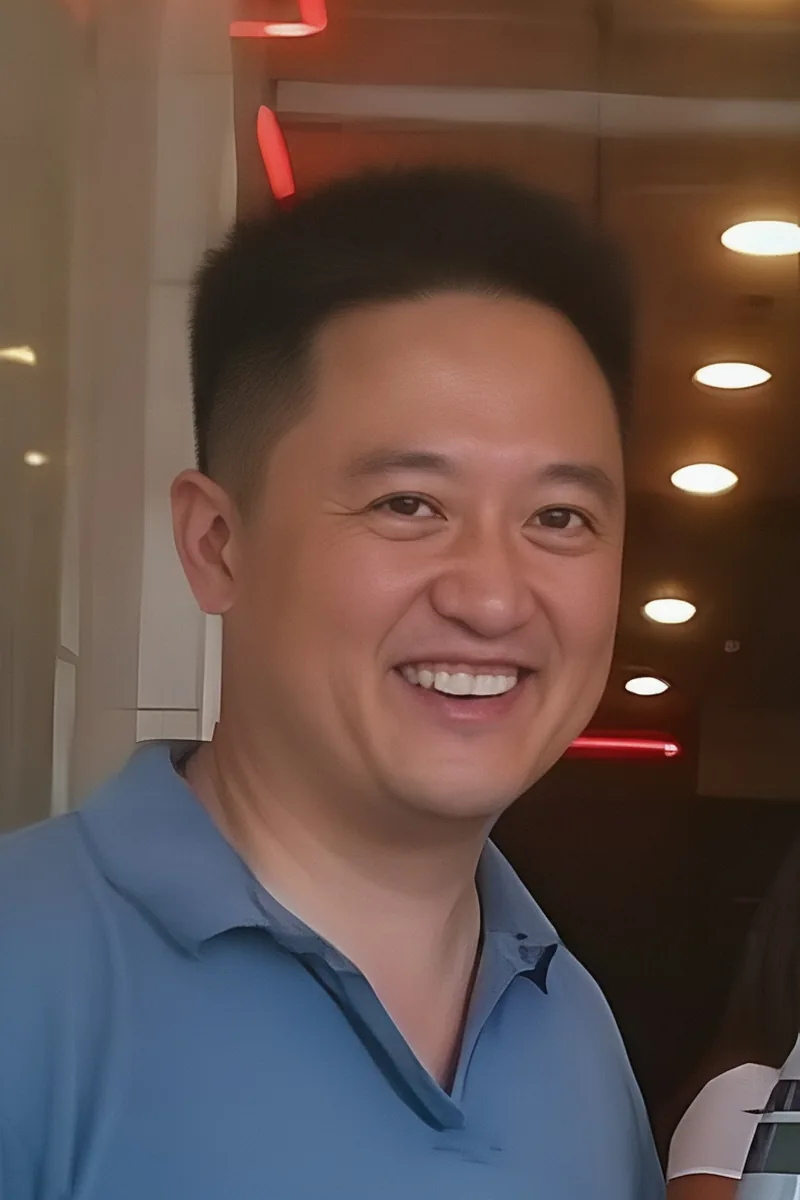
Reaction mechanisms in organic chemistry are essentially molecular storytelling — electron pairs move, bonds break and form, and stereochemistry shifts in predictable ways. Andrew's molecular biology training required deep fluency with organic reactions at the biomolecular level, so he teaches arrow-pushing and functional group transformations as logical sequences rather than steps to memorize.
Most students dread organic chemistry because it feels like a new language, but the logic underneath reaction mechanisms is surprisingly consistent once someone lays it out clearly. Ade approaches each reaction type — substitution, elimination, addition — by teaching students to read electron movement and predict products rather than memorize hundreds of individual reactions.
Reaction mechanisms are the backbone of organic chemistry, and spotting nucleophilic attacks or predicting stereochemical outcomes requires genuine pattern recognition, not rote memorization. Lauren's chemistry minor at Duke and her hands-on lab research give her a practical fluency with functional group reactivity that she translates into clear, step-by-step reasoning for each mechanism type.
Jonathan's human biology degree and pre-med track at Cornell meant organic chemistry wasn't just a prerequisite — it was the course that connected molecular structure to everything he'd later study in physiology and biochemistry. He tackles synthesis problems and spectroscopy interpretation by linking functional group behavior back to biological relevance, which gives students a reason to care about each mechanism. Rated 4.9 by students.
Having completed both semesters of organic chemistry at the University of Michigan — on top of AP Chemistry before that — Ajay knows exactly where students get stuck, whether it's arrow-pushing in reaction mechanisms or keeping substitution and elimination pathways straight. He teaches students to recognize electron behavior patterns so new reactions feel predictable instead of random.
Reaction mechanisms are the language of organic chemistry, and Casey reads them fluently after years of bioengineering coursework that demanded constant fluency in electron-pushing, stereochemistry, and functional group transformations. She teaches students to recognize patterns across reaction types — why nucleophilic additions behave the way they do, how leaving groups dictate substitution vs. elimination — so each new chapter feels like a variation on something familiar rather than a fresh nightmare.
Between his biochemistry degree and his current pharmacy doctoral work at VCU, Joel has run through organic chemistry from both the academic and applied sides — understanding how functional group reactivity and stereochemistry translate into real drug design and pharmacological mechanisms. He's also taught university chemistry courses as adjunct faculty, so he knows how to break down multi-step synthesis problems and spectroscopy interpretation at the pace a student actually needs. Rated 5.0 by students.
Penn's pre-health track put Brittany through rigorous chemistry coursework alongside her psychology degree, and she spent her undergraduate years tutoring General Chemistry I and II at the university's Tutoring Center — building the kind of fluency with reaction fundamentals that carries directly into organic mechanisms. She approaches topics like nucleophilic substitution and carbonyl reactivity by connecting them back to the foundational principles of electron behavior and molecular structure, making each new reaction type feel like an extension of something students already know.
Reaction mechanisms are the language of organic chemistry, and Amin earned an entire master's degree becoming fluent in them. He teaches students to read electron flow the way you'd read a sentence — identifying nucleophiles, leaving groups, and stereoelectronic effects so that predicting products becomes a reasoning exercise, not a memorization marathon. Rated 4.5 by students.
Biochemistry majors don't just pass organic chemistry — they keep using it, which means Addison is building on reaction mechanisms and functional group behavior in courses well beyond the introductory sequence at Rice. That ongoing exposure to carbonyl chemistry, stereochemistry, and arrow-pushing in biological contexts gives her a practical fluency that makes tutoring sessions feel less like reviewing old notes and more like working through the material with someone who still thinks in it daily.
Reaction mechanisms are the language of organic chemistry, and Jhonatan treats them that way — teaching students to read electron flow through arrow-pushing until substitution, elimination, and addition reactions feel like variations on a theme rather than isolated procedures to memorize. His biochemistry expertise is especially useful when carbonyl chemistry and amino acid reactivity come into play. He holds a 5.0 client rating.
Reaction mechanisms, stereochemistry, and functional group transformations all require a kind of visual logic that's unlike anything in general chemistry. Greg's chemical engineering background at Vanderbilt gave him deep exposure to organic reaction pathways, and he teaches students to trace electron movement step by step so they can predict products instead of relying on memorization.
Testimonials
Because the right Organic Chemistry tutor makes all the difference.
Average Session Rating – Based on 3.4M Learner Ratings
Practice Organic Chemistry
Free practice tests, flashcards, and AI tutoring for Organic Chemistry
Nearby Organic Chemistry Tutors
Other Little Rock Tutors
Related Science Tutors in Little Rock
Frequently Asked Questions
Organic chemistry requires both memorization and deep conceptual understanding—you need to know reaction mechanisms AND visualize how molecules interact in 3D space. Many students excel at memorizing structures but struggle to apply those concepts to new problems, which is where personalized 1-on-1 instruction makes a real difference. A tutor can help you move beyond memorization to develop the problem-solving skills that make organic chemistry click.
Your tutor will start by understanding your current level, identifying specific topics that are giving you trouble (whether it's mechanisms, nomenclature, or synthesis), and learning your preferred learning style. They'll then create a personalized plan that targets your weak spots while building on your strengths. Most students find that even the first session provides clarity on concepts that seemed impossible before.
Reaction mechanisms are visual and logical—they're not just something to memorize. Expert tutors use drawing, step-by-step walkthroughs, and real examples to help you see how electrons move and why reactions happen the way they do. Once you understand the "why" behind a mechanism, you can apply that logic to new reactions you've never seen before, which is exactly what exams test.
Absolutely. Lab work is where organic chemistry becomes real—you're actually performing the reactions you study in lecture. Tutors can help you understand the theory behind your experiments, predict outcomes, and troubleshoot when things don't go as planned. This bridges the gap between abstract concepts and hands-on application, making both your lab reports and exam performance stronger.
Synthesis problems require you to think backwards—starting with a target molecule and figuring out which reactions to use and in what order. Tutors teach you a systematic approach: identifying functional groups, planning your route, and checking for potential problems. With guided practice and feedback, you'll develop the strategic thinking that turns synthesis from intimidating to manageable.
Yes—this is one of the most common challenges in organic chemistry, and it's very learnable. Tutors use models, drawings, and interactive techniques to help you build spatial reasoning skills. Over time, you'll develop the ability to mentally rotate molecules and predict stereochemistry, which is essential for understanding reactivity and selectivity.
Ideally, start 4-6 weeks before your exam to allow time for building understanding and practicing problems. However, even 2-3 weeks of focused tutoring can significantly improve your performance if you're willing to put in the work. The key is consistent practice with feedback—your tutor will identify gaps and help you fill them before test day.
Look for tutors with strong chemistry backgrounds—ideally a degree in chemistry or a related field, plus experience teaching or tutoring organic chemistry specifically. Beyond credentials, the best tutors can explain complex concepts clearly, adapt to your learning style, and help you build problem-solving skills rather than just giving you answers. Varsity Tutors connects you with expert tutors who meet these standards and can work with your schedule.
Let’s find your perfect tutor
Answer a few quick questions. We’ll recommend the right plan and match you with a top 5% tutor.