Award-Winning Microbiology Tutors
serving Phoenix, AZ
Microbiology
Tutors in Phoenix
Private 1-on-1 tutoring, weekly live classes for academic support, test prep & enrichment, practice tests and diagnostics, and more to elevate grades and test scores.
Based on 3.4M Learner Ratings
UniversitiesSchools & Universities
DeliveredHours Delivered
ProficiencyGrowth in Proficiency
Who needs tutoring?
No obligation. Takes ~1 minute.
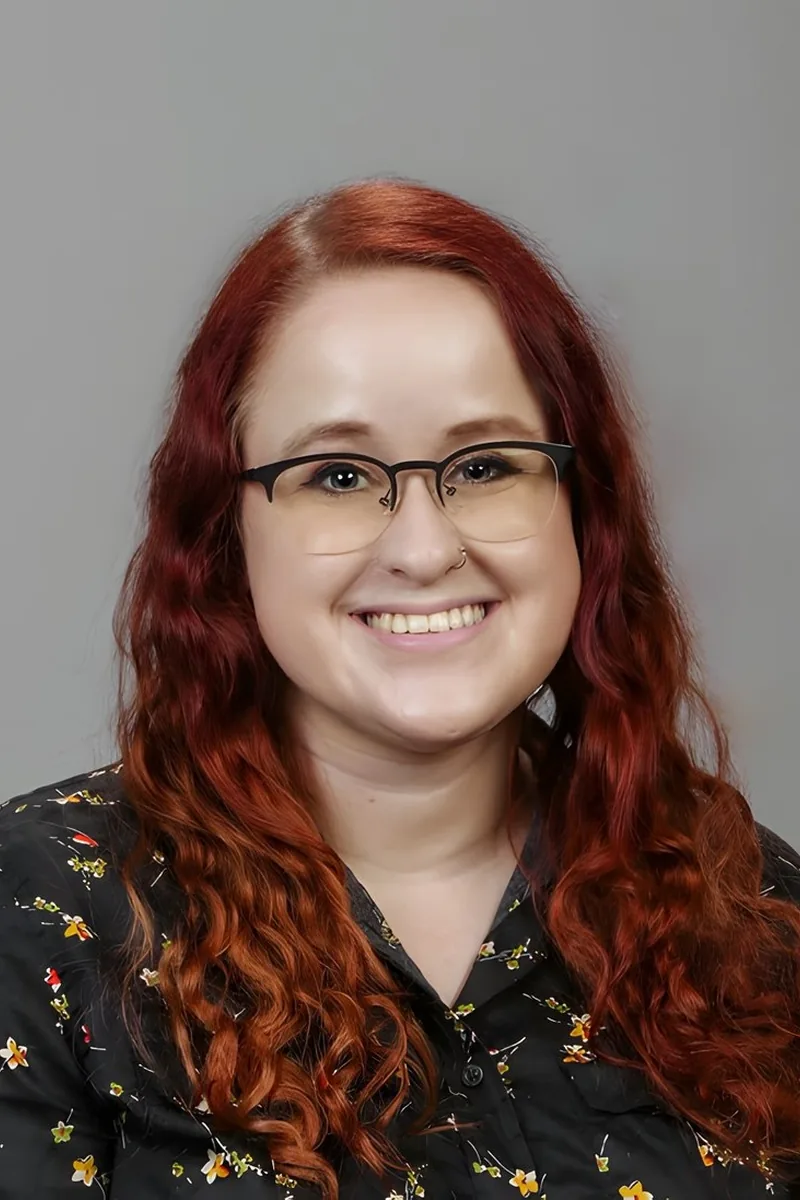
As a third-year D.O. student, Claire encounters microbiology in a clinical context every day — identifying pathogens, understanding antibiotic resistance mechanisms, and connecting bacterial virulence factors to patient symptoms. She teaches micro by organizing organisms around the patterns that actually matter for exams: gram stain characteristics, toxin types, and transmission routes. Rated 5.0 by her students.
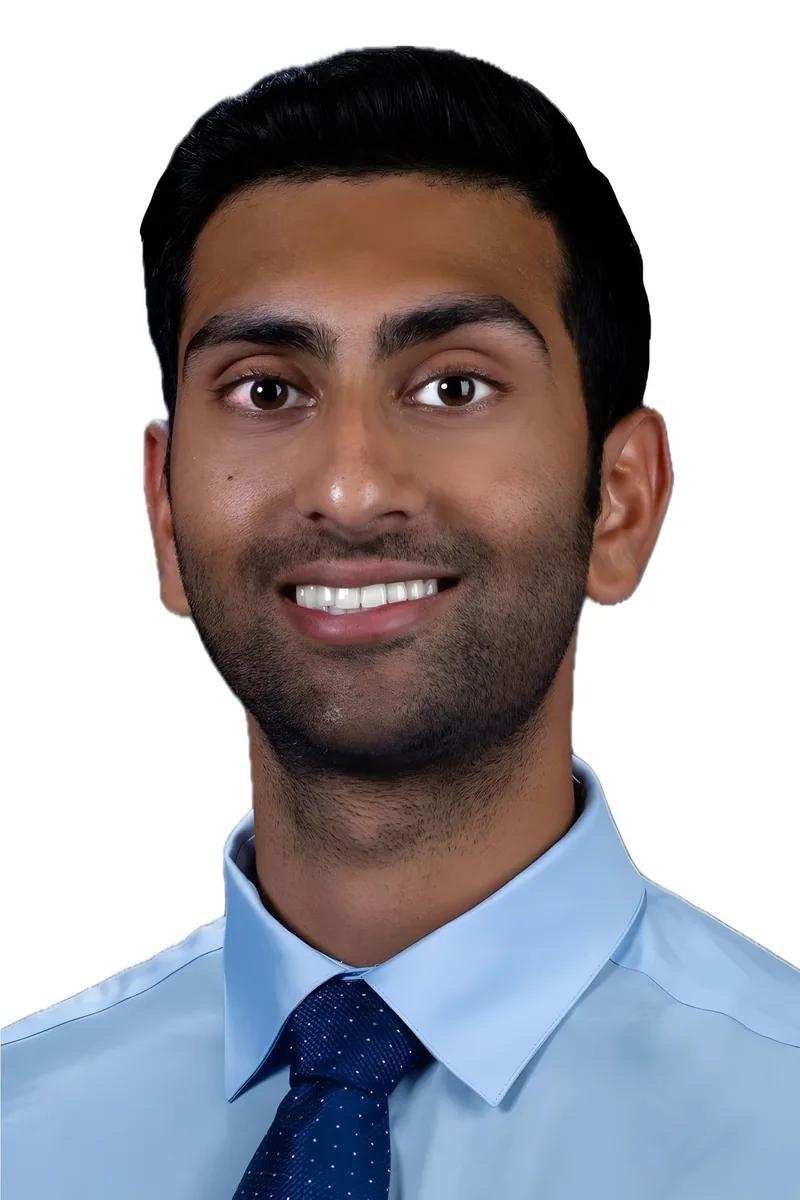
I am a fourth-year medical student at a U.S. MD program with plans to pursue a career in cardiology. I am passionate about working with learners and helping them reach their academic goals. My strengths include standardized test preparation for the ACT, MCAT, and USMLE Step 1 and Step 2, as well as core subjects such as medicine, anatomy, physiology, pharmacology, biology, chemistry, biochemistry, physics, psychology, etc. In addition, I have extensive experience helping students craft compelling essays for college and medical school applications. I look forward to supporting you in achieving your next academic milestone!
Daniel earned his bachelor's degree in microbiology before completing dental school, giving him deep familiarity with bacterial morphology, metabolic pathways, and host-pathogen interactions. He approaches topics like gram staining protocols and viral replication cycles with the kind of specificity that turns a dense subject into something students can reason through rather than just memorize.
Studying both anthropology and biology gave Amanda an unusual lens on microbiology — she understands microorganisms not just as cellular machines but as agents that shaped human evolution, migration, and disease ecology across populations. That dual training, plus her physiology and anatomy teaching, means she can trace how pathogens interact with host systems at the tissue level while connecting microbial concepts like virulence and transmission to the bigger biological picture. Rated 4.9 by students.
An applied mathematics degree heavy on physics might not scream microbiology, but Madeleine's broad science coursework — spanning chemistry, biology, nutrition, and anatomy — means she's tackled the cellular and metabolic concepts that make microbial processes make sense. She's especially sharp at breaking down quantitative aspects like bacterial growth curves and population dynamics, where her math training turns intimidating data into clear, logical patterns. Rated 5.0 by students.
Paul's biology degree gives him the cellular and molecular groundwork to break down microbiology's trickiest material — from endospore formation and metabolic diversity in prokaryotes to the mechanisms behind biofilm development. He also teaches organic chemistry, which means he can trace antimicrobial action and resistance at the chemical level when students need that deeper explanation. Rated 5.0 by students.
Gram stains, bacterial metabolic pathways, and viral replication cycles all require a kind of systematic memorization that falls apart without conceptual scaffolding. Anni's graduate work in biomedical sciences at UMDNJ gave her direct experience with microbial concepts, and she teaches them by linking each organism's structure to its clinical significance.
Environmental science and public policy might seem distant from microbiology, but Ethan's coursework in biology, chemistry, and ecology covered the microbial ecology and nutrient cycling that underpin environmental systems — how soil bacteria drive nitrogen fixation, how waterborne pathogens behave in different conditions, and why microbial communities matter for public health policy. That environmental angle gives him a unique way of explaining concepts like bacterial metabolism and population dynamics, grounding abstract processes in real-world ecological contexts. Holds a 5.0 rating.
Garrett's biology degree paired with his coursework in physiology and anatomy means he understands microorganisms in the context of the systems they infect — not as isolated names on a flashcard. He walks through topics like microbial cell structure, pathogen life cycles, and immune evasion strategies by anchoring each organism to the tissue-level damage it actually causes, which turns a massive taxonomy into something students can reason through.
Bioengineering trains you to think about microorganisms as systems — how bacterial metabolism, gene regulation, and surface interactions can be modeled, measured, and manipulated. Casey applies that engineering mindset to microbiology topics like growth kinetics and sterilization techniques, breaking down each process into the quantitative and biological components that actually explain it. Her parallel background in physiology and organic chemistry lets her trace microbial behavior from the molecular scale up to host-level effects.
Understanding bacterial metabolism, viral replication cycles, and immune response pathways requires more than memorizing diagrams — it requires seeing how microorganisms interact with living systems. Li's training in both speech-and-hearing science and medicine gives her a clinical lens that makes microbiology concepts feel relevant and interconnected.
Bacterial genetics, microbial metabolism, and pathogenesis mechanisms can feel like an overwhelming amount of detail to absorb at once. Akarsh earned both his bachelor's and master's degrees in cellular and molecular biology, so he unpacks microbiology at the molecular level — connecting gene regulation to virulence factors and metabolic pathways in ways that make the material stick.
Medical school builds microbiology into nearly every clinical rotation — Robin's training means she's traced how specific pathogens cause disease, how immune responses escalate, and why certain antibiotics target one organism but not another. That clinical context turns dense material like Gram classifications and virulence mechanisms into something students can reason through, because each organism connects to a real disease process. Rated 5.0 by students.
Studying both Biology and Political Science at the college level, Andrea is immersed in microbiology coursework — from bacterial cell structure and metabolic pathways to viral replication cycles. She unpacks dense material by tying molecular-level processes to bigger-picture concepts like immune response and antibiotic resistance, which makes the details easier to retain.
Between his biochemistry degree from Rice and his medical school training, Sanjay has spent years immersed in the microbial world — bacterial cell structure, pathogenic mechanisms, antimicrobial resistance, and the metabolic pathways that distinguish different organisms. He connects microbiology concepts to clinical scenarios, which makes memorizing genera, gram stain results, and virulence factors far more intuitive.
Her global health minor at Cornell meant Emily spent real time studying how pathogens spread, how immune responses work, and why microbial ecology matters beyond the lab. She digs into topics like bacterial cell structure, viral replication cycles, and antimicrobial resistance with the kind of context that makes memorization-heavy material more intuitive.
I'm a current medical student at VCU School of Medicine, and a graduate of Johns Hopkins University. I received my Bachelor of Science in Molecular and Cellular Biology. I've had the pleasure of tutoring a diverse range of students for 5 years; while I tutor a broad set of subjects, I'm most passionate about biology, psychology, and chemistry. I'm a big proponent of ensuring understanding over memorization and teaching concepts that last for years to come (particularly for other students interested in medicine!) In my free time, I love to write poetry, edit essays, and gush about game writing with friends.
This is Brian's home turf. As a PhD microbiologist and associate professor of the subject at Collin County Community College, he unpacks everything from bacterial gene expression and metabolic pathways to virology and immunological responses with the specificity that upper-level coursework demands. Students get someone who reads the primary literature daily and can translate it into clear, testable understanding.
Testimonials
Because the right Microbiology tutor makes all the difference.
Average Session Rating – Based on 3.4M Learner Ratings
Other Phoenix Tutors
Related Science Tutors in Phoenix
Frequently Asked Questions
Microbiology tutors work with students across the full spectrum of coursework, including bacterial structure and physiology, viral replication cycles, fungal and protist biology, immunology fundamentals, and applied microbiology in healthcare and food safety. Whether you're studying prokaryotic vs. eukaryotic cells, metabolic pathways, or antimicrobial resistance, tutors can break down both the foundational concepts and the real-world applications that make microbiology relevant to medicine, environmental science, and biotechnology.
Many microbiology students struggle with visualizing structures they can't see with the naked eye—from bacterial flagella to viral envelopes to the intricate steps of cell division. Tutors use diagrams, 3D models, animations, and real microscopy images to make abstract concepts concrete. They also help you develop mental models by connecting what you see under a microscope to the concepts in your textbook, so the structures become meaningful rather than just memorized shapes.
Yes. Tutors help bridge the gap between lecture content and lab experience by explaining the "why" behind experimental protocols, helping you interpret results, and connecting observations to underlying microbial behavior. Whether you're preparing for a staining procedure, troubleshooting culture growth, or understanding why an antibiotic sensitivity test shows certain zones of inhibition, tutors can strengthen both your hands-on technique and your conceptual understanding of what's happening at the microbial level.
Microbiology has a lot of terminology, but effective tutoring focuses on understanding the underlying logic rather than rote memorization. Tutors help you see patterns—like how gram-positive and gram-negative bacteria differ structurally and why that matters clinically, or how viral structure determines transmission routes. When you understand the "why" behind characteristics, retention improves naturally, and you can apply that knowledge to new organisms and scenarios on exams and in real-world contexts.
Varsity Tutors connects you with tutors who have strong backgrounds in microbiology and understand both college and high school curricula in the Phoenix area. When you reach out, you can specify your course level, the topics you're focusing on, and whether you need help with lecture content, lab preparation, or exam review. Tutors are matched based on their expertise and teaching approach, so you get personalized instruction tailored to your specific microbiology needs.
Effective exam prep involves moving beyond content review to building confidence in applying concepts. Tutors help by identifying which topics give you the most trouble, working through practice problems and past exams, and teaching you how to approach different question types—whether that's identifying an unknown organism, explaining a disease mechanism, or interpreting experimental data. Strategic practice testing combined with targeted concept review helps solidify understanding weeks before the exam, not just the night before.
Yes. Beyond introductory microbiology, tutors work with students on advanced topics including molecular techniques (PCR, sequencing, genomics), pathogenic mechanisms, epidemiology, and clinical microbiology applications. These topics require both deep content knowledge and the ability to think critically about how microorganisms interact with hosts and environments. Tutors help you move from understanding individual concepts to integrating them into a comprehensive understanding of how microbiology applies to real-world problems in medicine and research.
Let’s find your perfect tutor
Answer a few quick questions. We’ll recommend the right plan and match you with a top 5% tutor.