Award-Winning Elementary School Reading Tutors
serving Phoenix, AZ
Elementary School Reading
Tutors in Phoenix
Private 1-on-1 tutoring, weekly live classes for academic support, test prep & enrichment, practice tests and diagnostics, and more to elevate grades and test scores.
Based on 3.4M Learner Ratings
UniversitiesSchools & Universities
DeliveredHours Delivered
ProficiencyGrowth in Proficiency
Who needs tutoring?
No obligation. Takes ~1 minute.
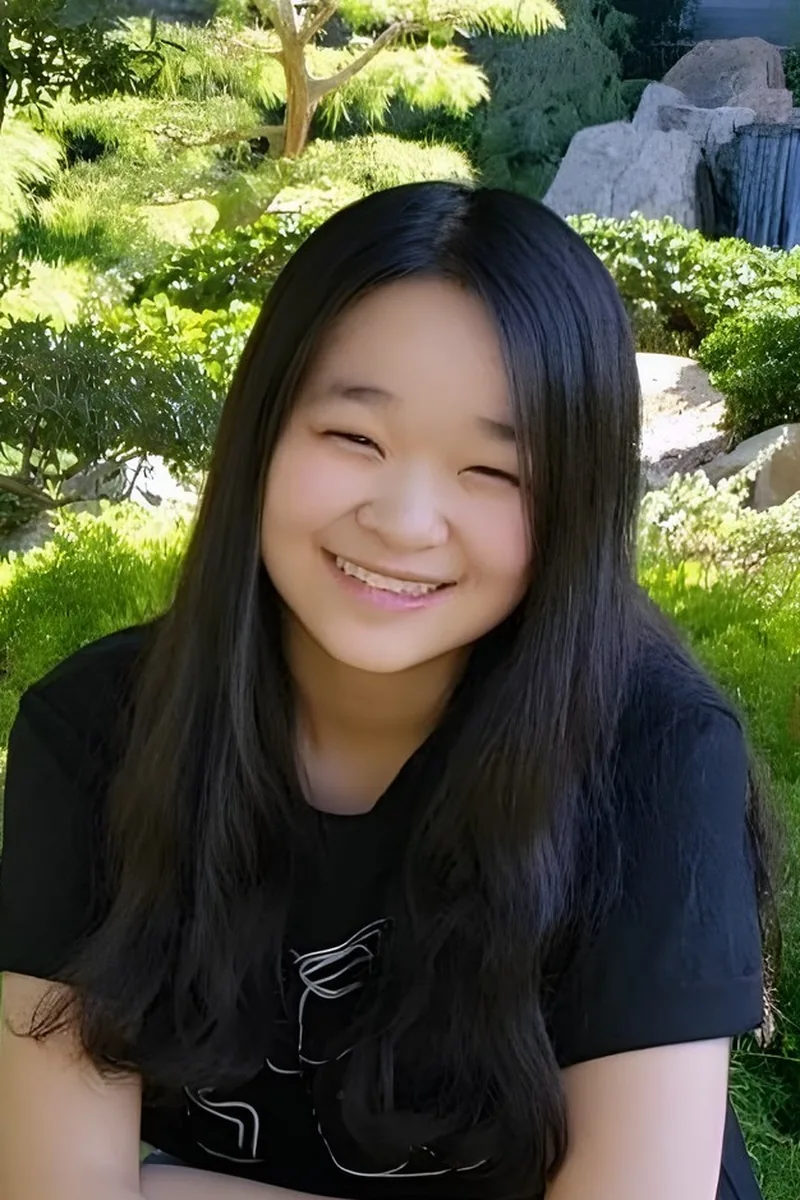
Getting a young child excited about reading is half the battle — the other half is building the phonics, fluency, and vocabulary skills that let them read independently. Megan taught pre-K through elementary students at a Kumon Reading Center for three years, walking kids through everything from letter recognition to early chapter books. She pairs structured skill-building with genuine enthusiasm for stories.

Early reading skills like phonics, sight words, and basic fluency set the trajectory for everything that comes later in school. Jeff adapts his teaching style to each child's pace and interests, using engaging texts and targeted practice to make reading feel like discovery rather than a chore.
Early readers often struggle not with the words themselves but with connecting what they decode to meaning — following a character's actions across pages, retelling a story in sequence, or making simple predictions. Maurice's special education background gives him a toolkit of multisensory strategies for building those comprehension bridges, especially for kids who need more than "just read it again."
Before a child can love reading, they need to feel confident doing it — decoding unfamiliar words, tracking characters, and making sense of what a paragraph is actually saying. Mladen tackles these foundational skills one at a time, using high-interest stories to keep younger readers motivated. His psychology degree informs how he adapts pacing and encouragement to each child's reading level.
Early reading skills like phonics, sight-word recognition, and fluency need consistent, patient reinforcement. Troy uses a structured approach that builds from letter sounds to full sentences, adjusting the pace based on each child's progress. He started tutoring friends and family before going professional at Rice University, so working one-on-one with younger learners comes naturally to him.
Early reading confidence comes from decoding strategies that actually stick — sounding out unfamiliar words, using context clues, and retelling what just happened on the page. Annelisa brings a creative, encouraging approach to these fundamentals, drawing on her background in art and writing to keep young readers engaged with the material rather than frustrated by it.
As a teaching assistant for a Socratic-seminar course at Barrett Honors College, Madeleine spent semesters breaking down texts with students and building the kind of close-reading habits that start in elementary school — identifying main ideas, making predictions, and connecting stories to real life. She makes reading feel like a conversation, not a chore. Rated 5.0 by families she's worked with.
Phonics, sight words, fluency, comprehension — elementary reading involves a surprisingly complex set of interlocking skills. Janna's PhD work in developmental psychology keeps her grounded in the science of how young children actually learn to decode and make meaning from text. She's also spent years working directly with kids ages 2 through elementary school, so she knows how to keep a lesson engaging when attention spans are short.
Years of experience working with elementary-age kids taught Alexa how to make early reading feel like play rather than pressure. She builds phonics, sight-word recognition, and basic comprehension skills through interactive exercises tailored to each child's pace and interests — whether that's dinosaurs, space, or fairy tales.
Early reading confidence changes everything about how a child experiences school. Audrey zeroes in on the specific skill a student needs next — whether that's phonics patterns, sight word fluency, or retelling a story in their own words — and builds from there. Her 5.0 rating speaks to how well she connects with younger learners.
Teaching a child to decode words is one thing; teaching them to understand what they've read is another challenge entirely. Julia's phonics background and her hands-on classroom experience with elementary students mean she can pinpoint whether a reader is struggling with fluency, vocabulary, or comprehension — and address the actual gap.
Building fluency and comprehension at the elementary level is all about making reading feel rewarding rather than frustrating. Lauren uses a mix of read-aloud strategies, context clue practice, and story-mapping techniques to strengthen both decoding and understanding. She creates a low-pressure space where young readers feel comfortable sounding out unfamiliar words and asking questions.
Phonics, sight words, and early chapter books each demand a different kind of support, and Jessy tailors her approach to wherever a young reader currently is in that progression. Her background in both science and the arts means she pulls from a wide range of texts to find what actually sparks a child's curiosity — which is usually what gets reading to click.
Sherry is pursuing a master's in speech-language pathology at Columbia's Teachers College, which means she understands the cognitive mechanics behind how young readers decode words, build fluency, and develop comprehension. She teaches phonics patterns, sight-word recognition, and read-aloud strategies tailored to each child's reading level. Her 5.0 rating speaks to how well she connects with elementary-age learners.
Kyle approaches elementary reading by connecting books to the things kids already care about — sports, adventure, humor — so that turning pages feels like a choice, not a chore. He zeroes in on specific skills like identifying main ideas, making predictions, and building vocabulary through context clues. Years of working with kids as a coach and counselor give him a natural rapport with younger learners.
Early reading clicks when phonics, vocabulary, and comprehension work together instead of feeling like separate worksheets. Charles connects decoding skills to meaning-making from the start, so students aren't just sounding out words — they're understanding stories. He keeps sessions engaging enough that kids forget they're practicing.
Rachel spent years as a classroom teacher and a volunteer educator at national parks, where she learned to make stories come alive for young audiences. She applies that same energy to elementary reading, building skills like phonics, sight-word recognition, and basic comprehension by connecting texts to things kids already care about in the world around them.
Early reading confidence comes from connecting sounds to meaning, not just sounding out words in isolation. Emma's education coursework at Cornell introduced her to developmental reading theory, and her experience creating age-appropriate curricula for young learners means she knows how to match a book's difficulty to where a child actually is. Her 5.0 rating speaks to how well she keeps younger students engaged and moving forward.
Reading intervention has been a core part of Molly's classroom work across 2nd, 3rd, and 4th grade, so she's fluent in phonics-based decoding, sight word fluency, and comprehension strategies like predicting and retelling. She pulls from multiple curricula to match the approach that clicks for each reader rather than defaulting to one program.
Early reading clicks when a child connects decoding skills to actual meaning — sounding out a word and then understanding what it contributes to the story. Aditi has tutored elementary students in English and approaches reading through a mix of phonics reinforcement, sight word practice, and guided questions that build genuine comprehension rather than just fluency on the page.
Early reading is all about decoding — blending sounds, recognizing sight words, and building the fluency that lets a child actually enjoy a story instead of struggling through every line. Heather began tutoring elementary students while still in high school and has a natural patience with kids who lose confidence quickly. Her psychology background also means she picks up on when a child is shutting down and knows how to redirect before frustration takes over.
Learning to read confidently means more than sounding out words — it's building the comprehension skills to retell a story, identify a main idea, and make predictions about what comes next. Natalie spent years tutoring young readers in West Philadelphia, where she developed a patient, encouraging approach to phonics, fluency, and vocabulary that keeps kids engaged rather than frustrated.
Early reading clicks when a child can connect what's on the page to what they already know. Daniel builds that bridge by teaching phonics patterns alongside comprehension strategies like predicting and retelling, keeping sessions interactive enough that younger readers stay engaged rather than frustrated.
Three years of elementary classroom teaching taught Arielle exactly where young readers stall — whether it's fluency, vocabulary, or comprehension of what they just read. She connects decoding skills to meaning-making so students aren't just pronouncing words but actually understanding stories and informational texts. Her Child Development training from Yale informs how she adapts strategies for each reader's developmental stage.
Testimonials
Because the right Elementary School Reading tutor makes all the difference.
Average Session Rating – Based on 3.4M Learner Ratings
Nearby Elementary School Reading Tutors
Other Phoenix Tutors
Related English Tutors in Phoenix
Frequently Asked Questions
Elementary readers often struggle with phonics foundations, fluency, and comprehension—especially as texts become more complex in upper grades. Many students also develop anxiety around reading aloud or feel frustrated when they can't keep up with grade-level expectations. Personalized tutoring addresses these gaps by identifying exactly where a student needs support, whether that's decoding skills, building confidence, or developing stronger comprehension strategies.
Expert tutors teach proven comprehension strategies like predicting, visualizing, asking questions while reading, and making connections to prior knowledge. Rather than simply assigning more reading, tutors work with students to actively engage with text through guided discussion and targeted practice. This personalized approach helps students move from passive reading to truly understanding and enjoying what they read.
Tutors assess your child's current skills through observation, informal reading inventories, and discussion about their strengths and challenges. They consider factors like word recognition, fluency, comprehension, and confidence to match your student with appropriately challenging texts. This ensures your child is engaged and making progress without feeling overwhelmed or unchallenged.
Yes—phonics and fluency are foundational skills that tutors address systematically, especially for younger elementary students or those who need to catch up. Tutors use evidence-based methods like repeated reading, word family practice, and decodable texts to build automaticity and confidence. With consistent, personalized practice, students typically see measurable improvements in both speed and accuracy.
The first session focuses on getting to know your child and understanding their reading history, interests, and specific challenges. Tutors may do some informal assessment—like listening to your student read aloud or discussing a story—to gauge current skills and identify starting points. This foundation helps tutors create a personalized plan that builds on your child's strengths and addresses their needs.
Progress shows up in multiple ways: improved fluency and confidence when reading aloud, better comprehension of grade-level texts, increased enthusiasm for reading, and measurable gains on school assessments. Tutors track progress through informal observations, reading records, and regular check-ins with you about what you're noticing at home. Most students show noticeable improvement within a few weeks of consistent tutoring.
Varsity Tutors connects students with expert tutors who have strong backgrounds in reading instruction, education, or related fields. Many have teaching experience, training in reading science, or specialized knowledge of literacy development. Tutors are matched based on their expertise and teaching style, ensuring a good fit for your child's learning needs.
The ideal frequency depends on your child's specific needs and goals. Some students benefit from weekly sessions to build consistent momentum, while others do well with bi-weekly tutoring combined with practice at home. Your tutor can recommend a schedule based on your child's progress and your family's needs, and you can adjust as your student improves.
Let’s find your perfect tutor
Answer a few quick questions. We’ll recommend the right plan and match you with a top 5% tutor.