Award-Winning AP Environmental Science Tutors
serving Phoenix, AZ
AP Environmental Science
Tutors in Phoenix
Private 1-on-1 tutoring, weekly live classes for academic support, test prep & enrichment, practice tests and diagnostics, and more to elevate grades and test scores.
Based on 3.4M Learner Ratings
UniversitiesSchools & Universities
DeliveredHours Delivered
ProficiencyGrowth in Proficiency
Who needs tutoring?
No obligation. Takes ~1 minute.
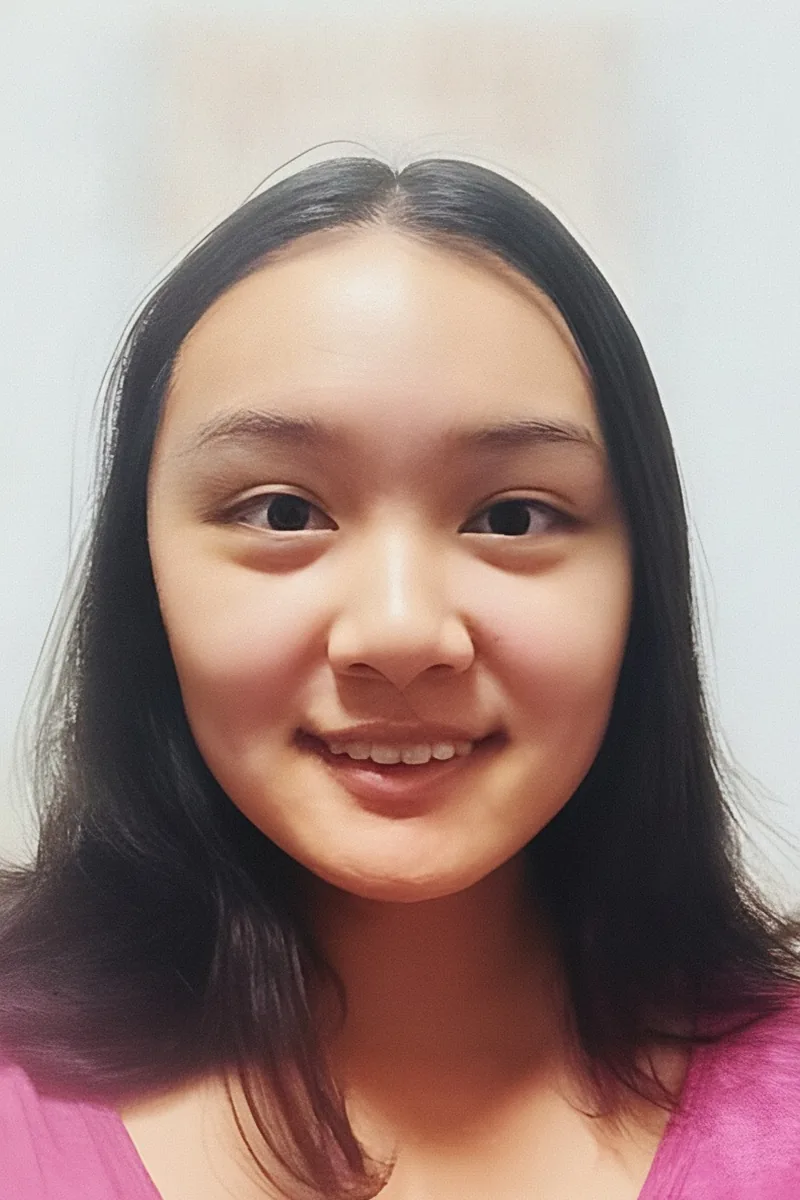
Pharmacy students spend semesters on toxicology, chemical fate in biological systems, and dose-response relationships — concepts Amy applies directly to APES units on pollution, bioaccumulation, and human health impacts. Her biology minor at Northeastern reinforces the ecological side, from nutrient cycling to population dynamics, and a 1550 SAT signals the quantitative precision needed for the exam's calculation-heavy free-response questions. Rated 4.9 by students.

I am a sophomore at UIUC studying agricultural and biological engineering. Eventually, I hope to work on environmental engineering related projects concerning the improvement of ecosystem management and reducing the harmful effects of pollutants in the environment. As an aspiring engineer, my favorite subjects to teach students are math and science. I've been working with kids as a swim instructor and music teacher for the past six years now. As I've begun developing experience tutoring students, my favorite part about helping students learn math and science concepts is teaching them how these different concepts interconnect and later helping them to develop critical thinking skills to work through difficult material.
A Harvard-trained researcher who wrote his senior thesis on John Dewey's philosophy of education, Henry connects AP Environmental Science topics like biogeochemical cycles and ecosystem dynamics to the real-world policy debates that make them matter. He teaches students to interpret data sets and construct free-response answers that earn full credit by linking evidence to scientific claims.
Finance majors learn to model complex systems with multiple interacting variables — resource scarcity, cost-benefit trade-offs, long-term risk — and Rinky applies that same analytical framework to APES topics like resource depletion, environmental cost analysis, and sustainability trade-offs that show up heavily in free-response prompts. Her 1520 SAT and 5.0 tutoring rating speak to the precision she brings when walking through the data-interpretation and calculation questions that surprise students expecting a soft science course.
Business students learn to think in systems — supply chains, market feedback loops, cost-benefit trade-offs — and Myna applies that same framework to APES topics like resource depletion, environmental policy trade-offs, and the economic arguments embedded in free-response questions about sustainability. Her 34 ACT reflects sharp reading comprehension and data interpretation skills, which she channels into breaking down the graphs, experimental designs, and calculation problems that catch students off guard on exam day.
Studying biological sciences means Liana is learning the underlying mechanisms — cellular respiration, nutrient cycling, population growth models — that APES questions are built on, rather than encountering them as isolated vocabulary terms. She breaks down topics like energy flow and species interactions using the same biological logic her college coursework demands, which pays off on free-response questions that ask students to explain processes rather than just name them. Rated 4.9 by students.
Todd's biology degree from UIUC gives him the ecological and cellular foundations that underpin APES topics like nutrient cycling, energy flow through trophic levels, and ecosystem disruption — and his social work training adds a surprisingly useful lens for the policy and human-impact questions that dominate the free-response section. He teaches students to trace cause-and-effect across units, which is the skill the exam actually scores on. Rated 5.0 by students.
Having earned her bachelor's in Environmental Science, Patricia didn't just survey APES topics — she studied biogeochemical cycles, soil science, and ecosystem dynamics at the college level they're drawn from. She zeroes in on the quantitative side students often underestimate, like calculating energy transfer efficiency or interpreting species diversity indices, while also sharpening the cause-and-effect reasoning the free-response section demands.
Kelsey earned her Master of Science in Environmental Sciences and Policy from Johns Hopkins, which means she doesn't just know the APES curriculum — she's done the fieldwork and data analysis behind it. From biogeochemical cycles to environmental legislation and ecological footprint calculations, she teaches students to think like environmental scientists, not just memorize vocabulary for the exam. Rated 4.9 by students.
Sofia's ecology concentration at the University of Chicago means AP Environmental Science isn't a subject she just studied — it's her field. She unpacks FRQ-heavy topics like biogeochemical cycles, biodiversity loss, and energy resource tradeoffs with the depth of someone who does research in a neurobiology lab and thinks about ecosystems professionally. That firsthand scientific context makes the difference between memorizing vocabulary and actually understanding environmental systems.
Supervising an AmeriCorps conservation program in New Mexico means Rachel doesn't just teach APES concepts like land management, resource depletion, and habitat restoration — she manages real projects dealing with them daily. Her Johns Hopkins master's in Environmental Health Sciences adds the scientific rigor behind topics like pollution pathways and risk assessment, while her public health training sharpens the kind of systems-level thinking the exam's free-response questions demand.
Katie holds a master's in science education and a bachelor's in natural resources and conservation — meaning she didn't just study APES topics like land use, biodiversity, and resource management as exam content; they were her actual field of study. She teaches students to think in cause-and-effect chains across units, connecting deforestation to soil erosion to water quality decline, which is exactly the kind of multi-step reasoning the free-response rubrics reward. Rated 5.0 by students.
Testimonials
Because the right AP Environmental Science tutor makes all the difference.
Average Session Rating – Based on 3.4M Learner Ratings
Practice AP Environmental Science
Free practice tests, flashcards, and AI tutoring for AP Environmental Science
Nearby AP Environmental Science Tutors
Other Phoenix Tutors
Related Science Tutors in Phoenix
Frequently Asked Questions
AP Environmental Science covers eight major units: energy dynamics, the atmosphere, terrestrial and aquatic biomes, populations and communities, land and water use, energy resources, atmospheric pollution, and human impacts on the environment. Many Phoenix students find Units 1 (Energy Dynamics) and Unit 3 (Terrestrial and Aquatic Biomes) particularly challenging because they require both quantitative problem-solving and conceptual understanding. The desert climate and water scarcity issues unique to Arizona also make Units 6 and 8 especially relevant—tutors can leverage local environmental examples to make these concepts more concrete and memorable.
The exam consists of two sections: 80 multiple-choice questions (50% of score) and three free-response questions worth 50 minutes total (50% of score). The free-response section tests your ability to apply environmental concepts to real-world scenarios and requires clear, concise written explanations. Many students underestimate this section because it seems shorter than it is. Effective preparation involves practicing full free-response questions under timed conditions, learning to identify what the prompt is asking, and structuring answers with clear evidence and reasoning—not just listing facts.
Most students see meaningful score improvements within 4-8 weeks of consistent preparation, especially when targeting specific weak units. If you're starting from a baseline diagnostic exam, expect 1-2 full point gains (on the 1-5 scale) with focused tutoring that targets your specific gaps. Students who work with tutors for 10+ weeks and complete 20+ full-length practice exams often see 2-3 point improvements. The timeline depends heavily on your starting knowledge level, how frequently you study, and how quickly you apply feedback from practice tests.
Math comprises roughly 25-30% of the exam and focuses on environmental calculations rather than abstract algebra. You'll need to be comfortable with unit conversions, percentages, rates of change, interpreting graphs and data tables, and simple statistical analysis. Common problem types include calculating energy flow through ecosystems, determining population growth rates, and converting between different energy units. Many Phoenix students worry unnecessarily about the math component—the questions reward conceptual understanding and careful reading over advanced calculation skills. Tutors can help you build confidence in these specific skills through targeted practice.
Aim for at least 8-10 full-length practice exams over your preparation period, ideally spread out over 12+ weeks using spaced repetition. Taking practice tests too early—before you've studied all units—can be discouraging and less useful. A better approach: take a diagnostic test first to identify weak areas, study those units, then take another full test to measure progress. In the final 4 weeks before the exam, increase frequency to one full test every 5-7 days. After each practice test, spend time analyzing your mistakes by unit and question type to avoid repeating errors.
Varsity Tutors connects you with expert tutors who customize sessions to your needs—whether that's deep dives into challenging units, full-length practice exam reviews, test-taking strategy coaching, or free-response essay feedback. Most students benefit from 1-2 sessions per week over 8-12 weeks, though your ideal frequency depends on your baseline knowledge and exam deadline. Tutors can identify your specific weak areas through diagnostic testing and create a targeted study plan that fits your schedule, helping you make the most of preparation time.
Absolutely—and it's an effective learning strategy. Phoenix faces unique environmental challenges like water scarcity in the Colorado River Basin, urban heat island effects, and desert ecosystem management, which align directly with AP Environmental Science curriculum. Tutors can use these local examples when teaching Units 3 (biomes), 6 (water use), and 8 (human impacts), making concepts more tangible and memorable. Understanding how AP concepts apply to Arizona's real environment not only deepens conceptual mastery but also helps you tackle free-response questions that ask you to apply knowledge to unfamiliar scenarios.
Let’s find your perfect tutor
Answer a few quick questions. We’ll recommend the right plan and match you with a top 5% tutor.