Award-Winning Discrete Math Tutors
serving Gilbert, AZ
Discrete Math
Tutors in Gilbert
Private 1-on-1 tutoring, weekly live classes for academic support, test prep & enrichment, practice tests and diagnostics, and more to elevate grades and test scores.
Based on 3.4M Learner Ratings
UniversitiesSchools & Universities
DeliveredHours Delivered
ProficiencyGrowth in Proficiency
Who needs tutoring?
No obligation. Takes ~1 minute.
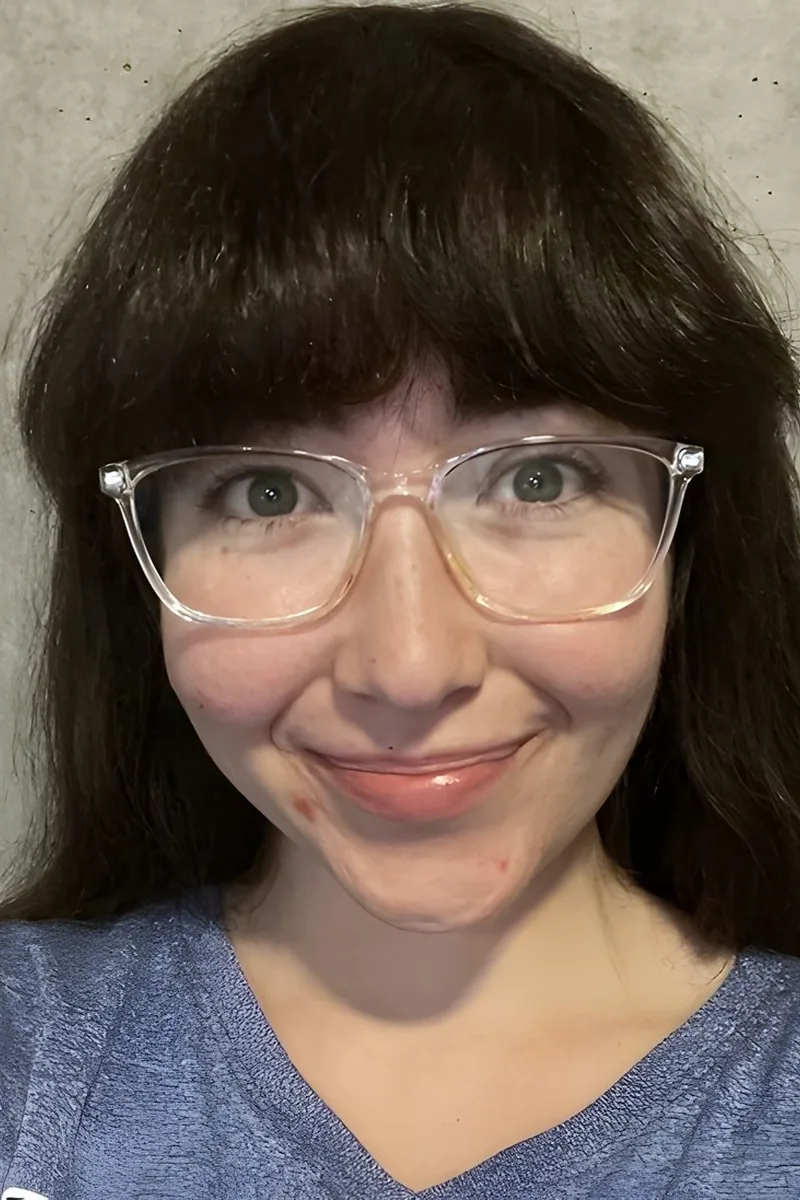
Proof techniques like induction, contradiction, and contrapositive reasoning can feel alien to students used to computational math courses. Madeleine studied these methods extensively in her applied mathematics program at ASU's Barrett Honors College, where discrete structures like graphs, sets, and combinatorics were core to her coursework. She breaks down the logic behind each proof strategy so the reasoning becomes intuitive.

Combinatorics, graph theory, and proof techniques like induction are exactly where Emily's research lives — her work at Smith College on Markov chains and combinatorial optimization draws directly from discrete math. She teaches students to construct clear, logical arguments and to recognize counting structures, turning a notoriously abstract course into something approachable.
As a computer science major finishing up at Arizona State, Ayushi has gone through the full gauntlet of discrete math — the graph theory, combinatorics, and logic that CS programs treat not as electives but as prerequisites for everything from algorithms to database design. Working at ASU's engineering tutoring center, she's seen firsthand which topics (modular arithmetic and proof by induction, especially) tend to derail students, and she breaks those down by connecting them to the programming contexts where they actually get used.
Combinatorics proofs, recurrence relations, graph theory, and formal logic can feel disconnected from the rest of a math curriculum, which is exactly why they trip up students used to computation-heavy courses. Adam's statistics training gave him deep practice with combinatorial arguments and probability-based counting, and he walks through proof techniques like induction and contradiction step by step.
Proof techniques, combinatorics, and graph theory all require a different kind of mathematical thinking than most students are used to. Aaron's pure math coursework at Rice leans heavily on the exact logical reasoning that discrete math demands — direct proofs, induction, contradiction — so he can walk students through not just the solutions but the reasoning patterns behind them.
Combinatorics, graph theory, recurrence relations, and formal logic — discrete math can feel like a completely different language compared to the calculus track. Brian's computer science degree at Caltech was steeped in these exact topics, so he tackles proofs by induction and counting arguments with the kind of fluency that makes abstract concepts concrete.
Computer science graduate programs live and breathe discrete math — Brandon's MS coursework at RIT in areas like computer theory, parallel computing, and algorithm design means he's constantly using combinatorial arguments, graph structures, and formal logic in practice. He teaches proof techniques and counting problems by connecting them to the programming contexts where they actually matter, which tends to click for CS students who wonder why they're suddenly writing proofs instead of code.
Competition math — which Jacob also teaches — builds exactly the combinatorial intuition and creative counting strategies that discrete math courses test, so students get a tutor whose problem-solving instincts go well beyond standard curriculum. He breaks down topics like permutations, graph arguments, and logical structure by working through progressively trickier cases, a habit sharpened by years of contest-style thinking. Rated 5.0 by students.
Robotics and control systems at Northwestern mean Michael lives in the world of Boolean logic, state machines, and algorithm design — discrete math concepts that show up in his engineering coursework almost daily. He grounds topics like truth tables and recurrence relations in the signal-processing and circuit-design problems where they naturally arise, giving students a practical foothold in material that can otherwise feel purely abstract.
Proof techniques, combinatorics, graph theory, and recursion can feel like a completely different kind of math from what students are used to. Nicholas's graduate work in statistics gave him daily practice with the probabilistic and logical reasoning that discrete math demands, and his programming background in Python and data structures means he can connect abstract concepts to real computational applications.
Graph theory, combinatorics, and recursive structures aren't just exam topics for Daniel — they're the mathematical backbone of the software he builds professionally and the computer science research he's pursuing at the PhD level. His applied math background means he first learned proof techniques like induction and contradiction in their pure form, then immediately saw them resurface in algorithm analysis and data structure design. Rated 5.0 by students.
Aerospace engineering at Purdue means Ritik regularly uses the logic and combinatorial structures that discrete math courses test — from Boolean expressions in digital avionics to graph theory in network routing problems. He builds intuition for proof techniques like induction and contradiction by grounding each one in a concrete scenario before formalizing it, an approach shaped by years of tutoring students who've never encountered math that doesn't involve solving for x.
Proof techniques, combinatorics, and graph theory require a different kind of mathematical thinking than most students are used to — less computation, more logic. Beepul's mathematics studies at Duke include this exact material, and he walks through proof strategies step by step so students learn to construct arguments rather than just follow them.
Combinatorics, graph theory, and logical proof techniques require a different kind of mathematical thinking than the continuous math most students are used to. David digs into these topics by emphasizing the reasoning behind counting arguments and recursive definitions, drawing on both his Vanderbilt math training and the combinatorial problems he tackled routinely in actuarial work.
Graph theory, combinatorics, and proof techniques like induction require a different kind of thinking than the calculus track most math students are used to. Michael digs into the logic-heavy side of discrete math — truth tables, set operations, recurrence relations — with a structured approach shaped by his formal mathematics training.
Until age 16, Viktor thought math was just memorizing formulas — then a series of teachers at UChicago's math program showed him the deep logic underneath, which is exactly the shift discrete math demands of every student encountering it for the first time. His 35 ACT and 1600 SAT reflect genuine fluency with logical structure, and he channels that into making the leap from computation to proof writing feel less like learning a foreign language — whether the topic is combinatorics, induction, or modular arithmetic.
As both a computer scientist and a social science researcher, David uses discrete math daily — from combinatorics and graph theory to formal logic and set operations. He teaches these topics by grounding them in the algorithmic and proof-based thinking that his Columbia and UChicago training demanded. Students working through truth tables, recurrence relations, or counting problems get someone who treats discrete math as a native language rather than an elective.
Testimonials
Because the right Discrete Math tutor makes all the difference.
Average Session Rating – Based on 3.4M Learner Ratings
Other Gilbert Tutors
Related Math Tutors in Gilbert
Frequently Asked Questions
Varsity Tutors matches Gilbert students with expert Discrete Math tutors for 1-on-1 instruction. We pair each student with a tutor based on their specific needs, learning style, and goals.
Whether you need homework help, exam prep, or want to get ahead, our Discrete Math tutors are ready to help.
Common challenges include gaps from earlier material, difficulty with specific concepts, and trouble applying learning to new problems. These issues can snowball quickly in Discrete Math.
A tutor identifies where you're stuck, fills in gaps, and provides targeted practice. The 1-on-1 format means you get help exactly where you need it.
Tutors work with your student's actual coursework—homework assignments, class notes, and upcoming tests. This keeps tutoring directly relevant to what's happening in the classroom.
When you share information about your student's school and curriculum, we can match you with a tutor who has relevant experience.
All tutors complete background checks, credential verification, and teaching evaluation. Many of our Discrete Math tutors hold advanced degrees or have years of teaching experience.
You can review tutor profiles to find someone with the right background for your student's level and needs.
Many students see improved grades within a few weeks, along with better understanding of Discrete Math concepts and more confidence tackling challenging material.
Tutors track progress and adjust their approach to ensure continued improvement.
Most students benefit from 1-2 sessions per week. More frequent sessions help if your student is significantly behind or has an important exam coming up.
Your tutor can recommend a schedule based on your student's specific situation and goals.
Tutoring is purchased in packages of hours, with rates varying by tutor experience. Varsity Tutors offers several options to fit different budgets and needs.
You can discuss pricing during your consultation to find what works best.
Your tutor will assess where your student is, discuss goals, and start working on priority areas. Most students bring current homework or upcoming test material to focus on.
By the end, you'll have a clear sense of how the tutor can help and a plan for moving forward.
Let’s find your perfect tutor
Answer a few quick questions. We’ll recommend the right plan and match you with a top 5% tutor.