Award-Winning Discrete Math Tutors
serving Phoenix, AZ
Discrete Math
Tutors in Phoenix
Private 1-on-1 tutoring, weekly live classes for academic support, test prep & enrichment, practice tests and diagnostics, and more to elevate grades and test scores.
Based on 3.4M Learner Ratings
UniversitiesSchools & Universities
DeliveredHours Delivered
ProficiencyGrowth in Proficiency
Who needs tutoring?
No obligation. Takes ~1 minute.
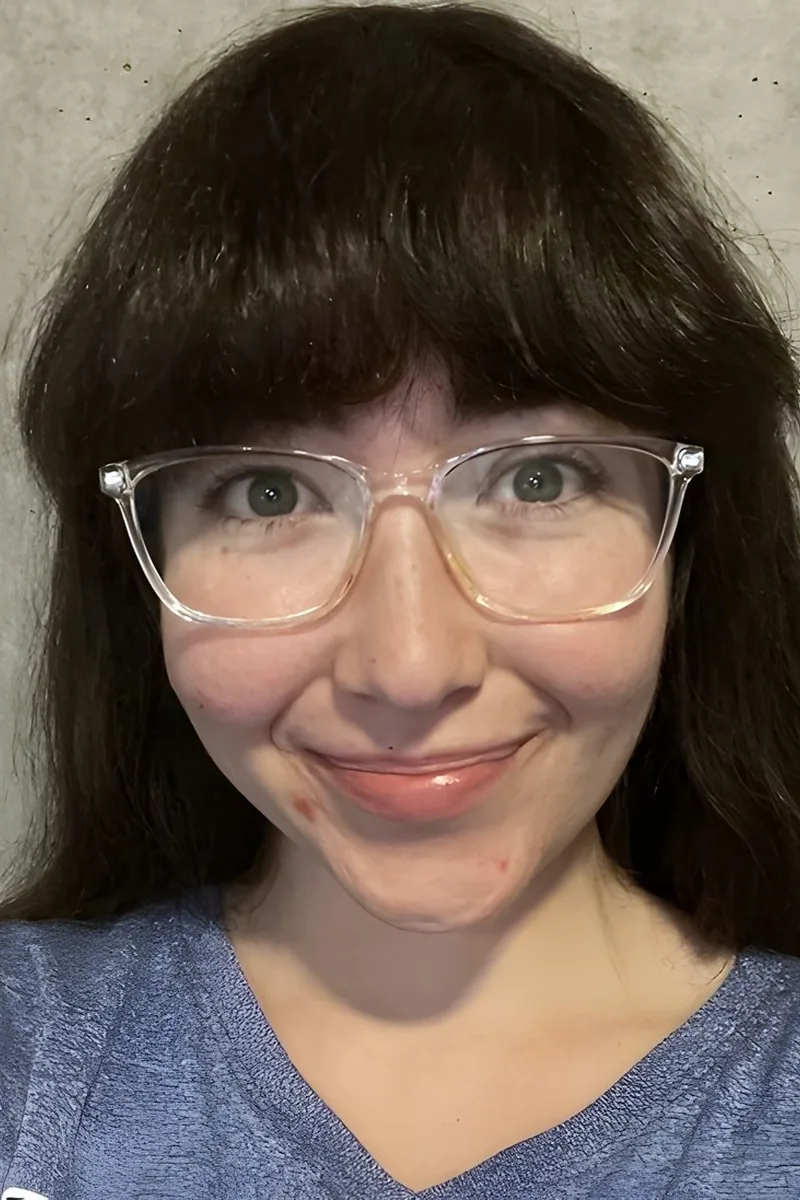
Proof techniques like induction, contradiction, and contrapositive reasoning can feel alien to students used to computational math courses. Madeleine studied these methods extensively in her applied mathematics program at ASU's Barrett Honors College, where discrete structures like graphs, sets, and combinatorics were core to her coursework. She breaks down the logic behind each proof strategy so the reasoning becomes intuitive.

Combinatorics, graph theory, and proof techniques like induction are exactly where Emily's research lives — her work at Smith College on Markov chains and combinatorial optimization draws directly from discrete math. She teaches students to construct clear, logical arguments and to recognize counting structures, turning a notoriously abstract course into something approachable.
Combinatorics proofs, recurrence relations, graph theory, and formal logic can feel disconnected from the rest of a math curriculum, which is exactly why they trip up students used to computation-heavy courses. Adam's statistics training gave him deep practice with combinatorial arguments and probability-based counting, and he walks through proof techniques like induction and contradiction step by step.
As a computer science major finishing up at Arizona State, Ayushi has gone through the full gauntlet of discrete math — the graph theory, combinatorics, and logic that CS programs treat not as electives but as prerequisites for everything from algorithms to database design. Working at ASU's engineering tutoring center, she's seen firsthand which topics (modular arithmetic and proof by induction, especially) tend to derail students, and she breaks those down by connecting them to the programming contexts where they actually get used.
Proof techniques, combinatorics, and graph theory all require a different kind of mathematical thinking than most students are used to. Aaron's pure math coursework at Rice leans heavily on the exact logical reasoning that discrete math demands — direct proofs, induction, contradiction — so he can walk students through not just the solutions but the reasoning patterns behind them.
Pure math PhD work at Boston College means Jacob spends his days immersed in exactly the kind of abstract reasoning that makes discrete math feel foreign to most undergrads — constructing rigorous proofs, manipulating formal definitions, and thinking combinatorially. He breaks down the logic behind concepts like modular arithmetic and graph coloring by connecting them to the deeper structural questions that drive his own graduate research. Rated 5.0 by students.
Dibyendu's PhD work in computer science means he's built on discrete math daily — from algorithm complexity analysis to the formal logic underpinning compiler design and data structures. He teaches topics like relations, modular arithmetic, and counting techniques by tying them back to the computational problems where they actually do work, so the abstraction has a clear purpose.
Brown's math curriculum put Zofia through the proof-intensive coursework — induction, combinatorics, graph theory — that discrete math courses are built around, and her IB background means she encountered formal logic earlier than most. She breaks down the leap from computation to proof construction by isolating exactly where a student's reasoning stalls, then rebuilding the argument from that point with concrete examples before reintroducing abstraction.
Having studied math at both the undergraduate and graduate level, Esteban brings formal training in proof techniques, set theory, and combinatorial reasoning to a subject that trips up students used to computation-heavy courses. He teaches the logic behind each proof strategy — induction, contradiction, direct — by building from concrete examples before moving to abstraction. Rated 5.0 by students.
Combinatorics, graph theory, and logical proof techniques require a different kind of mathematical thinking than the continuous math most students are used to. David digs into these topics by emphasizing the reasoning behind counting arguments and recursive definitions, drawing on both his Vanderbilt math training and the combinatorial problems he tackled routinely in actuarial work.
As a computer science major at Harvard, Derek uses discrete math constantly — combinatorics, graph theory, proof techniques, and recurrence relations are woven into nearly every CS course he takes. That daily exposure means he can explain concepts like mathematical induction or the pigeonhole principle with real programming examples that make abstract ideas concrete.
Studying computer science at Columbia means Benjamin lives in discrete math — logic proofs, set theory, combinatorics, and graph theory are the backbone of his CS coursework. He unpacks these topics by tying each theorem or proof technique back to a tangible computing problem, which makes the material click faster than rote memorization alone.
As a computer science grad student, Ignacio encounters discrete math concepts like graph theory, combinatorics, and Boolean logic constantly — they're the mathematical backbone of nearly every CS course he takes at DePaul. His environmental science background also means he's comfortable with quantitative modeling and data structures, and he teaches proof techniques like induction and contradiction by connecting them to the algorithmic thinking students will need in programming.
Cornell's Applied Economics and Management program puts Karan squarely in the territory of optimization, probability, and formal decision-making — all of which lean on discrete math concepts like counting arguments, set theory, and logical structure. He breaks down proof techniques by connecting them to the economic modeling frameworks he uses in his own coursework, giving the abstraction a practical anchor. Rated 4.9 by students.
As both a computer scientist and a social science researcher, David uses discrete math daily — from combinatorics and graph theory to formal logic and set operations. He teaches these topics by grounding them in the algorithmic and proof-based thinking that his Columbia and UChicago training demanded. Students working through truth tables, recurrence relations, or counting problems get someone who treats discrete math as a native language rather than an elective.
Graph theory, combinatorics, and recursive structures aren't just exam topics for Daniel — they're the mathematical backbone of the software he builds professionally and the computer science research he's pursuing at the PhD level. His applied math background means he first learned proof techniques like induction and contradiction in their pure form, then immediately saw them resurface in algorithm analysis and data structure design. Rated 5.0 by students.
Pursuing a doctorate in mathematics means Carson spends his days immersed in exactly the kind of rigorous reasoning discrete math demands — constructing proofs, working through combinatorial arguments, and wielding the logical machinery that makes this course feel foreign to students fresh out of calculus. His undergraduate work at the University of Chicago, where proof-based math is central from the start, gives him a deep fluency with induction, recurrence relations, and graph theory that he brings to each session.
Testimonials
Because the right Discrete Math tutor makes all the difference.
Average Session Rating – Based on 3.4M Learner Ratings
Other Phoenix Tutors
Related Math Tutors in Phoenix
Frequently Asked Questions
Discrete Math is the study of mathematical structures that are distinct and separate—like graphs, sets, logic, and combinatorics—rather than continuous quantities. It's foundational for computer science, cryptography, and algorithm design, making it increasingly important for students pursuing STEM fields. Understanding Discrete Math helps develop logical reasoning and problem-solving skills that apply far beyond the classroom.
Many students struggle with the shift from procedural math to proof-based reasoning, where showing *why* something works matters as much as getting the right answer. Translating word problems into logical statements, understanding abstract concepts like set theory and graph theory, and developing systematic problem-solving strategies are frequent pain points. Personalized tutoring helps students build confidence by breaking down these abstract ideas into concrete, manageable steps.
Proofs require a different mindset than computational math—students need to think about structure, logical flow, and justification. Tutors work with students to develop proof-writing strategies, recognize common proof patterns (direct proof, proof by contradiction, induction), and practice articulating their reasoning clearly. With guided practice and feedback, students move from finding proofs intimidating to seeing them as logical puzzles they can solve.
Discrete Math is deeply connected to computer science (algorithms, data structures), logic and philosophy, and even biology (network analysis). For Phoenix students in advanced STEM programs, understanding these connections helps contextualize abstract concepts and shows real-world relevance. Tutors can help students see how graph theory applies to social networks or how combinatorics relates to probability, making the material more engaging and memorable.
Most Discrete Math courses require algebra and basic mathematical reasoning skills, though formal prerequisites vary by school. The bigger challenge isn't computational ability—it's comfort with abstract thinking and logical reasoning. If you're struggling with the conceptual jump from algebra to Discrete Math, personalized tutoring can help you build that foundation and develop the proof-writing and logical thinking skills the course demands.
In your first session, a tutor will assess your current understanding of key Discrete Math concepts, identify specific areas where you're struggling (whether it's proofs, graph theory, or logic), and learn about your learning style. Together, you'll create a personalized plan focused on your goals—whether that's improving grades, preparing for exams, or building deeper conceptual understanding. This foundation ensures every future session is targeted and productive.
Discrete Math is all about recognizing patterns—in sequences, graphs, logical structures, and problem types. Expert tutors guide students to notice these patterns themselves rather than just memorizing formulas, which builds deeper understanding and makes problem-solving more intuitive. By working through multiple examples and discussing the underlying logic, students develop the pattern-recognition skills that make Discrete Math click.
Math anxiety often stems from feeling lost or overwhelmed by abstract concepts, but personalized tutoring breaks that cycle by building understanding step-by-step and celebrating small wins. When you work with a tutor who explains *why* concepts matter and gives you time to practice in a low-pressure environment, confidence naturally grows. Many students discover that Discrete Math is actually more logical and pattern-based than they expected—and far less intimidating once they understand the fundamentals.
Let’s find your perfect tutor
Answer a few quick questions. We’ll recommend the right plan and match you with a top 5% tutor.