Award-Winning Mandarin Chinese Tutors
serving Long Beach, CA
Mandarin Chinese
Tutors in Long Beach
Private 1-on-1 tutoring, weekly live classes for academic support, test prep & enrichment, practice tests and diagnostics, and more to elevate grades and test scores.
Based on 3.4M Learner Ratings
UniversitiesSchools & Universities
DeliveredHours Delivered
ProficiencyGrowth in Proficiency
Who needs tutoring?
No obligation. Takes ~1 minute.
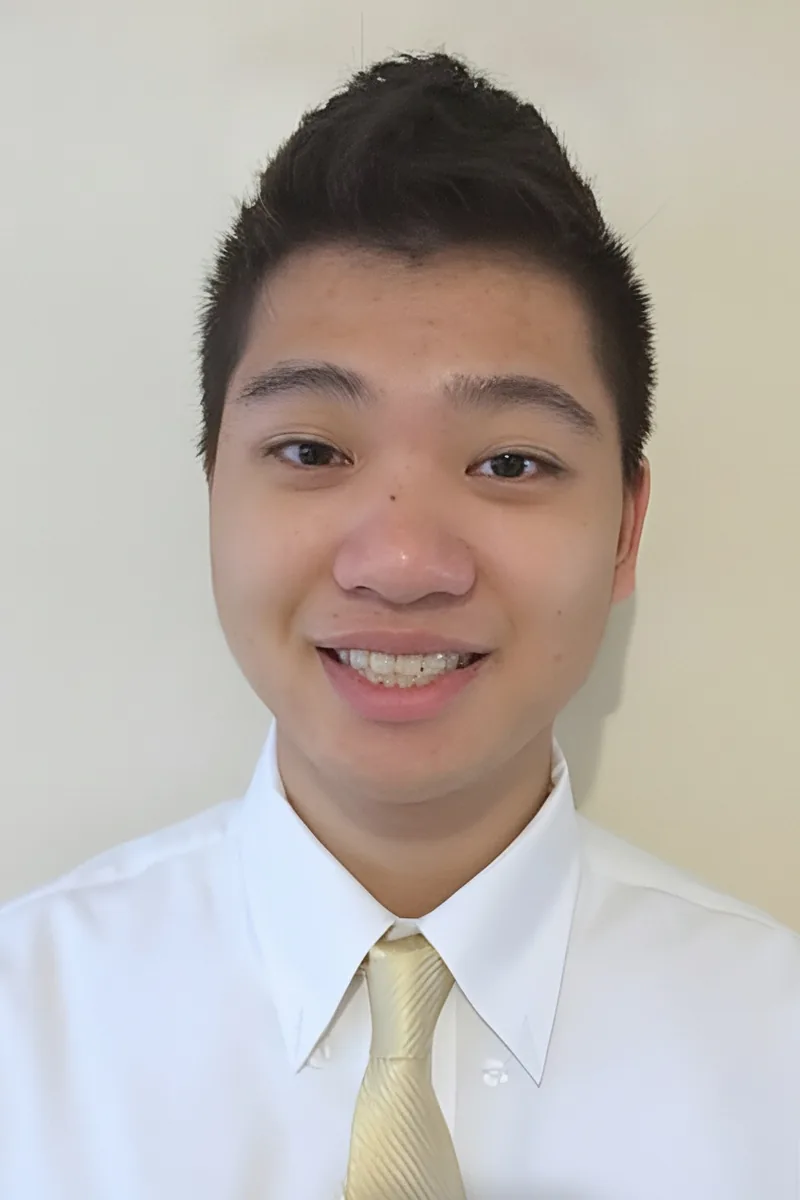
Learning Mandarin means tackling tonal pronunciation, character recognition, and sentence structures that work nothing like English — all at once. Chris teaches across multiple levels of Mandarin Chinese and breaks these challenges apart so students build reading and speaking skills in parallel without feeling overwhelmed.

Mandarin's tonal system and character-based writing can intimidate new learners, but the grammar is more straightforward than most European languages once you see the patterns. As a fluent Mandarin speaker and UCLA math graduate, Alex brings a structured, logical approach to teaching stroke order, radical recognition, and the sentence frameworks that make reading and speaking click.
Learning Mandarin means juggling tones, character recognition, and grammatical structures that have almost nothing in common with English. Caroline teaches conversational and written Mandarin across multiple proficiency levels, connecting pronunciation drills to real dialogue so students internalize patterns instead of just memorizing phrase lists. She's rated 5.0 by students.
Learning Mandarin means tackling tones, character stroke order, and sentence structures that have almost nothing in common with English — and Hugo speaks it natively. He breaks down the logic behind radicals and measure words so students internalize patterns instead of brute-forcing vocabulary lists. Rated 5.0 by students.
Michael earned his bachelor's degree in Chinese, giving him deep familiarity with character writing, tonal pronunciation, and the grammatical structures that trip up English speakers most — measure words, aspect markers, and sentence-final particles. He teaches Mandarin across multiple proficiency levels and understands how to scaffold the jump from pinyin-dependent reading to recognizing characters in context.
Mandarin's tonal system and character-based writing can feel overwhelming at first, but Allison breaks it into manageable pieces — practicing tone pairs in context, learning radicals to decode unfamiliar characters, and building sentence patterns that transfer across topics. Her experience with Mandarin coursework through multiple levels means she understands exactly where English speakers tend to stumble.
As a Mandarin speaker, Jessy tackles the aspects of the language that trip up English-speaking learners most — tonal pronunciation, character stroke order, and the logic behind measure words and sentence structure. She uses a mix of conversation practice and written drills to build both spoken fluency and reading recognition simultaneously.
Allison teaches Mandarin with attention to the details that trip up English speakers most: tonal pronunciation, character stroke order, and the grammatical structures that have no direct English equivalent. Her approach connects vocabulary to real-world contexts — ordering food, reading signs, navigating conversations — so new words actually stick beyond the quiz.
Brittaney teaches Mandarin Chinese across four proficiency levels, from character recognition and tonal pronunciation basics through more advanced reading and composition. She connects language learning to cultural context, which makes vocabulary and grammar patterns stick instead of feeling like rote memorization. Her 5.0 rating speaks to how well that approach works for students at every stage.
Learning Mandarin means juggling tones, character recognition, and a grammar structure that looks nothing like English — all at once. Andrew has studied Mandarin through multiple levels and tackles each of these layers separately before combining them, so students build real reading and speaking ability instead of just memorizing phrases.
Learning Mandarin Chinese requires consistent practice with tonal accuracy, character recognition, and sentence structure — skills that benefit from a patient, methodical tutor. Julie's background in philosophy and statistics at Princeton means she approaches language learning with the same logical rigor she applies to formal proofs, breaking grammar patterns into learnable systems rather than isolated rules.
Learning Mandarin means juggling tonal pronunciation, character recognition, and grammatical structures that work nothing like English. Jennifer teaches across multiple levels of Mandarin and can walk students through everything from radical-based character memorization to sentence patterns using 把 and 被 constructions. Her conversational fluency adds a practical dimension that pure textbook study often misses.
Eight years of teaching Chinese language and culture across K-12 levels means Amanda has built curriculum for every stage — from introducing tones and pinyin to beginners through drilling stroke order, radicals, and reading comprehension for advanced learners. She developed a full K-12 Mandarin curriculum and knows exactly where students tend to stall, whether it's character recognition or navigating measure words. Rated 5.0 by students.
Learning Mandarin means training your ear for four tones, memorizing character stroke order, and internalizing a grammar system that works nothing like English. Chang has taught Mandarin to everyone from high schoolers to intelligence agency professionals, adapting his methods to each learner's level and goals. His background in Chinese philosophy and culture adds depth that makes vocabulary and grammar stick in context rather than in isolation.
JF grew up speaking Mandarin at home and tested that fluency on the SAT Subject Test in Chinese with Listening. He brings a native speaker's intuition for natural phrasing and colloquial usage, which means he can explain why certain word orders sound right to Chinese ears — something textbooks rarely cover well. Rated 5.0 by students.
Learning Mandarin means juggling tones, character stroke order, and sentence structures that feel nothing like English — and Paulkey tackles each piece systematically. As a certified Mandarin teacher who has taught every level from beginner through AP, he sequences new vocabulary and grammar so each lesson builds naturally on the last. Rated 4.7 by students.
Learning Mandarin means tackling tonal pronunciation, character recognition, and a grammar system that works nothing like English — all at once. Sherry's linguistics background gives her concrete tools for explaining how Mandarin sentence structure, measure words, and aspect markers actually function, turning what often feels like rote memorization into something more systematic.
Testimonials
Because the right Mandarin Chinese tutor makes all the difference.
Average Session Rating – Based on 3.4M Learner Ratings
Nearby Mandarin Chinese Tutors
Other Long Beach Tutors
Related Languages Tutors in Long Beach
Frequently Asked Questions
Your first session is an opportunity for a tutor to understand your current level, learning goals, and any specific challenges you're facing—whether that's tones, character writing, or conversational confidence. The tutor will assess your strengths in reading, writing, speaking, and listening, then create a personalized plan tailored to your needs. This foundation ensures every session after builds on what works best for you.
Mandarin's four tones are one of the biggest hurdles for English speakers, but 1-on-1 tutoring provides the speaking practice and immediate feedback that's hard to get in a classroom of 24 students. A tutor can isolate problem sounds, model correct pronunciation, and give you targeted drills to build muscle memory. Over time, consistent practice with an expert tutor helps your ear develop the sensitivity to distinguish and produce tones accurately.
Rather than memorizing characters in isolation, effective tutoring connects written characters to meaning, pronunciation, and stroke order through patterns and radicals. A tutor can teach you how to break down complex characters into components, which makes learning thousands of characters feel manageable. Spaced repetition combined with writing practice helps characters stick in long-term memory far better than cramming.
Classroom settings often limit speaking time, but personalized 1-on-1 instruction means you're speaking for most of your session. A tutor creates natural conversation scenarios, corrects your mistakes in real time, and pushes you to move beyond memorized phrases into authentic dialogue. This consistent, high-quality speaking practice is essential for building fluency—research shows learners need roughly 600 hours of immersive practice to reach professional proficiency in Mandarin.
The best approach combines both: understanding grammar rules gives you a framework, but Mandarin is best learned through natural usage and patterns. A tutor balances explicit instruction in key grammar concepts (like aspect markers and word order) with plenty of exposure to how native speakers actually use the language. This blend helps you avoid sounding textbook-like while building a solid foundation you can rely on.
Absolutely. Language and culture are inseparable—understanding Chinese customs, etiquette, and ways of thinking helps you communicate more naturally and respectfully. A tutor can weave cultural insights into lessons, explaining why certain phrases are used in specific contexts or how to navigate formal versus casual speech. This immersion-style approach makes your learning richer and helps you connect with native speakers more authentically.
Passive exposure isn't enough—you need to use new words actively in speaking and writing to lock them into memory. A tutor can introduce vocabulary in thematic clusters (like food, travel, or business), then immediately incorporate those words into conversation practice and written exercises. Spacing out reviews over time and connecting words to real situations you care about makes retention stick far better than memorizing lists.
Look for tutors with native or near-native fluency, proven teaching experience, and ideally certification or training in language instruction. It's also valuable if they understand the specific challenges English speakers face with Mandarin—like tones and characters—since they can anticipate your struggles and address them proactively. Varsity Tutors connects you with expert tutors who have been vetted for both language proficiency and teaching ability.
Let’s find your perfect tutor
Answer a few quick questions. We’ll recommend the right plan and match you with a top 5% tutor.