Award-Winning Mandarin Chinese Tutors
serving Fresno, CA
Mandarin Chinese
Tutors in Fresno
Private 1-on-1 tutoring, weekly live classes for academic support, test prep & enrichment, practice tests and diagnostics, and more to elevate grades and test scores.
Based on 3.4M Learner Ratings
UniversitiesSchools & Universities
DeliveredHours Delivered
ProficiencyGrowth in Proficiency
Who needs tutoring?
No obligation. Takes ~1 minute.
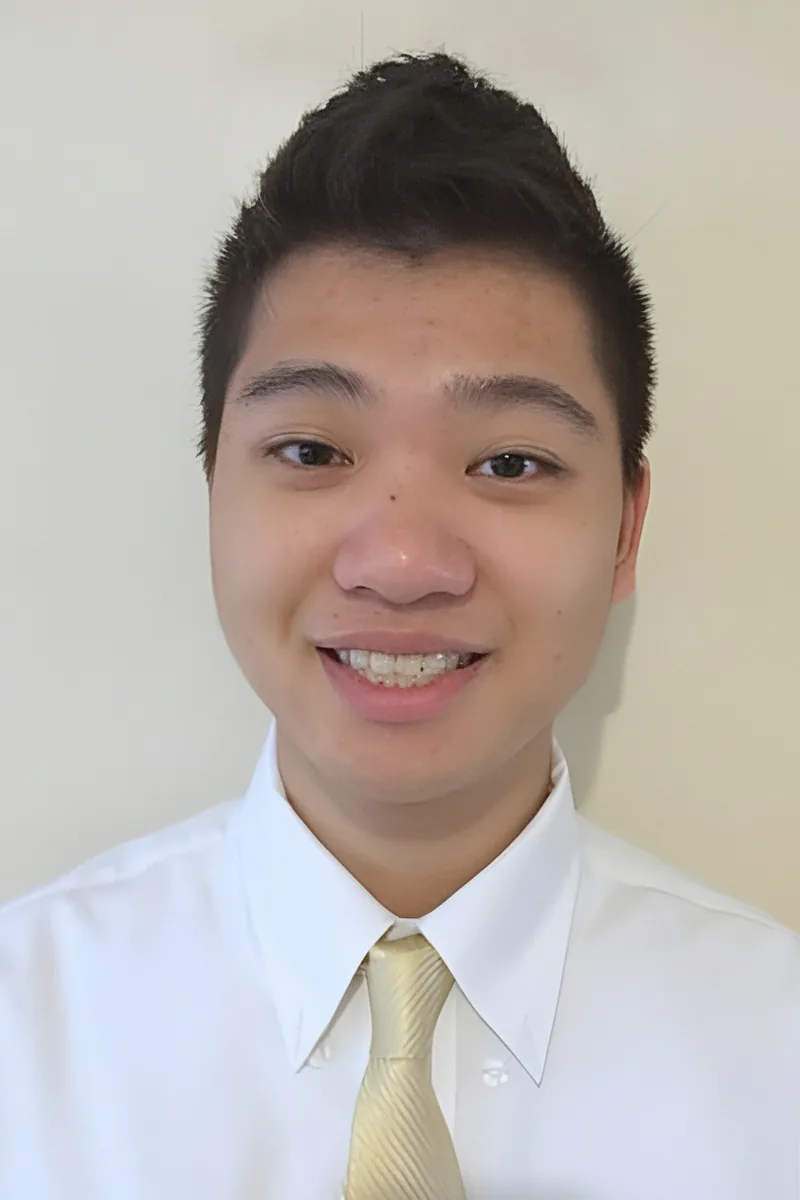
Learning Mandarin means tackling tonal pronunciation, character recognition, and sentence structures that work nothing like English — all at once. Chris teaches across multiple levels of Mandarin Chinese and breaks these challenges apart so students build reading and speaking skills in parallel without feeling overwhelmed.

Mandarin's tonal system and character-based writing can intimidate new learners, but the grammar is more straightforward than most European languages once you see the patterns. As a fluent Mandarin speaker and UCLA math graduate, Alex brings a structured, logical approach to teaching stroke order, radical recognition, and the sentence frameworks that make reading and speaking click.
Learning Mandarin means juggling tones, character recognition, and grammatical structures that have almost nothing in common with English. Caroline teaches conversational and written Mandarin across multiple proficiency levels, connecting pronunciation drills to real dialogue so students internalize patterns instead of just memorizing phrase lists. She's rated 5.0 by students.
Learning Mandarin means tackling tones, character stroke order, and sentence structures that have almost nothing in common with English — and Hugo speaks it natively. He breaks down the logic behind radicals and measure words so students internalize patterns instead of brute-forcing vocabulary lists. Rated 5.0 by students.
Michael earned his bachelor's degree in Chinese, giving him deep familiarity with character writing, tonal pronunciation, and the grammatical structures that trip up English speakers most — measure words, aspect markers, and sentence-final particles. He teaches Mandarin across multiple proficiency levels and understands how to scaffold the jump from pinyin-dependent reading to recognizing characters in context.
Having taught at a Mandarin school, Nova approaches Chinese instruction with an ear for the tonal precision and character stroke order that textbooks often gloss over. She's particularly effective at bridging the gap between conversational ability and written literacy — teaching students to read and write characters while reinforcing proper pronunciation. Her 5.0 rating speaks to how well that balance works.
Ingrid is pursuing a double major in Asian Languages and Cultures at Northwestern, where she's studied Mandarin through advanced coursework up to the fourth level. She breaks down tonal pronunciation, character recognition, and sentence structure in ways that make the language accessible to learners at any stage — from pinyin basics to reading and writing full passages.
Katherine speaks Mandarin and brings the same structured, patient approach she uses in her math and writing tutoring to language instruction. She tackles tonal pronunciation, character recognition, and sentence structure in ways that make the learning curve feel manageable rather than overwhelming.
Proficient in both Pinyin and Zhuyin (Bopomofo), and fluent in Simplified and Traditional Chinese, Yi brings a rare linguistic range to Mandarin instruction. Her training in phonology, semantics, and Chinese paleography allows her to explain tonal distinctions, character etymology, and grammatical structures at a level most tutors simply can't — whether a student is preparing for AP Chinese or building conversational fluency from scratch.
Learning Mandarin Chinese requires consistent practice with tonal accuracy, character recognition, and sentence structure — skills that benefit from a patient, methodical tutor. Julie's background in philosophy and statistics at Princeton means she approaches language learning with the same logical rigor she applies to formal proofs, breaking grammar patterns into learnable systems rather than isolated rules.
Learning Mandarin means juggling tones, character recognition, and grammatical structures that have almost nothing in common with English. Ting's two degrees in Chinese Studies give her an academic command of the language, while her teaching background means she can explain tricky concepts like measure words, aspect particles, and stroke order in ways that click. Rated 5.0 by students.
I am an experienced tutor specializing in english, essay writing, communications and business. After completing the IB program at an international high school, I recently graduated from Northwestern University with a Bachelor of Science in Communication Studies, Business, and Integrated Marketing Communications. I grew up in a Korean household in China, so I am fluent in Korean and Chinese as well. Feel free to reach out for general inquiries on any classes or essay/writing help you need!
Learning Mandarin means wrestling with tones, character radicals, and a grammar system that works nothing like English. Hannah's MA in Chinese Studies and full fluency in spoken, written, and read Mandarin let her explain these differences from the inside out — showing students how the language actually thinks, not just how to memorize pinyin charts.
Beyond classroom fluency, Kathy teaches Mandarin Chinese with attention to the details that trip students up most: tone pairs, measure words, and the logic behind character radicals. She covers reading, writing, and spoken skills, adjusting the balance depending on whether a student is preparing for exams or building practical communication ability.
Mia has studied Mandarin Chinese through advanced levels and brings a structured, patient approach to teaching tones, character recognition, and sentence construction. Whether a student is tackling measure words for the first time or working through reading comprehension passages, she breaks the language down into patterns that build on each other.
Teaching Mandarin through all four levels — from tones and stroke order to advanced reading and composition — Tina draws on her Columbia training in applied linguistics to explain how the language actually works structurally. That means students learn not just vocabulary lists but the logic behind character formation, measure words, and sentence patterns that make Mandarin click.
Learning Mandarin means tackling tones, character recognition, and sentence structures that have almost nothing in common with English. Eric breaks down these challenges systematically, connecting new grammar patterns to ones students already know and building reading fluency through consistent character practice.
Testimonials
Because the right Mandarin Chinese tutor makes all the difference.
Average Session Rating – Based on 3.4M Learner Ratings
Nearby Mandarin Chinese Tutors
Other Fresno Tutors
Related Languages Tutors in Fresno
Frequently Asked Questions
In a typical Fresno classroom with a 20:1 student-teacher ratio, students get limited one-on-one speaking practice—the most critical component of language learning. Personalized 1-on-1 instruction lets you practice conversation continuously, receive immediate feedback on pronunciation and tone, and move at your own pace through grammar and characters. This focused attention accelerates progress in all four language skills: reading, writing, speaking, and listening.
Mandarin's four tones are notoriously difficult for English speakers—mispronouncing a tone can change a word's meaning entirely. A tutor can model correct pronunciation, listen to your speech in real time, and give you targeted feedback on tone accuracy and accent. Regular one-on-one practice builds muscle memory for tones much faster than group instruction, and tutors can tailor exercises to your specific pronunciation challenges.
Learning characters requires spaced repetition and active recall—writing them by hand, not just recognizing them. A tutor can create a personalized study plan that balances high-frequency characters with ones relevant to your goals, use proven techniques like radical-based learning and contextual practice, and test your retention regularly. This targeted approach helps you build a functional character vocabulary much more efficiently than memorizing lists.
The U.S. Foreign Service Institute estimates roughly 2,200 hours of study to reach professional proficiency in Mandarin—but conversational fluency (basic everyday conversations) typically takes 600-800 hours of consistent practice. With personalized tutoring, you can maximize learning efficiency through targeted speaking practice and immersion-style dialogue that classroom settings rarely provide. Your timeline depends on starting level, study frequency, and how much you practice outside sessions.
The best approach combines both: understanding grammar structures helps you form sentences logically, while conversation practice builds intuition for how native speakers actually use the language. A tutor can teach you essential grammar concepts, then immediately apply them in realistic dialogues so you learn rules in context rather than in isolation. This balanced method helps you speak confidently while developing the cultural fluency that grammar books alone can't teach.
Language and culture are inseparable—understanding Chinese customs, idioms, and communication styles helps you use the language authentically and avoid awkward mistakes. Tutors can teach you cultural context alongside vocabulary and grammar, explain why certain phrases are used in specific situations, and help you develop the cultural awareness native speakers have. This deeper learning makes the language stick better and prepares you for real interactions with Mandarin speakers.
Your first session focuses on assessing your current level across all four skills—reading, writing, speaking, and listening—and understanding your specific goals, whether that's conversational fluency, test preparation, or business communication. The tutor will ask about your learning style, any previous Chinese study, and areas where you struggle most (like tones or characters). From there, they'll create a personalized plan tailored to your pace and priorities.
Varsity Tutors connects you with expert tutors who have deep knowledge of Mandarin grammar, pronunciation, characters, and cultural context. Each tutor is vetted for expertise and teaching skill, and you can get matched with someone whose teaching style and availability fit your needs. Whether you need conversation practice, character study, or test prep, you'll work with a tutor who understands the specific challenges Fresno students face when learning Mandarin.
Let’s find your perfect tutor
Answer a few quick questions. We’ll recommend the right plan and match you with a top 5% tutor.