Award-Winning Mandarin Chinese Tutors
serving San Francisco, CA
Mandarin Chinese
Tutors in San Francisco
Private 1-on-1 tutoring, weekly live classes for academic support, test prep & enrichment, practice tests and diagnostics, and more to elevate grades and test scores.
Based on 3.4M Learner Ratings
UniversitiesSchools & Universities
DeliveredHours Delivered
ProficiencyGrowth in Proficiency
Who needs tutoring?
No obligation. Takes ~1 minute.
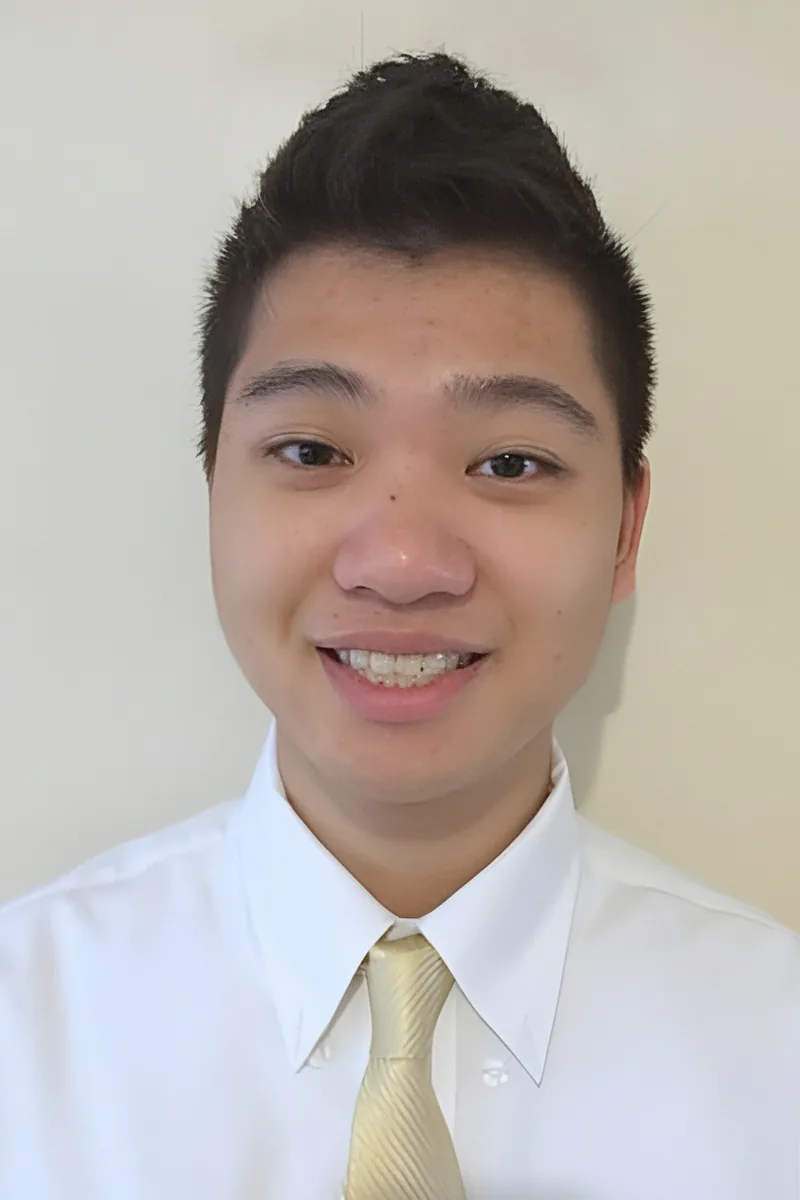
Learning Mandarin means tackling tonal pronunciation, character recognition, and sentence structures that work nothing like English — all at once. Chris teaches across multiple levels of Mandarin Chinese and breaks these challenges apart so students build reading and speaking skills in parallel without feeling overwhelmed.

Mandarin's tonal system and character-based writing can intimidate new learners, but the grammar is more straightforward than most European languages once you see the patterns. As a fluent Mandarin speaker and UCLA math graduate, Alex brings a structured, logical approach to teaching stroke order, radical recognition, and the sentence frameworks that make reading and speaking click.
Learning Mandarin means juggling tones, character recognition, and grammatical structures that have almost nothing in common with English. Caroline teaches conversational and written Mandarin across multiple proficiency levels, connecting pronunciation drills to real dialogue so students internalize patterns instead of just memorizing phrase lists. She's rated 5.0 by students.
Learning Mandarin means tackling tones, character stroke order, and sentence structures that have almost nothing in common with English — and Hugo speaks it natively. He breaks down the logic behind radicals and measure words so students internalize patterns instead of brute-forcing vocabulary lists. Rated 5.0 by students.
Michael earned his bachelor's degree in Chinese, giving him deep familiarity with character writing, tonal pronunciation, and the grammatical structures that trip up English speakers most — measure words, aspect markers, and sentence-final particles. He teaches Mandarin across multiple proficiency levels and understands how to scaffold the jump from pinyin-dependent reading to recognizing characters in context.
Learning Mandarin means juggling tones, character recognition, and sentence structures that have almost nothing in common with English. Mandy approaches each of these as a separate skill with its own practice routine — tone drills for speaking, radical-based strategies for reading characters, and pattern exercises for grammar — so progress feels concrete rather than overwhelming.
Martin's anthropology fieldwork required deep engagement with Mandarin Chinese — not just vocabulary lists but tonal precision, character recognition, and the cultural logic behind the language. His PhD-level research background means he can explain how Mandarin grammar structures thought differently than English, making concepts like measure words and aspect markers click for learners at any level.
Native fluency makes a real difference when learning Mandarin's tonal system, character stroke order, and measure words — all areas where textbooks only get you so far. Christine grew up speaking and writing Mandarin in Shanghai and has taught across age groups, so she adjusts naturally between pinyin-based beginners and students ready to tackle paragraph-level composition. She holds a 4.7 rating from the families she's tutored.
Tony tutored Mandarin Chinese through a DC-based tutoring company, covering tonal pronunciation, character recognition, and sentence structure. His Yale biology background also means he can connect vocabulary building to systematic memorization techniques that make retention of radicals and compound characters far more manageable.
Tammy teaches Mandarin across four proficiency levels, from foundational character recognition and tonal pronunciation through intermediate reading and composition. Whether a student is wrestling with measure words, aspect particles, or the logic behind radical-based characters, she breaks the language into patterns that make retention easier. Rated 5.0 by students.
Connie is a Chinese language major at Dartmouth, which means she's tackled everything from character stroke order and tonal pronunciation to classical grammar structures and formal essay composition. That academic depth lets her explain the logic behind Mandarin's grammar and writing system instead of relying on rote memorization. Whether a student is working through radicals or sentence patterns, she connects each piece to the bigger linguistic picture.
Ingrid is pursuing a double major in Asian Languages and Cultures at Northwestern, where she's studied Mandarin through advanced coursework up to the fourth level. She breaks down tonal pronunciation, character recognition, and sentence structure in ways that make the language accessible to learners at any stage — from pinyin basics to reading and writing full passages.
Born and raised in Taiwan with a bachelor's degree from National Taiwan University, Lulu is a native Mandarin speaker who understands exactly where English-speaking learners stumble — tones, measure words, character stroke order, and sentence structures that have no English equivalent. She adapts her teaching to each student's level, from pinyin basics through advanced reading and composition.
Learning Mandarin means wrestling with tones, character radicals, and a grammar system that works nothing like English. Hannah's MA in Chinese Studies and full fluency in spoken, written, and read Mandarin let her explain these differences from the inside out — showing students how the language actually thinks, not just how to memorize pinyin charts.
Learning Mandarin means training your ear for four tones, memorizing character stroke order, and internalizing a grammar system that works nothing like English. Chang has taught Mandarin to everyone from high schoolers to intelligence agency professionals, adapting his methods to each learner's level and goals. His background in Chinese philosophy and culture adds depth that makes vocabulary and grammar stick in context rather than in isolation.
Having taught at a Mandarin school, Nova approaches Chinese instruction with an ear for the tonal precision and character stroke order that textbooks often gloss over. She's particularly effective at bridging the gap between conversational ability and written literacy — teaching students to read and write characters while reinforcing proper pronunciation. Her 5.0 rating speaks to how well that balance works.
Having prepared for and taken the SAT Subject Test in Chinese with Listening, Eileen knows firsthand where English speakers stumble — tonal distinctions, measure words, and character recognition under pressure. She breaks Mandarin practice into targeted drills that build reading fluency and listening comprehension simultaneously.
Testimonials
Because the right Mandarin Chinese tutor makes all the difference.
Average Session Rating – Based on 3.4M Learner Ratings
Nearby Mandarin Chinese Tutors
Other San Francisco Tutors
Related Languages Tutors in San Francisco
Frequently Asked Questions
Your first session is an opportunity for a tutor to assess your current level across all four language skills—reading, writing, speaking, and listening. The tutor will learn about your goals, whether that's conversational fluency, exam preparation, or cultural understanding, and discuss a personalized learning plan tailored to your needs. This foundation helps ensure every session that follows builds directly toward what matters most to you.
In a typical classroom setting, students get limited speaking time—a challenge especially true in the San Francisco Bay Area where class sizes average 20 students per teacher. With personalized 1-on-1 instruction, you get dedicated speaking practice every session, allowing a tutor to provide immediate feedback on pronunciation, tone, and natural usage patterns. This consistent, focused speaking practice is one of the most effective ways to build conversational confidence and reduce accent barriers.
Mandarin's four tones and thousands of characters can feel overwhelming, but they're best learned through a combination of repetition, contextual usage, and immediate feedback. A tutor can help you develop efficient strategies for character recognition and writing, teach you tone patterns through conversation, and use spaced repetition techniques to build long-term retention. Rather than memorizing characters in isolation, learning them within real words and phrases makes them stick much faster.
The most effective approach combines both. Understanding core grammar structures—like subject-verb-object word order and measure words—gives you a framework, but native fluency comes from hearing and practicing natural speech patterns. A tutor can help you move beyond textbook grammar to how Mandarin is actually spoken, using real conversations and cultural context to deepen your understanding of when and how to use different structures naturally.
Vocabulary retention improves dramatically when words are learned in context and practiced repeatedly over time—a principle called spaced repetition. Rather than memorizing isolated word lists, a tutor can help you learn vocabulary through conversations, reading materials, and real-world scenarios relevant to your interests. This approach not only helps words stick better but also teaches you how words are actually used in context, making them immediately useful.
Yes. Language and culture are deeply connected, and understanding cultural context—from idioms and expressions to social norms and communication styles—is essential for true fluency. Many tutors incorporate cultural elements like contemporary media, traditional customs, and real-world scenarios into lessons, helping you develop not just language skills but genuine cultural literacy. This approach makes learning richer and more meaningful than grammar-focused instruction alone.
The balance depends on your goals. If you're aiming for conversational fluency, speaking and listening naturally take priority, though reading and writing skills support overall comprehension. If you need HSK exam preparation or professional proficiency, all four skills matter equally. A tutor will help you allocate your practice time strategically based on what you actually need, ensuring you develop balanced skills without wasting time on areas less relevant to your objectives.
Conversational fluency generally requires 600-750 hours of focused study and practice—a timeline that varies based on your starting level, how frequently you study, and the quality of instruction. With consistent personalized tutoring combined with regular practice outside sessions, many students reach basic conversational ability within 6-12 months and intermediate fluency within 18-24 months. A tutor can help you set realistic milestones and track progress, keeping you motivated throughout the journey.
Let’s find your perfect tutor
Answer a few quick questions. We’ll recommend the right plan and match you with a top 5% tutor.