Award-Winning Mandarin Chinese Tutors
serving Los Angeles, CA
Mandarin Chinese
Tutors in Los Angeles
Private 1-on-1 tutoring, weekly live classes for academic support, test prep & enrichment, practice tests and diagnostics, and more to elevate grades and test scores.
Based on 3.4M Learner Ratings
UniversitiesSchools & Universities
DeliveredHours Delivered
ProficiencyGrowth in Proficiency
Who needs tutoring?
No obligation. Takes ~1 minute.
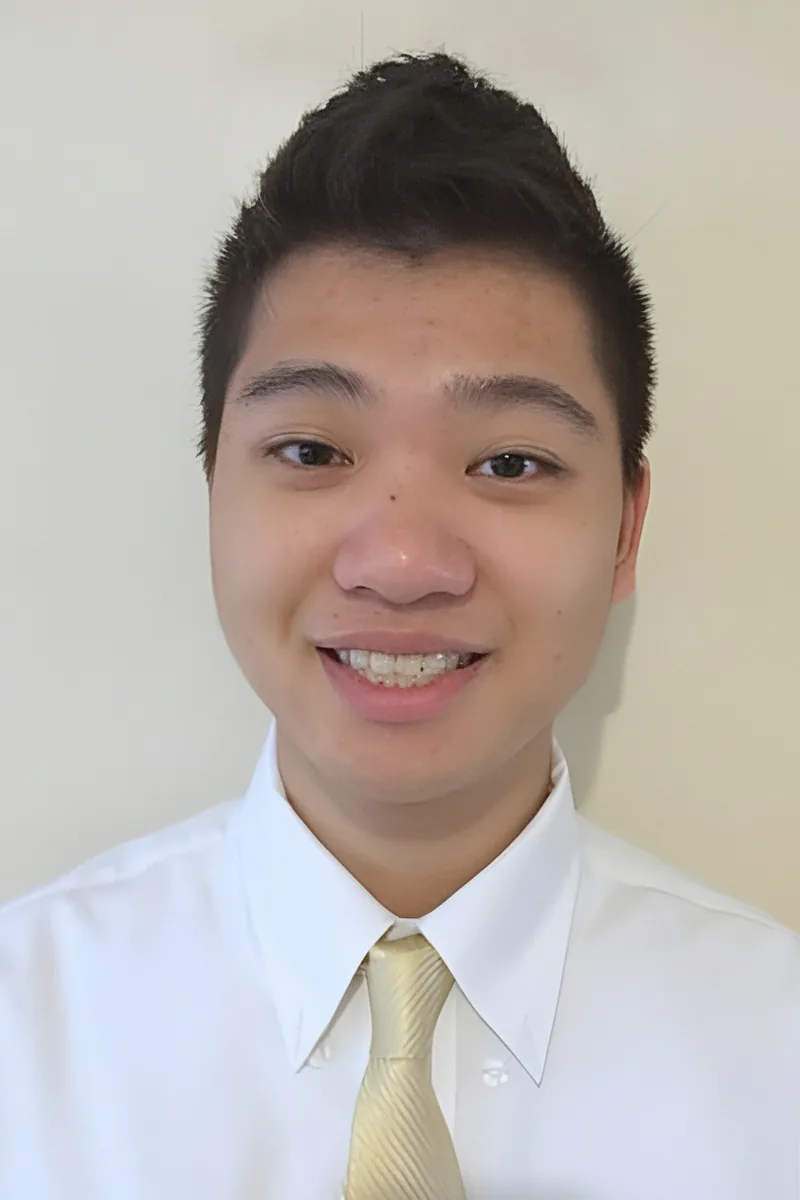
Learning Mandarin means tackling tonal pronunciation, character recognition, and sentence structures that work nothing like English — all at once. Chris teaches across multiple levels of Mandarin Chinese and breaks these challenges apart so students build reading and speaking skills in parallel without feeling overwhelmed.

Mandarin's tonal system and character-based writing can intimidate new learners, but the grammar is more straightforward than most European languages once you see the patterns. As a fluent Mandarin speaker and UCLA math graduate, Alex brings a structured, logical approach to teaching stroke order, radical recognition, and the sentence frameworks that make reading and speaking click.
Learning Mandarin means juggling tones, character recognition, and grammatical structures that have almost nothing in common with English. Caroline teaches conversational and written Mandarin across multiple proficiency levels, connecting pronunciation drills to real dialogue so students internalize patterns instead of just memorizing phrase lists. She's rated 5.0 by students.
Learning Mandarin means tackling tones, character stroke order, and sentence structures that have almost nothing in common with English — and Hugo speaks it natively. He breaks down the logic behind radicals and measure words so students internalize patterns instead of brute-forcing vocabulary lists. Rated 5.0 by students.
Michael earned his bachelor's degree in Chinese, giving him deep familiarity with character writing, tonal pronunciation, and the grammatical structures that trip up English speakers most — measure words, aspect markers, and sentence-final particles. He teaches Mandarin across multiple proficiency levels and understands how to scaffold the jump from pinyin-dependent reading to recognizing characters in context.
Mandarin is Xiang's native language, which means students get more than textbook grammar — they get natural phrasing, tonal precision, and cultural context that only a native speaker can provide. He walks through character structure and stroke order methodically, connecting radicals to meaning so that vocabulary sticks instead of blurring together.
As a native Shanghai speaker and ICA-certified Mandarin instructor with formal accreditation in teaching Chinese as a foreign language, Angela tackles everything from tonal pronunciation and stroke-order writing to classical grammar structures. She designs lessons around how English speakers actually struggle with Mandarin — distinguishing tones, parsing measure words, and building sentence patterns that don't map neatly onto English syntax.
Paul's unusual combination of advanced degrees in French literature and fluency in Mandarin means he understands language acquisition from multiple angles — he knows firsthand what it takes to internalize a tonal system, master character writing, and think in a completely different grammatical framework. He teaches conversational Mandarin at every level, drawing on that multilingual perspective to clarify the patterns and logic behind structures that feel opaque to English speakers. Rated 5.0 by students.
Having taught at a Mandarin school, Nova approaches Chinese instruction with an ear for the tonal precision and character stroke order that textbooks often gloss over. She's particularly effective at bridging the gap between conversational ability and written literacy — teaching students to read and write characters while reinforcing proper pronunciation. Her 5.0 rating speaks to how well that balance works.
Proficient in both Pinyin and Zhuyin (Bopomofo), and fluent in Simplified and Traditional Chinese, Yi brings a rare linguistic range to Mandarin instruction. Her training in phonology, semantics, and Chinese paleography allows her to explain tonal distinctions, character etymology, and grammatical structures at a level most tutors simply can't — whether a student is preparing for AP Chinese or building conversational fluency from scratch.
Learning Mandarin means training your ear for four tones, memorizing character stroke order, and internalizing grammar patterns that have no English equivalent. Tracy grew up speaking Mandarin natively and teaches everything from pinyin fundamentals for beginners to reading comprehension and essay composition for advanced learners.
Tammy teaches Mandarin across four proficiency levels, from foundational character recognition and tonal pronunciation through intermediate reading and composition. Whether a student is wrestling with measure words, aspect particles, or the logic behind radical-based characters, she breaks the language into patterns that make retention easier. Rated 5.0 by students.
JF grew up speaking Mandarin at home and tested that fluency on the SAT Subject Test in Chinese with Listening. He brings a native speaker's intuition for natural phrasing and colloquial usage, which means he can explain why certain word orders sound right to Chinese ears — something textbooks rarely cover well. Rated 5.0 by students.
Native fluency makes a real difference when learning Mandarin's tonal system, character stroke order, and measure words — all areas where textbooks only get you so far. Christine grew up speaking and writing Mandarin in Shanghai and has taught across age groups, so she adjusts naturally between pinyin-based beginners and students ready to tackle paragraph-level composition. She holds a 4.7 rating from the families she's tutored.
Mandarin's tonal system and character-based writing can feel overwhelming without someone who knows how to sequence the learning. Cynthia teaches through all four levels of Mandarin and unpacks tricky concepts like tone pairs, radical recognition, and measure words in ways that build genuine reading and speaking ability.
Learning Mandarin means juggling tones, character recognition, and sentence structures that have almost nothing in common with English. Mandy approaches each of these as a separate skill with its own practice routine — tone drills for speaking, radical-based strategies for reading characters, and pattern exercises for grammar — so progress feels concrete rather than overwhelming.
Beyond classroom fluency, Kathy teaches Mandarin Chinese with attention to the details that trip students up most: tone pairs, measure words, and the logic behind character radicals. She covers reading, writing, and spoken skills, adjusting the balance depending on whether a student is preparing for exams or building practical communication ability.
Testimonials
Because the right Mandarin Chinese tutor makes all the difference.
Average Session Rating – Based on 3.4M Learner Ratings
Nearby Mandarin Chinese Tutors
Other Los Angeles Tutors
Related Languages Tutors in Los Angeles
Frequently Asked Questions
Your first session is an opportunity for a tutor to assess your current level across all four language skills—reading, writing, speaking, and listening. The tutor will ask about your goals (whether you're preparing for AP Chinese, conversational fluency, or HSK certification), identify specific challenges like tones or character recognition, and create a personalized learning plan. This initial conversation helps ensure your tutoring is tailored to your needs from day one.
Mandarin's four tones are notoriously difficult for English speakers, but 1-on-1 tutoring provides the speaking practice and immediate feedback that classroom settings can't offer. A tutor will model correct pronunciation, listen to your tones in real time, and give targeted corrections to help you internalize the differences. Regular conversation practice with a native or near-native speaker dramatically accelerates tone acquisition and helps you develop a natural accent.
Rather than memorizing characters in isolation, effective tutoring combines stroke order, radical recognition, and contextual usage so characters stick in your memory. Tutors often use spaced repetition and practice testing—proven retrieval techniques—to help you retain characters long-term. Writing practice paired with reading reinforces both skills simultaneously, and a tutor can adjust the pace based on whether you're aiming for conversational recognition or full written fluency.
Speaking confidence comes from regular, low-pressure conversation with someone who can gently correct you and push you forward. Varsity Tutors connects you with tutors who create a safe space to practice real-world conversations—ordering food, introducing yourself, discussing interests—rather than drilling grammar rules in isolation. This conversational approach builds fluency faster than textbook study alone, and your tutor adjusts difficulty as you improve.
Yes. HSK (Hanyu Shuiping Kaoshi) and AP Chinese exams test all four skills and require both cultural knowledge and linguistic precision. A tutor familiar with these exams understands the specific format, vocabulary lists, and question types you'll encounter, and can create a targeted study plan with practice tests and timed drills. Many students in Los Angeles prepare for these standardized assessments, and personalized tutoring significantly improves performance on the speaking and writing sections where most students struggle.
The most effective approach blends both. Understanding grammar rules like aspect markers and sentence structure helps you build sentences intentionally, while natural usage and immersion-style practice help you internalize how native speakers actually communicate. A skilled tutor balances explicit instruction with conversational practice, explaining grammar when it clarifies confusion but prioritizing natural, authentic language use so you develop intuition alongside knowledge.
Absolutely. Language and culture are inseparable—understanding Chinese idioms, social customs, and cultural references makes you a more fluent and respectful communicator. Tutors often weave cultural context into lessons, explaining why certain phrases are used in specific situations and helping you navigate nuances that pure grammar study misses. This deeper understanding is especially valuable if you're learning Mandarin to connect with family, travel, or work in Chinese-speaking communities.
Vocabulary sticks when you encounter it repeatedly in meaningful contexts rather than memorizing isolated word lists. Tutors use spaced repetition—reviewing words at increasing intervals—combined with contextual practice so new vocabulary appears in conversations, reading passages, and writing exercises you actually care about. This active retrieval practice is far more effective than passive flashcard study, and your tutor can focus on vocabulary relevant to your goals, whether that's everyday conversation or academic Mandarin.
Let’s find your perfect tutor
Answer a few quick questions. We’ll recommend the right plan and match you with a top 5% tutor.