Award-Winning Mandarin Chinese Tutors
serving San Jose, CA
Mandarin Chinese
Tutors in San Jose
Private 1-on-1 tutoring, weekly live classes for academic support, test prep & enrichment, practice tests and diagnostics, and more to elevate grades and test scores.
Based on 3.4M Learner Ratings
UniversitiesSchools & Universities
DeliveredHours Delivered
ProficiencyGrowth in Proficiency
Who needs tutoring?
No obligation. Takes ~1 minute.
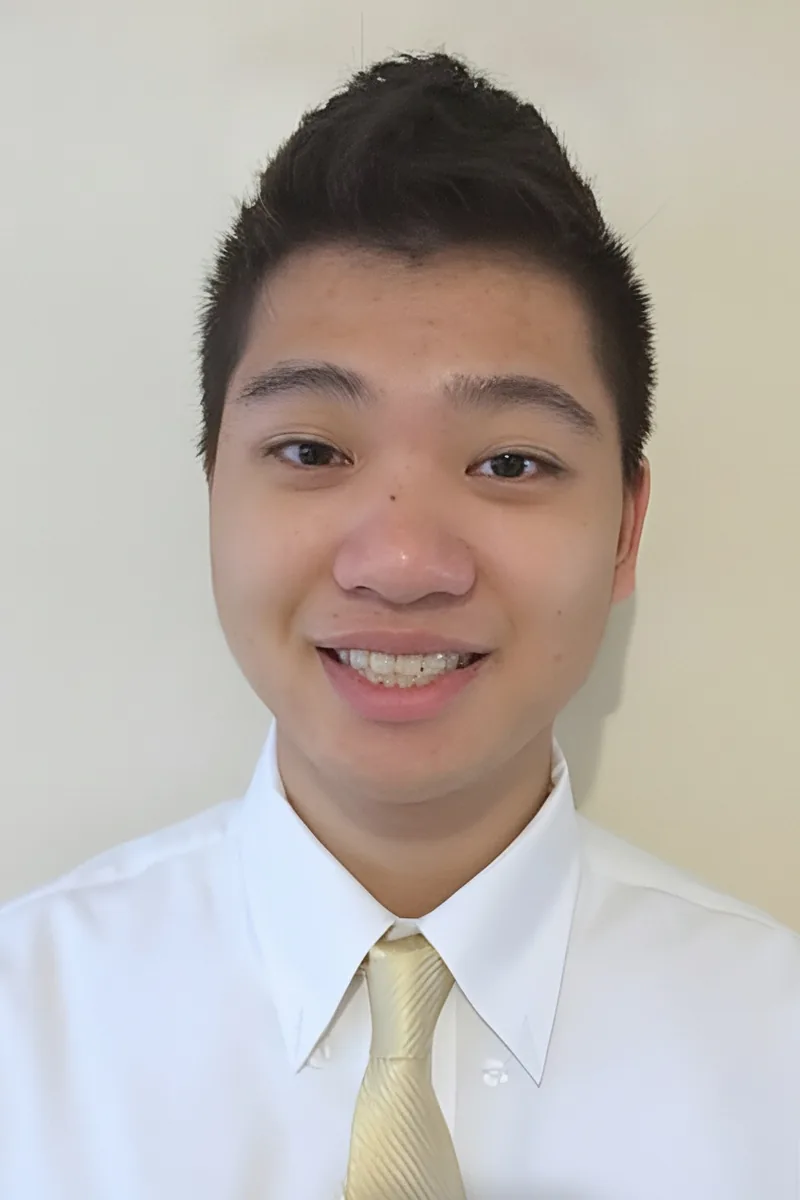
Learning Mandarin means tackling tonal pronunciation, character recognition, and sentence structures that work nothing like English — all at once. Chris teaches across multiple levels of Mandarin Chinese and breaks these challenges apart so students build reading and speaking skills in parallel without feeling overwhelmed.

Mandarin's tonal system and character-based writing can intimidate new learners, but the grammar is more straightforward than most European languages once you see the patterns. As a fluent Mandarin speaker and UCLA math graduate, Alex brings a structured, logical approach to teaching stroke order, radical recognition, and the sentence frameworks that make reading and speaking click.
Learning Mandarin means juggling tones, character recognition, and grammatical structures that have almost nothing in common with English. Caroline teaches conversational and written Mandarin across multiple proficiency levels, connecting pronunciation drills to real dialogue so students internalize patterns instead of just memorizing phrase lists. She's rated 5.0 by students.
Learning Mandarin means tackling tones, character stroke order, and sentence structures that have almost nothing in common with English — and Hugo speaks it natively. He breaks down the logic behind radicals and measure words so students internalize patterns instead of brute-forcing vocabulary lists. Rated 5.0 by students.
Michael earned his bachelor's degree in Chinese, giving him deep familiarity with character writing, tonal pronunciation, and the grammatical structures that trip up English speakers most — measure words, aspect markers, and sentence-final particles. He teaches Mandarin across multiple proficiency levels and understands how to scaffold the jump from pinyin-dependent reading to recognizing characters in context.
Helen teaches Mandarin across beginner and intermediate levels, covering tonal pronunciation, character writing, and sentence structure. She connects grammar patterns to real conversational use, which makes abstract rules like measure words and aspect particles feel intuitive rather than arbitrary.
Learning Mandarin means tackling tonal pronunciation, character recognition, and a grammar system that works nothing like English — all at once. Sherry's linguistics background gives her concrete tools for explaining how Mandarin sentence structure, measure words, and aspect markers actually function, turning what often feels like rote memorization into something more systematic.
Learning Mandarin means tackling tonal pronunciation, character writing, and a grammar system that works nothing like English — all at once. Evelyn speaks Mandarin natively and teaches students to internalize tones and sentence patterns rather than just memorize vocabulary lists. She understands the specific stumbling blocks English speakers face with Mandarin because she navigated the reverse journey herself.
Cindy teaches Mandarin across four course levels, from introductory pinyin and tone work through more advanced reading and conversation — so she can match instruction to wherever a student currently stands. As a current Penn undergrad who balances Mandarin alongside her political science coursework, she brings a learner's perspective on what makes vocabulary and grammar patterns click. Rated 5.0 by students.
Brittaney teaches Mandarin Chinese across four proficiency levels, from character recognition and tonal pronunciation basics through more advanced reading and composition. She connects language learning to cultural context, which makes vocabulary and grammar patterns stick instead of feeling like rote memorization. Her 5.0 rating speaks to how well that approach works for students at every stage.
Tony tutored Mandarin Chinese through a DC-based tutoring company, covering tonal pronunciation, character recognition, and sentence structure. His Yale biology background also means he can connect vocabulary building to systematic memorization techniques that make retention of radicals and compound characters far more manageable.
Learning Mandarin means juggling tones, character recognition, and sentence structures that have almost nothing in common with English. Mandy approaches each of these as a separate skill with its own practice routine — tone drills for speaking, radical-based strategies for reading characters, and pattern exercises for grammar — so progress feels concrete rather than overwhelming.
Learning Mandarin means tackling tones, character recognition, and sentence structures that have almost nothing in common with English. Eric breaks down these challenges systematically, connecting new grammar patterns to ones students already know and building reading fluency through consistent character practice.
Learning Mandarin Chinese requires consistent practice with tonal accuracy, character recognition, and sentence structure — skills that benefit from a patient, methodical tutor. Julie's background in philosophy and statistics at Princeton means she approaches language learning with the same logical rigor she applies to formal proofs, breaking grammar patterns into learnable systems rather than isolated rules.
Native fluency makes a real difference when learning Mandarin's tonal system, character stroke order, and measure words — all areas where textbooks only get you so far. Christine grew up speaking and writing Mandarin in Shanghai and has taught across age groups, so she adjusts naturally between pinyin-based beginners and students ready to tackle paragraph-level composition. She holds a 4.7 rating from the families she's tutored.
Learning Mandarin means training your ear to distinguish four tones that can completely change a word's meaning. Li's academic background in speech and hearing science gives her a technical understanding of how people perceive and produce these tonal differences, which she uses to build targeted pronunciation drills alongside character recognition and conversational practice.
Mandarin's tonal system and character-based writing can feel overwhelming without a structured plan of attack. Zora applies the same analytical problem-solving she uses in her Stanford engineering program to break down radicals, stroke order, and pinyin pronunciation into repeatable, logical steps that build real reading and speaking ability.
Testimonials
Because the right Mandarin Chinese tutor makes all the difference.
Average Session Rating – Based on 3.4M Learner Ratings
Nearby Mandarin Chinese Tutors
Other San Jose Tutors
Related Languages Tutors in San Jose
Frequently Asked Questions
Fluency depends on your starting point and learning intensity, but the U.S. Foreign Service Institute estimates approximately 2,200 hours of study to reach professional proficiency in Mandarin. With personalized 1-on-1 instruction focused on your specific goals—whether conversational fluency, business communication, or academic proficiency—you can accelerate progress significantly. A tutor can tailor the pace to your needs and help you focus on the skills that matter most for your situation.
In a typical San Jose classroom with a 22:1 student-teacher ratio, individual speaking time is limited. With personalized 1-on-1 instruction, you get dedicated conversation practice every session—a tutor can correct your pronunciation in real-time, model natural speech patterns, and adjust difficulty to keep you challenged. This consistent speaking practice is essential for building confidence and developing authentic Mandarin fluency that classroom settings simply can't provide.
Mandarin's four tones (plus neutral tone) are challenging for English speakers, but a tutor can break down each tone's pitch pattern and have you practice repeatedly with immediate feedback. Beyond isolated tone drills, expert tutors teach you to hear and produce tones naturally within real conversations, not just in vocabulary lists. Consistent 1-on-1 practice with corrective feedback is far more effective than self-study or large classroom settings for internalizing proper pronunciation.
Rather than memorizing characters in isolation, effective tutoring connects character learning to meaning, stroke order, and radicals—helping you recognize patterns and retain characters longer. A tutor can also help you decide whether to focus on simplified or traditional characters based on your goals, and integrate writing practice with reading and speaking so characters feel relevant to your communication needs. Spaced repetition and retrieval practice—reviewing characters at strategic intervals—significantly improves retention.
The most effective approach combines both: understanding grammar rules gives you a foundation, but natural Mandarin usage often differs from textbook grammar. Expert tutors teach you grammar concepts while emphasizing how native speakers actually use the language in conversation, idioms, and cultural context. This balance helps you avoid sounding overly formal or textbook-like while building the grammatical accuracy needed for clear communication.
Vocabulary sticks best when you encounter words in meaningful contexts—through conversation, reading materials tied to your interests, and repeated use across multiple sessions. A tutor can use retrieval practice (testing yourself on previously learned words) and spaced repetition to move vocabulary from short-term to long-term memory. Rather than memorizing isolated word lists, personalized instruction helps you build vocabulary that connects to real situations you'll actually use.
Language and culture are deeply connected—understanding Chinese cultural references, communication styles, and social norms helps you use Mandarin authentically and avoid misunderstandings. Expert tutors weave cultural insights into lessons, explaining not just what to say but when, how, and why certain expressions are appropriate. This cultural fluency is especially valuable for students in San Jose's diverse community who want to connect meaningfully with Mandarin speakers.
Look for tutors with native or near-native fluency, teaching experience, and expertise in the specific skills you need—whether that's conversational Mandarin, HSK exam preparation, or academic Chinese. Ideally, a tutor understands how English speakers learn Mandarin and can explain grammar and pronunciation in relatable terms. Varsity Tutors connects you with expert Mandarin tutors for students in San Jose who are matched to your learning level and goals.
Let’s find your perfect tutor
Answer a few quick questions. We’ll recommend the right plan and match you with a top 5% tutor.