Award-Winning Mandarin Chinese Tutors
serving Mission Viejo, CA
Mandarin Chinese
Tutors in Mission Viejo
Private 1-on-1 tutoring, weekly live classes for academic support, test prep & enrichment, practice tests and diagnostics, and more to elevate grades and test scores.
Based on 3.4M Learner Ratings
UniversitiesSchools & Universities
DeliveredHours Delivered
ProficiencyGrowth in Proficiency
Who needs tutoring?
No obligation. Takes ~1 minute.
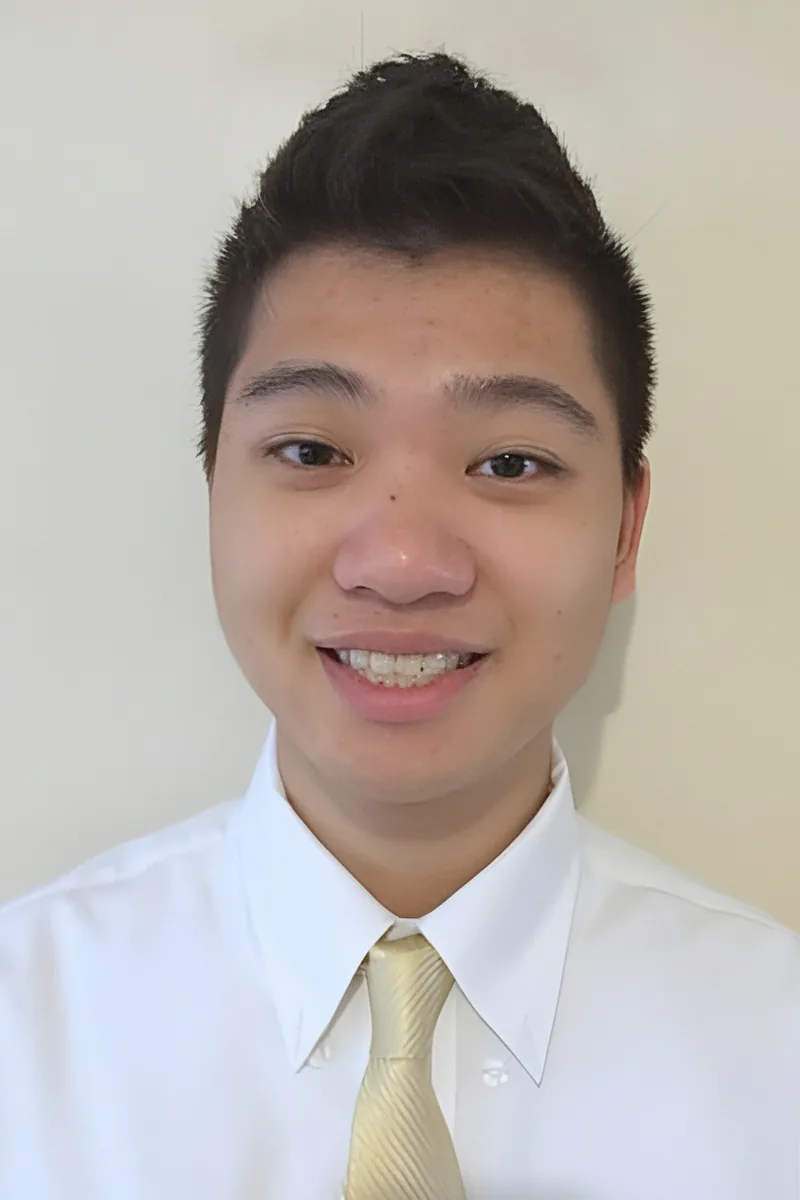
Learning Mandarin means tackling tonal pronunciation, character recognition, and sentence structures that work nothing like English — all at once. Chris teaches across multiple levels of Mandarin Chinese and breaks these challenges apart so students build reading and speaking skills in parallel without feeling overwhelmed.

Mandarin's tonal system and character-based writing can intimidate new learners, but the grammar is more straightforward than most European languages once you see the patterns. As a fluent Mandarin speaker and UCLA math graduate, Alex brings a structured, logical approach to teaching stroke order, radical recognition, and the sentence frameworks that make reading and speaking click.
Learning Mandarin means juggling tones, character recognition, and grammatical structures that have almost nothing in common with English. Caroline teaches conversational and written Mandarin across multiple proficiency levels, connecting pronunciation drills to real dialogue so students internalize patterns instead of just memorizing phrase lists. She's rated 5.0 by students.
Learning Mandarin means tackling tones, character stroke order, and sentence structures that have almost nothing in common with English — and Hugo speaks it natively. He breaks down the logic behind radicals and measure words so students internalize patterns instead of brute-forcing vocabulary lists. Rated 5.0 by students.
Michael earned his bachelor's degree in Chinese, giving him deep familiarity with character writing, tonal pronunciation, and the grammatical structures that trip up English speakers most — measure words, aspect markers, and sentence-final particles. He teaches Mandarin across multiple proficiency levels and understands how to scaffold the jump from pinyin-dependent reading to recognizing characters in context.
Yan is a Chinese language tutor who brings both native fluency and formal teaching training to Mandarin instruction. She tackles tones, character writing, and conversational patterns by designing custom materials that match each student's level — whether they're learning pinyin basics or preparing for more advanced reading and composition. Her four years of classroom teaching in Boston sharpened her ability to explain tricky grammar structures in ways that actually stick.
Learning Mandarin means tackling tones, character recognition, and sentence structures that have almost nothing in common with English. Eric breaks down these challenges systematically, connecting new grammar patterns to ones students already know and building reading fluency through consistent character practice.
Learning Mandarin means training your ear for four tones, memorizing character stroke order, and internalizing a grammar system that works nothing like English. Chang has taught Mandarin to everyone from high schoolers to intelligence agency professionals, adapting his methods to each learner's level and goals. His background in Chinese philosophy and culture adds depth that makes vocabulary and grammar stick in context rather than in isolation.
Florence's Chinese proficiency is strong enough that she sat for the SAT Subject Test in Chinese with Listening, giving her real experience with the listening comprehension, reading, and writing skills that Mandarin learners need to develop. She tackles tricky areas like measure words, sentence-final particles, and character recognition with a methodical approach shaped by her computer science training at Duke.
Mandarin was at the center of Jacob's University of Chicago degree, where he studied the language alongside Chinese history, literature, and culture. That immersion means he can explain not just how characters and tones work but why certain grammatical structures exist — connecting vocabulary to the cultural logic behind it. He's developing his own acquisition methods designed to accelerate real conversational fluency.
Having taught at a Mandarin school, Nova approaches Chinese instruction with an ear for the tonal precision and character stroke order that textbooks often gloss over. She's particularly effective at bridging the gap between conversational ability and written literacy — teaching students to read and write characters while reinforcing proper pronunciation. Her 5.0 rating speaks to how well that balance works.
Learning Mandarin means juggling tones, character recognition, and grammatical structures that have almost nothing in common with English. Ting's two degrees in Chinese Studies give her an academic command of the language, while her teaching background means she can explain tricky concepts like measure words, aspect particles, and stroke order in ways that click. Rated 5.0 by students.
Learning Mandarin means juggling tones, character recognition, and a grammar structure that looks nothing like English — all at once. Andrew has studied Mandarin through multiple levels and tackles each of these layers separately before combining them, so students build real reading and speaking ability instead of just memorizing phrases.
Cindy teaches Mandarin across four course levels, from introductory pinyin and tone work through more advanced reading and conversation — so she can match instruction to wherever a student currently stands. As a current Penn undergrad who balances Mandarin alongside her political science coursework, she brings a learner's perspective on what makes vocabulary and grammar patterns click. Rated 5.0 by students.
As a native speaker of both Mandarin and Cantonese, KC understands the tonal system and character logic from the inside — she doesn't just teach pinyin drills but explains why tone pairs shift in conversation and how radicals reveal a character's meaning. Her genuine love of Chinese culture and language means lessons often connect vocabulary to real cultural context, from idioms rooted in classical literature to modern slang. She calls Chinese her favorite subject to teach, and her 4.9 student rating backs that up.
Having prepared for and taken the SAT Subject Test in Chinese with Listening, Eileen knows firsthand where English speakers stumble — tonal distinctions, measure words, and character recognition under pressure. She breaks Mandarin practice into targeted drills that build reading fluency and listening comprehension simultaneously.
Learning Mandarin means tackling tonal pronunciation, character recognition, and a grammar system that works nothing like English — all at once. Sherry's linguistics background gives her concrete tools for explaining how Mandarin sentence structure, measure words, and aspect markers actually function, turning what often feels like rote memorization into something more systematic.
Testimonials
Because the right Mandarin Chinese tutor makes all the difference.
Average Session Rating – Based on 3.4M Learner Ratings
Nearby Mandarin Chinese Tutors
Other Mission Viejo Tutors
Related Languages Tutors in Mission Viejo
Frequently Asked Questions
Your first session is an opportunity for a tutor to assess your current level across all four skills—reading, writing, speaking, and listening—and understand your specific goals. Whether you're starting from scratch or building on classroom learning from one of Mission Viejo's schools, the tutor will create a personalized plan tailored to your needs and learning pace.
One of the biggest advantages of personalized instruction is dedicated speaking practice in a low-pressure environment. A tutor can provide real-time feedback on your pronunciation, tone, and conversational flow—something that's difficult to get in a classroom setting. Regular conversation practice with an expert tutor builds confidence and helps you develop natural fluency rather than just memorizing phrases.
Tones and character writing are foundational skills that require consistent, targeted practice. A tutor can break down the four tones with clear examples, help you recognize tone patterns in real speech, and teach character writing systematically—starting with radicals and stroke order. Spaced repetition and retrieval practice (testing yourself regularly) are proven techniques for retaining characters long-term, and a tutor can build these into your study routine.
Vocabulary sticks best when you learn words in context and use them actively in conversation. A tutor can introduce new vocabulary through relevant topics, have you practice using words in sentences, and revisit them over time to strengthen retention. This approach is far more effective than memorizing isolated word lists, and a tutor can customize vocabulary to match your interests and real-world needs.
The most effective approach combines both. Understanding key grammar structures—like sentence patterns, measure words, and aspect markers—gives you a framework for speaking and writing correctly. But a tutor emphasizes natural usage by showing you how these rules work in real conversations and authentic materials, so you develop intuition alongside understanding. This balance helps you speak more fluently and confidently.
Absolutely. Language and culture are deeply connected, and understanding cultural context helps you communicate more authentically and appreciate nuances in speech and writing. A tutor can incorporate cultural elements—like common expressions, etiquette, and references—into your lessons, which enriches your learning and makes the language feel more meaningful and connected to real life.
Reaching professional-level proficiency typically requires around 2,200 hours of study according to language learning research. However, conversational fluency—where you can handle everyday situations—can develop much faster with consistent, focused practice. Your timeline depends on your starting level, how frequently you study, and the intensity of your tutoring. A tutor can help you set realistic milestones and track your progress.
Yes. With Mission Viejo's average student-teacher ratio of about 21 students per teacher, classroom instruction can't always provide the individualized speaking practice and targeted feedback that accelerates progress. A tutor can reinforce what you're learning in class, fill gaps in understanding, and give you extra conversation practice to build confidence and improve your grade.
Let’s find your perfect tutor
Answer a few quick questions. We’ll recommend the right plan and match you with a top 5% tutor.