Award-Winning Mandarin Chinese Tutors
serving Oxnard, CA
Mandarin Chinese
Tutors in Oxnard
Private 1-on-1 tutoring, weekly live classes for academic support, test prep & enrichment, practice tests and diagnostics, and more to elevate grades and test scores.
Based on 3.4M Learner Ratings
UniversitiesSchools & Universities
DeliveredHours Delivered
ProficiencyGrowth in Proficiency
Who needs tutoring?
No obligation. Takes ~1 minute.
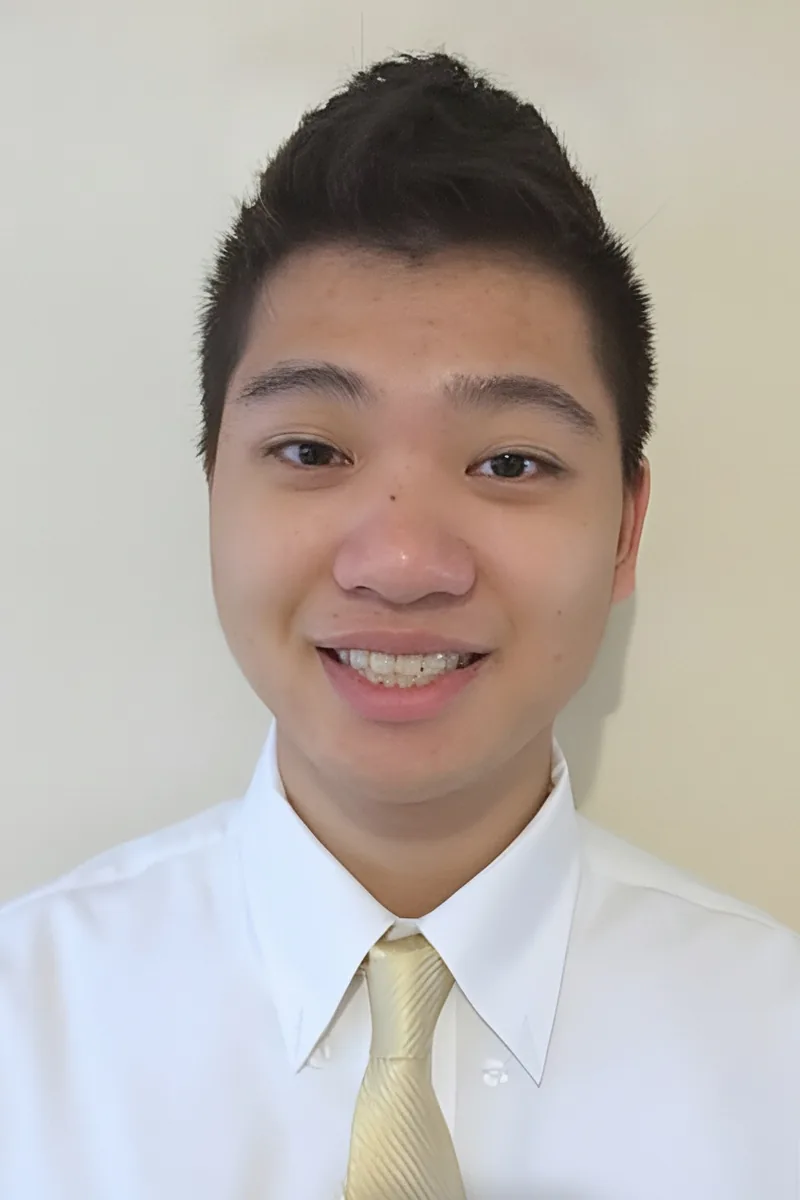
Learning Mandarin means tackling tonal pronunciation, character recognition, and sentence structures that work nothing like English — all at once. Chris teaches across multiple levels of Mandarin Chinese and breaks these challenges apart so students build reading and speaking skills in parallel without feeling overwhelmed.

Mandarin's tonal system and character-based writing can intimidate new learners, but the grammar is more straightforward than most European languages once you see the patterns. As a fluent Mandarin speaker and UCLA math graduate, Alex brings a structured, logical approach to teaching stroke order, radical recognition, and the sentence frameworks that make reading and speaking click.
Learning Mandarin means juggling tones, character recognition, and grammatical structures that have almost nothing in common with English. Caroline teaches conversational and written Mandarin across multiple proficiency levels, connecting pronunciation drills to real dialogue so students internalize patterns instead of just memorizing phrase lists. She's rated 5.0 by students.
Learning Mandarin means tackling tones, character stroke order, and sentence structures that have almost nothing in common with English — and Hugo speaks it natively. He breaks down the logic behind radicals and measure words so students internalize patterns instead of brute-forcing vocabulary lists. Rated 5.0 by students.
Michael earned his bachelor's degree in Chinese, giving him deep familiarity with character writing, tonal pronunciation, and the grammatical structures that trip up English speakers most — measure words, aspect markers, and sentence-final particles. He teaches Mandarin across multiple proficiency levels and understands how to scaffold the jump from pinyin-dependent reading to recognizing characters in context.
Tammy teaches Mandarin across four proficiency levels, from foundational character recognition and tonal pronunciation through intermediate reading and composition. Whether a student is wrestling with measure words, aspect particles, or the logic behind radical-based characters, she breaks the language into patterns that make retention easier. Rated 5.0 by students.
Martin's anthropology fieldwork required deep engagement with Mandarin Chinese — not just vocabulary lists but tonal precision, character recognition, and the cultural logic behind the language. His PhD-level research background means he can explain how Mandarin grammar structures thought differently than English, making concepts like measure words and aspect markers click for learners at any level.
Learning Mandarin means juggling tonal pronunciation, character recognition, and grammatical structures that work nothing like English. Jennifer teaches across multiple levels of Mandarin and can walk students through everything from radical-based character memorization to sentence patterns using 把 and 被 constructions. Her conversational fluency adds a practical dimension that pure textbook study often misses.
Cindy teaches Mandarin across four course levels, from introductory pinyin and tone work through more advanced reading and conversation — so she can match instruction to wherever a student currently stands. As a current Penn undergrad who balances Mandarin alongside her political science coursework, she brings a learner's perspective on what makes vocabulary and grammar patterns click. Rated 5.0 by students.
Learning Mandarin means juggling tones, character recognition, and sentence structures that have almost nothing in common with English. Mandy approaches each of these as a separate skill with its own practice routine — tone drills for speaking, radical-based strategies for reading characters, and pattern exercises for grammar — so progress feels concrete rather than overwhelming.
Learning Mandarin means juggling tones, character recognition, and a grammar structure that looks nothing like English — all at once. Andrew has studied Mandarin through multiple levels and tackles each of these layers separately before combining them, so students build real reading and speaking ability instead of just memorizing phrases.
Learning Mandarin means tackling tones, character recognition, and sentence structures that have almost nothing in common with English. Eric breaks down these challenges systematically, connecting new grammar patterns to ones students already know and building reading fluency through consistent character practice.
As a Mandarin speaker, Jessy tackles the aspects of the language that trip up English-speaking learners most — tonal pronunciation, character stroke order, and the logic behind measure words and sentence structure. She uses a mix of conversation practice and written drills to build both spoken fluency and reading recognition simultaneously.
Learning Mandarin means training your ear to distinguish four tones that can completely change a word's meaning. Li's academic background in speech and hearing science gives her a technical understanding of how people perceive and produce these tonal differences, which she uses to build targeted pronunciation drills alongside character recognition and conversational practice.
Beyond classroom fluency, Kathy teaches Mandarin Chinese with attention to the details that trip students up most: tone pairs, measure words, and the logic behind character radicals. She covers reading, writing, and spoken skills, adjusting the balance depending on whether a student is preparing for exams or building practical communication ability.
Learning Mandarin means training your ear for tonal distinctions and building comfort with a writing system that has no alphabet. Yuyi is a native speaker who also understands English-language learning patterns deeply, so she can pinpoint exactly where pronunciation, character recognition, or sentence structure is breaking down for each student.
Learning Mandarin Chinese requires consistent practice with tonal accuracy, character recognition, and sentence structure — skills that benefit from a patient, methodical tutor. Julie's background in philosophy and statistics at Princeton means she approaches language learning with the same logical rigor she applies to formal proofs, breaking grammar patterns into learnable systems rather than isolated rules.
Testimonials
Because the right Mandarin Chinese tutor makes all the difference.
Average Session Rating – Based on 3.4M Learner Ratings
Nearby Mandarin Chinese Tutors
Other Oxnard Tutors
Related Languages Tutors in Oxnard
Frequently Asked Questions
Varsity Tutors matches Oxnard students with expert Mandarin Chinese tutors for 1-on-1 instruction. We pair each student with a tutor based on their specific needs, learning style, and goals.
Whether you need homework help, exam prep, or want to get ahead, our Mandarin Chinese tutors are ready to help.
Common challenges include gaps from earlier material, difficulty with specific concepts, and trouble applying learning to new problems. These issues can snowball quickly in Mandarin Chinese.
A tutor identifies where you're stuck, fills in gaps, and provides targeted practice. The 1-on-1 format means you get help exactly where you need it.
Tutors work with your student's actual coursework—homework assignments, class notes, and upcoming tests. This keeps tutoring directly relevant to what's happening in the classroom.
When you share information about your student's school and curriculum, we can match you with a tutor who has relevant experience.
All tutors complete background checks, credential verification, and teaching evaluation. Many of our Mandarin Chinese tutors hold advanced degrees or have years of teaching experience.
You can review tutor profiles to find someone with the right background for your student's level and needs.
Many students see improved grades within a few weeks, along with better understanding of Mandarin Chinese concepts and more confidence tackling challenging material.
Tutors track progress and adjust their approach to ensure continued improvement.
Most students benefit from 1-2 sessions per week. More frequent sessions help if your student is significantly behind or has an important exam coming up.
Your tutor can recommend a schedule based on your student's specific situation and goals.
Tutoring is purchased in packages of hours, with rates varying by tutor experience. Varsity Tutors offers several options to fit different budgets and needs.
You can discuss pricing during your consultation to find what works best.
Your tutor will assess where your student is, discuss goals, and start working on priority areas. Most students bring current homework or upcoming test material to focus on.
By the end, you'll have a clear sense of how the tutor can help and a plan for moving forward.
Let’s find your perfect tutor
Answer a few quick questions. We’ll recommend the right plan and match you with a top 5% tutor.