Award-Winning Mandarin Chinese Tutors
serving Bridgeport, CT
Mandarin Chinese
Tutors in Bridgeport
Private 1-on-1 tutoring, weekly live classes for academic support, test prep & enrichment, practice tests and diagnostics, and more to elevate grades and test scores.
Based on 3.4M Learner Ratings
UniversitiesSchools & Universities
DeliveredHours Delivered
ProficiencyGrowth in Proficiency
Who needs tutoring?
No obligation. Takes ~1 minute.
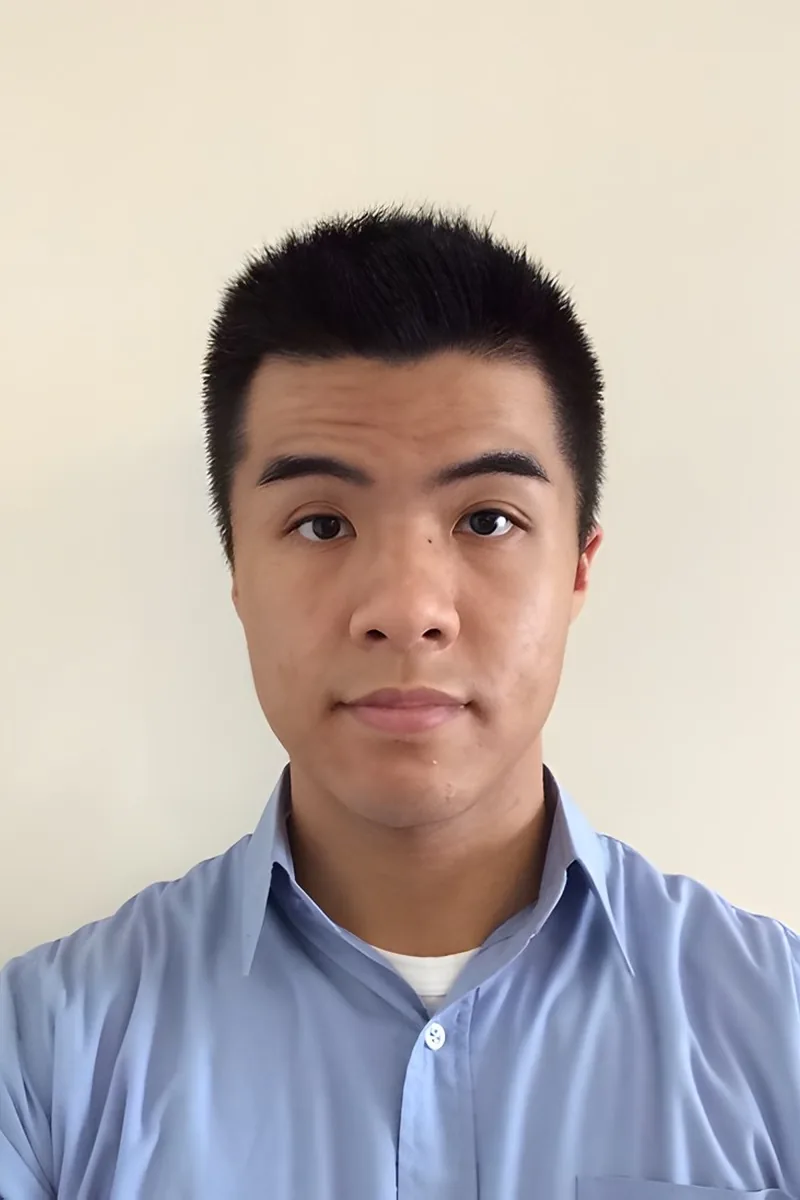
Mandarin's tonal system and character-based writing can feel overwhelming without a clear method for separating what you already recognize from what still needs work. Bowen speaks Mandarin and structures each session around that diagnostic approach — identifying whether a student needs more time on tone pairs, radical recognition, or sentence patterns, then drilling those gaps specifically.

Luke isn't just a Mandarin student — he's a genuine enthusiast of Chinese culture who brings that depth to every lesson. He tackles tonal pronunciation, character stroke order, and sentence structure with the patience of someone who remembers exactly what tripped him up at each stage of learning the language.
Learning Mandarin means juggling tones, character recognition, and a grammar system that works nothing like English — no conjugation, no articles, but a web of particles and classifiers that carry meaning. Christina teaches every level from beginner through AP, so she understands the full arc of where a student is headed and what foundations matter most right now. She connects vocabulary and sentence patterns to real usage so the language sticks beyond flashcard drills.
Learning Mandarin means wrestling with tones, character stroke order, and a grammar structure that has almost nothing in common with English. Jess speaks Mandarin as part of her diplomacy-focused studies at UNC Chapel Hill and teaches it at multiple levels, from pinyin fundamentals through complex sentence patterns and reading comprehension.
Learning Mandarin means juggling tones, character recognition, and a grammar structure that works nothing like English — all at once. Ting tackles each layer separately before weaving them together, using her background as a native speaker and trained educator to make stroke order, pinyin, and sentence patterns feel manageable. She brings genuine enthusiasm to the process, which makes a real difference in a language that rewards consistent, patient practice.
Caroline majored in Chinese at Notre Dame, building fluency across reading, writing, and spoken Mandarin over four years of intensive study. She breaks down tonal pronunciation, character stroke order, and sentence structure (like the placement of time words before verbs) in ways that make the language's logic click for newer learners. Rated 5.0 by students.
Having traveled to China several times and actively practiced Mandarin in real-world settings, Jonathan teaches the language with an ear for how it's actually spoken — tones, measure words, and conversational flow. He connects character recognition to meaning in ways that stick, making early Mandarin study less intimidating. His 5.0 rating speaks to how well that approach lands.
Mandarin's tonal system and character-based writing can feel overwhelming without someone who knows how to sequence the learning. Cynthia teaches through all four levels of Mandarin and unpacks tricky concepts like tone pairs, radical recognition, and measure words in ways that build genuine reading and speaking ability.
Tackling Mandarin means mastering tones, radicals, and measure words all at once, and June breaks each of these down systematically rather than expecting students to absorb them through repetition alone. Her engineering mindset at Brown carries over: she treats character memorization as a pattern-recognition problem, grouping radicals and phonetic components so new vocabulary builds on what students already know.
Teaching Mandarin through all four levels — from tones and stroke order to advanced reading and composition — Tina draws on her Columbia training in applied linguistics to explain how the language actually works structurally. That means students learn not just vocabulary lists but the logic behind character formation, measure words, and sentence patterns that make Mandarin click.
Tony tutored Mandarin Chinese through a DC-based tutoring company, covering tonal pronunciation, character recognition, and sentence structure. His Yale biology background also means he can connect vocabulary building to systematic memorization techniques that make retention of radicals and compound characters far more manageable.
Having taught at a Mandarin school, Nova approaches Chinese instruction with an ear for the tonal precision and character stroke order that textbooks often gloss over. She's particularly effective at bridging the gap between conversational ability and written literacy — teaching students to read and write characters while reinforcing proper pronunciation. Her 5.0 rating speaks to how well that balance works.
Helen teaches Mandarin across beginner and intermediate levels, covering tonal pronunciation, character writing, and sentence structure. She connects grammar patterns to real conversational use, which makes abstract rules like measure words and aspect particles feel intuitive rather than arbitrary.
Learning Mandarin means tackling tones, character recognition, and a grammar structure that works nothing like English — and Lisa addresses all three without overwhelming students. She breaks down sentence patterns like topic-comment structure and measure words so that students understand the logic of the language, not just isolated vocabulary lists. Her anthropological perspective also brings in cultural context that makes phrases and expressions feel meaningful rather than arbitrary.
Mandarin's tonal system and character-based writing can feel overwhelming without a structured plan of attack. Zora applies the same analytical problem-solving she uses in her Stanford engineering program to break down radicals, stroke order, and pinyin pronunciation into repeatable, logical steps that build real reading and speaking ability.
Mandarin is Xiang's native language, which means students get more than textbook grammar — they get natural phrasing, tonal precision, and cultural context that only a native speaker can provide. He walks through character structure and stroke order methodically, connecting radicals to meaning so that vocabulary sticks instead of blurring together.
Native fluency makes a real difference when learning Mandarin's tonal system, character stroke order, and measure words — all areas where textbooks only get you so far. Christine grew up speaking and writing Mandarin in Shanghai and has taught across age groups, so she adjusts naturally between pinyin-based beginners and students ready to tackle paragraph-level composition. She holds a 4.7 rating from the families she's tutored.
Testimonials
Because the right Mandarin Chinese tutor makes all the difference.
Average Session Rating – Based on 3.4M Learner Ratings
Nearby Mandarin Chinese Tutors
Other Bridgeport Tutors
Related Languages Tutors in Bridgeport
Frequently Asked Questions
Fluency depends on your starting level and study intensity. The U.S. Foreign Service Institute estimates approximately 2,200 hours of study to reach professional proficiency in Mandarin—typically 1-2 years with consistent, focused practice. Personalized 1-on-1 instruction accelerates progress by targeting your specific gaps and providing daily conversation practice, which is essential for developing speaking confidence and natural pronunciation that classroom settings often can't provide.
Speaking is critical because Mandarin requires mastering tones, natural rhythm, and conversational patterns that can't be learned through reading or writing alone. In a typical classroom with a 13.6:1 student-teacher ratio, students get limited individual speaking time. Personalized 1-on-1 instruction provides dedicated conversation practice where tutors can correct your pronunciation in real-time, model natural speech patterns, and help you build confidence speaking without the pressure of a classroom environment.
Learning to write Chinese characters requires understanding stroke order, radicals, and the logic behind character construction—not just memorization. Expert tutors break down complex characters into manageable components and use spaced repetition techniques to help characters stick in your long-term memory. They also connect written characters to speaking and listening, so you develop all four language skills together rather than treating writing as a separate, isolated task.
Tones are fundamental to Mandarin—mispronouncing a tone changes the word's meaning entirely. The most effective approach combines listening to native speakers, immediate feedback on your own pronunciation, and consistent practice. Personalized tutoring allows tutors to listen carefully to your tones, identify which ones are challenging, and provide targeted exercises to correct them. This one-on-one feedback is invaluable because tone errors are easy to miss on your own but obvious to a trained ear.
The most effective approach combines both. Understanding grammar rules gives you a foundation, but Mandarin is best learned through natural usage and context—native speakers don't consciously apply grammar rules when speaking. Expert tutors balance explicit grammar instruction with conversational practice, so you understand the 'why' behind sentence structures while also developing the intuition that comes from hearing and using language naturally. This blend helps you move beyond textbook Mandarin to authentic, fluent communication.
Vocabulary retention improves dramatically when words are learned in context and used repeatedly across different skills—speaking, listening, reading, and writing. Rather than memorizing isolated word lists, personalized tutoring connects new vocabulary to real conversations, cultural examples, and practical situations you care about. Tutors also use retrieval practice techniques, where they revisit vocabulary strategically over time to move it from short-term to long-term memory, ensuring words stick and become part of your active vocabulary.
Yes—language and culture are deeply connected. Understanding cultural context helps you grasp why certain phrases are used, what's considered polite or informal, and how to communicate authentically. Expert tutors weave cultural insights into lessons, explaining idioms, social norms, and historical references that shape how native speakers communicate. This cultural foundation makes your Mandarin more natural and helps you connect with Chinese speakers on a deeper level, not just exchange words.
Your first session is about assessment and connection. A tutor will evaluate your current level across all four skills—reading, writing, speaking, and listening—and learn about your goals, whether that's conversational fluency, exam preparation, or professional communication. They'll also discuss your learning style and any specific challenges you're facing. From there, they'll create a personalized plan that targets your priorities and builds momentum from day one.
Let’s find your perfect tutor
Answer a few quick questions. We’ll recommend the right plan and match you with a top 5% tutor.