Award-Winning Elementary School Reading Tutors
serving Bridgeport, CT
Elementary School Reading
Tutors in Bridgeport
Private 1-on-1 tutoring, weekly live classes for academic support, test prep & enrichment, practice tests and diagnostics, and more to elevate grades and test scores.
Based on 3.4M Learner Ratings
UniversitiesSchools & Universities
DeliveredHours Delivered
ProficiencyGrowth in Proficiency
Who needs tutoring?
No obligation. Takes ~1 minute.
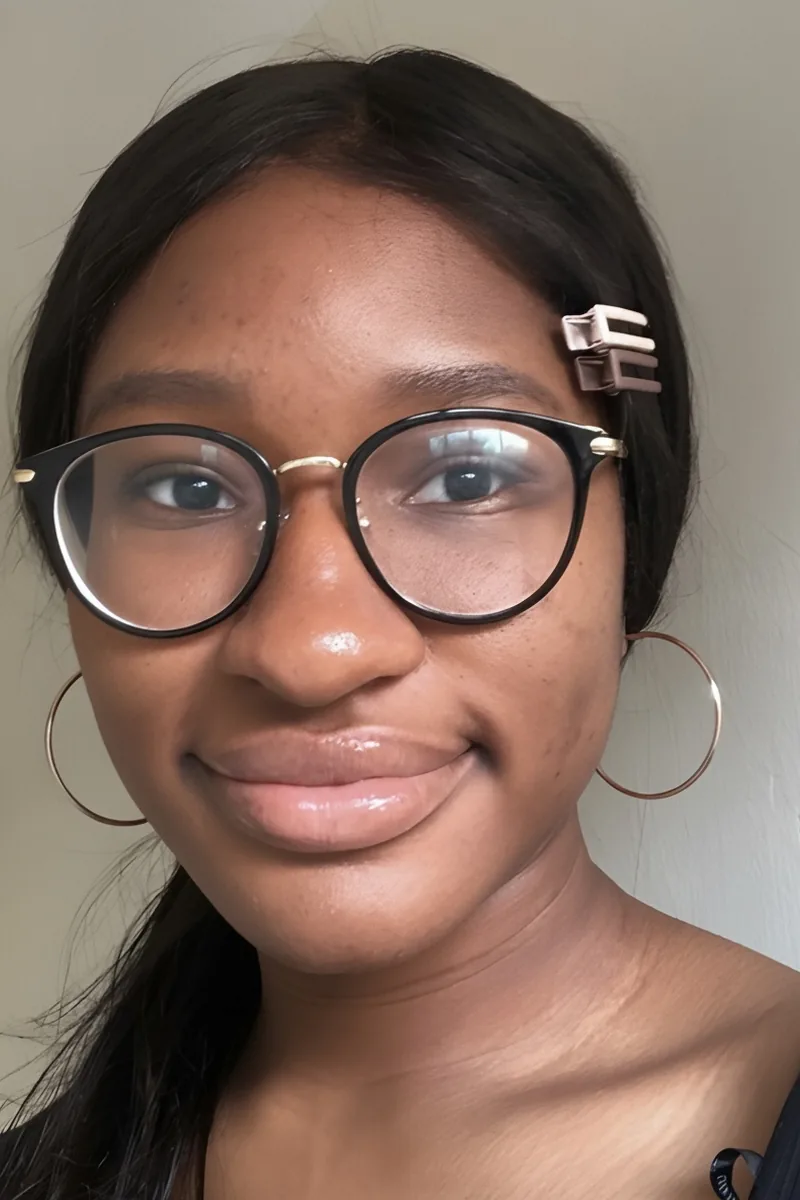
Early reading clicks when a child connects decoding skills to actual meaning — sounding out a word and understanding what it says in context. Tolu works on phonics patterns, sight word recognition, and read-aloud fluency, adjusting her pace to each student's comfort level. Her 5.0 rating speaks to her patience and ability to make reading sessions feel like discovery rather than drill.
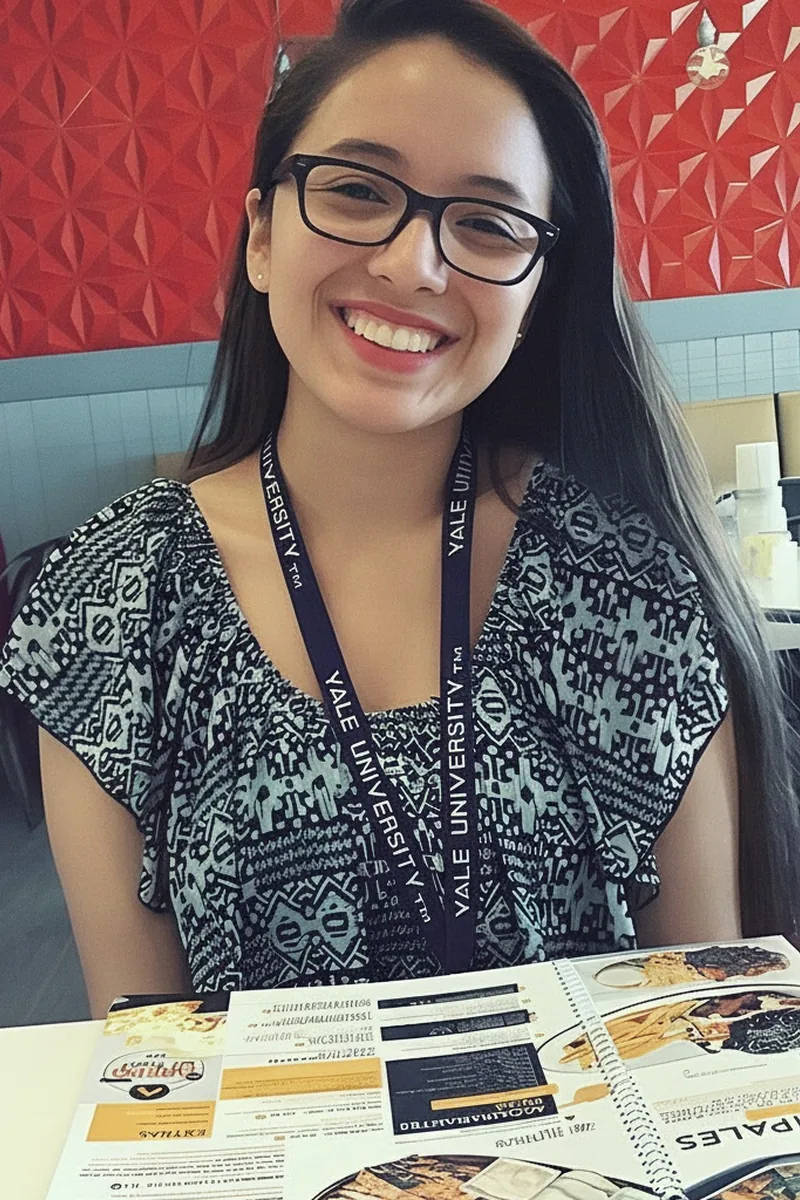
A self-described book lover studying at Yale, Stephanie knows that early reading skills — phonics, sight words, fluency, and basic comprehension — shape everything that comes after in a student's academic life. She makes reading practice engaging by connecting stories to what kids already care about, building the kind of confidence that turns reluctant readers into curious ones.
Early reading clicks when a child connects decoding skills to actual meaning — sounding out a word and understanding why it matters in the story. Mia's approach pairs phonics and sight-word practice with engaging read-alouds that build vocabulary and comprehension together. Her experience as a performer gives her a natural energy with younger learners that keeps reading sessions lively.
I am a musician, educator, and philosopher based in New Haven, Connecticut. I studied at UCLA graduating Cum Laude with degrees in Music Performance, Education, and Philosophy. I have been tutoring private music lessons and academic subjects for over 5 years now, and I work as a substitute teacher across Connecticut. My favorite subjects to tutor are Music, English, and Reading/Writing Skills, but I am capable of tutoring various Historical subjects, Math, and Science as well.
Before a student can love books, they need to feel confident picking one up. Sophie's Humanities background at Yale started with a deep love of reading, and she channels that into building fluency, vocabulary, and comprehension strategies tailored to each young reader's level.
Phonics and decoding are only half the equation — elementary readers also need to understand what a story is actually saying and why it matters. Ryan teaches kids to make predictions, identify character motivations, and retell events in sequence, building the comprehension habits that carry through every grade. His psychology background gives him a strong sense of how young learners process new information.
Two years of teaching ancient history to elementary students taught Julia something crucial about early reading: kids engage when the material connects to a story they care about. She uses that instinct to build phonics, fluency, and comprehension skills through texts that actually hold a young reader's attention — not just worksheets.
Early reading is all about building the habits that make harder texts possible later — things like identifying the main idea of a passage, making predictions, and understanding new vocabulary from context clues. Paul keeps sessions interactive and encouraging, so young readers stay engaged rather than frustrated when a text gets challenging.
Early reading clicks when a child learns to connect sounds, letters, and meaning — not just decode words on a page. Pinelopi uses her psychology background from Duke to tailor phonics, vocabulary, and comprehension strategies to how each young reader actually processes information. Rated 5.0 by students and families.
Young readers build confidence when someone sits with them through the tricky parts — decoding unfamiliar words, making predictions about what happens next, and connecting a story's events to their own experiences. Alice's background as a K-12 math center instructor taught her how to match explanations to a child's level, and she brings that same patience and adaptability to reading comprehension and fluency.
Phonics, sight words, and early chapter books each demand a different kind of support, and Jessy tailors her approach to wherever a young reader currently is in that progression. Her background in both science and the arts means she pulls from a wide range of texts to find what actually sparks a child's curiosity — which is usually what gets reading to click.
Reading at the elementary level is about more than decoding words — it's building the habit of asking questions about what's on the page. Sanjana teaches young readers to identify main ideas, make predictions, and connect stories to their own experiences. She keeps sessions interactive so kids stay engaged rather than passively reading aloud.
Getting a child to love reading early changes everything that comes after. Annabel teaches phonics, sight words, and basic comprehension strategies like predicting and summarizing, turning each reading session into an active conversation about the story rather than a passive exercise.
Andrew's own wide-ranging reading habits — from Mandarin texts to AP-level political analysis — give him a genuine curiosity about language that younger readers pick up on quickly. He teaches elementary students to tackle unfamiliar words by breaking them into smaller parts and to check their own understanding by pausing to summarize what just happened on the page. Rated 4.9 by families he's worked with.
Object-based learning — examining a picture, artifact, or illustration before diving into text — is one of the most effective ways to build reading skills in younger students. Mimi developed this technique through years of museum education work and refined it during her master's program at Harvard. She applies it to phonics, vocabulary, and comprehension so that early readers connect words to meaning, not just sound.
Building reading confidence early changes a student's entire academic trajectory. Nima works on phonics, sight words, and reading fluency with younger students, then gradually introduces comprehension questions that teach them to think about what they've just read. His warm, encouraging style — shaped by tutoring across dozens of subjects and grade levels — keeps reluctant readers engaged rather than frustrated.
Building real reading confidence at the elementary level means more than just decoding words — it means learning to make predictions, ask questions about characters, and connect stories to personal experience. Vivian teaches these comprehension strategies explicitly, giving young readers tools they can use every time they pick up a book.
Joseph approaches early reading by connecting phonics patterns and sight words to stories kids actually want to read. His experience across elementary subjects means he can spot when a student is struggling with decoding versus comprehension and adjust accordingly — rated 4.9 by families he's worked with.
Early reading is where kids learn that letters represent sounds, sounds build words, and words carry meaning — and each of those steps can become a sticking point. Andrew uses his science background to approach phonics and comprehension systematically, breaking decoding strategies into small, repeatable steps that build a young reader's confidence with each session.
Testimonials
Because the right Elementary School Reading tutor makes all the difference.
Average Session Rating – Based on 3.4M Learner Ratings
Nearby Elementary School Reading Tutors
Other Bridgeport Tutors
Related English Tutors in Bridgeport
Frequently Asked Questions
Many elementary readers struggle with phonics foundations, fluency, and comprehension—especially when transitioning from learning to read to reading to learn. Students may also face challenges with vocabulary development, making inferences, and engaging with different text types. Personalized 1-on-1 instruction helps identify exactly where a student is stuck and builds confidence through targeted practice.
Expert tutors use evidence-based strategies like guided reading, think-aloud modeling, and comprehension questioning to help students understand what they read more deeply. Tutors also teach students how to preview texts, ask questions while reading, and make connections—skills that transfer across all subjects. With personalized feedback and practice, students develop stronger critical thinking and retention.
The first session focuses on understanding your child's current reading level, strengths, and specific challenges. Tutors typically assess fluency, comprehension, and decoding skills through informal reading activities and conversation. From there, they create a personalized plan targeting your child's needs and goals.
Tutors select texts and strategies based on your child's independent, instructional, and frustration reading levels—ensuring materials are challenging enough to build skills but not so difficult that they discourage engagement. This personalized approach, combined with ongoing assessment, allows instruction to adjust as your child progresses. The 13.6:1 average student-teacher ratio in Bridgeport schools makes individualized tutoring especially valuable for catching gaps early.
Yes. Fluency—reading smoothly and with expression—is a key foundation for comprehension. Tutors use repeated reading, modeling, and guided practice to help students read faster and more naturally. As fluency improves, students can focus more mental energy on understanding meaning rather than decoding words.
Rather than isolated word lists, tutors teach vocabulary in context through reading and discussion, helping students understand word meanings, relationships, and how to use new words in their own speaking and writing. Strategies like morphology (breaking words into roots and affixes) and semantic mapping make vocabulary stick. This approach supports both reading comprehension and academic success across subjects.
As students build foundational fluency and comprehension skills, tutors introduce literary elements like character, plot, setting, theme, and author's purpose. Even early elementary readers can begin noticing how authors make choices to create meaning. Personalized tutoring allows this progression to happen at your child's pace, building confidence alongside analytical thinking.
Varsity Tutors connects you with expert tutors who specialize in elementary reading and understand the Bridgeport area. After you share your child's grade level, reading challenges, and goals, you'll be matched with a tutor who fits your needs. You can then schedule your first session at a time that works for your family.
Let’s find your perfect tutor
Answer a few quick questions. We’ll recommend the right plan and match you with a top 5% tutor.