Award-Winning AP Spanish Literature and Culture Tutors
serving Bridgeport, CT
AP Spanish Literature and Culture
Tutors in Bridgeport
Private 1-on-1 tutoring, weekly live classes for academic support, test prep & enrichment, practice tests and diagnostics, and more to elevate grades and test scores.
Based on 3.4M Learner Ratings
UniversitiesSchools & Universities
DeliveredHours Delivered
ProficiencyGrowth in Proficiency
Who needs tutoring?
No obligation. Takes ~1 minute.
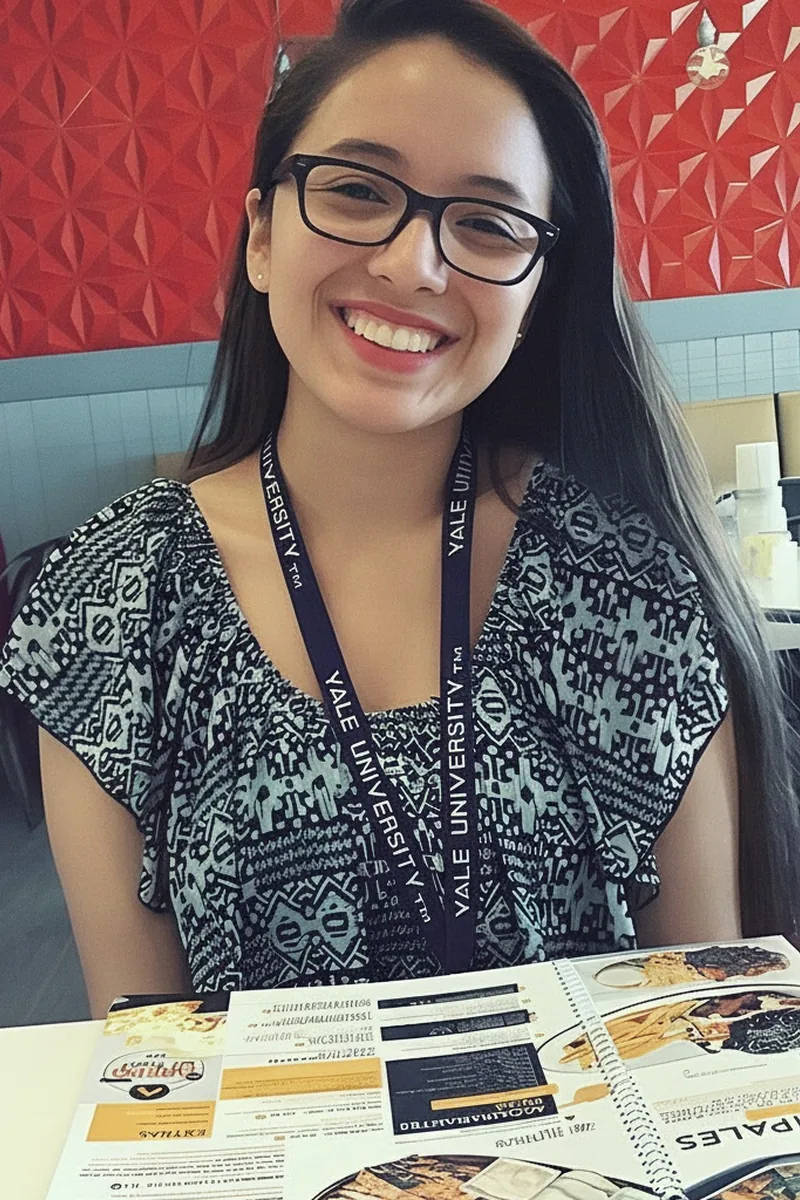
As a native Spanish speaker studying at Yale, Stephanie brings both cultural fluency and literary analysis skills to AP Spanish Literature and Culture — from close readings of García Márquez and Sor Juana to writing persuasive essays in Spanish about themes like "las sociedades en contacto." Her IB Diploma background means she's intimately familiar with the kind of rigorous textual analysis the AP exam demands. Rated 5.0 by students.
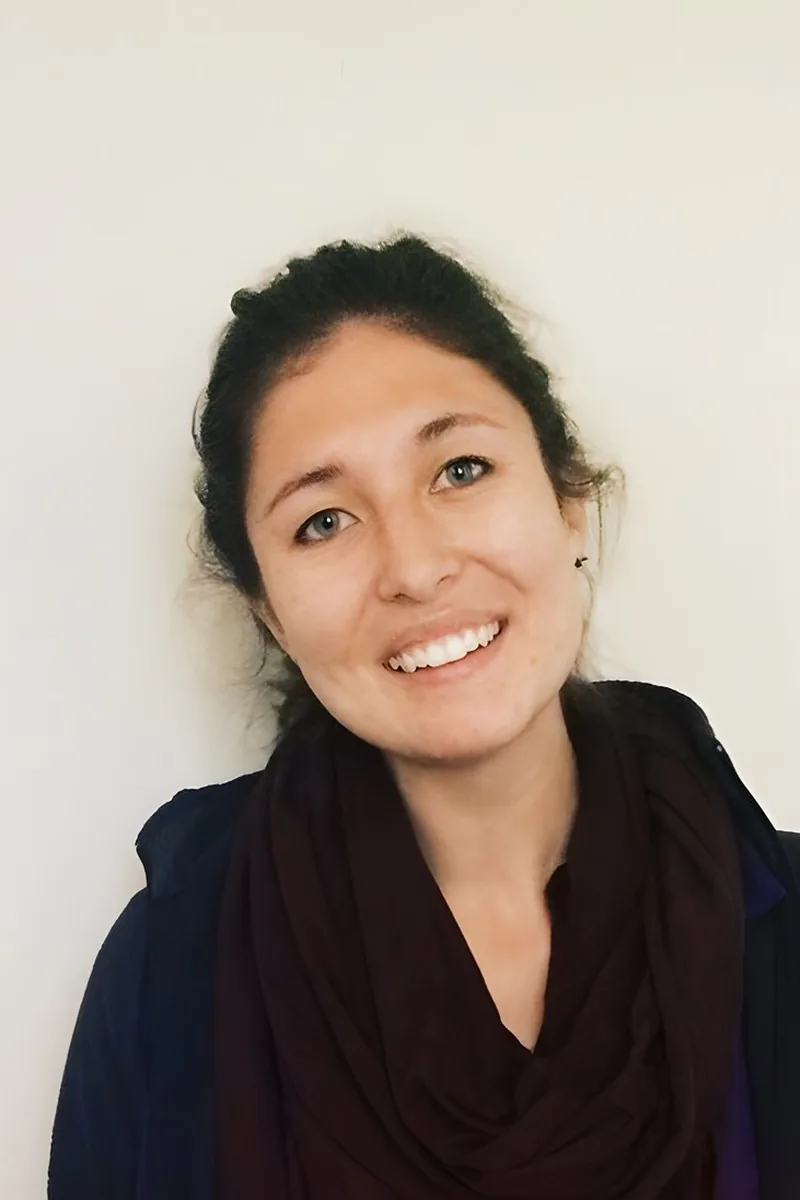
Living and traveling in Spanish-speaking countries while pursuing Latin American Studies at Wesleyan gave Reta firsthand immersion in the cultural movements — from colonial legacies to contemporary identity politics — that run through the AP reading list. She's taken both the AP Spanish Language and Literature exams herself and spent a semester tutoring a high school student one-on-one, so she knows where the gap between reading comprehension and genuine literary analysis tends to open up. Her government coursework also sharpens how she teaches students to read texts as arguments about power and society, which strengthens thematic essay writing.
English and journalism training at UChicago sharpened Isabella's ability to dissect how authors construct arguments and layer meaning — skills that transfer directly to analyzing AP reading list texts, even though Spanish literature isn't her primary lane. For students who already have strong Spanish fluency but struggle with the essay side of the exam (building a thesis, structuring evidence-based paragraphs under time pressure), her 5.0 rating and deep experience coaching college-level writing make her a practical fit.
Reading García Márquez or Sor Juana Inés de la Cruz in the original Spanish demands more than vocabulary — it requires understanding literary movements, rhetorical devices, and the cultural contexts that shaped each work. Corey studied Latin American & Caribbean Studies alongside cognitive science at the University of Michigan, giving him both the literary background and the analytical framework to unpack AP Spanish Literature's required reading list. He connects themes across periods so students can write stronger comparative essays on exam day.
Phyllis earned her BA in Spanish and teaches across every level of the language, from Spanish 1 through AP — so she knows exactly where the gap widens between conversational fluency and the literary analysis this exam requires. Her creative background as a musician and visual artist sharpens how she teaches students to read poetry and prose for rhythm, imagery, and formal structure, then translate those observations into thesis-driven essays in Spanish. Rated 5.0 by students.
Currently pursuing a graduate degree in Spanish & Portuguese Languages & Cultures while holding a BA in Spanish and French, Mia lives inside the literary and cultural traditions this exam covers — she's not just reviewing the reading list, she's actively studying the broader canon it draws from. That depth means she can teach students how a work's grammar and syntax choices carry meaning, turning close-reading instincts into the kind of thesis-driven essays the free-response section rewards. Rated 5.0 by students.
I'm a native Spanish and English speaker. I graduated with Honors in Art History and Philosophy from the University of Chicago. As a trilingual, I easily understand the difficulties and processes involved in learning a new language! I have been teaching Spanish and English to students worldwide for years. I am passionate about teaching languages as I have been blessed by life-changing opportunities by speaking fluidly with people from other cultures.
Courtney earned her Master's in Hispanic and Latin American Languages alongside a BA in Spanish and Iberian Studies — meaning the literary periods, genres, and cultural movements on the AP reading list aren't exam prep material for her, they're the core of her academic training. She teaches students to build analytical essays in Spanish that connect a text's formal choices to the broader tradition it belongs to, whether that's tracing magical realism's roots in a passage or identifying how a Golden Age sonnet's structure reinforces its argument.
Six months living in Spain didn't just make Rebecca fluent — it gave her the cultural immersion to teach students how a Lorca play or a Pardo Bazán story sits within its specific Spanish literary moment, not just on a reading list. Her English and Philosophy degrees from Notre Dame sharpened the close-reading and argumentation skills she now applies to coaching essay construction entirely in Spanish, where building a layered thesis matters more than summarizing plot.
Living in Bogotá as a Fulbright scholar while holding a double major in Spanish and Business from Emory means Michelle is immersed daily in the Colombian literary and cultural landscape — the kind of lived context that enriches discussion of Latin American works on the AP reading list. She brings that real-world fluency to essay practice in Spanish, particularly when students need to connect a text's themes to the broader cultural movements the exam expects them to articulate under timed conditions.
Ysatris's psychology degree gives her a particular angle on the AP reading list — she's trained to analyze human behavior, which translates naturally into unpacking character motivation and identity themes in works by authors like Burgos or García Márquez. She also teaches AP Spanish Language & Culture and conversational Spanish, so essay construction and literary discussion happen in Spanish from the start. Her Magna Cum Laude honors from UIUC speak to the academic rigor she brings to timed analytical writing.
A PhD in Spanish & Portuguese means Casey has spent years inside the texts that define this exam — from medieval romances and Sor Juana's baroque poetry to García Márquez's magical realism and Borges's labyrinths. She teaches students to build the kind of close-reading arguments in Spanish that earn top scores on the literary analysis free-response questions. Rated 5.0 by students.
Spanning Spanish 1 through AP-level coursework and the SAT Subject Test in Spanish with Listening, Alma has built her tutoring practice around the language from every angle — grammar, conversation, reading, and writing. For this exam specifically, her creative writing and essay editing experience shapes how she coaches timed literary analysis essays, teaching students to move from a raw reading of a passage to a focused, thesis-driven argument written entirely in Spanish.
Pre-health biology majors with Hispanic Studies minors don't always land on this page — but Jaina's coursework in Spanish literature and culture, combined with the analytical rigor of her science training, gives her a structured approach to breaking down texts on the AP reading list and building essay arguments in Spanish. She's strongest as a fit for students who need help organizing their ideas under timed conditions, applying the same methodical thinking she uses in lab work to thesis construction and textual evidence. Rated 5.0 by students.
Testimonials
Because the right AP Spanish Literature and Culture tutor makes all the difference.
Average Session Rating – Based on 3.4M Learner Ratings
Nearby AP Spanish Literature and Culture Tutors
Other Bridgeport Tutors
Related Languages Tutors in Bridgeport
Frequently Asked Questions
AP Spanish Literature and Culture focuses on reading, analyzing, and discussing Spanish and Latin American literary works across multiple genres—including novels, short stories, poetry, and drama. The course emphasizes cultural context, literary devices, themes of identity and social change, and developing strong interpretive skills. Students also engage with film, essays, and other cultural texts to deepen their understanding of Spanish-speaking communities.
The exam consists of two sections: a multiple-choice section (50% of your score) where you answer questions about reading passages and literary excerpts, and a free-response section (50% of your score) featuring three essay prompts. You'll have 3 hours total, and the exam tests your ability to analyze texts, support arguments with evidence, and write clearly in Spanish. Time management across both sections is critical, especially when balancing close reading with essay composition.
Score improvement depends on your starting point and commitment level, but personalized 1-on-1 instruction typically helps students strengthen weak areas—whether that's analyzing poetic devices, managing essay timing, or building confidence with unfamiliar texts. Many students see meaningful gains by focusing on their specific challenges: some need help with reading comprehension strategies, others benefit from targeted essay feedback and practice. Consistent practice with real AP prompts, combined with expert guidance on what graders look for, is the most effective path to improvement.
Students often struggle with unfamiliar vocabulary and complex sentence structures in classical or regional texts, which can slow down reading comprehension during the multiple-choice section. Essay writing is another major challenge—students need to craft arguments in Spanish while analyzing literary devices and supporting claims with textual evidence, all within strict time limits. Additionally, understanding cultural context and historical references in texts requires background knowledge that goes beyond basic Spanish grammar, making it harder to connect meaning to analysis.
A tutor can help you build a strategic study plan, work through practice texts and full-length exams, and give you detailed feedback on your essays before test day. They'll teach you efficient reading strategies for tackling unfamiliar passages, help you recognize and analyze literary devices in context, and coach you on structuring arguments that earn high marks. Tutors can also address test anxiety by building your confidence through repeated practice with real AP prompts and timing drills.
Your first session is about understanding where you stand and what you need most. A tutor will likely assess your reading comprehension with sample passages, review a writing sample or past essay, and discuss your goals—whether you're aiming for a 3, 4, or 5. This helps identify your strongest skills and biggest gaps, so your tutor can create a personalized plan that focuses on the areas where you'll gain the most points.
Varsity Tutors connects you with expert tutors who specialize in AP Spanish Literature and Culture and understand the curriculum and exam format inside and out. You can get matched with a tutor who fits your schedule and learning style, and you'll work together on the specific skills and texts that matter most for your test date. Getting started is straightforward—just reach out and describe your goals, and we'll help you find the right fit.
Ideally, students benefit from starting tutoring several months before the exam—giving you time to work through the required reading list, practice essays multiple times, and build familiarity with the exam format. Even a few months of consistent, focused tutoring can make a significant difference, especially if you're targeting specific weak areas. The key is regular practice with real AP materials and getting feedback on your essays so you can refine your approach before test day.
Let’s find your perfect tutor
Answer a few quick questions. We’ll recommend the right plan and match you with a top 5% tutor.