Award-Winning Organic Chemistry Tutors
serving Bridgeport, CT
Organic Chemistry
Tutors in Bridgeport
Private 1-on-1 tutoring, weekly live classes for academic support, test prep & enrichment, practice tests and diagnostics, and more to elevate grades and test scores.
Based on 3.4M Learner Ratings
UniversitiesSchools & Universities
DeliveredHours Delivered
ProficiencyGrowth in Proficiency
Who needs tutoring?
No obligation. Takes ~1 minute.
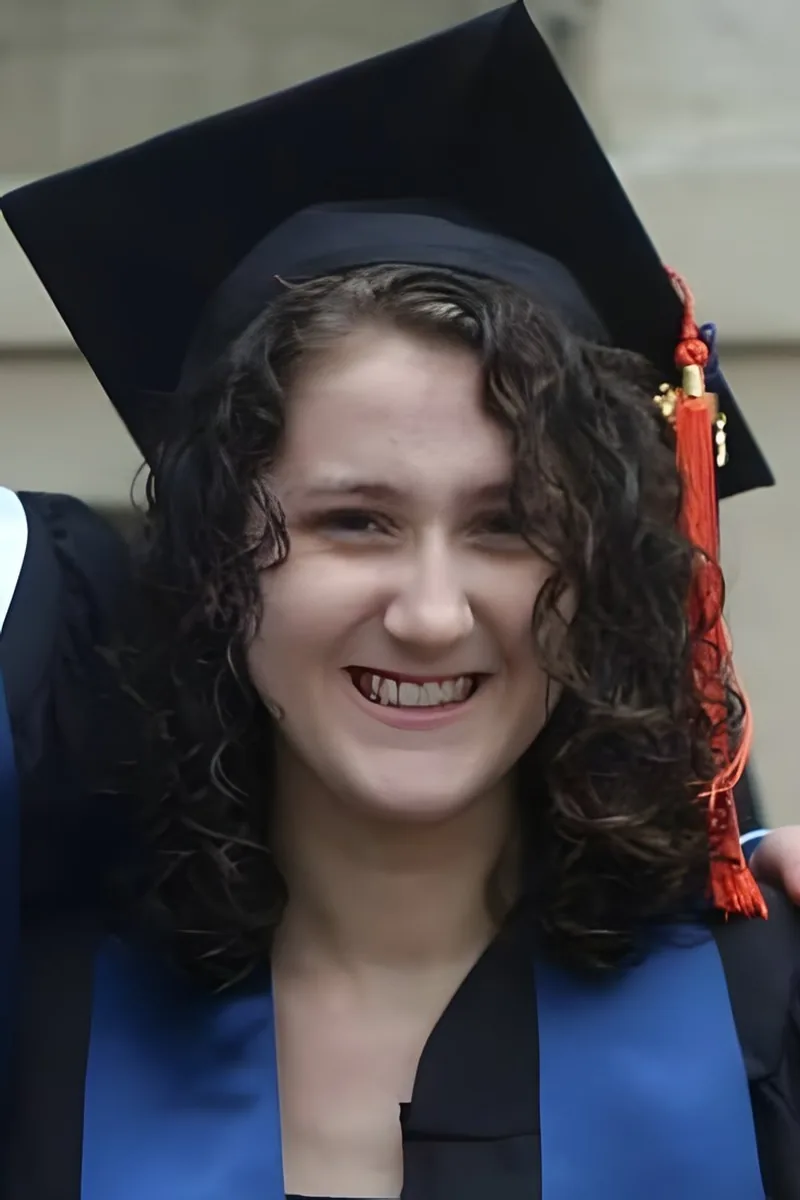
I am a PhD student in Inorganic Chemistry at Yale University. I've been spreading my love of chemistry for the past several years as a TA for general chemistry, and I'm excited to share my passion with you! Prior to Yale, I got my B.S. in chemistry from Caltech, where I also served as a TA for both general chemistry lab and advanced inorganic chemistry. Outside of teaching and research, I enjoy fencing, reading, and playing piano.
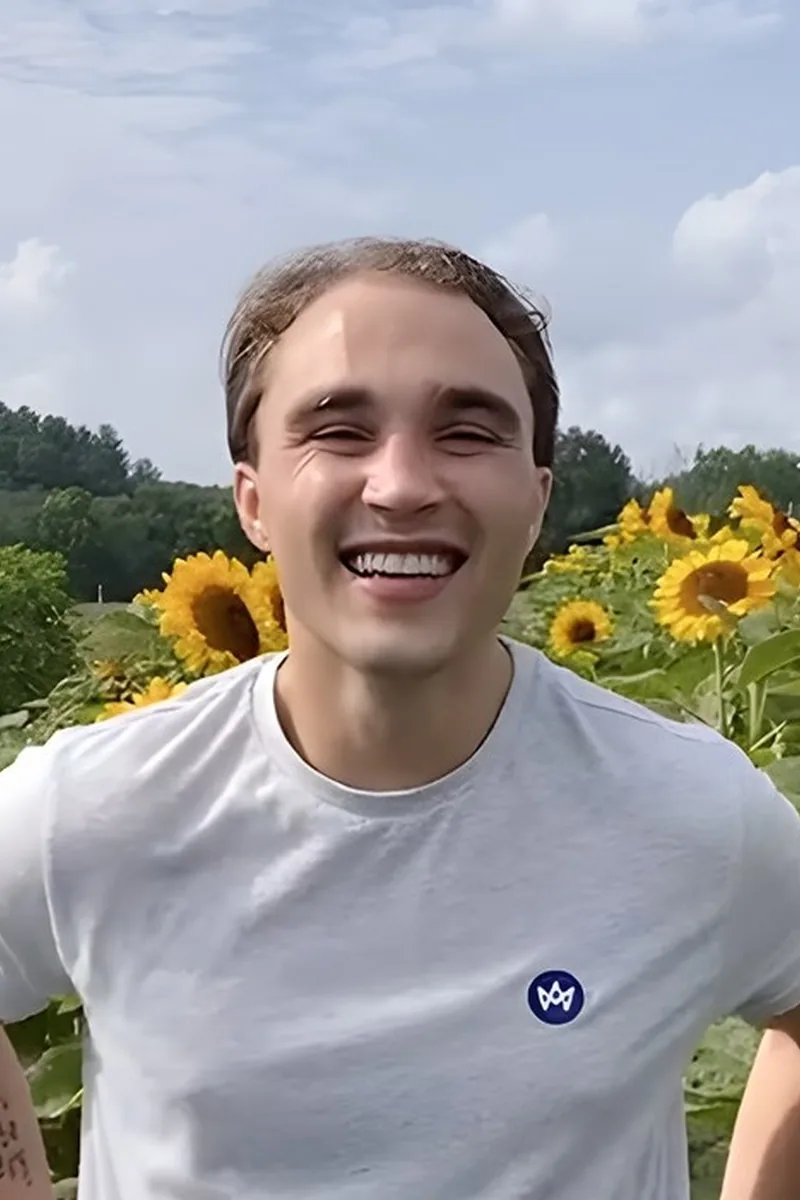
Two years as a TA in organic chemistry at UConn — where Noah is pursuing a PhD in medicinal chemistry with research rooted in organic synthesis — means he's seen exactly where students lose the thread on arrow-pushing, stereochemistry, and multi-step reaction sequences. He teaches from the bench as much as the blackboard, connecting textbook mechanisms to the real synthetic challenges he tackles in his own research. Rated 5.0 by students.
Most students dread organic chemistry, but Lily genuinely loves it — and that enthusiasm comes through when she's walking someone through a tricky elimination mechanism or explaining why a carbonyl is so electrophilic. Her neuroscience degree meant she encountered these reactions both in the classroom and in the lab, where seeing functional group transformations play out in real experiments made the arrow-pushing logic click in a way pure lecture never could. Rated 4.9 by students.
Reaction mechanisms become far less intimidating when you can see the electron movement as a story rather than a set of arrows to memorize. Monika's biochemistry degree required deep fluency in organic chemistry — from nucleophilic substitutions through multi-step synthesis — and she teaches students to predict products by understanding why electrons move, not just where.
Reaction mechanisms are the backbone of organic chemistry, and Natasha teaches them the way she learned them in her biomolecular engineering program — by tracing electron movement step by step until the logic feels inevitable rather than arbitrary. She digs into arrow-pushing, stereochemistry, and functional group reactivity by asking students to predict products before revealing answers, building real intuition for how molecules behave.
Reaction mechanisms are the language of organic chemistry, and Jhonatan treats them that way — teaching students to read electron flow through arrow-pushing until substitution, elimination, and addition reactions feel like variations on a theme rather than isolated procedures to memorize. His biochemistry expertise is especially useful when carbonyl chemistry and amino acid reactivity come into play. He holds a 5.0 client rating.
A bio-organic chemistry degree means Alex didn't just pass orgo — the entire major was built around understanding how molecular structure dictates reactivity, from substitution and elimination selectivity to multi-step synthesis design. He breaks down each mechanism by identifying the nucleophile, electrophile, and driving force first, so students develop a repeatable framework instead of a growing pile of flashcards. That same logic scales directly into spectroscopy interpretation and retrosynthetic analysis when exams get harder.
Reaction mechanisms in organic chemistry are essentially molecular storytelling — electron pairs move, bonds break and form, and stereochemistry shifts in predictable ways. Andrew's molecular biology training required deep fluency with organic reactions at the biomolecular level, so he teaches arrow-pushing and functional group transformations as logical sequences rather than steps to memorize.
Having earned a chemistry degree from Yale, Zosia spent years immersed in the subject well past the introductory orgo sequence — which means she can contextualize tricky topics like electrophilic aromatic substitution and acyl chemistry within the broader landscape of how molecules actually behave. She walks students through spectral analysis and multi-step synthesis by building from first principles of electronegativity and sterics, so each new reaction type feels like an extension of what they already know rather than a fresh page to memorize. Rated 4.9 by students.
Biochemistry majors don't just pass organic chemistry — they keep using it, which means Addison is building on reaction mechanisms and functional group behavior in courses well beyond the introductory sequence at Rice. That ongoing exposure to carbonyl chemistry, stereochemistry, and arrow-pushing in biological contexts gives her a practical fluency that makes tutoring sessions feel less like reviewing old notes and more like working through the material with someone who still thinks in it daily.
Reaction mechanisms in organic chemistry demand the same kind of pattern recognition Seong uses in her neuroscience coursework at Northwestern — tracking electron movement, predicting intermediates, and understanding why one pathway dominates over another. She unpacks arrow-pushing notation by tying each step to underlying principles of nucleophilicity and sterics, so students can reason through unfamiliar reactions on exams instead of relying on rote memorization.
Reaction mechanisms are the language of organic chemistry, and Josef teaches students to read them — arrow pushing, stereochemistry, and functional group reactivity — rather than memorize hundreds of individual reactions. His biochemistry focus at Cornell means he can connect orgo concepts like nucleophilic substitution and carbonyl chemistry directly to biological molecules students will encounter later.
Reaction mechanisms are the language of organic chemistry, and Casey reads them fluently after years of bioengineering coursework that demanded constant fluency in electron-pushing, stereochemistry, and functional group transformations. She teaches students to recognize patterns across reaction types — why nucleophilic additions behave the way they do, how leaving groups dictate substitution vs. elimination — so each new chapter feels like a variation on something familiar rather than a fresh nightmare.
Teaching two Chemistry 101 lab sections gave Davis hands-on experience explaining reaction mechanisms, functional group behavior, and electron-pushing arrows to students encountering them for the first time. He approaches organic chemistry as a language of patterns — once students learn to read electron density and leaving-group tendencies, synthesis problems become far more manageable.
Reaction mechanisms are the heart of organic chemistry, and they only make sense when a student can track electron movement and predict how functional groups behave. Malcolm is studying biochemistry and cell biology at Rice, where organic chemistry is foundational — he knows which arrow-pushing patterns show up repeatedly and teaches students to recognize them instead of memorizing hundreds of individual reactions.
Testimonials
Because the right Organic Chemistry tutor makes all the difference.
Average Session Rating – Based on 3.4M Learner Ratings
Practice Organic Chemistry
Free practice tests, flashcards, and AI tutoring for Organic Chemistry
Nearby Organic Chemistry Tutors
Other Bridgeport Tutors
Related Science Tutors in Bridgeport
Frequently Asked Questions
Organic Chemistry requires visualizing molecules in three dimensions and understanding reaction mechanisms that aren't always intuitive. Many students struggle with memorizing reactions without grasping the underlying principles—but the key is learning to think like a chemist by understanding electron movement and molecular structure rather than relying on memorization alone. Personalized tutoring helps you build that conceptual foundation, so reactions make logical sense instead of feeling random.
Your first session focuses on understanding your current level, identifying specific challenges (whether it's mechanisms, synthesis problems, or lab concepts), and learning your learning style. A tutor will assess what topics need the most attention and create a personalized plan tailored to your course pace and goals. This foundation ensures every session after that targets exactly what you need.
Expert tutors use multiple strategies to make abstract concepts concrete—drawing mechanisms step-by-step, using molecular models, and working through real examples that show how electron movement drives reactions. Many students find that seeing mechanisms drawn out repeatedly, combined with verbal explanation of the logic, transforms confusing arrow-pushing into a clear, predictable process. Personalized instruction lets your tutor adjust explanations until the visualization clicks for you.
Yes—tutoring addresses both the theory behind experiments and the practical reasoning of lab work. Tutors help you understand why you're performing specific steps, how to interpret results, and how lab observations connect to the organic chemistry principles you're learning in lecture. This bridges the gap between theoretical knowledge and hands-on application, making lab reports and practical exams less stressful.
Synthesis problems require pattern recognition and strategic thinking—skills that develop through guided practice and feedback. Tutors teach you frameworks for approaching multi-step syntheses, help you recognize functional group transformations, and build your intuition about which reagents accomplish specific goals. Working through problems with immediate feedback accelerates your ability to predict outcomes and plan synthetic routes confidently.
That depends on your starting point and exam timeline, but many students benefit from consistent sessions throughout the semester rather than cramming before the test. Regular tutoring builds deep understanding and retention, while exam-focused sessions in the final weeks can target weak areas and practice problem-solving under time pressure. Your tutor can recommend a schedule based on your current performance and exam date.
Varsity Tutors connects you with tutors who have strong backgrounds in Organic Chemistry and experience helping students in Bridgeport and beyond master the subject. The matching process considers your specific needs—whether you need help with mechanisms, synthesis, lab concepts, or exam preparation—and your preferred learning style. You'll work with someone qualified to explain complex concepts clearly and adapt to how you learn best.
Pricing varies based on the tutor's experience level, session length, and frequency of sessions. Varsity Tutors works with students to find flexible options that fit different budgets—you can start with one session to see if tutoring helps, then adjust your schedule based on results. Contact Varsity Tutors for specific pricing and to discuss what works best for your situation.
Let’s find your perfect tutor
Answer a few quick questions. We’ll recommend the right plan and match you with a top 5% tutor.