Award-Winning Japanese Tutors
serving Tulsa, OK
Japanese
Tutors in Tulsa
Private 1-on-1 tutoring, weekly live classes for academic support, test prep & enrichment, practice tests and diagnostics, and more to elevate grades and test scores.
Based on 3.4M Learner Ratings
UniversitiesSchools & Universities
DeliveredHours Delivered
ProficiencyGrowth in Proficiency
Who needs tutoring?
No obligation. Takes ~1 minute.
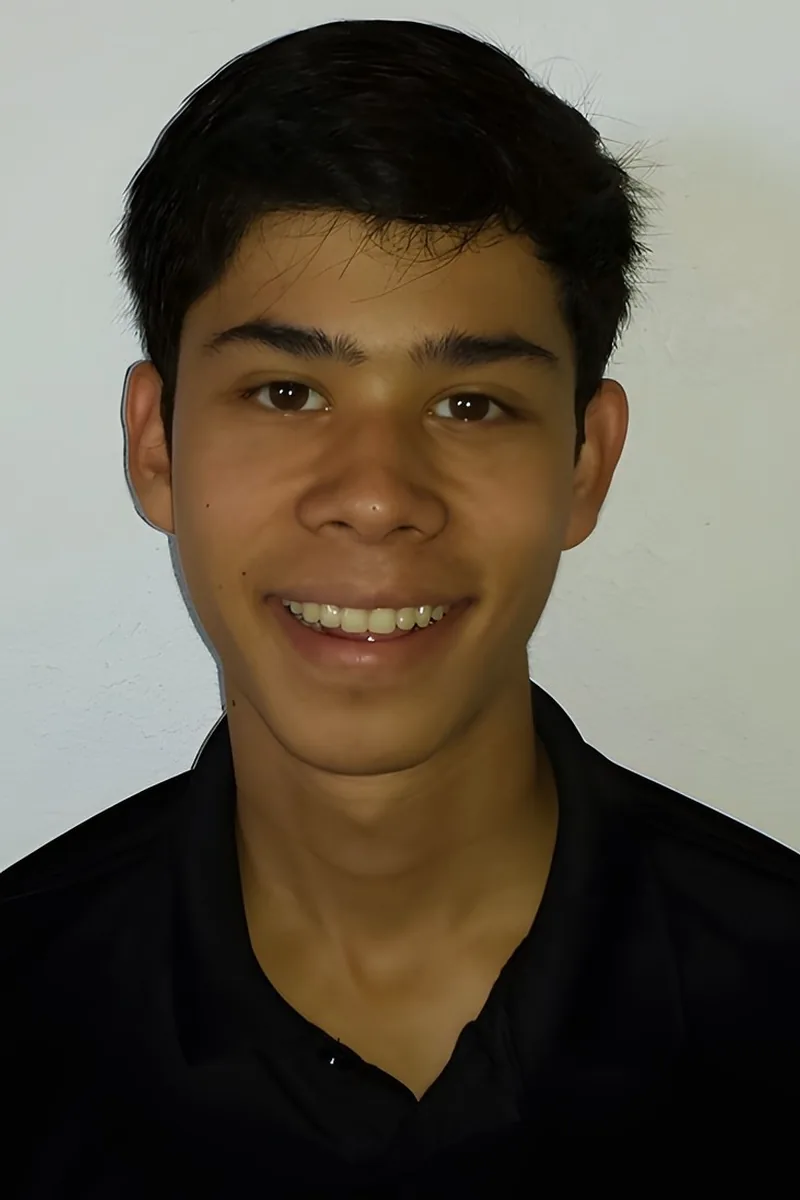
Having prepared for and taken the SAT Subject Test in Japanese with Listening, Dylan brings practical fluency in grammar structures like particle usage, verb conjugation groups, and honorific registers. He tackles reading comprehension by teaching students to decode kanji compounds in context rather than relying purely on rote memorization. Rated 5.0 by students.
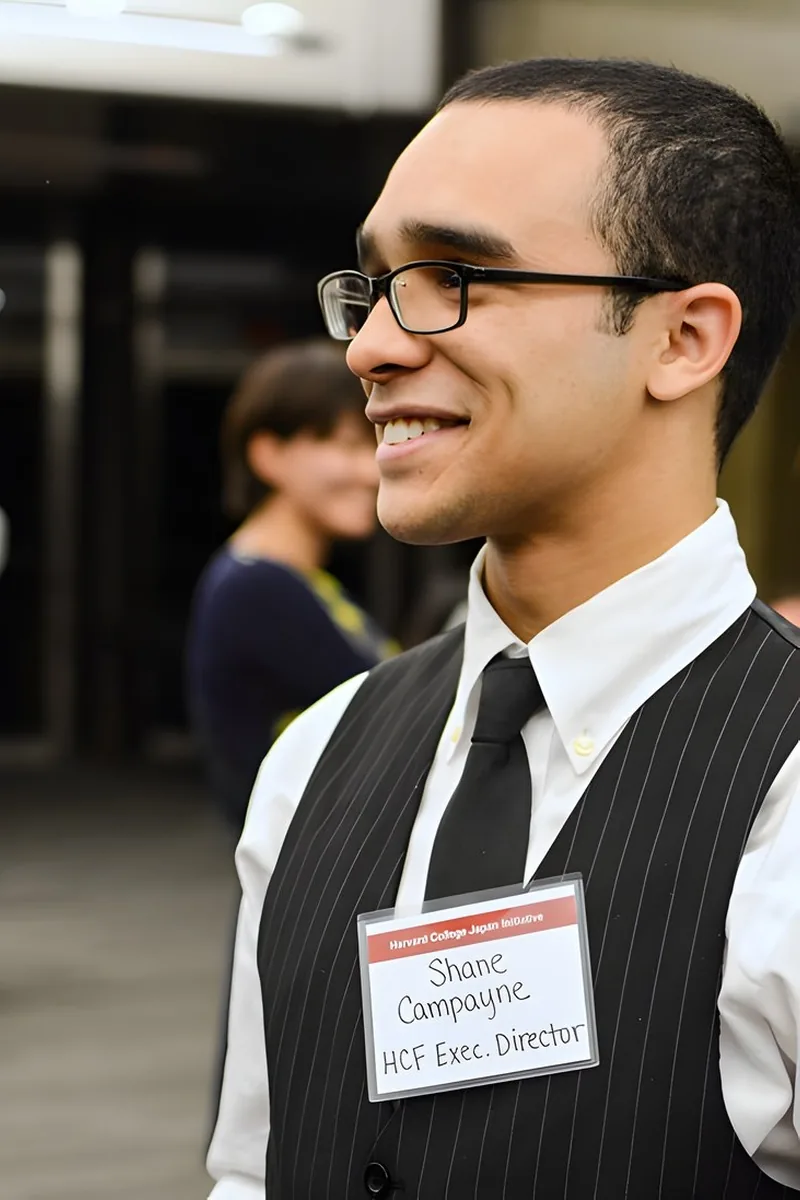
Between his East Asian Studies major at Harvard, his presidency of the Harvard College Japan Initiative, and his work in the Yenching Library's Japanese Collection, Shane lives and breathes Japanese. He reads novels and plays games in Japanese for fun, which means he teaches the language the way it's actually used — from kanji recognition and particle usage to the register shifts that textbooks barely cover.
As a native Japanese speaker who has also worked professionally as an interpreter, Sonya understands both languages from the inside — the particles, sentence-final expressions, and politeness shifts that sound natural versus textbook-stiff. Her bilingual preschool volunteering sharpened her ability to explain concepts at any level, from first encounters with hiragana to nuanced keigo distinctions that even intermediate learners struggle with.
Hi! It's Wataru. I am originally from Japan and have been living in New York since 2000. I had a career as an industrial newspaper pressman/editor in Tokyo so that I know newspaper level strict grammar and manner of business speech. I watch anime and I can talk about Japanese subculture with you if you like. I have been teaching Japanese language in person and online. I have taught from beginners to JLPT N3 certificate prep students. I've taught American, Canadian, English, Indian, German, Australian, Mexican, and so on. Teaching is one of my way to feel the joy of supporting people. I'll help you master the language and dive into Japanese culture and subculture. Once you start to think in Japanese, you will notice that your way of communication changes. English is good for business, law, and science while Japanese is more about sharing feelings. The waiters in Japan may be reluctant to serve your table, but my students prepare well to make them feel at ease and they have fantastic travel in Japan.
I am a current student at the University of Vermont. I am completing two Bachelors in Linguistics and Japanese, and am a researcher for both departments. From high school to the present day I have tutored people my age and younger, and I have experience working with refugee/ELL students; I have collected 2 years of experience. Though I can tutor several subjects, I am most passionate for Japanese, and feel it is my true calling. In my experience helping those who want to learn a foreign language like Japanese, I have found that scaffolding, or building off of, your interests in film, food, literature and culture has a profound and positive effect on your learning. I love education and learning for the sake of learning, and I will soon graduate and plan to teach English in Japan; sharing language and culture is my way of helping others and the world.
Most students learning Japanese hit a wall somewhere between mastering hiragana and actually constructing sentences with particles, verb conjugations, and counters. Kai has been teaching Japanese through the student organization meetings on campus, building lessons that move learners from basic self-introductions to reading short passages and holding simple conversations.
A drama degree might not scream Japanese fluency, but John's literary work — he's a section editor for the Los Angeles Review of Books and literary manager for two theater companies — means he's deeply attuned to how language shapes meaning, tone, and register. That sensitivity to nuance transfers directly to navigating Japanese's layered politeness levels and context-dependent sentence endings. Rated 5.0 by students.
Having completed an Asian Languages minor at UCLA, Abrahim brings formal training in Japanese grammar, kanji acquisition, and reading comprehension to his tutoring. He approaches the language methodically — building from particle usage and verb conjugation patterns up to reading authentic texts — which works especially well for students who want structure rather than immersion-only learning.
I am an experienced tutor and teacher from Okinawa, Japan who recently graduated from Brown University and now lives in Brooklyn.
I am particularly passionate about math as well as standardized test prep. I studied math on a double-accelerated track throughout middle school and high school, covering math from algebra to multivariable calculus. Aside from teaching academic subjects, I am also trained in playing the piano and violin, having taken lessons for piano from the ages of 4 to 18 and playing violin in my school orchestra from 5th to 12th grade. I love working with students to improve their skills in an area of study, and my favorite part is getting to see them gain confidence in themselves and their own abilities!
Most students stall in Japanese once they move past hiragana and katakana into kanji recognition and grammatical particles like は versus が. Wahala minors in Japanese at Indiana University Bloomington and treats the language as a system to decode — connecting sentence structure, verb conjugation patterns, and cultural context so that reading and conversation reinforce each other.
Triple-majoring in Japanese, linguistics, and computer science at UMass Amherst, Connor brings both fluency and analytical rigor to teaching the language. He unpacks grammar patterns like particle usage and verb conjugation groups by connecting them to the underlying logic of how Japanese sentences are built — making new structures easier to internalize and recall.
Testimonials
Because the right Japanese tutor makes all the difference.
Average Session Rating – Based on 3.4M Learner Ratings
Nearby Japanese Tutors
Other Tulsa Tutors
Related Languages Tutors in Tulsa
Frequently Asked Questions
Your first session is an opportunity for a tutor to understand your current level, learning goals, and preferred pace. They'll assess your reading, writing, speaking, and listening skills to create a personalized learning plan. This might include discussing whether you're preparing for a specific exam, aiming for conversational fluency, or working through a school curriculum.
In a classroom setting, students in Tulsa often get limited time to speak Japanese aloud. With personalized 1-on-1 instruction, you have a dedicated conversation partner who can provide real-time feedback on pronunciation, accent, and natural phrasing. Tutors can adjust difficulty on the fly, correct mistakes gently, and help you build confidence speaking in real-world scenarios.
Japanese verbs change form based on tense, politeness level, and grammatical function—a system very different from English. Rather than memorizing conjugation tables, expert tutors teach you to recognize patterns and practice conjugations in context through natural conversations and writing exercises. This approach helps the patterns stick better than traditional classroom drills.
Effective vocabulary retention relies on spaced repetition and using words in meaningful contexts rather than isolated lists. Tutors can help you learn kanji by connecting them to their meanings and components, then reinforce learning through reading passages, writing sentences, and conversation. This multi-skill approach helps words stick long-term.
Absolutely. Japanese grammar reflects cultural values—for example, politeness levels (keigo) are deeply tied to social hierarchy and respect. Understanding cultural context makes grammar rules meaningful rather than arbitrary. Tutors can weave cultural insights into lessons, helping you understand not just how to say something, but when and why to say it that way.
Yes. Personalized 1-on-1 instruction allows tutors to balance reading, writing, speaking, and listening based on your goals and strengths. If you're strong in reading but struggle with listening comprehension, your tutor can prioritize listening practice. This targeted approach is difficult to achieve in a classroom where all students follow the same pace.
Reaching professional-level fluency typically requires around 2,200 hours of study according to language learning research. However, basic conversational ability can develop much faster with consistent, focused practice—often within several months of regular tutoring sessions. Your timeline depends on your starting level, study frequency, and how much you practice outside tutoring.
Varsity Tutors connects you with expert tutors in Tulsa who can match your specific needs—whether you're a beginner, preparing for the JLPT exam, or looking to improve conversational skills. You can discuss your goals, preferred teaching style, and any specific challenges before committing, ensuring a good fit from the start.
Let’s find your perfect tutor
Answer a few quick questions. We’ll recommend the right plan and match you with a top 5% tutor.