Award-Winning AP Spanish Language & Culture Tutors
serving Tulsa, OK
AP Spanish Language & Culture
Tutors in Tulsa
Private 1-on-1 tutoring, weekly live classes for academic support, test prep & enrichment, practice tests and diagnostics, and more to elevate grades and test scores.
Based on 3.4M Learner Ratings
UniversitiesSchools & Universities
DeliveredHours Delivered
ProficiencyGrowth in Proficiency
Who needs tutoring?
No obligation. Takes ~1 minute.
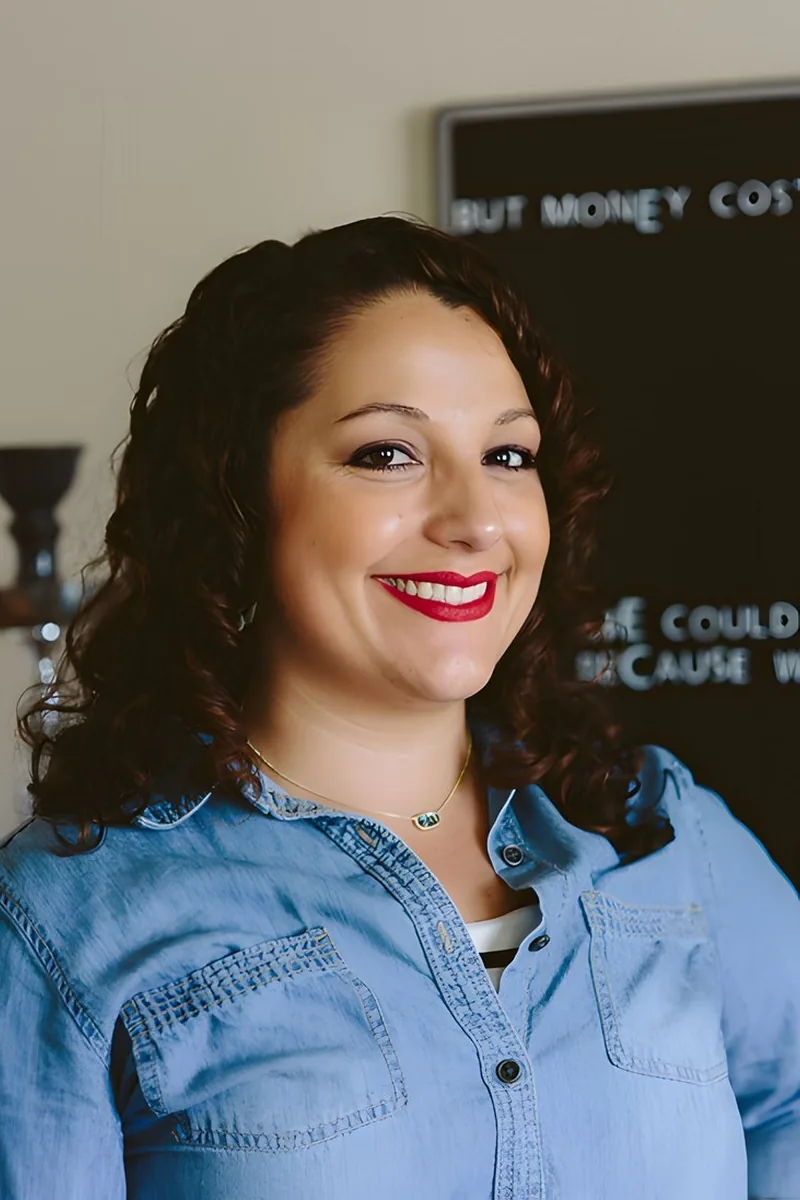
Marisa's Master of Professional Writing sharpened her instinct for register and tone — skills she applies directly when coaching the AP Spanish persuasive essay, where shifting between informal source material and a polished, formal written argument trips up most students. She teaches Spanish across all four levels plus conversational, so she can quickly identify whether a student needs to shore up subjunctive mechanics or focus on organizing timed written responses.
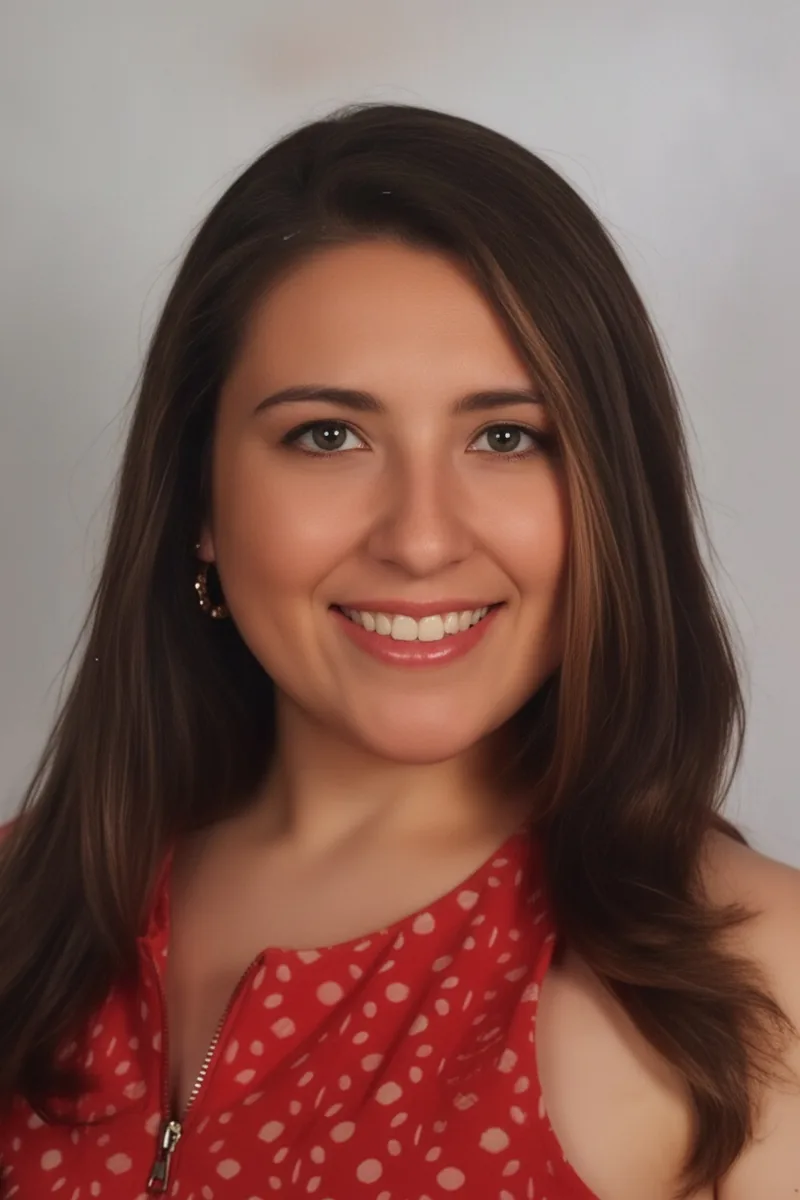
Growing up in Miami gave Caitlin daily exposure to Spanish in real-world contexts — the kind of authentic, unscripted language that mirrors what the AP exam throws at students in its interpretive listening and reading sections. She teaches Spanish 1 through 4 and pairs that progression with her own experience navigating Spanish across levels, so she knows exactly which grammar gaps (subjunctive triggers, formal vs. informal register) trip students up on timed free-response tasks. Rated 5.0 by students.
This isn't Marvin's core subject — his University of Chicago economics degree and current elementary teaching work sit outside the language space. That said, he's listed for AP Spanish Language & Culture alongside broader test prep and study skills, so he can support students on the structural side: organizing persuasive essay outlines, building timed-response strategies, and strengthening the analytical habits the cultural comparison task rewards.
Ryan's American Studies background means he already thinks in terms of cross-cultural comparison — a skill that maps directly onto the AP Spanish exam's cultural comparison task, where students need to connect practices across communities with nuance and specificity. He teaches Spanish from level 2 through AP and conversational Spanish, so he bridges the gap between structured grammar work and the kind of spontaneous communication the interpersonal speaking section rewards.
This isn't Katie's core subject — her degrees are in biomedical and biological engineering from Cornell, and her teaching load leans heavily toward STEM, history, and English. That said, her engineering training built the kind of systematic, pattern-based thinking that can help break down Spanish grammar structures and exam strategies for students who need a more analytical approach to language learning.
Corey trained as a total immersion instructor through the Ann Arbor Language Partnership and taught communicative Spanish in public schools for two years before moving to Nicaragua, where he used Spanish daily in professional and community settings. That real-world fluency shows up in how he prepares students for AP Spanish Language — tackling interpersonal speaking prompts, persuasive essays, and audio-source synthesis with the kind of cultural nuance the exam rewards. His background in cognitive science also informs how he teaches listening comprehension strategies that actually stick.
A year as an exchange student at the University of Puerto Rico — taking courses in Spanish linguistics, business Spanish, and constitutional law entirely in Spanish — gave Chiquita the kind of immersive academic fluency that the AP exam's timed persuasive essay and presentational speaking tasks demand. She later earned a graduate certificate in Spanish Interpretation and Translation from UCLA, training that sharpened her ability to move between registers and process Spanish at speed, which is exactly what the interpretive listening section requires. Rated 5.0 by students.
John's anthropology degree means he's trained to analyze how cultural practices vary across communities — the exact thinking the AP Spanish exam's cultural comparison prompt rewards. He also teaches French alongside Spanish, so he understands how Romance language learners trip over false cognates and register shifts, and he uses that cross-linguistic awareness to sharpen students' interpretive reading and persuasive essay skills. Rated 5.0 by students.
Joshua teaches Spanish from level 1 through AP and pairs that with four levels of Latin, so he's used to thinking about how Romance languages borrow structures from their classical roots — a perspective that sharpens his explanations of tricky Spanish grammar like subjunctive triggers and conditional sequences. His 1600 SAT reflects the kind of precise reading and analytical writing skills that translate directly to the AP exam's source-synthesis and persuasive essay tasks.
Sarah's English degree and SAT score of 1500 mean she's already wired for the kind of timed, source-based writing the AP Spanish exam throws at students in the persuasive essay — structuring an argument, synthesizing texts, and maintaining formal register under pressure. She teaches Spanish from level 1 through 4 and conversational Spanish, so she can spot whether a student's real bottleneck is subjunctive grammar or the rhetorical organization that separates a passing score from a strong one.
A cognitive sciences degree with a minor in Spanish means Adam approaches the language analytically — he treats subjunctive triggers and register shifts as pattern-recognition problems, which clicks for students who struggle with the "just memorize it" approach to grammar. His 34 ACT confirms strong reading and reasoning skills that translate directly into coaching the AP exam's interpretive reading and audio tasks, where extracting meaning from authentic Spanish sources under time pressure is half the battle.
Alex's tutoring background spans a wide range of academic subjects, but AP Spanish Language & Culture is not one of his primary areas of expertise. Students preparing for this exam should look for a tutor with demonstrated fluency in Spanish and specific experience with the interpersonal and presentational communication tasks the exam requires.
Success on the AP Spanish Language exam comes down to thinking in Spanish — not translating from English in your head. Iris builds this fluency by connecting language practice to real cultural content: interpreting audio sources, writing persuasive emails, and constructing spoken presentations on topics like science, community, and global challenges. Her background in anthropology also gives her a genuine comfort with the cultural comparison tasks the exam emphasizes.
Testimonials
Because the right AP Spanish Language & Culture tutor makes all the difference.
Average Session Rating – Based on 3.4M Learner Ratings
Nearby AP Spanish Language & Culture Tutors
Other Tulsa Tutors
Related Languages Tutors in Tulsa
Frequently Asked Questions
The AP Spanish Language & Culture exam tests your ability to communicate in Spanish across three modes: interpretive (reading and listening), interpersonal (speaking and writing conversations), and presentational (speaking and writing to convey information). The exam includes multiple-choice sections on reading and listening comprehension, a written essay, and speaking tasks like the conversation simulation and cultural comparison. Success requires not just grammar knowledge, but fluency in discussing contemporary issues, cultural perspectives, and real-world topics in Spanish.
AP scores range from 1-5, with a 3 typically considered "passing" for college credit at most institutions. Many colleges grant credit or advanced placement for scores of 3 or higher, though competitive schools may require a 4 or 5. Your target score depends on your college goals and the schools you're applying to—it's worth checking specific requirements for universities you're interested in. A personalized tutoring plan can help you identify your current level and create a realistic pathway to your goal score.
Speaking anxiety is one of the most common challenges for AP Spanish students, especially during the interpersonal conversation and presentational speaking tasks. The key is repeated, low-pressure practice in a supportive environment where you can make mistakes and receive feedback. Working with a tutor who specializes in AP Spanish allows you to practice the exact speaking formats you'll encounter—like the conversation simulation and cultural comparison—until they feel natural and less intimidating. Building confidence through consistent practice directly reduces test-day anxiety.
Reading and listening comprehension require both vocabulary knowledge and the ability to understand main ideas, details, and cultural context quickly. Effective preparation involves practicing with authentic Spanish materials like news articles, podcasts, and videos on current topics—not just textbook passages. Timed practice tests help you build pacing skills so you're not rushed during the exam. A tutor can help you identify which types of questions trip you up most (main idea vs. detail questions, for example) and develop targeted strategies to improve accuracy.
The written portions of AP Spanish require you to demonstrate grammar accuracy, vocabulary range, and the ability to develop ideas clearly—all while writing under time pressure. Regular essay practice with feedback is essential; you need to understand not just what errors you're making, but why. A tutor can review your essays, help you expand your vocabulary for academic writing, and teach you strategies for organizing your thoughts quickly. Practicing with real AP prompts and getting detailed feedback on multiple essays is one of the most direct paths to improvement.
Most students benefit from 3-6 months of focused preparation, though this depends on your current Spanish proficiency level. If you're starting from a lower level, you may need more time to build foundational skills. Consistent practice is more important than total hours—studying 3-4 times per week for several months is more effective than cramming. Working with a tutor helps you use your study time efficiently by targeting your specific weak areas rather than reviewing material you've already mastered.
An expert AP Spanish tutor should have strong Spanish fluency (ideally native or near-native level), familiarity with the specific AP exam format and scoring rubrics, and experience helping students improve their speaking, writing, and comprehension skills. They should understand the cultural component of the exam and be able to discuss contemporary Hispanic issues and perspectives. Varsity Tutors connects you with tutors who have proven expertise in AP Spanish and a track record of helping students reach their target scores.
Your first session is typically a diagnostic and planning meeting. A tutor will assess your current Spanish level across all skill areas—speaking, listening, reading, and writing—to identify your strengths and weaknesses. You'll discuss your target score, timeline, and any specific concerns (like speaking anxiety or essay writing). From there, the tutor will create a personalized study plan focused on the areas where you'll gain the most improvement, ensuring your preparation time is used strategically and efficiently.
Let’s find your perfect tutor
Answer a few quick questions. We’ll recommend the right plan and match you with a top 5% tutor.