Award-Winning Geometry Tutors
serving Tulsa, OK
Geometry
Tutors in Tulsa
Private 1-on-1 tutoring, weekly live classes for academic support, test prep & enrichment, practice tests and diagnostics, and more to elevate grades and test scores.
Based on 3.4M Learner Ratings
UniversitiesSchools & Universities
DeliveredHours Delivered
ProficiencyGrowth in Proficiency
Who needs tutoring?
No obligation. Takes ~1 minute.
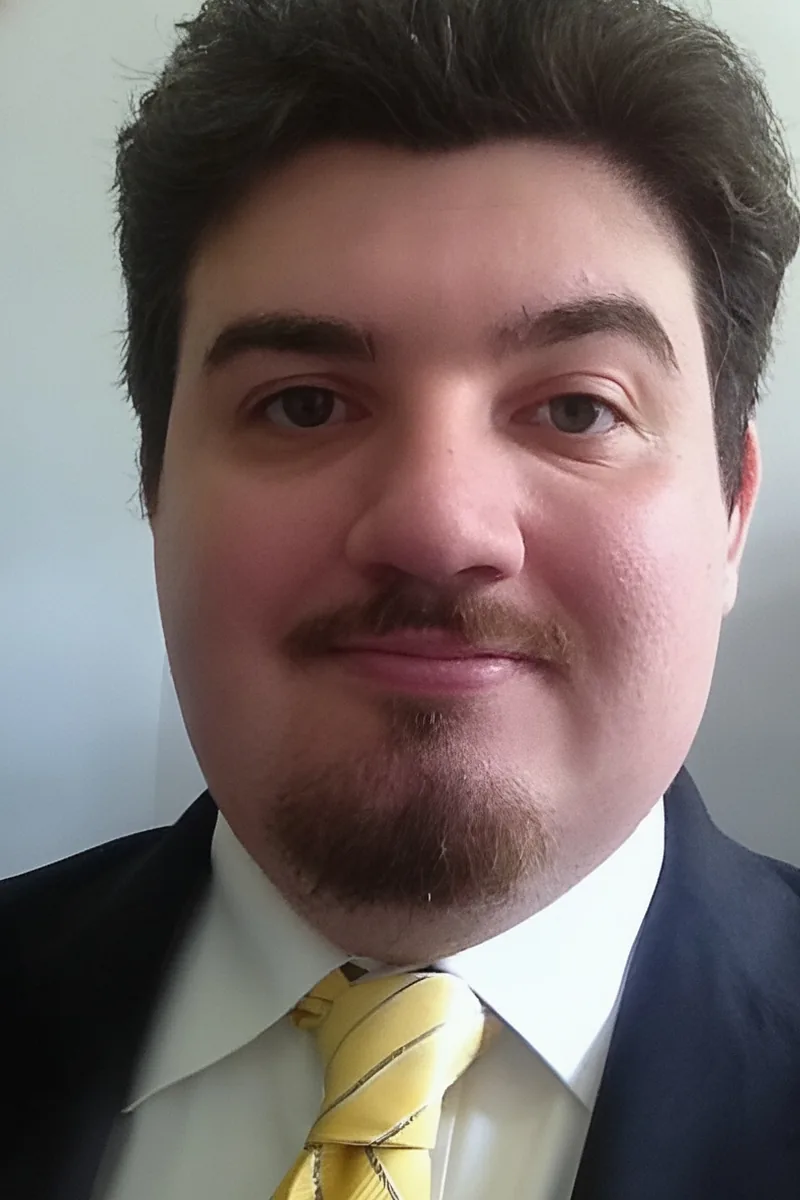
Proofs are usually the first place Geometry students feel lost, because suddenly math asks them to explain *why* rather than just compute. Cory unpacks the logic behind congruence theorems, parallel-line relationships, and circle properties step by step, treating each proof like a puzzle with a clear structure. His problem-solving instincts from chemical engineering keep sessions focused on reasoning, not memorization.
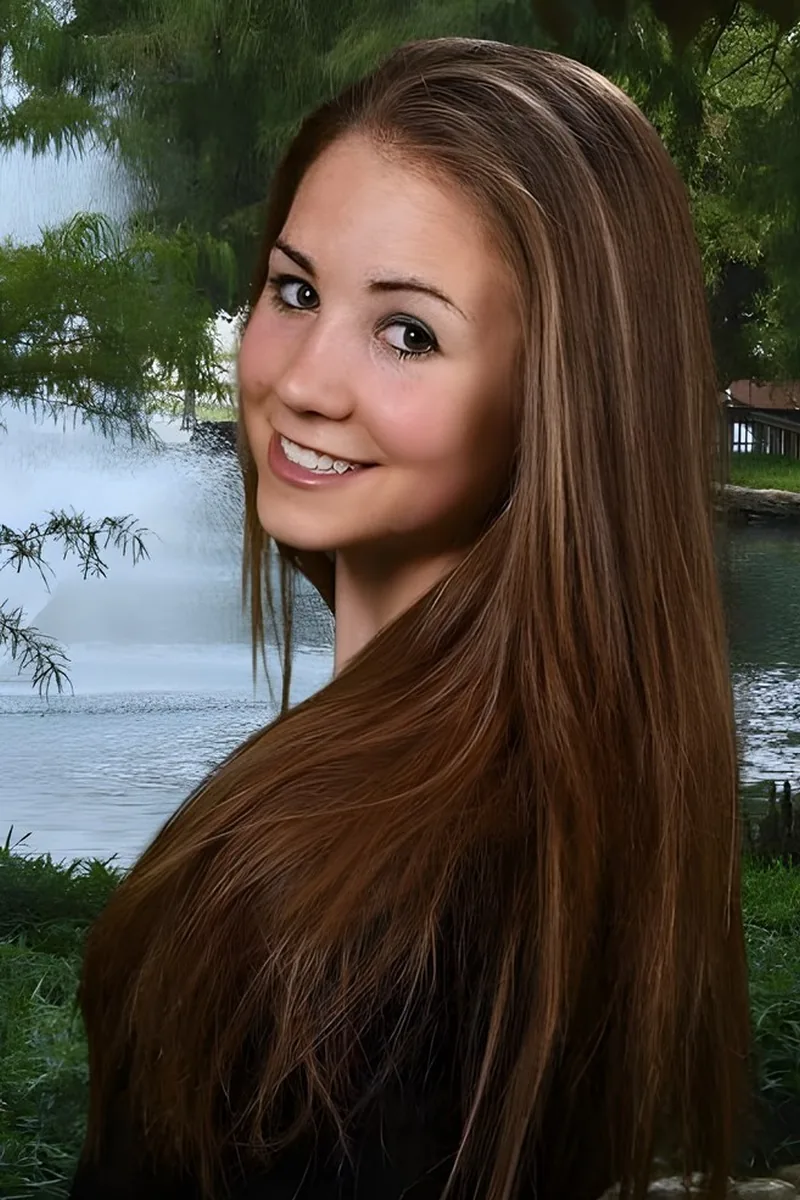
Proofs are where most geometry students get stuck — moving from "I can see it's true" to writing a logical chain of reasoning feels like a completely different skill. Blake breaks down two-column and paragraph proofs into a repeatable process, connecting each theorem about angles, triangles, or parallel lines back to a clear visual intuition.
Teaching fifth-grade social studies, high school biology, and university-level music gave Anna an unusual vantage point on geometry — she's seen how students across every age group struggle with the same thing: translating a visual diagram into a logical sequence of steps. Her math certification and years in the classroom mean she tackles that disconnect directly, breaking down constructions and angle-relationship problems until the reasoning behind each step is as clear as the picture itself.
Proofs are usually the first place geometry students feel lost — the jump from computing angles to constructing logical arguments is genuinely different from anything they've done before. Adam walks through each proof as a chain of small, justifiable claims, teaching students to identify which postulates and theorems apply and why the order of reasoning matters.
A computer science degree trains you to think in formal logic — if-then chains, conditional statements, structured reasoning — which is exactly the muscle geometry proofs demand. Nathan applies that programmer's mindset to breaking down two-column proofs and deductive arguments about triangle congruence, treating each step like a line of code that has to logically follow from the last. His ACT score of 33 confirms the quantitative chops backing up that approach.
Proofs are usually the first place Geometry students feel lost, because suddenly math asks them to argue rather than calculate. Naythen approaches geometric reasoning the same way he approaches writing code: build from known facts, follow a logical chain, and verify each step. That structured thinking, developed through his CS degree at Northwestern, translates directly into tackling congruence proofs, similarity arguments, and coordinate geometry problems.
Proofs are usually where Geometry goes from comfortable to confusing, because suddenly students need to justify every step with a logical argument instead of just calculating an answer. As a mathematics undergrad, Robert approaches proof-writing as a skill that can be taught systematically — breaking down how to identify given information, choose the right theorems, and build a chain of reasoning.
Most geometry struggles come down to not knowing how to start a proof or which theorem applies to a given diagram. Richard approaches each problem by teaching students to mark up figures systematically — identifying congruent angles, parallel lines, and similar triangles before writing a single step. His engineering training makes him especially sharp on spatial reasoning and the logic that holds a geometric argument together.
Proof-writing is usually the first real stumbling block in geometry, because it asks students to justify reasoning instead of just computing answers. Greg approaches proofs as logical arguments: he walks through how to identify given information, choose a strategy, and build a chain of reasoning about angle relationships, congruence, or similarity. That structured thinking comes naturally from his mathematics training.
I am a graduate of the University of Oklahoma. I received by Bachelor of Science in Chemical Engineering. I have mostly tutored privately on my own time in one on one sessions. I mostly enjoy helping others with math and science related problems. Education is necessary to improve life and I want others to realize this. In my spare time I enjoy thought provoking literature.
Proofs are usually where geometry students panic — suddenly math requires written logical arguments instead of calculations. Casandra tackles proofs by teaching students to map out their reasoning before writing anything formal, turning congruence theorems and parallel-line properties into a step-by-step chain they can actually follow. She applies that same structured thinking to area, volume, and coordinate geometry problems.
Proofs are where most geometry students stall — the leap from calculating angles to constructing logical arguments feels unfamiliar. Camille's interdisciplinary training at Duke and Columbia sharpened her ability to teach that kind of structured reasoning, and she applies it to everything from triangle congruence to circle theorems. Rated 5.0 by students.
Proofs are usually where geometry stops feeling like math and starts feeling like a foreign language. JF breaks down the logic behind two-column and paragraph proofs so students see them as structured arguments, not mysterious rituals. A 5.0 client rating speaks to an approach that makes even angle-chasing problems feel manageable.
Proofs are where most geometry students freeze up — the leap from calculating angles to constructing logical arguments feels like a different subject entirely. Paula bridges that gap by connecting each theorem back to something visual and concrete, whether it's triangle congruence or parallel line relationships. Her psychology background gives her a sharp read on where a student's reasoning breaks down.
A political science degree from the University of Chicago means Asta spent four years constructing airtight arguments from premises to conclusions — exactly the skill that makes geometric proofs click. She applies that structured reasoning to two-column proofs and logical chains involving congruence, triangle properties, and circle theorems, treating each one like a case to be built rather than a formula to memorize. Rated 5.0 by students.
Julie's philosophy coursework at Princeton — where every paper is essentially a proof built from premises to conclusion — trained her in exactly the kind of structured reasoning geometry demands. She applies that logical rigor to coordinate geometry, transformations, and circle properties, teaching students to see how each theorem connects rather than treating them as isolated facts. Rated 4.9 by students.
Proofs are usually the make-or-break moment in geometry, and Brian teaches students to construct them by thinking like a detective — identifying what's given, what's needed, and which theorems bridge the gap. His Caltech training in analytical reasoning sharpens how he explains congruence, similarity, and circle theorems, turning proof-writing from intimidating to methodical.
An applied math major at Stanford, Alex approaches geometry problems the way a mathematician would — by asking what's actually true about a figure before deciding which tools to use. That habit is especially valuable when students face problems combining circle theorems, inscribed angles, and arc-length relationships, where jumping to formulas too early usually leads nowhere. Rated 4.8 by students.
An English major might seem like an unlikely geometry tutor, but Ayako's 1540 SAT score speaks to serious quantitative chops — and she approaches geometric reasoning the way she approaches a close reading, breaking a complex figure into its component parts and asking what each piece tells you. She's especially effective at teaching students how to extract usable information from dense diagrams involving circles, inscribed angles, and overlapping triangles. Rated 5.0 by students.
Proofs are usually where geometry students start to struggle, because the logic feels completely different from arithmetic. Judah approaches each proof as a puzzle, teaching students to identify the given information, spot congruence or similarity relationships, and build an argument step by step. He's patient enough to let the reasoning click on its own.
Three years of tutoring math across elementary through high school gave Talia a clear picture of where geometry trips students up — and it's almost always the transition from calculating answers to constructing logical arguments in proofs. Her approach leans on breaking down each proof into plain-language reasoning first, then translating that thinking into formal geometric statements about congruence, angle relationships, or parallel lines. Rated 5.0 by students.
Proofs are usually the first place Geometry students feel lost, because the subject suddenly asks them to justify every step rather than just compute an answer. Christopher teaches students to treat each proof like an engineering problem: identify what's given, figure out what's needed, and build a logical bridge between the two using congruence, similarity, and angle relationships. His structured approach has earned him a 4.8 rating from students.
Materials science is a field where you're constantly thinking about how structures behave — crystal lattices, grain boundaries, stress distributions across shapes — so Jennifer's engineering background gives her a natural fluency with the spatial reasoning geometry demands. She unpacks problems involving angle relationships and properties of polygons by connecting them to the physical intuition she built studying how real materials are structured. Rated 5.0 by students.
Testimonials
Because the right Geometry tutor makes all the difference.
Average Session Rating – Based on 3.4M Learner Ratings
Practice Geometry
Free practice tests, flashcards, and AI tutoring for Geometry
Nearby Geometry Tutors
Other Tulsa Tutors
Related Math Tutors in Tulsa
Frequently Asked Questions
A geometry tutor helps students master the core skills that make geometry click: understanding proofs, visualizing spatial relationships, working with angles and triangles, and applying theorems to real-world problems. Many students struggle with the shift from algebra's procedural steps to geometry's logical reasoning—a tutor can bridge that gap by helping you see why theorems work, not just memorize them. Whether you're working through your Tulsa-area school's curriculum or preparing for standardized tests, personalized instruction targets your specific challenges.
Proofs require a different kind of thinking than most math you've done before—it's about logical reasoning and building arguments, not just plugging numbers into formulas. Many students find this frustrating at first. A tutor can help you develop a systematic approach to proofs by breaking down the logic, showing you how to identify what you know versus what you need to prove, and building your confidence through guided practice. Once you see the pattern, proofs become much more manageable.
Word problems require you to translate real-world scenarios into geometric diagrams and equations—a skill that takes practice. A tutor helps by teaching you to slow down, identify the key information, sketch the situation, and connect it to relevant theorems or formulas. They'll also show you how to check your work and catch common mistakes like misinterpreting angles or forgetting to include units. With repeated practice on different problem types, you'll develop the problem-solving strategies that make word problems feel less intimidating.
Yes. Varsity Tutors connects you with tutors who are familiar with the major geometry textbooks and approaches used across Tulsa's 14 school districts, whether your school uses traditional proofs-first instruction or a more integrated approach. During your first session, your tutor will learn exactly what your class is covering and align their instruction to match your teacher's style and pacing. This ensures the help you get reinforces what you're learning in class, not something different.
Your first session is about building a foundation for success. Your tutor will assess where you stand—what concepts you're confident with and where you're getting stuck—and listen to your specific goals, whether that's improving your grade, understanding proofs better, or preparing for a test. They'll work through a problem or two with you to understand your learning style and show you how they approach teaching. By the end, you'll have a clear plan for what you'll focus on in future sessions.
Absolutely. Math anxiety is real, and geometry's abstract nature can make it worse—but personalized instruction is one of the most effective ways to build confidence. Working 1-on-1 means you can ask questions without feeling rushed or judged, practice at your own pace, and celebrate small wins as you master each concept. Your tutor will help you see that struggling with a proof doesn't mean you're bad at math; it means you're learning something genuinely challenging. That shift in perspective, combined with real progress, makes a huge difference.
Showing work clearly is critical in geometry—it's not just about getting the right answer, but proving you understand the reasoning. A tutor teaches you how to organize your steps logically, label diagrams precisely, justify each statement with a theorem or definition, and write explanations that make sense to someone reading your work. They'll model this on problems with you and give you feedback on your own work until it becomes a habit. This skill pays off not just in grades, but in deeper understanding.
Geometry is full of patterns—similar triangles, angle relationships, properties that repeat across different shapes—but many students don't see them until someone points them out. A tutor helps you notice these connections by working through multiple examples, asking guiding questions, and showing you how concepts build on each other. Once you start seeing that a theorem about triangles connects to quadrilaterals, or that angle relationships show up everywhere, geometry shifts from memorizing facts to understanding a coherent system. That's when it clicks.
Let’s find your perfect tutor
Answer a few quick questions. We’ll recommend the right plan and match you with a top 5% tutor.