Award-Winning Essay Editing Tutors
serving Stockton, CA
Essay Editing
Tutors in Stockton
Private 1-on-1 tutoring, weekly live classes for academic support, test prep & enrichment, practice tests and diagnostics, and more to elevate grades and test scores.
Based on 3.4M Learner Ratings
UniversitiesSchools & Universities
DeliveredHours Delivered
ProficiencyGrowth in Proficiency
Who needs tutoring?
No obligation. Takes ~1 minute.
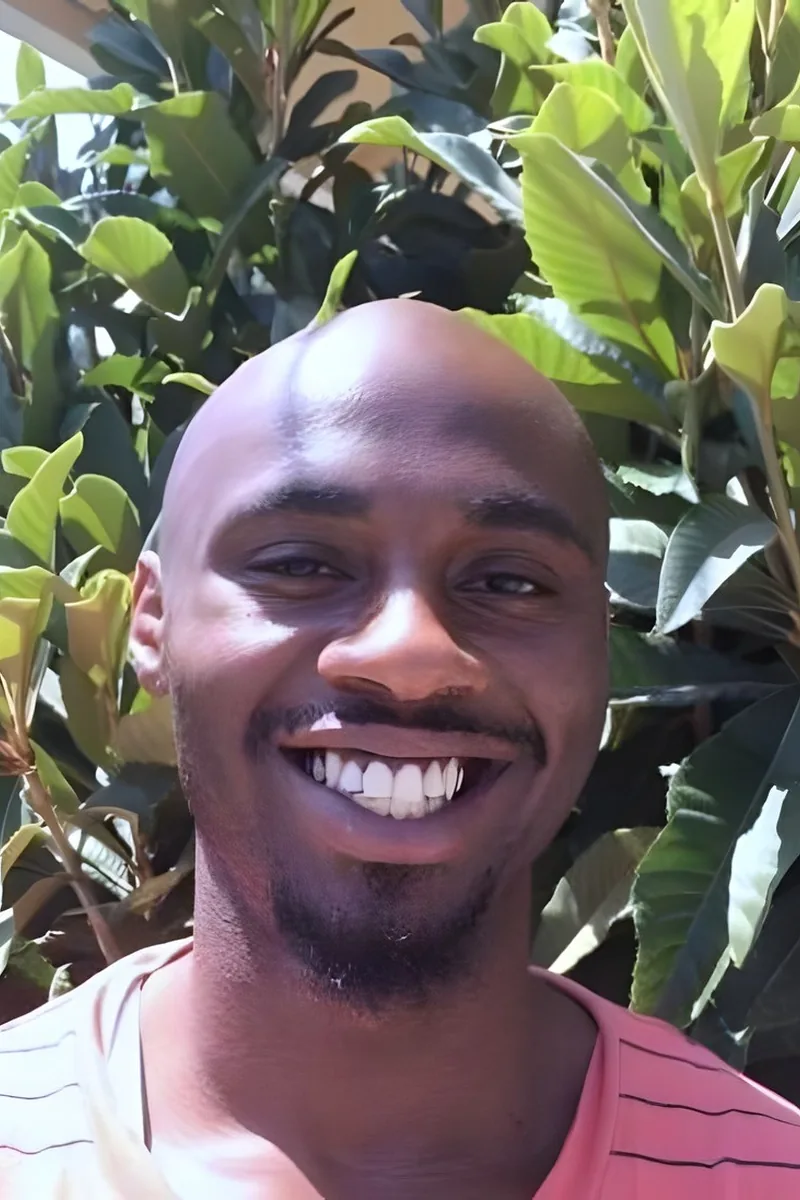
Editing an essay isn't just about catching typos — it's about tightening argument structure, cutting filler, and making every paragraph earn its place. Brian's economics and CS training at Caltech drilled precision into his writing, and he applies that same rigor when walking students through revision strategies for thesis clarity, transitions, and evidence integration.
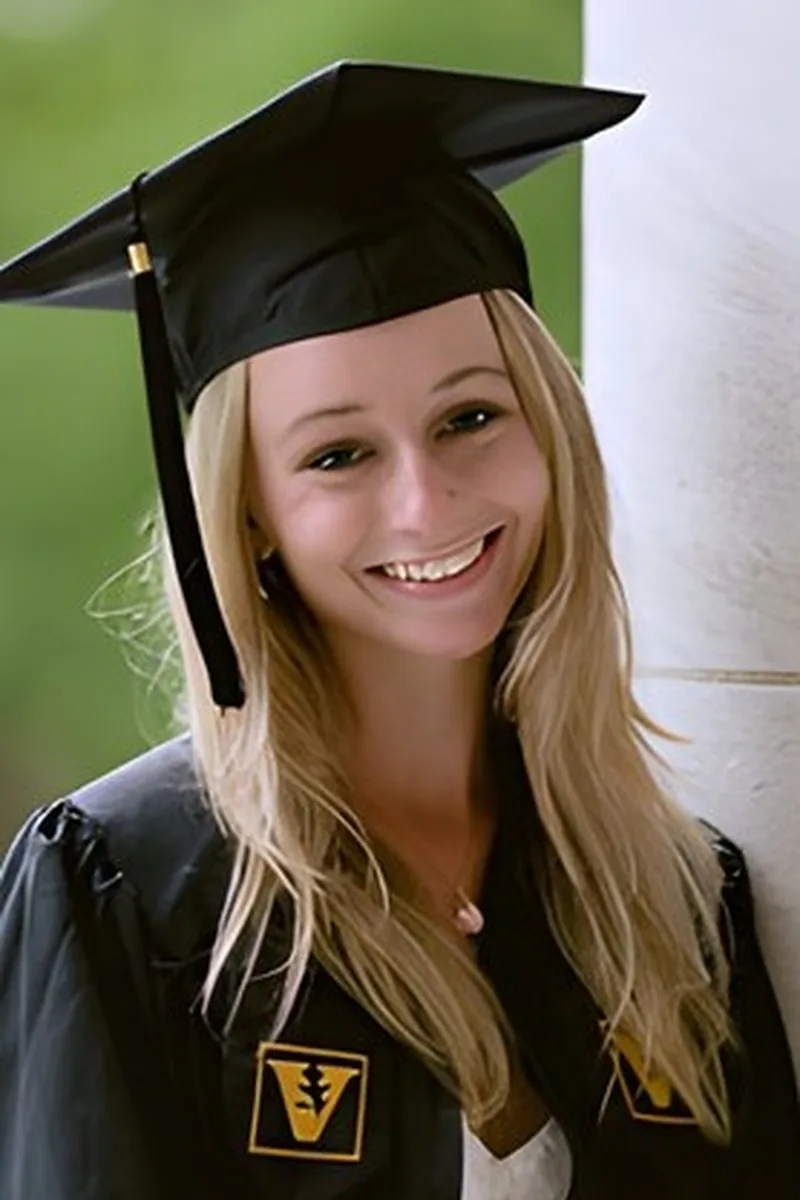
Editing someone else's essay is a different skill than writing your own — it requires reading for structure, argument, and clarity all at once. Jackie approaches each draft in layers: first checking whether the thesis actually controls every paragraph, then tightening transitions, and finally cleaning up sentence-level issues like passive voice and vague pronoun references. She's especially sharp at identifying where an essay's strongest point is buried in the wrong paragraph.
Good essay editing goes beyond catching comma splices — it's about tightening an argument so every paragraph earns its place. Ema's Harvard literature training sharpened her ability to spot where a thesis loses focus, where evidence needs stronger integration, or where transitions leave the reader behind. She walks students through each revision so they internalize the editing instincts themselves.
Good editing isn't just fixing typos — it's restructuring an argument so the reader never gets lost. Sean approaches each draft by first evaluating whether the thesis actually drives every paragraph, then tightening sentence-level clarity, transitions, and word choice. His communication studies training makes him especially sharp at identifying where a paper's logic breaks down.
Christina's computer science training built a habit of precise, logical communication — skills that translate directly into spotting where an essay's argument drifts or a paragraph buries its point. She digs into drafts at the sentence level, reworking vague claims into specific ones and trimming language until the writing is as tight as the idea behind it.
Editing isn't just fixing commas — it's rethinking whether each paragraph actually earns its place in the argument. Aaron reads student drafts with an eye for structural issues first (unclear thesis, weak transitions, paragraphs that drift off-topic) before tightening sentence-level mechanics. He walks through revisions conversationally so students internalize the editing process instead of just accepting tracked changes.
Good editing is about more than catching typos — it's about tightening arguments, cutting redundancy, and making sure each paragraph advances a single clear idea. Katrina sharpened this skill across dozens of research papers and media analyses at Yale, and she applies it by walking students through their drafts line by line so they learn to self-edit over time.
Good editing isn't just fixing commas — it's figuring out whether each paragraph actually advances the argument and whether the reader can follow the logic from one sentence to the next. Kiersten's training in screenwriting at USC sharpened her ability to restructure drafts at every level, from overall thesis clarity down to word choice and transitions.
Good editing isn't just catching comma splices — it's hearing where an argument loses momentum or a paragraph buries its own point. Chris scored 760 on the SAT Writing section and sharpens student drafts at every level, from thesis clarity and paragraph transitions down to sentence-level concision.
Good editing goes beyond catching comma splices — it means evaluating whether each paragraph earns its place and whether the argument actually progresses. Timothy approaches essay revision with the analytical rigor of his political science and pre-med training, zeroing in on thesis clarity, paragraph-level logic, and transitions that hold a reader's attention. He teaches students to self-edit by asking the right questions of their own drafts.
Editing is more than catching typos — it's rethinking whether a paragraph earns its place in the essay. Carla reads drafts at two levels: first for argument and structure (Does this thesis actually thread through every body paragraph?), then for sentence-level clarity, transitions, and tone. Her English background means she can articulate exactly why a revision works better, not just that it does.
Good essay editing goes beyond catching comma splices and passive voice — it means evaluating whether each paragraph earns its place in the argument. Daniel reads student drafts the way he'd review a research paper: checking that claims are supported, transitions are logical, and the thesis actually threads through every section. He walks writers through his revision process so they internalize it for the next paper.
Practicing law in California taught Keith that even a strong argument falls apart if the writing is unclear or disorganized. He applies that editorial discipline to student essays, targeting issues like thesis clarity, paragraph-level logic, and whether each sentence actually earns its place. The goal is always tighter prose that says more with fewer words.
Editing an essay well means more than catching comma splices — it means tightening an argument so every paragraph earns its place. Shant sharpened this skill writing research papers throughout his UCLA psychobiology program, where imprecise language could undermine an entire lab report. He reads student drafts with an eye for logical flow, clarity, and whether the thesis actually delivers what it promises.
Good editing is more than catching typos — it's rethinking whether each paragraph earns its place. Jennifer tackles essays at the structural level first, tightening thesis statements and smoothing transitions, before zeroing in on sentence-level clarity and grammar. She's particularly sharp with academic and application essays.
Good editing isn't just catching typos — it's rethinking whether a paragraph earns its place in the essay. As a section editor at the Los Angeles Review of Books, John does this professionally, and he brings that same rigor to student papers: tightening thesis statements, restructuring body paragraphs for logical flow, and cutting filler that weakens an argument. He teaches students to read their own drafts with an editor's critical eye.
At the Pardee RAND Graduate School, Anna writes policy briefs where every sentence has to earn its place — clear claims, tight structure, no filler. She brings that same editorial eye to student essays, showing writers how to sharpen a thesis, cut redundancy, and make transitions do real work between paragraphs.
Editing someone else's essay is easy; learning to edit your own is the real skill. Andrew teaches students a structured revision process — checking thesis clarity first, then paragraph-level logic, then sentence-level precision — so they can diagnose their own weak spots instead of just accepting corrections. His professional writing background means he knows what polished prose actually looks like at every stage.
Good editing isn't just fixing commas; it's restructuring an argument so every paragraph earns its place. Jerome reads drafts with an eye for thesis clarity, logical flow between paragraphs, and whether the evidence actually supports the claim — then shows the writer how to tighten each layer themselves.
A good edit goes beyond fixing commas — it asks whether each paragraph actually earns its place in the argument. Raquel approaches essay editing by first clarifying a student's thesis and logical structure, then tightening sentence-level clarity and grammar. Her experience writing under the high standards of UCLA's dental program keeps her eye sharp for both content and polish.
Good editing is more than catching typos — it's recognizing where an argument loses its thread or where a paragraph buries its strongest point three sentences deep. Dorothy reads student drafts at both the structural and sentence level, flagging issues like weak thesis statements, unsupported claims, and passive constructions that drain energy from the prose.
Most students know their essay needs work but can't pinpoint where the argument gets fuzzy or the evidence falls short. Nicole approaches editing as a conversation about clarity and logic — tightening thesis statements, restructuring paragraphs, and cutting filler so the writer's actual ideas come through sharper.
Editing an essay isn't just catching comma splices — it's figuring out whether each paragraph actually earns its place in the argument. Emily approaches revision structurally first, tightening thesis statements and reorganizing evidence before moving to sentence-level clarity. She's particularly sharp at cutting the filler that buries a writer's real point.
Good editing is about more than catching comma splices — it's about tightening an argument so every paragraph earns its place. Mitch reads drafts with an engineer's precision, flagging weak thesis statements, unclear transitions, and unsupported claims before polishing sentence-level grammar.
Strong essays fall apart when revision means just fixing commas. John teaches students to edit at the structural level first — evaluating whether each paragraph advances the thesis and whether transitions actually connect ideas — before moving into sentence-level clarity and word choice. His experience writing research papers and medical school applications gave him a sharp eye for tightening arguments.
A clean essay isn't just one without typos — it's one where every paragraph earns its place and every transition moves the argument forward. Linda zeroes in on structural issues like weak thesis statements, redundant sections, and unclear topic sentences, then teaches the reasoning behind each revision so the next draft comes easier.
I am a graduate of Duke University with a degree in Health Policy and Education Policy. While at Duke University I was a student athlete, participated in the leadership of several clubs and service groups; as well as, working as a Math and Reading tutor. After graduation I spent a year pursing a business venture allotted to me through the Elevator Pitch Competition, my senior year of college, which I won in my category - Non-Profits. After that year, I joined the Teach for America Fellowship, where I fell in love with teaching. The Teach for America Fellowship is 2 years; however, after my first year due to the recognition and growth in my classroom I was invited to start a school. I spent 2 years at that school prior to getting married and moving to California, a few months ago, with my amazing, aerospace loving, husband.
I am a recent graduate of the University of Virginia living in Los Angeles. While at UVA, I earned a 3.95 GPA and graduated my major program with Highest Distinction. I have eight years of tutoring experience (including starting my own tutoring program) and have worked with students of all ages. I'm looking forward to helping people with their studies in any way I can.
Editing an essay isn't just about catching comma splices — it's about asking whether each paragraph earns its place in the argument. Kevin approaches revision structurally first, examining thesis clarity and paragraph transitions, before moving into sentence-level polish. His experience writing extensively through UCSB's Honors Program means he's revised enough of his own work to know exactly where drafts tend to fall apart.
Good editing isn't just fixing commas — it's figuring out why a paragraph feels off and restructuring the argument underneath it. Naama's linguistics background makes her especially sharp at diagnosing unclear syntax, weak transitions, and thesis statements that don't actually commit to a claim. She marks up drafts with explanations, not just corrections, so the next paper comes out stronger from the start.
Editing an essay well requires seeing two layers at once: the argument's logic and the sentence-level clarity carrying it. Milan's English degree trained him in both, and he walks students through revision as a structured process — tightening thesis statements, cutting filler, strengthening transitions, and making sure every paragraph earns its place.
Graduate-level research at USC means Krista has written and revised extensively, from thesis chapters to technical reports. She applies that revision process to student essays, zeroing in on argument structure, transitions, and clarity so each draft gets measurably tighter.
A good edit isn't just about fixing comma splices — it's about figuring out where the argument loses its thread or where a paragraph buries its strongest point. Ben treats editing as a conversation about structure and clarity, drawing on his background in English and graduate-level philosophical writing to tighten prose without flattening the writer's voice.
Good editing is about more than catching comma splices — it's about restructuring an argument so each paragraph earns its place. Alok approaches essay revision the way he approaches engineering problems at UC Irvine: systematically, checking that the thesis is clear, the evidence is ordered logically, and every sentence does real work.
Good essay editing goes beyond catching comma splices and fixing passive voice — it means evaluating whether each paragraph actually earns its place in the argument. Janani reads drafts with an eye for logical flow, examining whether evidence connects back to the thesis and whether transitions do real work. Her own writing background means she can articulate why a revision improves the piece, not just mark what's wrong.
Good editing isn't about fixing commas; it's about seeing the gap between what a draft says and what the writer meant. Tom reads essays at the structural level first — argument flow, paragraph transitions, evidence placement — before tightening sentences. His approach turns revision from a chore into the stage where writing actually gets sharp.
Editing an essay is more than fixing commas — it's about tightening argument structure, cutting filler, and making sure every paragraph earns its place. Gerardo approaches revision as a layered process: first the thesis and logic, then paragraph transitions, then sentence-level clarity, so students walk away understanding not just what changed but why.
A strong essay usually needs the same thing a strong scene needs: a clear throughline and every element earning its place. Nina breaks down drafts at the structural level first — thesis clarity, paragraph transitions, argument logic — before tightening sentence-level issues like syntax and word choice. Her theatre background makes her particularly attuned to voice and tone, two things that separate polished writing from flat writing.
Editing isn't just about catching comma splices — it's about learning to read your own writing critically enough to spot where an argument loses its thread or a paragraph buries its point. Mary spent years coaching UCLA students through exactly this kind of revision, tightening thesis statements, restructuring body paragraphs, and sharpening evidence use until the final draft actually said what the writer intended.
Good editing isn't just catching comma splices — it's restructuring an argument so each paragraph drives toward a clear thesis. Zhenrui's experience writing across disciplines at Columbia, from lab reports to humanities papers, gives him a sharp eye for logical flow, redundancy, and the difference between a draft that summarizes and one that persuades.
Testimonials
Because the right Essay Editing tutor makes all the difference.
Average Session Rating – Based on 3.4M Learner Ratings
Nearby Essay Editing Tutors
Other Stockton Tutors
Related English Tutors in Stockton
Frequently Asked Questions
Varsity Tutors matches Stockton students with expert Essay Editing tutors for 1-on-1 instruction. We pair each student with a tutor based on their specific needs, learning style, and goals.
Whether you need homework help, exam prep, or want to get ahead, our Essay Editing tutors are ready to help.
Common challenges include gaps from earlier material, difficulty with specific concepts, and trouble applying learning to new problems. These issues can snowball quickly in Essay Editing.
A tutor identifies where you're stuck, fills in gaps, and provides targeted practice. The 1-on-1 format means you get help exactly where you need it.
Tutors work with your student's actual coursework—homework assignments, class notes, and upcoming tests. This keeps tutoring directly relevant to what's happening in the classroom.
When you share information about your student's school and curriculum, we can match you with a tutor who has relevant experience.
All tutors complete background checks, credential verification, and teaching evaluation. Many of our Essay Editing tutors hold advanced degrees or have years of teaching experience.
You can review tutor profiles to find someone with the right background for your student's level and needs.
Many students see improved grades within a few weeks, along with better understanding of Essay Editing concepts and more confidence tackling challenging material.
Tutors track progress and adjust their approach to ensure continued improvement.
Most students benefit from 1-2 sessions per week. More frequent sessions help if your student is significantly behind or has an important exam coming up.
Your tutor can recommend a schedule based on your student's specific situation and goals.
Tutoring is purchased in packages of hours, with rates varying by tutor experience. Varsity Tutors offers several options to fit different budgets and needs.
You can discuss pricing during your consultation to find what works best.
Your tutor will assess where your student is, discuss goals, and start working on priority areas. Most students bring current homework or upcoming test material to focus on.
By the end, you'll have a clear sense of how the tutor can help and a plan for moving forward.
Let’s find your perfect tutor
Answer a few quick questions. We’ll recommend the right plan and match you with a top 5% tutor.