Award-Winning Elementary Math Tutors
serving Rockford, IL
Elementary Math
Tutors in Rockford
Private 1-on-1 tutoring, weekly live classes for academic support, test prep & enrichment, practice tests and diagnostics, and more to elevate grades and test scores.
Based on 3.4M Learner Ratings
UniversitiesSchools & Universities
DeliveredHours Delivered
ProficiencyGrowth in Proficiency
Who needs tutoring?
No obligation. Takes ~1 minute.
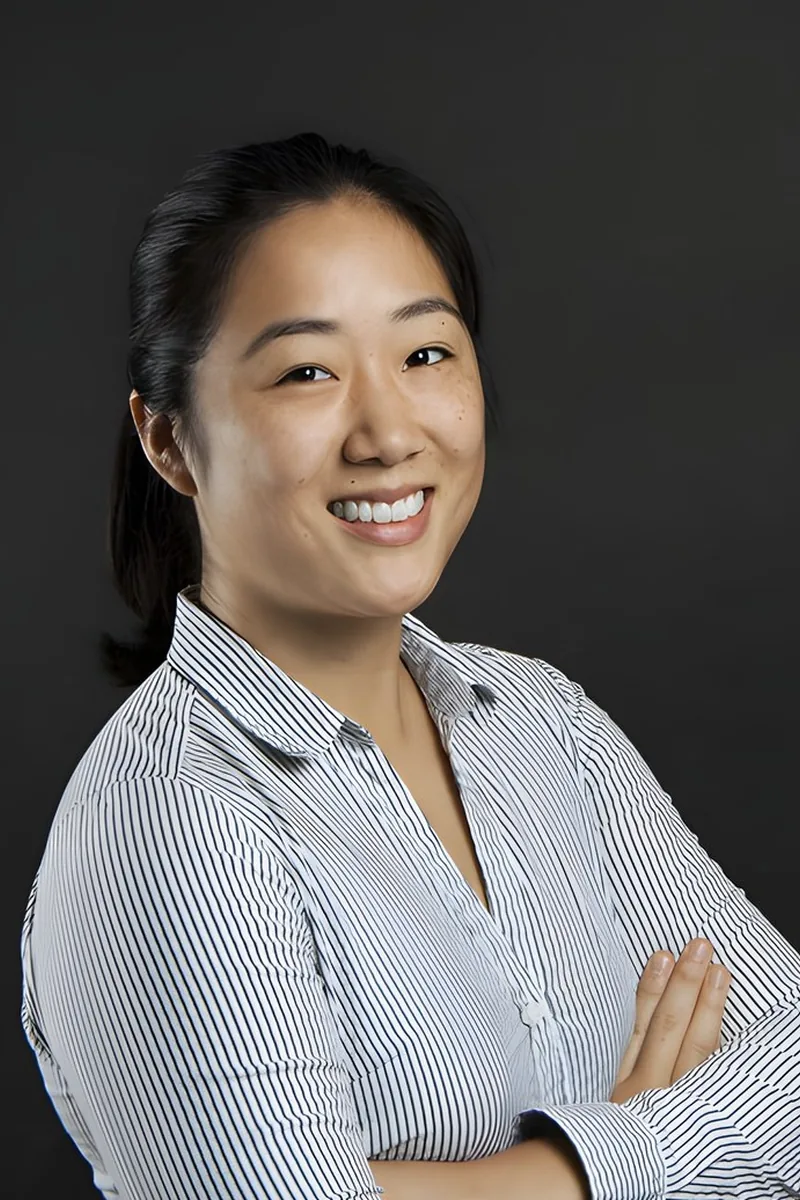
Building number sense early — understanding place value, basic fractions, and the logic behind multiplication — shapes how a student thinks about math for years. Asta's experience working with younger learners across different educational systems in both Hong Kong and the U.S. gives her a practical sense of where kids get stuck and how to unstick them.

Place value, regrouping, and early fractions click faster when a tutor knows exactly where young learners tend to get stuck. Molly has spent three years teaching math intervention in 2nd through 4th grade classrooms, so she can pinpoint a gap in number sense and address it before it snowballs. Rated 5.0 by families she's worked with.
Getting multiplication facts and place value right early on shapes how a student handles every math class that follows. Neha has tutored kids as young as kindergarten across Chicago and knows how to make concepts like fractions and basic division click through hands-on, visual strategies rather than rote repetition.
Building number sense early changes everything about how a student experiences math later on. Katie teaches elementary concepts like place value, basic fractions, and multi-digit multiplication in ways that emphasize understanding over rote memorization — using visual models and real-world examples that make abstract ideas click. She's patient with young learners and genuinely excited when a concept lands.
Multiplication tables, place value, basic fractions — elementary math is deceptively important because every future math concept depends on it. Gabriel's background in human development gives him sharp insight into how younger learners think and build number sense. He keeps sessions interactive and concrete, turning abstract ideas into something a child can visualize and explain back.
I am currently a senior at Northwestern University and I will be receiving a Bachelor of Arts in Political Science and Legal Studies this spring. In the fall, I will begin attending law school at Northwestern Law. For many years, I tutored a wide range of students in Spanish, English literature, and writing. I have also continued to help many high school seniors with college application essays. While I tutor a variety of subjects, I am very passionate about helping students improve their reading and writing skills, and I really enjoy helping students with Critical Reading and Writing portions of Standardized Tests. I love working with students and helping them realize their full academic potential. In my spare time, I enjoy traveling, exploring Chicago, reading, and cooking.
Getting multiplication facts or long division to click often comes down to how the concept is explained the first time. Hans approaches elementary math by finding the specific spot where a student's understanding breaks down — whether that's place value, regrouping, or fraction equivalence — and rebuilds from there. His patience and structured style have earned him a 5.0 rating from families.
Multiplication facts, fraction models, area and perimeter — elementary math is less about memorizing procedures and more about understanding why those procedures work. Sarah's education training emphasized developmental math progressions, so she matches her explanations to how a child's brain is actually ready to learn at each grade level.
Multiplication tables, place value, basic fractions — these aren't just skills to memorize but building blocks that shape how a child thinks about numbers for years to come. Ali brings patience and creativity to elementary math, using visual models and real-world examples to make concepts like regrouping or area feel intuitive rather than mechanical.
Early math confidence shapes how a student feels about every quantitative subject for years to come. Taryn teaches foundational concepts like place value, multi-digit multiplication, and fraction operations by grounding each one in tangible, relatable scenarios — sharing pizza, measuring ingredients, counting change. She's a patient, down-to-earth teacher who pays attention to where a child's understanding breaks down and addresses that specific gap.
Building number sense early changes everything about how a student experiences math later on. Zhaleh teaches place value, basic operations, and early fractions through hands-on problem-solving strategies that make abstract ideas click for younger learners.
Getting multiplication facts, place value, and basic fractions right early on shapes how a student feels about math for years. Rebecca approaches elementary math by making those foundational concepts tangible — using visual models and step-by-step reasoning so kids understand the 'why' behind each operation. Rated 4.9 by families she's worked with.
Getting multiplication tables, fractions, and place value right at this stage sets up everything that comes later in math. Rushi approaches elementary math by building number sense through patterns and visual reasoning, not just repetition. His patience and experience teaching his younger brother give him a natural instinct for how younger learners think through problems.
Building number sense early — understanding place value, basic operations, and simple fractions at a gut level — shapes how a child approaches every math class that follows. Hannah's background in psychology and special education means she reads young learners well, spotting when a kid is nodding along but not truly grasping the concept. She uses hands-on strategies and real-world examples to make abstract ideas tangible.
Building number sense early — really understanding what multiplication means, not just reciting times tables — changes a student's entire math trajectory. Brendan brings structured, patient methods from his special education training to concepts like place value, regrouping, and basic fractions, adapting his explanations to how each kid actually thinks.
Place value, regrouping, and early fraction concepts click faster when a tutor understands how young learners actually think about numbers. Alexandra's elementary education degree — plus hands-on classroom teaching in St. Louis schools — means she knows multiple ways to represent the same math idea until the right one lands. She's also worked with advanced 3rd–5th graders in enrichment programs, so she can push students who are ready for more.
Teaching 7th graders in Chicago means Adrianna sees firsthand which elementary math gaps trip students up later — shaky place value understanding, weak fluency with fractions, or confusion around multi-step word problems. She breaks these foundational concepts into concrete, visual steps that make arithmetic click before students move on to more abstract work.
Getting multiplication facts, place value, and basic fractions right at the elementary level shapes how a student handles every math class that follows. Katelynn earned her degree in elementary education and currently teaches in a classroom, so she understands how young learners think about numbers — and she uses visual models, manipulatives, and real-world examples to make those early concepts stick.
Whether it's long division, fractions, or place value, Jennie builds each lesson around the specific concept a student is struggling with rather than running through generic worksheets. Her approach ties math to everyday situations — splitting a recipe, counting change, measuring distances — so the reasoning clicks. She holds a 4.9 client rating.
Marvin currently teaches upper elementary as a Teach For America corps member, so he's in the classroom every day working through place value, multi-digit multiplication, and early fraction concepts with real students. That daily practice means he knows which visual models and hands-on strategies actually click for young learners, not just which ones look good on paper.
Strong number sense — understanding place value, basic operations, and how fractions relate to division — sets kids up for everything that follows in math. Lewis teaches these foundational concepts by making the reasoning visible, so students can explain *why* 3 × 4 gives the same result as 4 × 3, not just recite the fact. His experience as a university instructor translates into patient, structured explanations scaled to younger learners.
Multiplication tables and long division get all the attention, but Kelsey puts equal emphasis on number sense — understanding why 7 × 8 relates to 7 × 4 doubled, or what it actually means to regroup during subtraction. That deeper understanding is what separates a student who can answer a worksheet from one who feels genuinely confident with numbers.
Place value, fractions, and basic multiplication can feel abstract to young learners until someone connects them to things kids actually care about — sharing snacks equally, measuring ingredients, counting money. Marijke's anthropology background gives her a knack for storytelling and real-world context that makes these early math concepts click. Rated 5.0 by families she's worked with.
Early math concepts like place value, fractions, and basic multiplication form the architecture for everything that comes later. Adrianne uses hands-on strategies and visual models — fraction bars, area diagrams, number lines — to make these ideas tangible for young learners who need to see the math, not just hear it.
Building number sense early — through place value, basic operations, and simple fractions — sets up everything a student will do in math for years to come. Daniel teaches these foundational skills with patience and clear explanations, making sure students understand why borrowing works in subtraction or how multiplication connects to repeated addition. His science background gives him a knack for turning abstract ideas into something concrete and visual.
Curricula like Everyday Math and Go Math each approach place value, fractions, and multi-step word problems differently — Brigette has taught with both and knows how to bridge the gap when a student's classroom method isn't clicking. As a 6th grade Learning and Behavior Specialist in Chicago Public Schools, she adapts explanations to match how each child actually thinks through a problem. Rated 5.0 by families she's worked with.
Building number sense early — understanding place value, fractions as parts of a whole, or why multiplication is repeated grouping — matters more than speed with flash cards. Ellen uses guided questioning to let younger students reason through problems themselves, stepping in with clear explanations when they need it. She holds a 5.0 rating from families she's worked with.
I am a junior at the University of Wisconsin--Madison, working toward Bachelor of Science degrees in Biology and Spanish, as well as a Certificate in Leadership. I have volunteered as a tutor of high school students through Centro Hispano and junior high students through Mentoring Positives in Madison, Wisconsin. While I tutor a broad range of subjects, I am most passionate about biology, chemistry, and math, as well as the MCAT exam. I place a high emphasis on content comprehension in preparation for standardized tests, as well as in other coursework. I also enjoy teaching Spanish, in which I am proficient. I lived in Seville, Spain during the fall of 2014, and I believe that repeated conversation practice is one of the best ways to learn a language. I also enjoy watching and playing a variety of sports, especially football and basketball, and when given the opportunity, I love to travel.
Multiplication strategies, place value, and early fraction concepts can feel abstract to young learners who need something concrete to hold onto. Gopal uses visual models and step-by-step reasoning to make these ideas click, drawing on the same structured problem-solving approach he developed as an engineer. He's patient with the pace elementary students need and knows how to celebrate small wins that build momentum.
Multiplication tables, long division, and place value might seem straightforward, but the way a young student first understands these ideas shapes how they think about math for years. Charles uses structured, step-by-step explanations that turn each problem into a small logic game. His enthusiastic and supportive style keeps younger learners engaged and willing to try again when something doesn't click right away.
Multiplication strategies, place value, and early fraction concepts all depend on whether a student truly understands what numbers represent. Edward approaches elementary math by making those foundational ideas tangible — using visual models and real-world examples so that procedures like long division actually make sense rather than feel like arbitrary steps.
Getting multiplication facts, place value, and basic fractions right at this stage shapes how a student feels about math for years to come. Paulina uses visual models like number lines and area diagrams to make these ideas click, adjusting her explanations until each concept truly lands. Her 5.0 client rating speaks to how well she connects with younger learners.
Getting multiplication facts and place value right in elementary school shapes how a student handles every math class afterward. Ben's master's in Mathematics Education included studying how younger learners develop number sense, so he knows when to use visual models like number lines or base-ten blocks and when a student is ready to work more abstractly. Parents consistently rate him 5.0 for his patience and clarity.
Getting number facts, place value, and basic operations truly solid at the elementary level pays off for years. Tony doesn't just drill — he explains the reasoning behind strategies like regrouping and mental math shortcuts so young learners build real number sense. His ability to simplify concepts for any level is a consistent theme in his 4.9 student rating.
Building number sense early — understanding place value, basic fractions, and what multiplication actually means — shapes how a student handles every math class that follows. Amanda volunteered at an elementary school during her time at Kenyon College and later taught primary students in Nicaragua, so she's comfortable making early math concepts tangible and visual for young learners.
Rachel approaches elementary math by building number sense first — skip counting, place value, basic fact fluency — so that addition and subtraction strategies feel intuitive rather than mechanical. As a certified secondary education teacher, she understands where these early skills need to lead and teaches them with that trajectory in mind.
Place value, multi-digit multiplication, and early fractions are deceptively important — they're the mental scaffolding every future math concept rests on. Kurt makes these topics feel like games and puzzles rather than worksheets, drawing on a natural sense of humor that keeps younger learners curious and willing to try again when an answer doesn't come immediately.
Building number sense early — through place value, basic multiplication, and simple word problems — sets kids up for everything that comes later in math. Katie's 4.0 GPA and experience as a presidential scholar show the kind of precision and patience she brings to teaching young learners foundational skills.
Early math concepts like place value, fractions, and multi-digit multiplication shape how a child thinks about numbers for years to come. James keeps lessons hands-on and encouraging, turning problems into puzzles that build both skill and confidence at the same time.
Getting multiplication facts, place value, and basic fractions right at this age changes a student's entire relationship with math going forward. Anastasia keeps younger learners engaged by turning practice into problem-solving games and visual strategies rather than rote repetition. Her patience and 5.0 student rating make her a natural fit for building early math confidence.
Testimonials
Because the right Elementary Math tutor makes all the difference.
Average Session Rating – Based on 3.4M Learner Ratings
Nearby Elementary Math Tutors
Other Rockford Tutors
Related Math Tutors in Rockford
Frequently Asked Questions
Varsity Tutors matches Rockford students with expert Elementary Math tutors for 1-on-1 instruction. We pair each student with a tutor based on their specific needs, learning style, and goals.
Whether you need homework help, exam prep, or want to get ahead, our Elementary Math tutors are ready to help.
Common challenges include gaps from earlier material, difficulty with specific concepts, and trouble applying learning to new problems. These issues can snowball quickly in Elementary Math.
A tutor identifies where you're stuck, fills in gaps, and provides targeted practice. The 1-on-1 format means you get help exactly where you need it.
Tutors work with your student's actual coursework—homework assignments, class notes, and upcoming tests. This keeps tutoring directly relevant to what's happening in the classroom.
When you share information about your student's school and curriculum, we can match you with a tutor who has relevant experience.
All tutors complete background checks, credential verification, and teaching evaluation. Many of our Elementary Math tutors hold advanced degrees or have years of teaching experience.
You can review tutor profiles to find someone with the right background for your student's level and needs.
Many students see improved grades within a few weeks, along with better understanding of Elementary Math concepts and more confidence tackling challenging material.
Tutors track progress and adjust their approach to ensure continued improvement.
Most students benefit from 1-2 sessions per week. More frequent sessions help if your student is significantly behind or has an important exam coming up.
Your tutor can recommend a schedule based on your student's specific situation and goals.
Tutoring is purchased in packages of hours, with rates varying by tutor experience. Varsity Tutors offers several options to fit different budgets and needs.
You can discuss pricing during your consultation to find what works best.
Your tutor will assess where your student is, discuss goals, and start working on priority areas. Most students bring current homework or upcoming test material to focus on.
By the end, you'll have a clear sense of how the tutor can help and a plan for moving forward.
Let’s find your perfect tutor
Answer a few quick questions. We’ll recommend the right plan and match you with a top 5% tutor.