Award-Winning Computer Science Tutors
serving Des Moines, IA
Computer Science
Tutors in Des Moines
Private 1-on-1 tutoring, weekly live classes for academic support, test prep & enrichment, practice tests and diagnostics, and more to elevate grades and test scores.
Based on 3.4M Learner Ratings
UniversitiesSchools & Universities
DeliveredHours Delivered
ProficiencyGrowth in Proficiency
Who needs tutoring?
No obligation. Takes ~1 minute.
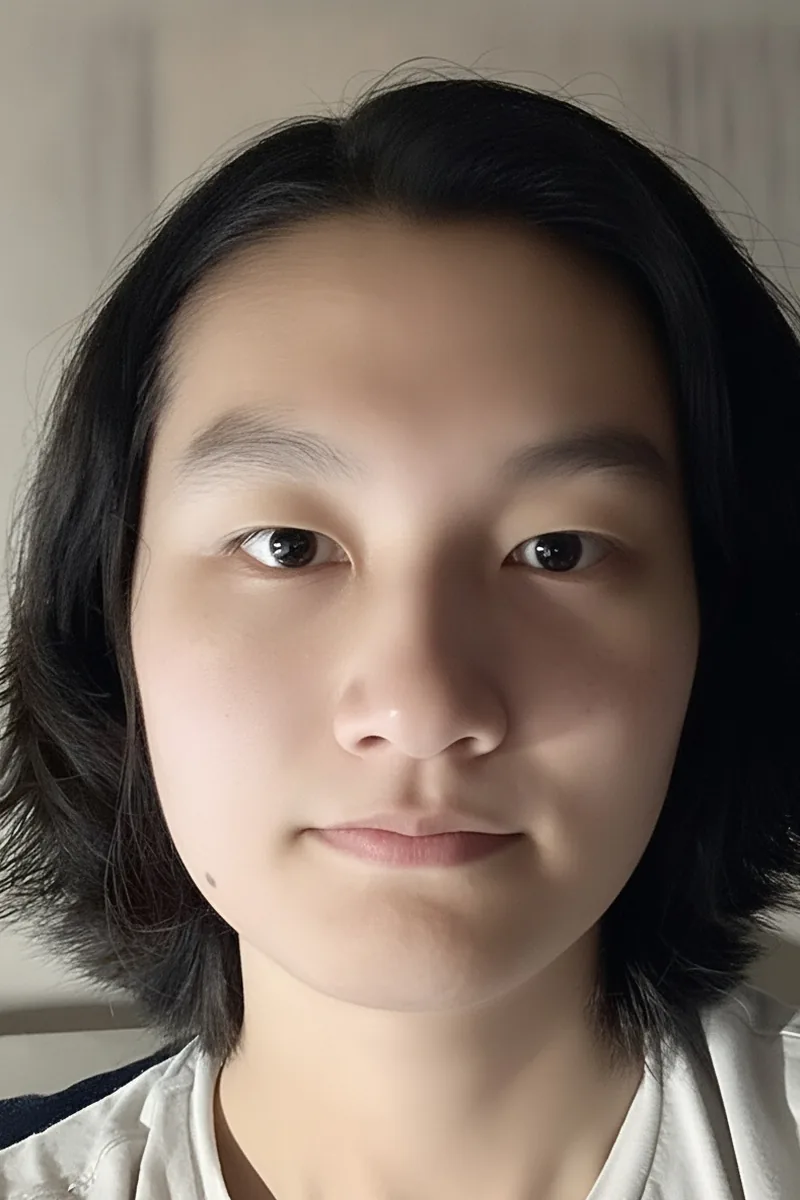
I'm a computer science major at Penn State with a lot of application-oriented programming experience, but also academic experience. Some highlights include 1560 on the SAT and 5 on AP Comp Sci A.
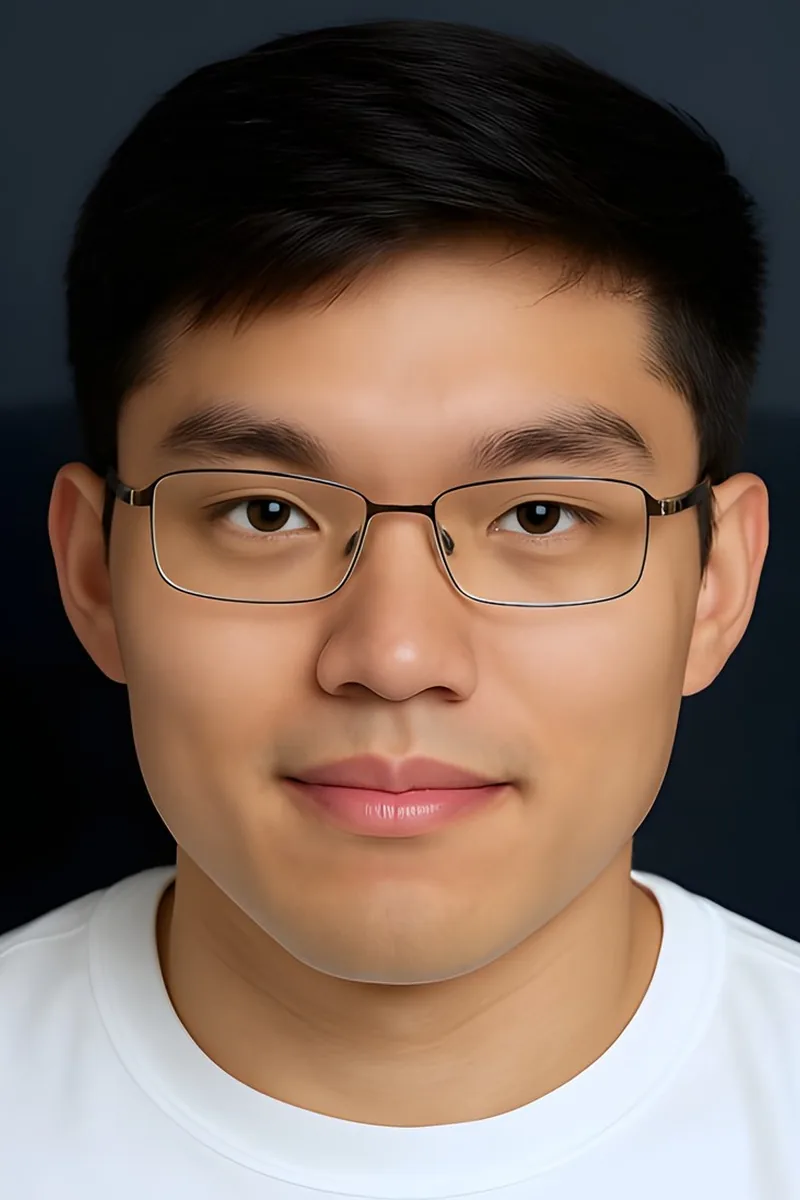
Studying computer science at MIT, Brice digs into everything from data structures and algorithms to systems-level thinking with students at any stage. He's tutored over 30 students in the past year alone, tackling topics like recursion, object-oriented design, and algorithmic complexity. Rated 4.9 by students.
Elizabeth's computer science degree and professional software development career mean she teaches CS concepts the way they're actually used — not just as textbook definitions. Whether it's understanding recursion, tracing through data structures, or reasoning about algorithmic efficiency, she connects abstract ideas to real code she's written on the job.
Studying computer science since before college and now pursuing a master's at UMass Amherst, Milo covers the full stack — from data structures and algorithms to systems-level concepts like memory management and concurrency. He spent three years in his university's tutoring center breaking down topics like recursion, sorting complexity, and graph traversal for students at every level.
From data structures and algorithms to computational complexity, Victoria covers the core CS concepts that show up in both coursework and technical interviews. Studying computer science and math simultaneously at WashU gave her a knack for explaining the mathematical reasoning behind topics like recursion, sorting efficiency, and graph traversal. She holds a 5.0 rating from students.
Sakibul's graduate work at Rice sits at the intersection of computer science and applied mathematics, which means he tackles programming concepts — loops, recursion, data structures — with the analytical rigor of a mathematician. He breaks down abstract ideas like algorithmic complexity into concrete, step-by-step reasoning that clicks for students encountering CS for the first time.
From sorting algorithms to recursion to object-oriented architecture, computer science rewards the ability to think in layers of abstraction. Joel is pursuing CS at Cornell alongside physics, which means he approaches programming problems with both mathematical rigor and practical debugging instincts. He's comfortable across Python and Java and adapts to whatever language a student's course requires.
Ritesh's applied physics program at Cornell involves significant programming, from numerical simulations to data analysis, giving him hands-on fluency with core computer science concepts like algorithm design, data structures, and debugging logic. He unpacks topics such as recursion, sorting algorithms, and object-oriented principles by tying them to concrete problems rather than abstract definitions.
Holding both a B.S. in Computer Science from the University of Kentucky and a game development master's in progress at SCAD, Evan covers the full stack of CS fundamentals: data structures, algorithm analysis, object-oriented design, and software architecture. He connects abstract concepts like Big-O complexity or recursion to concrete implementations in C, C++, and Java so the theory actually sticks.
From data structures and algorithm analysis to the fundamentals of how operating systems and networks function, Nicholas covers computer science with the depth his Penn State CS degree provided. He's especially strong at explaining recursion, sorting algorithms, and Big-O notation — the concepts that separate students who can code from students who truly understand computation. Rated 5.0 by students.
Between his AP Computer Science 5 and his engineering coursework at Vanderbilt, William has written code across contexts — from introductory Java to computational modeling in his chemical engineering classes. He breaks down abstract concepts like recursion, data structures, and algorithm efficiency by walking through concrete examples line by line. Students who can follow the logic but freeze when writing code from a blank screen tend to gain traction quickly with his approach.
From automata theory and computational complexity to practical algorithm design, Firas covers computer science as both a theoretical discipline and a hands-on craft. His Ph.D. research at the intersection of machine learning and big data means he can connect abstract CS concepts — graph traversals, runtime analysis, NP-completeness — to the systems that actually use them. Rated 5.0 by students.
Alston is pursuing a Computer Science degree at the University of Virginia, which means he's actively working through data structures, algorithms, and object-oriented design — not recalling them from years ago. He breaks down concepts like recursion and sorting algorithms by walking through the logic step by step, letting students trace the code themselves until the pattern clicks.
Testimonials
Because the right Computer Science tutor makes all the difference.
Average Session Rating – Based on 3.4M Learner Ratings
Nearby Computer Science Tutors
Other Des Moines Tutors
Related Technology and Coding Tutors in Des Moines
Frequently Asked Questions
Your first session is focused on understanding your current level and goals. A tutor will discuss what you're working on—whether that's learning Python fundamentals, preparing for AP Computer Science, or building a specific project—and identify areas where you need the most support. This helps create a personalized plan tailored to your learning pace and coding experience.
Debugging is one of the most valuable skills a tutor can help you develop. Rather than just fixing errors for you, tutors teach you how to read error messages, trace through your code logically, and use debugging tools effectively. This approach builds your problem-solving confidence so you can tackle new errors independently in the future.
Syntax is the specific rules of a programming language (like Python or Java), while logic is how you think through solving a problem step-by-step. Many students struggle because they focus too much on syntax details and not enough on algorithmic thinking. Tutors help you balance both by teaching you to plan solutions first, then translate them into code—making the syntax feel like a natural next step.
Absolutely. Project-based learning is one of the most effective ways to develop real programming skills. Tutors can guide you through building applications—whether that's a web app, game, or data analysis project—while teaching you best practices like code organization, testing, and documentation. This gives you both practical experience and portfolio pieces for college or career applications.
Data structures and algorithms are abstract concepts that benefit greatly from personalized explanation and visualization. Tutors can break down how arrays, linked lists, trees, and sorting algorithms actually work, then have you implement them in code to solidify your understanding. This hands-on approach transforms these challenging topics from confusing theory into concrete skills.
Varsity Tutors connects you with tutors who specialize in different Computer Science paths. Whether you want to focus on web development (HTML, CSS, JavaScript), game development (Unity, Unreal), data science (Python, SQL), or competitive programming, you can get matched with someone with expertise in your area of interest. This targeted approach helps you build skills relevant to your goals.
Yes. For students in Des Moines working through school Computer Science courses or preparing for AP Computer Science A or Principles, tutors provide targeted support on curriculum topics, practice problems, and exam strategies. They can help you understand concepts taught in class and build confidence for assessments.
Code review is a core part of professional development, and tutors excel at providing constructive feedback on your work. They can review your code for logic, efficiency, readability, and best practices—then explain how to improve it. This kind of personalized feedback accelerates your learning far more than working alone.
Let’s find your perfect tutor
Answer a few quick questions. We’ll recommend the right plan and match you with a top 5% tutor.