Award-Winning Organic Chemistry Tutors
serving Des Moines, IA
Organic Chemistry
Tutors in Des Moines
Private 1-on-1 tutoring, weekly live classes for academic support, test prep & enrichment, practice tests and diagnostics, and more to elevate grades and test scores.
Based on 3.4M Learner Ratings
UniversitiesSchools & Universities
DeliveredHours Delivered
ProficiencyGrowth in Proficiency
Who needs tutoring?
No obligation. Takes ~1 minute.
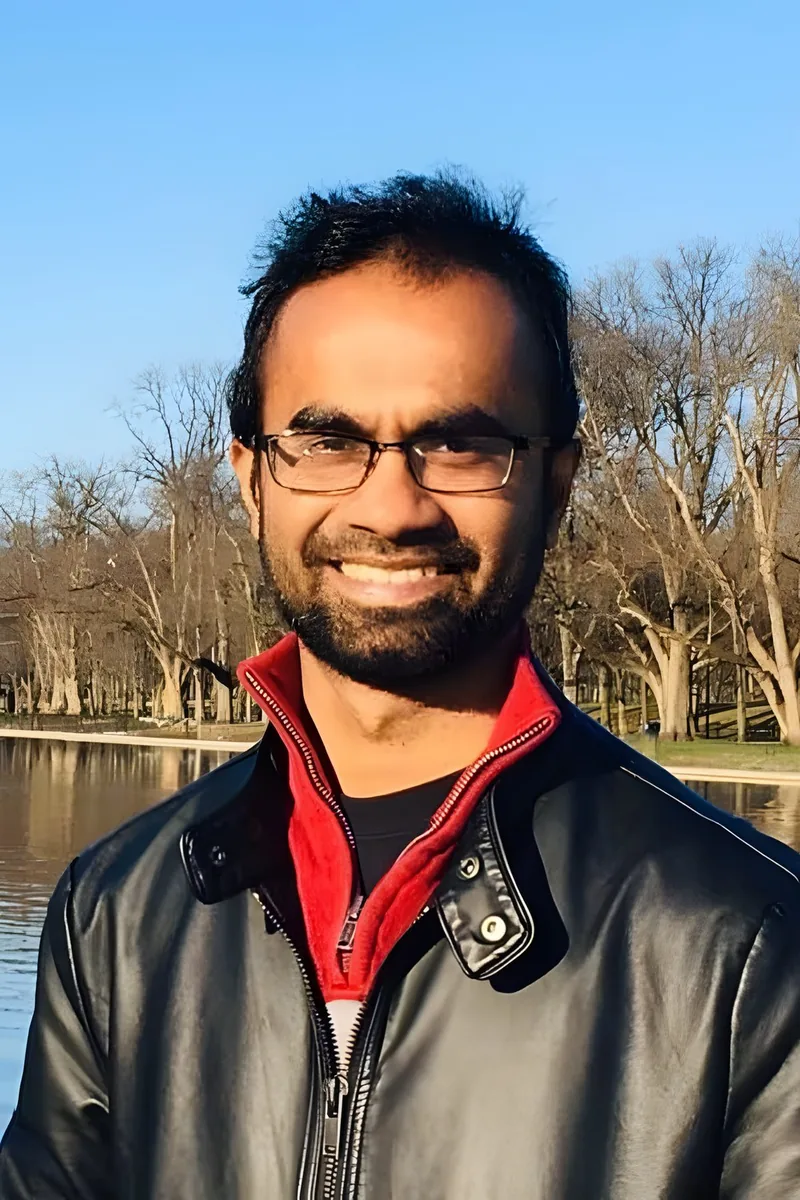
Even though his doctorate is in inorganic chemistry, Dinesh's graduate training at Wayne State required extensive work with reaction mechanisms, stereochemistry, and spectroscopic analysis that are central to organic chemistry. He teaches students to trace electron movement through arrow-pushing so that predicting products of substitution, elimination, and addition reactions becomes intuitive rather than a guessing game.
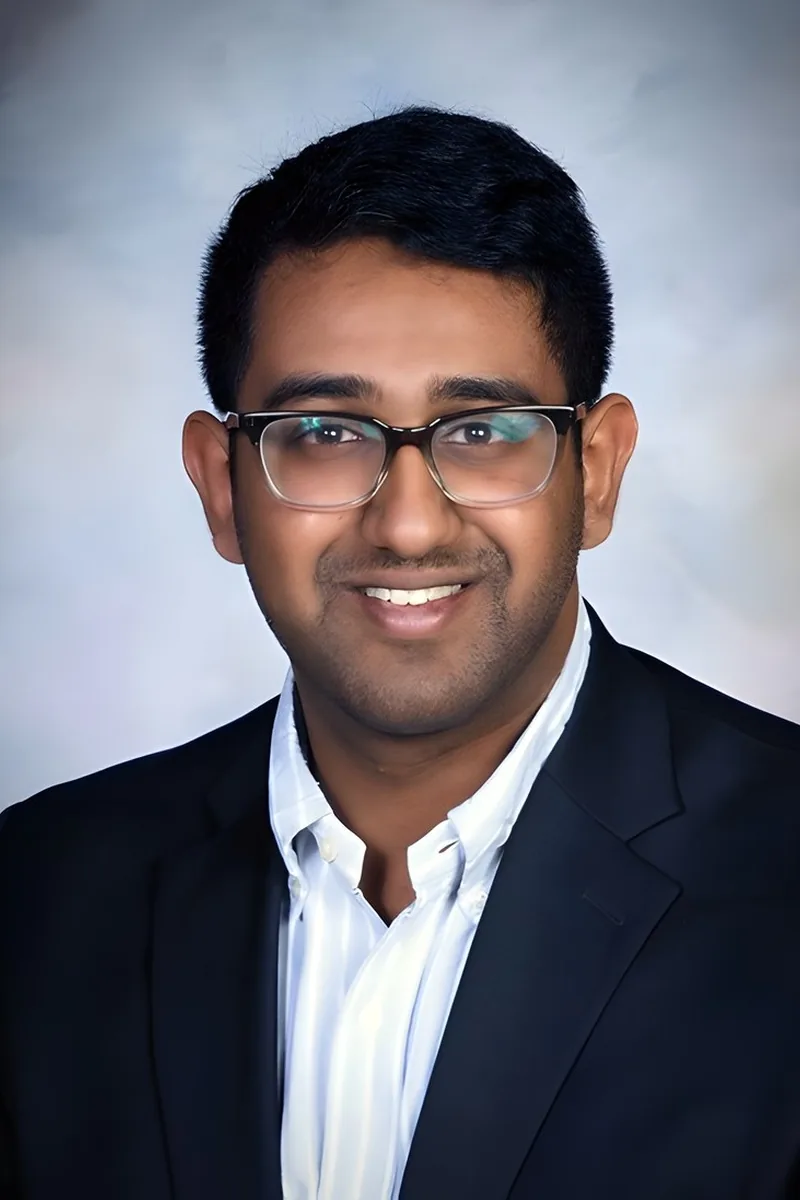
Chemical engineering at Cornell meant Rahul didn't just pass organic chemistry — he applied it daily in reactor design, synthesis planning, and thermodynamic analysis of reaction pathways. That engineering lens gives him a distinctive angle on topics like carbonyl chemistry and stereoselectivity, where he ties mechanism logic back to energy landscapes and kinetic versus thermodynamic control. Rated 4.9 by students.
David is earning his PhD in organic chemistry at Northwestern, where he teaches undergraduate orgo labs and recitations and has co-written exam questions for the department. That means he knows exactly which reaction mechanisms, stereochemistry problems, and retrosynthesis challenges professors test — and how to break them down so the logic clicks. Rated 5.0 by students, he ties each mechanism to real-world applications that make the material stick.
Reaction mechanisms are the language of organic chemistry, and Daniel learned to speak it fluently through his microbiology and dental science training. He walks through arrow-pushing, stereochemistry, and functional group reactivity by emphasizing the "why" behind each electron movement — so students can predict products on exam day instead of relying on memorized templates.
Reaction mechanisms click when you understand electron movement — why a nucleophile attacks one carbon over another, how steric hindrance redirects a pathway, what drives an elimination versus a substitution. Enric's PhD in Chemistry means he's spent years thinking at the mechanistic level and can unpack arrow-pushing, stereochemistry, and retrosynthetic analysis in ways that make each reaction type feel logical rather than arbitrary.
Reaction mechanisms are the backbone of organic chemistry, and Natasha teaches them the way she learned them in her biomolecular engineering program — by tracing electron movement step by step until the logic feels inevitable rather than arbitrary. She digs into arrow-pushing, stereochemistry, and functional group reactivity by asking students to predict products before revealing answers, building real intuition for how molecules behave.
Reaction mechanisms are the language of organic chemistry, and Jon spent his Master's work at Princeton immersed in that language daily. He unpacks arrow-pushing, stereochemistry, and functional group reactivity by tying each mechanism back to the electron behavior driving it, so students build intuition instead of relying on rote memorization. His TA students at Princeton gave him reviews strong enough to earn a teaching award — a good sign for anyone staring down a semester of orgo.
Reaction mechanisms click once you stop memorizing arrow-pushing patterns and start understanding why electrons move the way they do — nucleophilicity, sterics, leaving group stability. Mitchell's neuroscience degree required extensive organic chemistry coursework, and he breaks down everything from substitution and elimination reactions to carbonyl chemistry by connecting each mechanism to the electronic principles driving it.
Jonathan's human biology degree and pre-med track at Cornell meant organic chemistry wasn't just a prerequisite — it was the course that connected molecular structure to everything he'd later study in physiology and biochemistry. He tackles synthesis problems and spectroscopy interpretation by linking functional group behavior back to biological relevance, which gives students a reason to care about each mechanism. Rated 4.9 by students.
Reaction mechanisms are the backbone of organic chemistry, and learning to predict products means recognizing electron-density patterns, not memorizing hundreds of individual reactions. Alec's approach — honed through years of TA work in Cornell's chemistry department — emphasizes arrow-pushing logic and functional group reactivity so that substitution, elimination, and addition reactions start to feel like variations on a theme rather than separate things to memorize.
Having taught General Chemistry, Organic Chemistry, and GOB courses for health professions repeatedly at the college level, Jeremy approaches reaction mechanisms as skills to be practiced — not facts to be memorized. His PhD in Chemistry from Yale means he can trace arrow-pushing, stereochemical analysis, and multi-step synthesis all the way down to first principles, then rebuild them at whatever level a student needs. He holds a 4.6 rating.
Max spent much of high school independently pursuing organic chemistry through coursework and projects well beyond what was required — the kind of deep, self-driven study that builds real fluency with reaction types and synthesis logic. His chemistry degree from MIT and mathematical instincts mean he approaches problems like retrosynthetic analysis and multi-step mechanism design as structured puzzles, breaking each one into clear decision points. Rated 5.0 by students.
Reaction mechanisms in organic chemistry are essentially molecular storytelling — electron pairs move, bonds break and form, and stereochemistry shifts in predictable ways. Andrew's molecular biology training required deep fluency with organic reactions at the biomolecular level, so he teaches arrow-pushing and functional group transformations as logical sequences rather than steps to memorize.
Testimonials
Because the right Organic Chemistry tutor makes all the difference.
Average Session Rating – Based on 3.4M Learner Ratings
Practice Organic Chemistry
Free practice tests, flashcards, and AI tutoring for Organic Chemistry
Nearby Organic Chemistry Tutors
Other Des Moines Tutors
Related Science Tutors in Des Moines
Frequently Asked Questions
Organic chemistry requires visualizing 3D molecular structures and understanding reaction mechanisms that aren't always intuitive. Many students struggle because it demands both memorization of reactions and deep conceptual understanding of why those reactions occur. Personalized 1-on-1 instruction helps you move beyond memorizing reaction types to truly grasping the underlying principles—like how electron movement drives reactivity—which makes the material stick and transfers to new problems.
Your first session focuses on understanding your current level, identifying specific challenges (whether it's mechanism drawing, synthesis problems, or nomenclature), and establishing a personalized learning plan. A tutor will likely work through a practice problem with you to see your approach and thinking process, then tailor future sessions to address gaps in conceptual understanding or problem-solving strategies that will help you succeed in your course.
Expert tutors use multiple strategies to make abstract concepts concrete: drawing detailed mechanisms, using molecular models, working through 3D spatial reasoning, and connecting structures to reactivity patterns. By seeing these concepts explained and practiced in real-time, and asking questions immediately, you develop stronger mental models of how molecules behave—transforming confusing abstract ideas into tangible understanding you can apply to exams and labs.
Absolutely. Tutoring covers both the theoretical foundations and practical applications of lab techniques, helping you understand what you're doing and why before you enter the lab. This preparation reduces anxiety, improves your experimental design thinking, and helps you troubleshoot problems during actual lab work—making you a more confident and capable lab student.
Synthesis problems require strategic thinking and pattern recognition that improve with guided practice and feedback. A tutor helps you develop a systematic approach: breaking down target molecules, identifying key transformations, and selecting appropriate reactions based on functional groups and reaction conditions. With personalized instruction, you'll learn to see the 'big picture' of how reactions connect rather than viewing each problem in isolation.
This depends on your current performance and goals. Students taking organic chemistry for the first time often benefit from weekly sessions (1-2 hours) to build strong foundational understanding, while those preparing for exams or catching up might need more frequent sessions. Your tutor can recommend a schedule based on your specific needs and help you adjust as you progress through the course.
Tutors work with you to identify high-risk topics, practice exam-style problems under timed conditions, and develop strategies for approaching different question types. They help you distinguish between what you truly understand versus what you've memorized, ensuring you're prepared for novel problems that test deeper conceptual knowledge—not just recognition of familiar reactions.
Look for tutors with strong chemistry backgrounds—ideally those who have taken advanced organic chemistry, completed chemistry coursework at the college level, or have professional chemistry experience. Beyond credentials, the best tutors can explain complex concepts clearly, adapt their teaching to your learning style, and help you develop problem-solving skills rather than just providing answers. Varsity Tutors connects you with tutors who meet these standards and can support your specific organic chemistry needs.
Let’s find your perfect tutor
Answer a few quick questions. We’ll recommend the right plan and match you with a top 5% tutor.