Award-Winning High School Chemistry Tutors
serving Des Moines, IA
High School Chemistry
Tutors in Des Moines
Private 1-on-1 tutoring, weekly live classes for academic support, test prep & enrichment, practice tests and diagnostics, and more to elevate grades and test scores.
Based on 3.4M Learner Ratings
UniversitiesSchools & Universities
DeliveredHours Delivered
ProficiencyGrowth in Proficiency
Who needs tutoring?
No obligation. Takes ~1 minute.
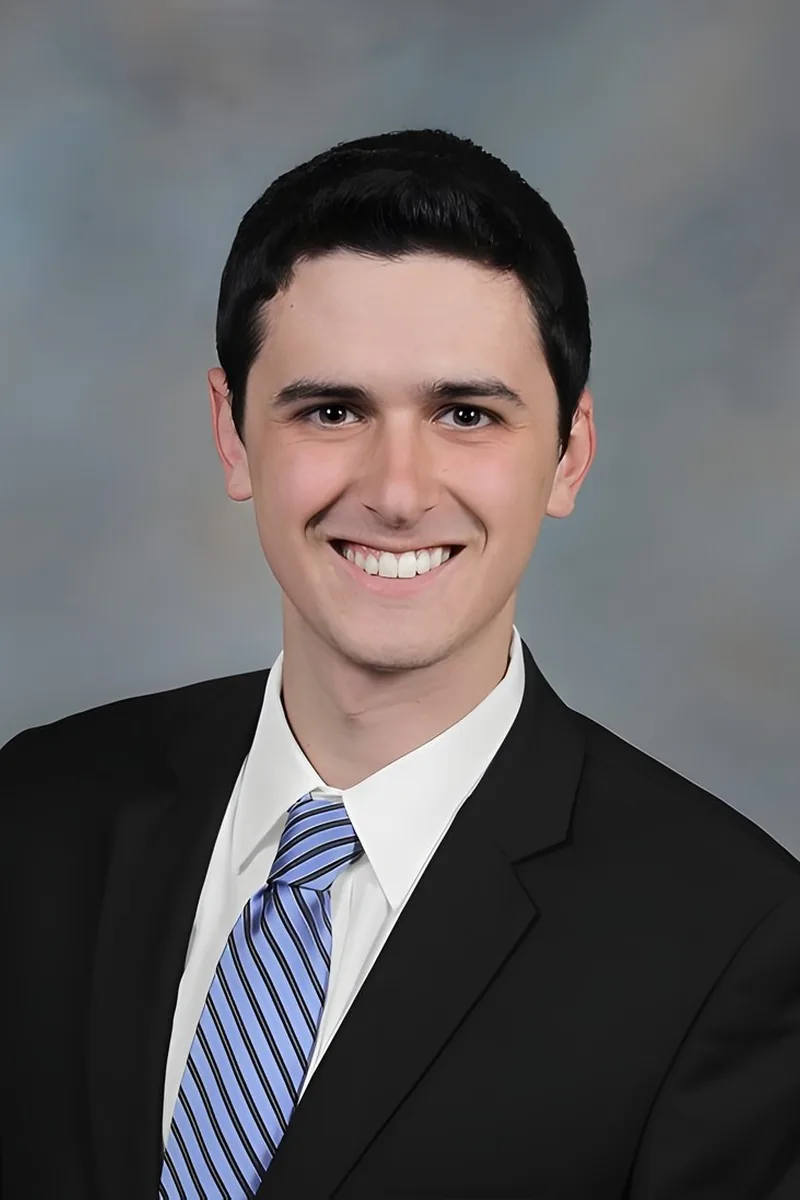
Neuroscience at Yale meant David didn't just take chemistry — he needed it to work, especially when tracing how ion channels, neurotransmitters, and cellular signaling depend on concepts like electronegativity, polarity, and equilibrium. That gives him a concrete answer when students ask why any of this matters, and it shapes how he teaches topics like chemical bonding and reaction energetics: rooted in what molecules actually do, not just what shows up on a worksheet.
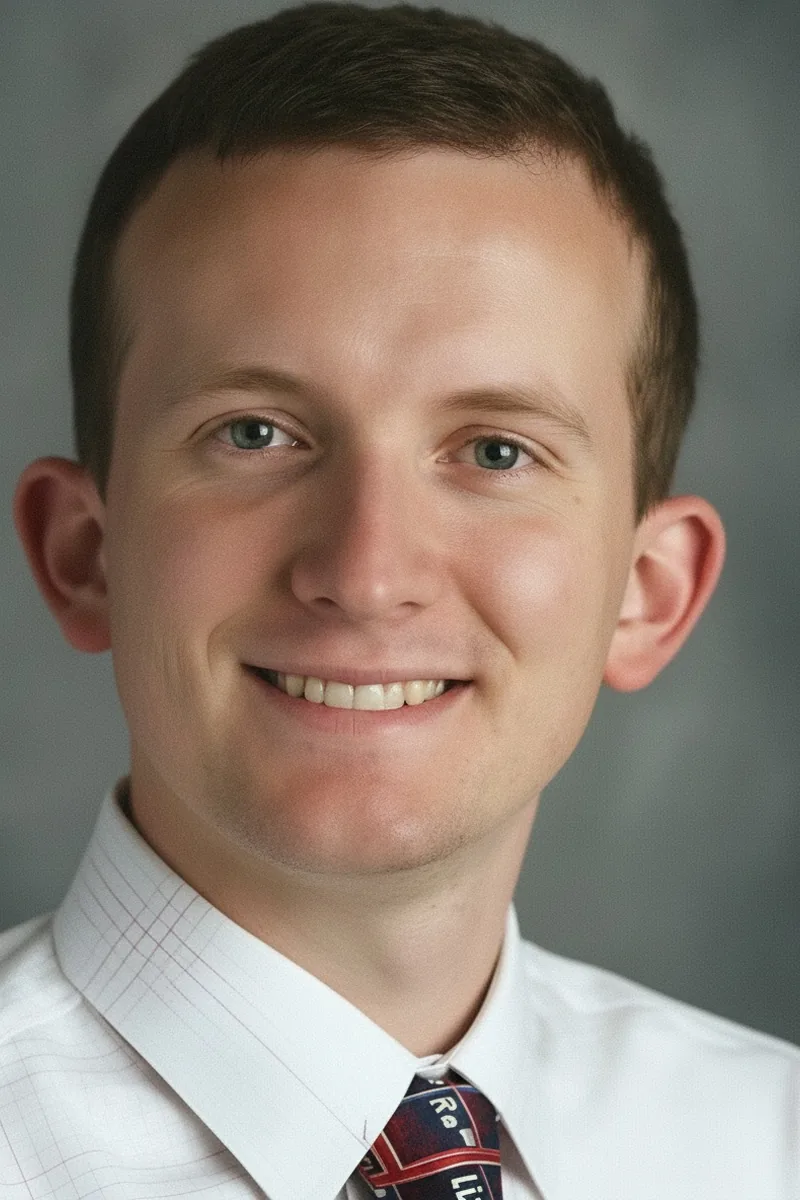
Running a middle school science department in Philadelphia meant John taught chemistry fundamentals daily — building up from atomic structure and the periodic table to chemical reactions and basic stoichiometry — and his role as curriculum chair forced him to think carefully about the sequence in which those ideas need to land. That classroom experience shows when he explains topics like balancing equations or classifying reaction types, because he's already mapped out where students typically get lost. Rated 5.0 by students.
Balancing equations, mole conversions, and gas law calculations all come down to organized quantitative reasoning — exactly the skill set Sanjana sharpens as an applied math student at Harvard. She connects the math behind chemistry to the conceptual "why," so topics like limiting reagents and solution dilutions start making sense instead of feeling like arbitrary formulas.
A physics major might seem like an unusual pick for chemistry, but Nima's deep comfort with atomic structure, thermodynamics, and quantitative problem-solving maps directly onto the trickiest parts of high school chem — stoichiometry, equilibrium calculations, and electron configurations. He approaches chemical concepts through the lens of why atoms and molecules behave the way they do, not just how to balance the equation.
Running an immunology lab at Columbia means Matthew uses chemistry daily — from buffer calculations to understanding reaction kinetics in biological systems. For high school students tackling stoichiometry, equilibrium, or electron configurations, he explains the logic behind each concept rather than handing out shortcuts that fall apart on harder problems. Rated 5.0 by students, he makes the quantitative side of chemistry far less intimidating.
Devon's pre-med track at Vanderbilt means she's taken chemistry well beyond the high school level, and that deeper exposure sharpens how she explains topics like molecular geometry, intermolecular forces, and the logic behind predicting reaction products. She emphasizes understanding the patterns on the periodic table so students can reason through unfamiliar problems instead of treating each one as a brand-new challenge.
Most high school chemistry students hit a wall somewhere around mole conversions or balancing redox reactions — the point where the subject stops feeling like science and starts feeling like math. Jessica approaches those sticking points by explaining the underlying logic first, then layering on the calculations. Her background in medicine keeps her grounded in why this chemistry actually matters.
Between his UCLA biology coursework and medical school, Abrahim has taken chemistry from multiple angles — stoichiometry, equilibrium, acid-base reactions, thermodynamics. He's direct about pinpointing where a student's understanding breaks down, whether that's balancing redox equations or interpreting periodic trends. His 5.0 rating speaks to how well that targeted approach works.
Balancing equations and stoichiometry trip up most high school chemistry students because the logic feels invisible at first. Garrett teaches the mole concept by tying it to tangible quantities — grams on a scale, liters of gas — so the math stops feeling arbitrary. His background in biology and physical chemistry also lets him show students where these reactions actually matter in living systems.
Cognitive studies at Vanderbilt might not scream chemistry, but Vy's science coursework and her 35 ACT mean she's no stranger to reasoning through problems involving moles, gas laws, or balancing equations. She's especially effective at teaching students how to read what a chemistry problem is really asking — a skill she honed tutoring algebra and science in under-resourced schools where clear, patient explanation wasn't optional.
Balancing equations and stoichiometry are mechanical once you see the logic, but topics like equilibrium, thermodynamics, and acid-base chemistry require real conceptual understanding. Annie tackles these through her engineering lens, connecting abstract chemical principles to tangible applications — like how reaction kinetics govern drug delivery systems she studies in her biomedical program at Cornell.
Premed neuroscience coursework at Rice put Aditi through rigorous chemistry sequences where concepts like equilibrium, stoichiometry, and thermodynamics weren't electives — they were prerequisites for everything that followed. She zeroes in on the periodic table as a predictive tool, teaching students to use trends in electronegativity and atomic radius to reason through bonding and reactivity questions rather than memorize isolated facts. Rated 4.8 by students.
Testimonials
Because the right High School Chemistry tutor makes all the difference.
Average Session Rating – Based on 3.4M Learner Ratings
Nearby High School Chemistry Tutors
Other Des Moines Tutors
Related Science Tutors in Des Moines
Frequently Asked Questions
Your first session is about understanding where you are and where you want to go. A tutor will assess your current chemistry knowledge, discuss specific challenges (whether that's balancing equations, understanding stoichiometry, or lab concepts), and learn about your learning style. From there, you'll develop a personalized plan focused on your goals—whether that's improving your grade, preparing for the AP Chemistry exam, or building confidence in the lab.
Balancing equations trips up many chemistry students because it requires both pattern recognition and understanding atomic conservation. Tutors break down the systematic approach—starting with the most complex compounds, using coefficients strategically, and checking your work—so you see the logic instead of just memorizing steps. With guided practice and immediate feedback, you'll develop the intuition to tackle equations confidently on tests and labs.
Absolutely. Chemistry labs are where abstract concepts become concrete, but they can also feel overwhelming if you don't understand the 'why' behind each step. Tutors help you connect lab procedures to underlying chemical principles, interpret results, and develop scientific reasoning skills. Whether you're preparing for a lab practical, troubleshooting unexpected results, or writing lab reports, personalized instruction makes the connection between theory and hands-on work clear.
Unit conversions are foundational to chemistry—from molar mass calculations to gas laws—but many students rush through them or don't understand dimensional analysis. The challenge is that chemistry requires precision and multiple conversions in a single problem. Tutors teach you to think systematically about unit cancellation and dimensional analysis so conversions become a reliable tool rather than a source of anxiety on exams.
Chemistry is full of abstract concepts—you can't see atoms bonding or electrons moving. Expert tutors use multiple approaches: drawing Lewis structures together, using molecular models, explaining electron behavior through analogies, and connecting 3D molecular geometry to observable properties. When you can visualize what's happening at the molecular level, concepts like polarity, bonding, and reaction mechanisms become much less mysterious.
Des Moines has strong schools across its three districts, but chemistry is a challenging subject that benefits from personalized attention. With an average student-teacher ratio of 14.7:1, classroom instruction can't always address individual learning gaps—whether you need extra help with concepts, test preparation, or building scientific reasoning skills. Varsity Tutors connects you with expert tutors who can focus entirely on your needs and pace.
Understanding concepts is always the stronger foundation. While chemistry does require some memorization (like the periodic table trends or common polyatomic ions), real mastery comes from understanding why things happen—why certain elements bond together, how equilibrium shifts, what drives a reaction forward. Tutors help you build conceptual understanding so you can apply knowledge to new problems on tests rather than just recalling facts.
Yes. AP Chemistry requires deep understanding of core concepts plus the ability to apply them to complex, multi-step problems. Tutors can target your weak areas—whether that's thermodynamics, equilibrium, redox reactions, or kinetics—and teach you problem-solving strategies specific to the AP exam format. With focused preparation and practice, you'll build the conceptual confidence and test-taking skills needed for a strong score.
Let’s find your perfect tutor
Answer a few quick questions. We’ll recommend the right plan and match you with a top 5% tutor.