Award-Winning AP Computer Science Principles Tutors
serving Des Moines, IA
AP Computer Science Principles
Tutors in Des Moines
Private 1-on-1 tutoring, weekly live classes for academic support, test prep & enrichment, practice tests and diagnostics, and more to elevate grades and test scores.
Based on 3.4M Learner Ratings
UniversitiesSchools & Universities
DeliveredHours Delivered
ProficiencyGrowth in Proficiency
Who needs tutoring?
No obligation. Takes ~1 minute.
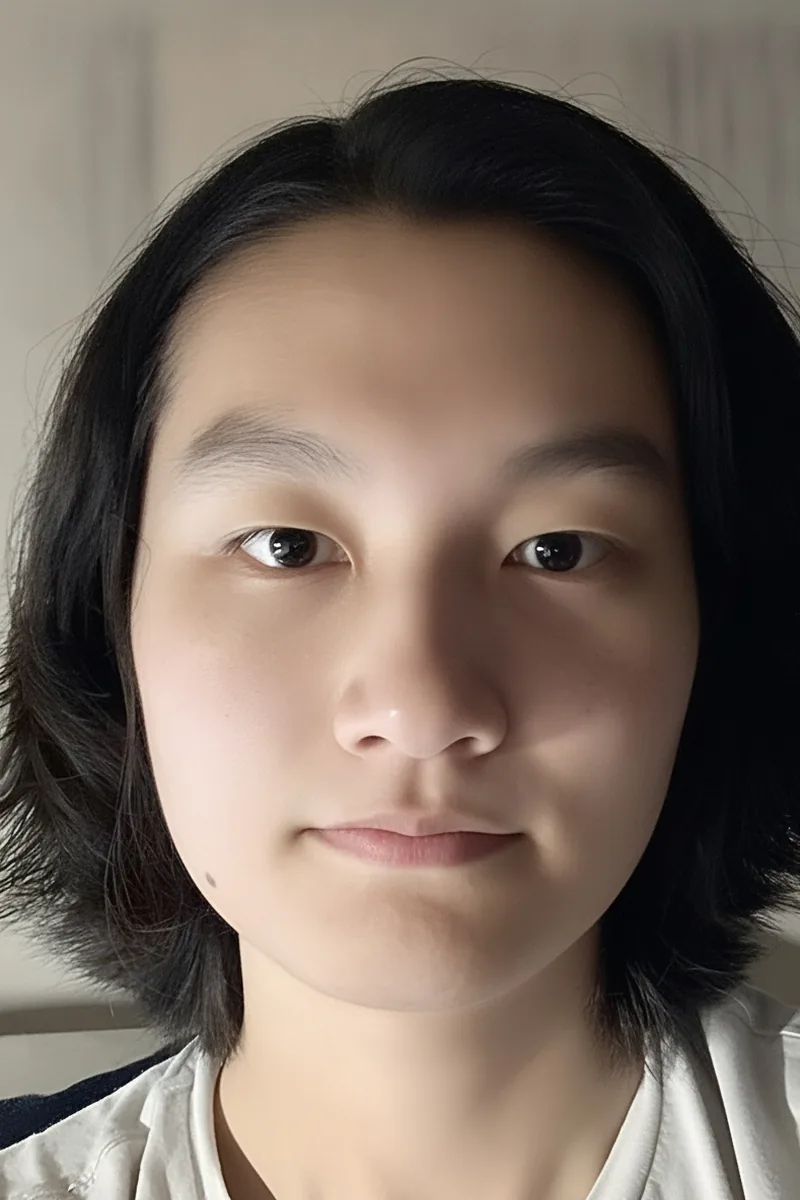
Joshua scored a 5 on the AP Computer Science A exam, which means the Principles course's pseudocode and algorithm questions draw on knowledge he's already internalized at a deeper level. He teaches the Create Task as a scaled-down version of real software development — planning, building, and documenting — using his hands-on experience in Java, Python, and JavaScript to show students what clean, explainable code actually looks like.
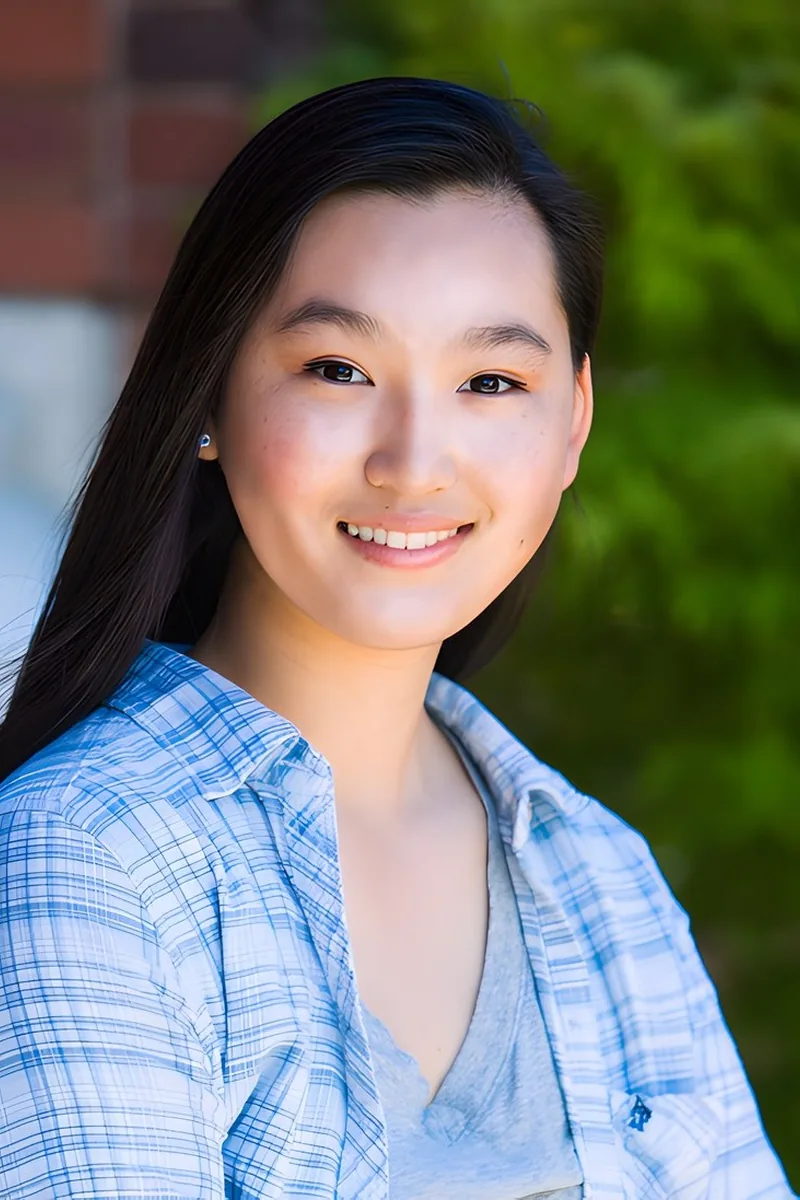
Cindy doesn't come from a traditional CS background, but her 36 ACT and analytical training as a Harvard English student give her a sharp edge on AP CSP's most underestimated challenge: the written responses. The Create Task and exam both reward students who can explain computational ideas — abstraction, algorithms, data patterns — in clear, precise language, and that's exactly the skill set she brings to every session.
John's CS degree plus years coding in Java, C++, and SQL means he can ground AP CSP's more abstract units — like how the internet actually moves data or why abstraction matters in program design — in real programming experience. He also brings a finance MBA perspective to the data analysis and societal impact questions, giving students a practical lens that makes exam responses sharper and more specific.
Irene's PhD in Mathematics and Computer Science means she understands the computational thinking that underpins AP CSP — not just the vocabulary, but the discrete math and logic behind how algorithms work and why abstraction matters. She unpacks pseudocode problems by connecting them to the mathematical structures students rarely see in a survey course, which makes exam questions feel less like guesswork.
Victoria's CS coursework at Washington University in St. Louis means she can ground AP CSP's abstract Big Ideas — like how abstraction layers simplify complex systems or why algorithms have different efficiencies — in actual programming experience across Java, Python, and C++. That real coding fluency is especially useful when students need to move from pseudocode on the exam to functional code in the Create Task. Rated 5.0 by students.
Samuel's applied math training at Caltech intersects directly with AP CSP's algorithm and data units — he can trace how a sorting algorithm's efficiency scales or why lossy compression works because he uses that math daily. He also taught a discrete mathematics course through PACT, which means pseudocode logic and combinatorial reasoning come naturally when prepping students for both the multiple-choice exam and the Create Task.
Caltech's CS curriculum drills computational thinking at a level that makes AP CSP's big ideas — abstraction, algorithm design, data representation — feel like familiar territory for Brian. He teaches students to reason through pseudocode and explain their design choices in plain language, which is exactly what the Create Task and the multiple-choice exam reward. His 1580 SAT speaks to the kind of precise, analytical communication that carries across disciplines.
Coming from Thomas Jefferson High School for Science and Technology — one of the most competitive STEM programs in the country — and now studying computer engineering at Vanderbilt, Rhamy brings real depth to the algorithms and abstraction concepts that AP CSP tests. He digs into how programming logic actually maps to hardware, which gives students an intuitive grasp of topics like data representation and protocol layers that most review guides gloss over. Rated 5.0 by students.
Stanford's economics curriculum leans heavily on data analysis and programming — skills that map directly onto AP CSP's units on data representation, algorithms, and computational thinking. Julia applies that quantitative training to demystify pseudocode logic and the Create Task's written responses, where clearly explaining your program matters as much as building it. Rated 4.8 by students.
I am a current student at the University of Michigan. I am studying molecular biology in the school of literature, science, and the arts. I will graduate in 2025. I am most passionate about teaching SAT test material, because that was an area that I focused on and improved my own score to reach my goals. I am excited to teach both the english and the math sections. I teach using extensive practice problems and practice tests, because that is what helped me learn best and improve my relevant skills. In my spare time I like to workout, swim at the beach, and surf. I would love to work with you to achieve your goals!
Nicholas codes in Java, Python, JavaScript, C#, and HTML/CSS daily — so when AP CSP asks students to reason about algorithms or data representation in pseudocode, he can instantly translate those abstractions into real programming scenarios that make the logic click. His Penn State CS degree also means he understands the networking and cybersecurity concepts woven through the course at a technical level most high schoolers never see. Rated 5.0 by students.
Ritesh's physics training at Cornell actually maps neatly onto AP CSP — both demand thinking about systems in layers, whether that's abstraction in computing or modeling forces in mechanics. He teaches the pseudocode and algorithm-tracing portions by treating them like physics problem-solving: break the system into parts, track what changes at each step, and verify the output makes sense.
Most AP CSP students get tripped up not by the coding but by the Big Idea questions that ask them to reason about how computing affects the world — privacy, bias in algorithms, digital divide issues. Susie pairs her Duke CS coursework with a genuine interest in the humanities side of tech, which means she can coach students through both the conceptual exam material and the written responses on the Create Task without defaulting to jargon.
Testimonials
Because the right AP Computer Science Principles tutor makes all the difference.
Average Session Rating – Based on 3.4M Learner Ratings
Nearby AP Computer Science Principles Tutors
Other Des Moines Tutors
Related Technology and Coding Tutors in Des Moines
Frequently Asked Questions
AP Computer Science Principles focuses on broad computational thinking skills rather than programming syntax. The course covers five big ideas: creative development, data, algorithms, programming, and computing systems. You'll work on projects involving app design, data analysis, cybersecurity, and digital ethics. The exam includes a multiple-choice section and a performance task where you create and document a program, so tutoring often emphasizes both conceptual understanding and practical project work.
The exam has two components: a multiple-choice section (70% of your score) with 70 questions in 120 minutes, and a performance task (30% of your score) that you complete during the school year. The performance task requires you to design, implement, and document a program while reflecting on your creative process. Success requires both test-taking speed and the ability to articulate your computational thinking—areas where personalized tutoring can help you build confidence.
Many students struggle with the balance between understanding broad computing concepts and diving into actual programming logic. Others find the performance task time-consuming or unclear about how to document their work effectively for the rubric. Additionally, students often underestimate the multiple-choice section's pace—you need to work quickly while avoiding careless errors. Tutors can help you develop strategies for each challenge, from breaking down complex algorithms to managing your time during the exam.
Score improvement depends on your starting point and how consistently you engage with tutoring. Students who work with a tutor typically see gains by strengthening weak areas—whether that's understanding data representation, mastering algorithm design, or improving performance task documentation. Most students benefit from focused practice on the exam format and feedback on their projects. Realistic expectations: consistent tutoring over several months can help you move from a 2 or 3 toward a 4 or 5, though individual results vary.
A tutor can help you understand the five big ideas in depth, work through practice problems at exam pace, and develop your performance task with detailed feedback on your code and documentation. Tutors also help you identify which computing concepts are giving you trouble and create a study schedule that balances multiple-choice practice with project work. For students in Des Moines, personalized 1-on-1 instruction means you can work at your own pace and focus on exactly what you need.
Ideally, you'll work with the course material throughout the school year and begin focused exam prep in January or February. If you're already in the course and feeling behind, starting tutoring now can help you catch up on concepts you've missed and build momentum toward the May exam. Even a few months of consistent tutoring can significantly improve your understanding and performance task quality, so it's never too late to get support.
The performance task requires you to create a program, document your development process, and reflect on your work. Graders look for evidence of creativity, clear code with comments, and thoughtful written responses about how your program works and what you learned. A tutor can help you choose a feasible project idea, debug your code, and write strong explanations that show your computational thinking. Many students benefit from guidance on balancing ambition with realistic scope—a well-executed simple program scores better than an incomplete complex one.
Varsity Tutors connects you with expert tutors who specialize in AP Computer Science Principles and understand the exam format, curriculum, and performance task requirements. You can share your specific goals—whether you're aiming to improve your multiple-choice speed, strengthen your programming skills, or refine your project documentation—and get matched with someone who fits your learning style. Getting started is simple: reach out to discuss your needs and find the right tutor for your preparation timeline.
Let’s find your perfect tutor
Answer a few quick questions. We’ll recommend the right plan and match you with a top 5% tutor.