Award-Winning Biology Tutors
serving Milwaukee, WI
Biology
Tutors in Milwaukee
Private 1-on-1 tutoring, weekly live classes for academic support, test prep & enrichment, practice tests and diagnostics, and more to elevate grades and test scores.
Based on 3.4M Learner Ratings
UniversitiesSchools & Universities
DeliveredHours Delivered
ProficiencyGrowth in Proficiency
Who needs tutoring?
No obligation. Takes ~1 minute.
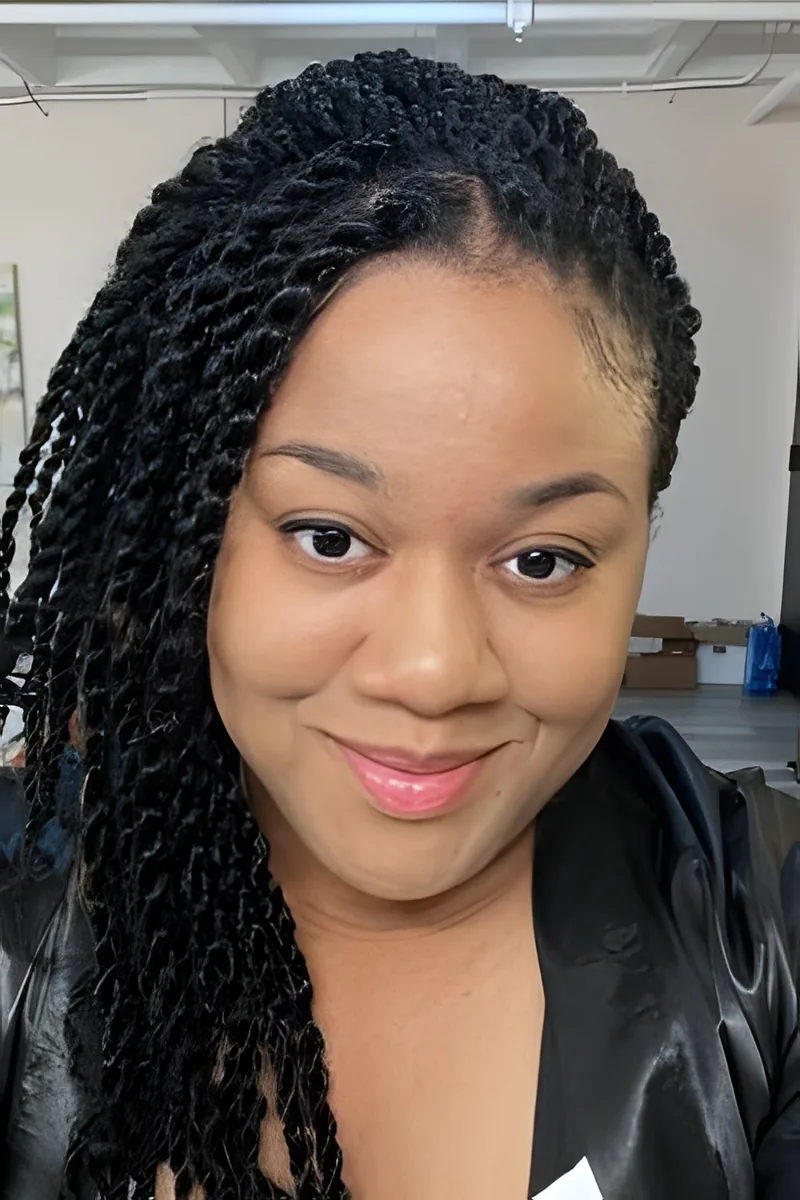
As a passionate educator with a Master's in Educational Psychology from the University of Wisconsin - Madison, I have over 8 years of tutoring and classroom experience, currently teaching a range of subjects including AP Biology and Physics. My approach centers on fostering a supportive learning environment that encourages curiosity and critical thinking, helping students connect complex concepts to real-world applications. I believe that every student has the potential to succeed, and I am dedicated to tailoring my methods to meet individual learning styles. Outside the classroom, I enjoy exploring the latest scientific research and engaging in outdoor activities, which I find enriches my teaching and connects me with my students.
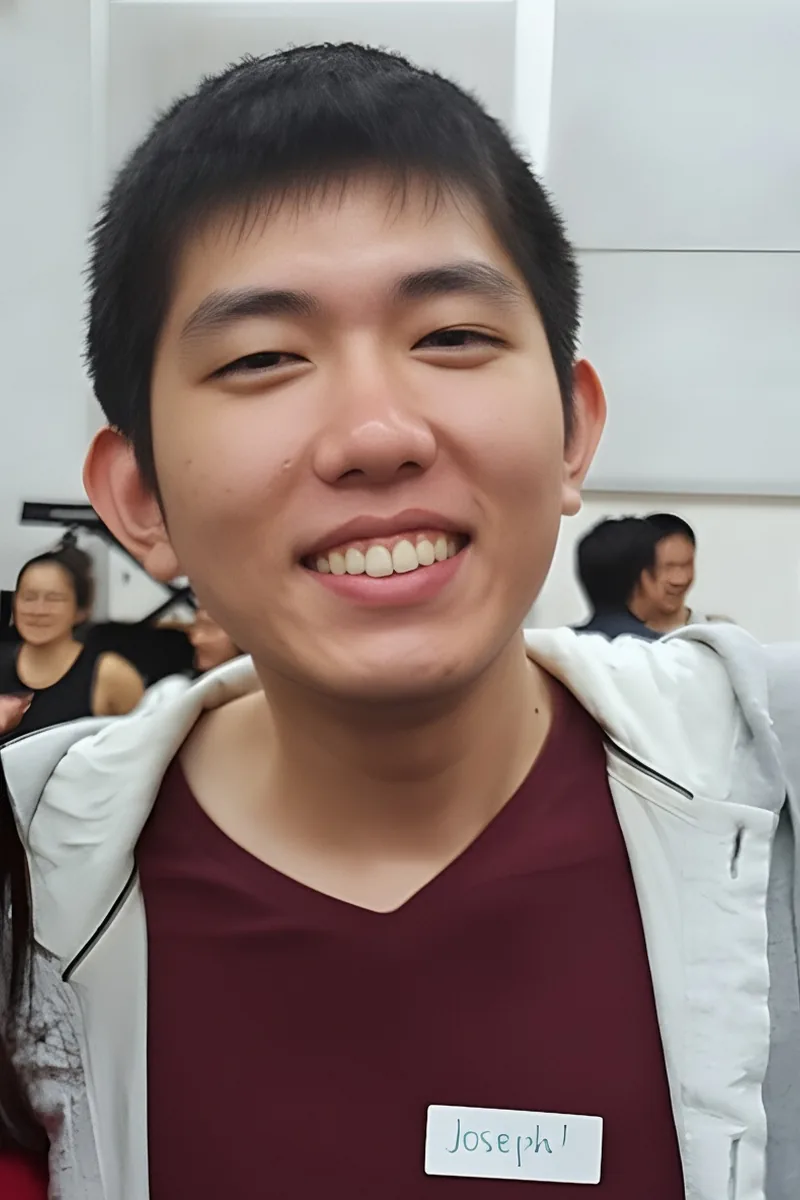
A biology degree from UCLA followed by a Yale public health master's means Joseph has lived in this subject from introductory ecology to advanced genetics. He's especially sharp at connecting big themes — evolution, energy flow, homeostasis — across the individual units that textbooks often treat as separate chapters. That integrative perspective is exactly what turns a student who memorizes facts into one who actually thinks like a biologist.
Abrahim earned his Biology degree cum laude from UCLA and is now completing his M.D. at the Medical College of Wisconsin, so he's spent years living inside biological concepts — from cellular respiration and genetics to ecology and evolution. His tutoring style zeroes in on knowledge gaps quickly, then builds understanding through targeted practice rather than passive review. Rated 5.0 by students.
Studying tiger ecology and predator-prey dynamics for her doctorate at Wisconsin-Madison, Karann lives biology at the intersection of fieldwork and quantitative analysis. She teaches everything from cell structure and genetics to evolution and ecosystems by connecting textbook concepts to how biologists actually investigate the natural world.
Studying neuroscience and psychology at the University of Minnesota gave Alex a ground-up understanding of biology — from how neurons fire and synapses remodel to how physiological systems support behavior and cognition. Now heading into Washington University's Occupational Therapy doctorate, she teaches biology by anchoring abstract processes like homeostasis and cell signaling to the body's real, observable functions. Rated 5.0 by students.
Elizabeth earned a biology degree from San Francisco State University and then went on to complete medical school, giving her a deep understanding of how biological concepts connect across levels — from cellular respiration to organ systems to ecology. She breaks down dense topics like genetics and molecular biology by tying them to real-world applications she encountered in both the classroom and clinical training.
Three separate bachelor's degrees — including one in Biology — mean Dylan has circled back through foundational life science topics like genetics, ecology, and cellular processes multiple times, each pass deepening his grasp of how they connect. His MCAT preparation across all three science sections further sharpened that knowledge, especially where biology overlaps with biochemistry and behavioral science, giving him a practical sense of which concepts students need to truly internalize versus simply recognize.
Years of biology lab work give Madeline a researcher's perspective on topics like cell signaling, genetics, and ecology — she knows which details matter and which are just noise. She breaks down dense processes like the citric acid cycle or DNA replication into logical steps that build on each other, so students can reconstruct pathways from understanding rather than rote memorization.
Miriam's dual focus on biology and English at UW-Madison gives her an uncommon skill for biology tutoring: she can take a tangled process like gene expression or ecological succession and lay it out in clear, logical prose that actually sticks. Working as a writing tutor sharpened her ability to diagnose where someone's understanding breaks down — a skill that transfers directly to explaining how photosynthesis or inheritance patterns work. Rated 4.9 by students.
A zoology degree is essentially a biology degree lived through the lens of animal systems — Eitan studied everything from cellular respiration and genetics to comparative anatomy and evolutionary ecology. He connects molecular-level details to whole-organism function, which is exactly the kind of thinking that AP Bio, college intro courses, and upper-level electives all reward. Rated 5.0 by students.
From cell division to photosynthesis to DNA replication, biology is full of processes that look overwhelming until someone maps out each step with you. Jeffry earned his degree in biology and approaches every topic by connecting molecular details to the bigger organism-level picture. That dual perspective makes complex diagrams and vocabulary far easier to retain.
Between her genetics coursework, wildlife pathology research, and hands-on experience teaching a microbiology lab at UW-Madison, Samantha brings real bench science into biology tutoring. She's especially sharp at connecting molecular-level processes — DNA replication, protein synthesis, cellular respiration — to the bigger-picture systems students see in ecology and organismal biology.
Biochemistry at UW-Madison means Zach lives in biology daily — from cellular respiration pathways to genetics and molecular signaling. He breaks down processes like DNA replication and protein synthesis into logical, step-by-step sequences that click rather than overwhelm. Rated 5.0 by students.
As a Cell & Molecular Neuroscience major at Loyola Chicago, Rameen digs into biology at every scale — from gene expression and protein folding to organ-system physiology. She unpacks dense topics like cellular respiration and mitosis by walking through the underlying molecular logic rather than asking students to memorize diagrams.
I'm here to help students become the best versions of themselves! With 4+ years of tutoring experience, I aim to customize every lesson to fit the needs of the student. If you're looking for an approachable mentor who will work with you to develop a plan of action, I'm here for you!
Cellular and molecular biology was Pranav's original academic focus before he moved into Biomedical Engineering at Johns Hopkins, so he brings genuine depth to topics like gene expression, cell signaling, and membrane transport. He approaches biology as a set of interconnected systems rather than isolated facts, which makes dense material like metabolic pathways or the immune response easier to retain. That dual perspective — biology plus engineering — gives him a unique way of explaining how biological mechanisms actually work.
Stanford's biology program has Helen tackling everything from molecular genetics to ecology in real time, which means she's teaching the same material she's actively being tested on — a perspective that keeps her explanations current and exam-aware. She's particularly strong at breaking down processes like photosynthesis and gene expression into logical sequences that stick, drawing on four years of peer tutoring and TA experience in STEM courses. Rated 5.0 by students.
Kevin's master's work in Stanford's Biocomputation track sits at the intersection of biology and computer science, which means he thinks about molecular biology, genetics, and cellular processes through a quantitative lens. He's especially sharp on topics like gene expression, protein structure, and the logic of metabolic pathways. That computational perspective often gives students a clearer framework for understanding how biological systems actually function.
Vinay's dual UCLA degrees — one in Molecular, Cell, & Developmental Biology, one in Mathematics-Economics — mean he learned biology with a quantitative rigor that most life science majors skip, which pays off when students hit topics like population genetics, enzyme kinetics, or any concept where the math and the biology have to click at the same time. Now a medical student, he traces those foundational ideas forward into human physiology, giving students a clear line from textbook mechanisms to how they actually play out in living systems. Rated 5.0 by students.
Currently pursuing graduate studies in health sciences while applying to medical school, Mosab lives and breathes biology daily. He unpacks topics like cellular respiration, DNA replication, and ecological interactions by tying them to real physiological scenarios — turning what often feels like rote memorization into a connected story about how living systems actually work.
Biomedical engineering sits right at the intersection of biology and quantitative analysis, which means Christine doesn't just know cell structure and metabolic pathways — she understands them well enough to model them mathematically. She's particularly strong on molecular biology and physiology concepts, connecting textbook diagrams to the real mechanisms they represent.
Dennis's Masters in Chemical and Physical Biology from Vanderbilt means he's spent years studying life at the molecular level — protein interactions, metabolic regulation, signal transduction — and can zoom out to show how those mechanisms drive the organ-system and ecological concepts that fill most introductory biology courses. His graduate research experience also makes him especially effective at teaching experimental design and data analysis, the parts of biology that trip students up precisely because they can't be memorized. Rated 5.0 by students.
Reading dense biology material is a lot like reading a classical text — you have to slow down, parse the structure, and figure out how each part connects to the whole. Austin's background in classics and philosophy trained him in exactly that kind of close analytical reading, which he now applies to everything from cell biology to genetics and ecology.
Jessica's cancer biology coursework at the University of Chicago means she's studying topics like tumor suppression, cell cycle regulation, and gene expression in their most consequential context — which sharpens how she teaches the fundamentals those concepts rest on. She's especially strong at connecting ecology and microbiology back to core cellular processes, making the kind of links that turn a sprawling subject into something coherent for students preparing for exams.
Studying molecular biology at the college level means Annabel lives inside the details — DNA replication machinery, membrane transport, metabolic pathways — that many biology courses only skim. She digs into the "why" behind each process, so topics like mitosis, ecology, or protein synthesis become logical chains of events rather than disconnected vocabulary lists.
An English major might seem like an unusual fit for biology, but Ayako's well-rounded academic profile — including SAT Subject Test prep in Biology E/M — means she's comfortable breaking down topics like ecology, evolution, and cellular processes for high school students who need concepts explained clearly rather than clinically. Her 5.0 rating speaks to a teaching style that translates dense scientific vocabulary into language that actually sticks.
Studying public policy gave Dana a knack for synthesizing dense, interconnected information — exactly what biology demands when you're tracing how cellular respiration connects to ecology or how DNA replication ties into evolution. She teaches students to see the bigger system instead of drowning in isolated vocabulary terms.
Testimonials
Because the right Biology tutor makes all the difference.
Average Session Rating – Based on 3.4M Learner Ratings
Practice Biology
Free practice tests, flashcards, and AI tutoring for Biology
Nearby Biology Tutors
Other Milwaukee Tutors
Related Science Tutors in Milwaukee
Frequently Asked Questions
Biology requires both memorization and deep understanding—students often struggle with balancing these two approaches. Many find it difficult to visualize abstract concepts like cellular processes, molecular structures, and organ system interactions. Additionally, connecting theoretical knowledge to real-world applications and mastering the scientific method takes practice. Personalized tutoring helps students move beyond rote memorization to develop genuine comprehension and scientific reasoning skills.
Your first session is about understanding your specific needs and learning style. A tutor will assess your current knowledge, identify which topics are causing difficulty, and discuss your goals—whether that's improving test scores, understanding lab work, or preparing for AP Biology. From there, they'll create a personalized learning plan that focuses on your biggest challenges and builds from your strengths.
Yes. Tutors help you grasp the reasoning behind experiments, not just the procedures. They can explain why scientists design experiments a certain way, how to interpret data, and how lab work connects to classroom concepts. This deeper understanding makes experiments more meaningful and helps you apply the scientific method to new situations.
Expert tutors use evidence-based strategies like connecting facts to bigger concepts, creating visual associations, and building conceptual frameworks that make information stick naturally. Instead of mindless drilling, they help you understand *why* something works—for example, understanding how enzyme structure relates to function rather than just memorizing enzyme names. This approach leads to better retention and the ability to apply knowledge to new problems.
Tutors use diagrams, models, animations, and real-world analogies to make abstract concepts tangible. Whether you're struggling to picture how mitochondria work, understand DNA replication, or visualize cellular transport, personalized instruction breaks down complex processes into understandable steps. Many students find that seeing these concepts explained multiple ways—through drawings, explanations, and examples—transforms their understanding.
Tutors support students across the full Biology curriculum, including cell structure and function, genetics, evolution, ecology, photosynthesis and respiration, human anatomy and physiology, and biochemistry. Whether you're in a standard Biology course, Honors Biology, or AP Biology, tutors adapt their instruction to match your specific curriculum and academic level. They also help students prepare for standardized assessments and college entrance exams.
Absolutely. Many students who struggle with Biology do so because the material isn't being explained in a way that clicks for them—not because they can't learn it. Personalized tutoring addresses your specific learning style, fills knowledge gaps, and builds confidence through targeted practice. With one-on-one instruction tailored to your needs, you'll develop both the content knowledge and problem-solving skills that Biology requires.
Varsity Tutors connects you with tutors who have demonstrated expertise in Biology, whether through advanced degrees, teaching experience, or proven success helping students master the subject. When you get matched with a tutor, you'll learn about their background and teaching approach. It's important to find someone who not only knows Biology but can explain it in a way that makes sense to you.
Let’s find your perfect tutor
Answer a few quick questions. We’ll recommend the right plan and match you with a top 5% tutor.