Award-Winning AP Statistics
Tutors
Who needs tutoring?
FEATURED BY


TUTORS FROM
- YaleUniversity
- PrincetonUniversity
- StanfordUniversity
- CornellUniversity
Award-Winning AP Statistics Tutors

Certified Tutor
2+ years
Knowledge is powerful tool that can change your life and the lives of others. As a tutor my goal is to teach my students how to wield knowledge through embracing their mistakes and teaching them how to learn. I expect my students to approach sessions with an open mind and a willingness to learn. ...
University of Chicago
PhD
Purdue University-Main Campus
PhD
Certified Tutor
2+ years
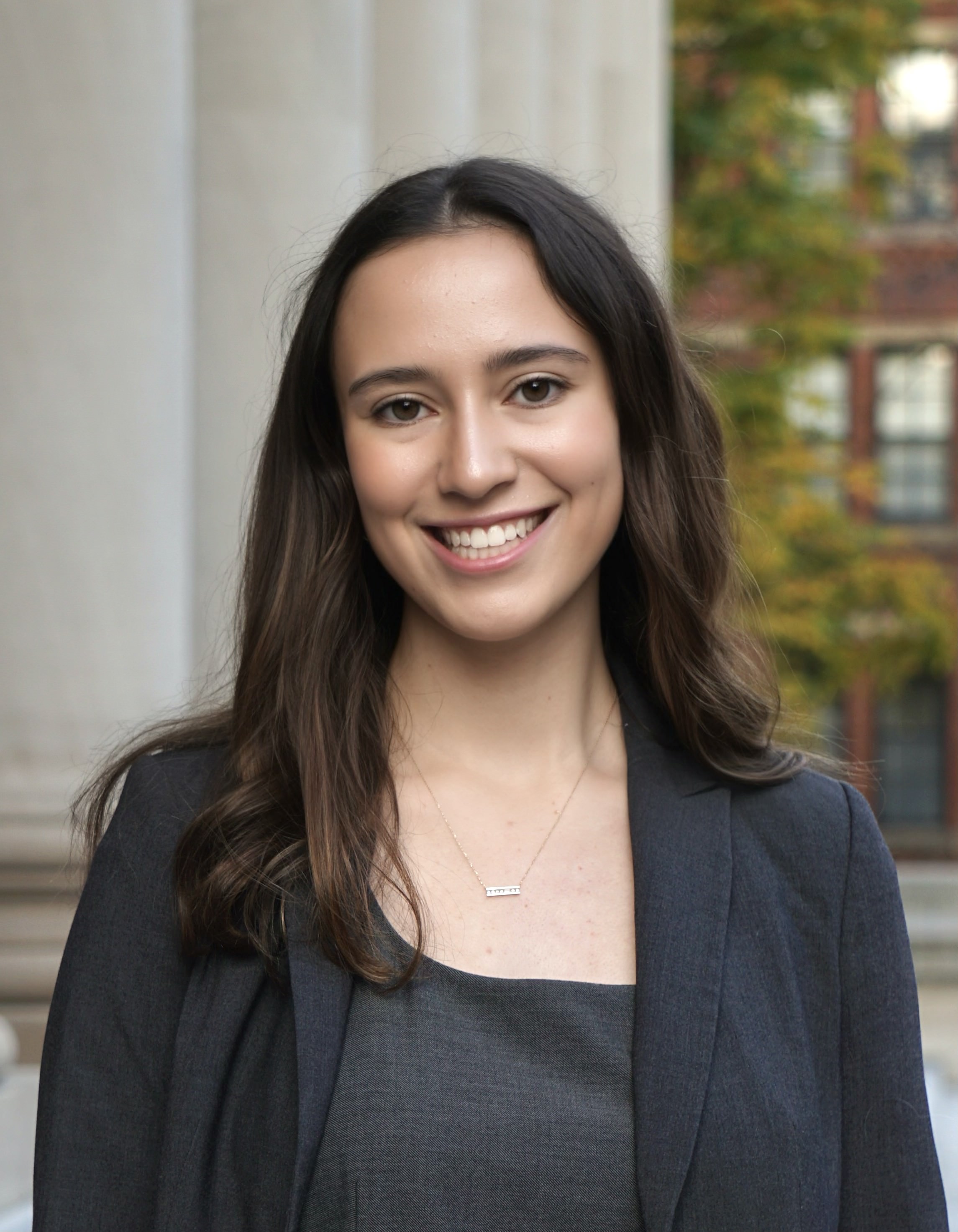
Government majors at Harvard might not scream 'statistics,' but Brooke's coursework involves polling data, survey methodology, and evaluating whether political trends are statistically meaningful — which maps surprisingly well onto AP Stats concepts like sampling design, margin of error, and inferen...
Harvard University
Bachelor

Certified Tutor
2+ years
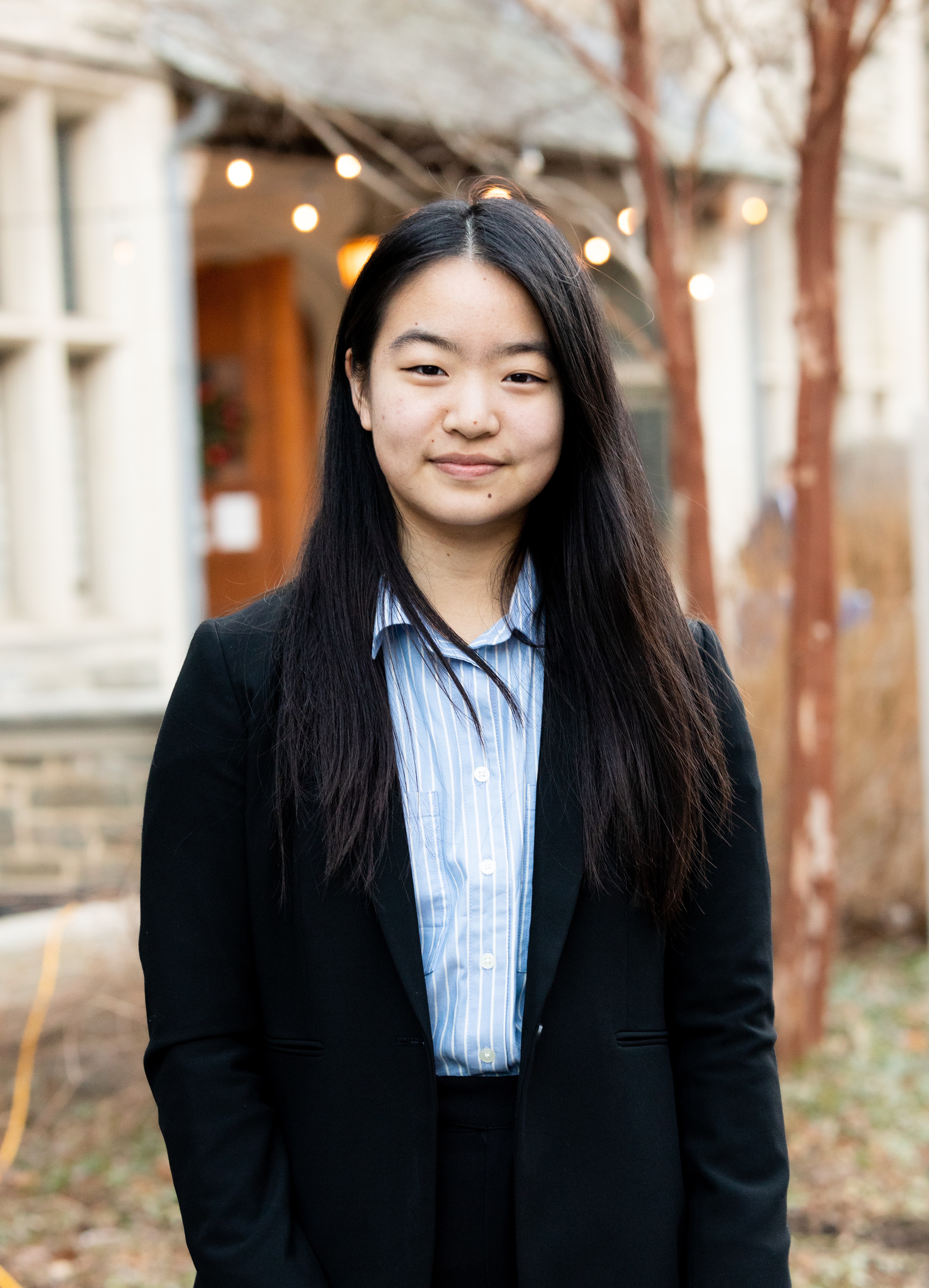
Studying economics at Yale means Nico is constantly interpreting regression output, evaluating survey designs, and distinguishing statistically significant results from noise in real policy research — skills that map directly onto the AP Stats curriculum. He's especially sharp on the conceptual side...
Yale University
AB
Certified Tutor
2+ years
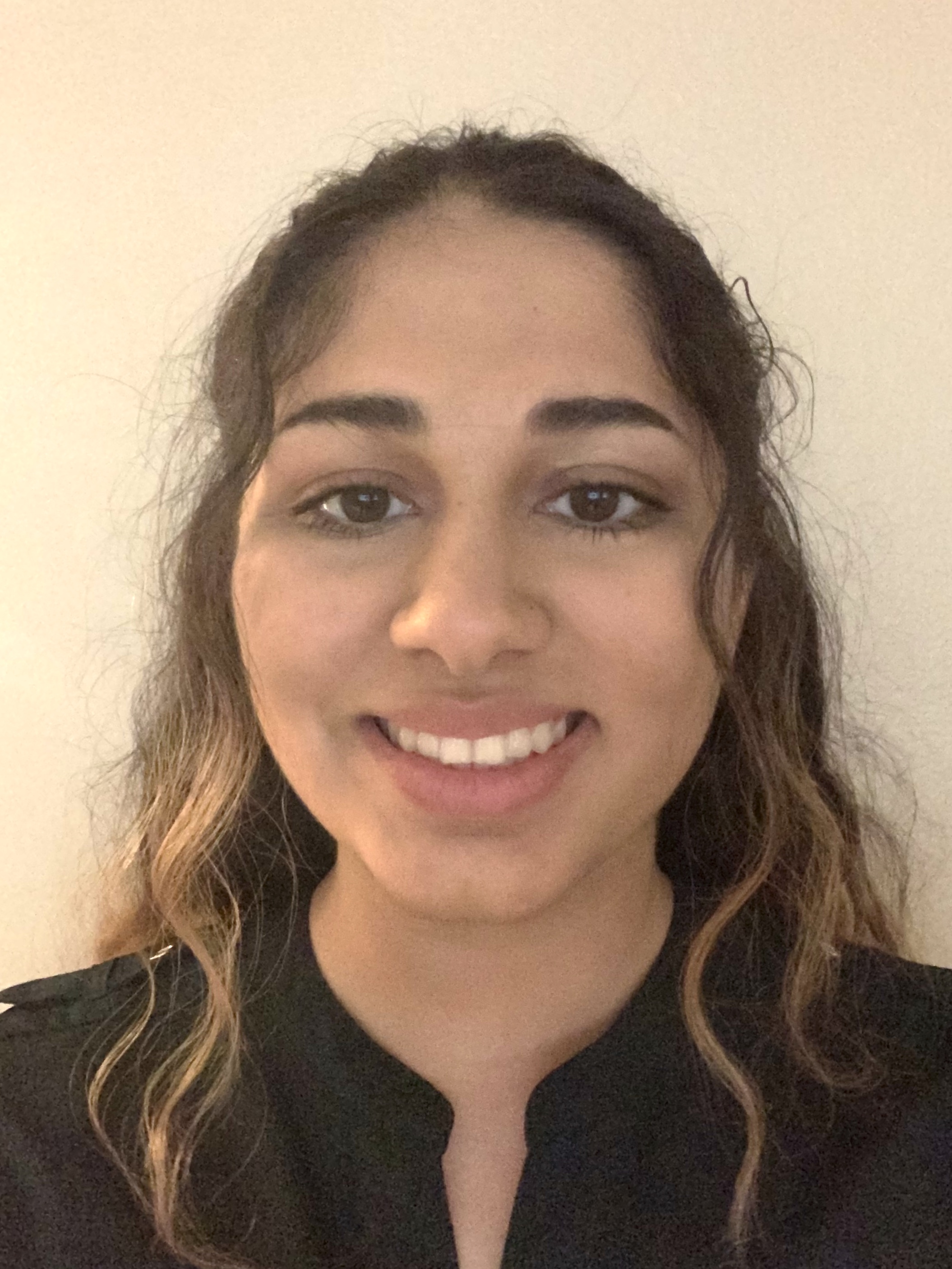
A 4.0 GPA in Business Economics at Wharton means Carina didn't just pass statistics — she relied on it daily for econometric modeling, demand forecasting, and interpreting regression output in contexts where getting the inference wrong had real consequences. She zeroes in on the chi-square and infer...
University of Pennsylvania
BS
Certified Tutor
2+ years
Harleen
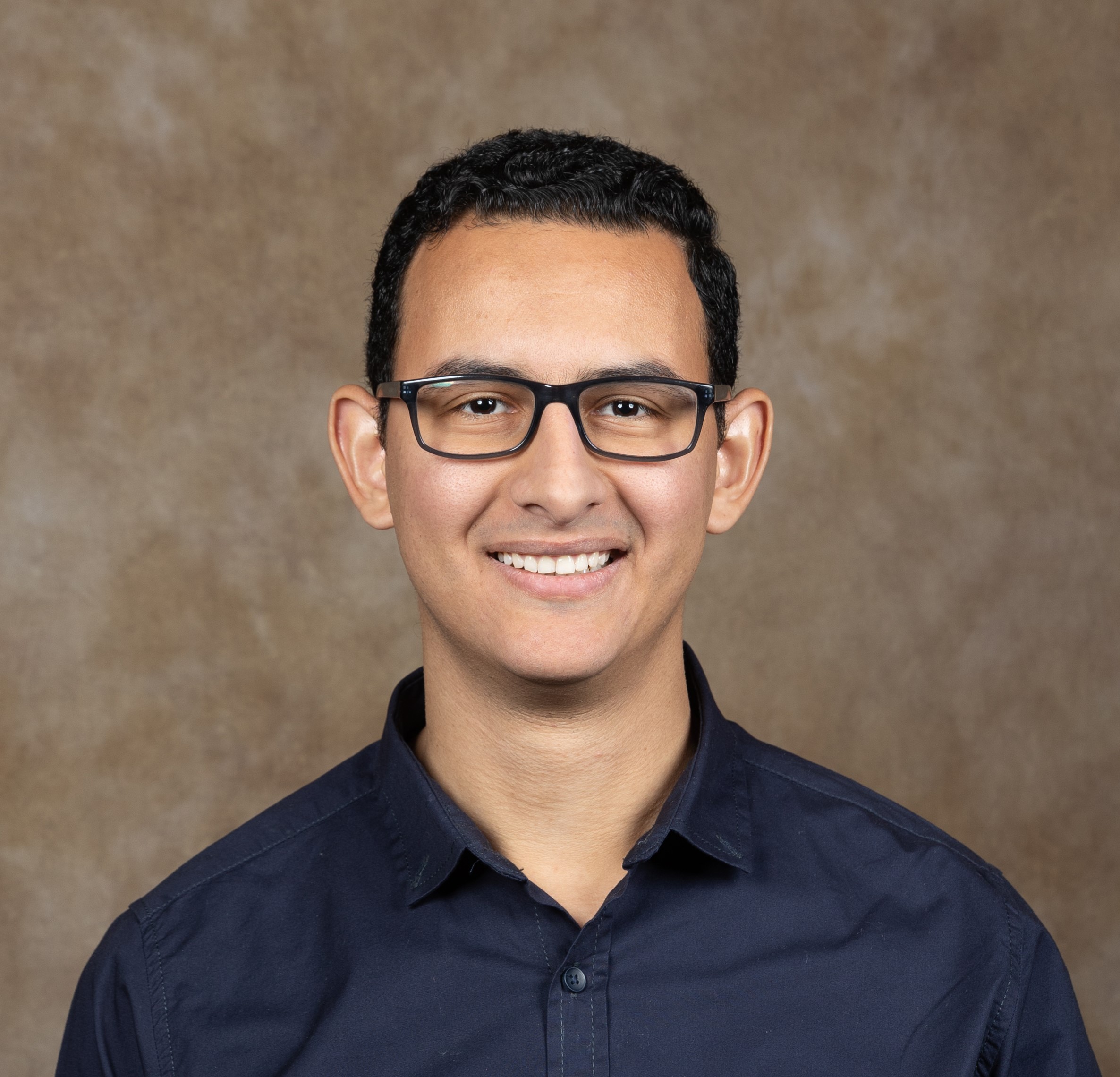
I am a Molecular Engineering major at the University of Chicago, I am currently taking time off to focus on other aspects of my career but I don't want to stop tutoring outside college campus!. I am a child of immigrants and have spent my life tutoring my siblings and younger students, and I loved...
University of Chicago
BS
Certified Tutor
2+ years
I am a PhD student in Civil Engineering at the University of Pittsburgh, holding both bachelor's and master's degrees in the same field from Cairo University, Egypt. My passion for teaching began at home, helping my three younger siblings understand challenging math and science topics. This early ex...
University of Pittsburgh-Pittsburgh Campus
Doctorate (PhD)
Cairo University
Master's/Graduate
Cairo University
Bachelor

Certified Tutor
2+ years
Peter
Hi - I'm Peter. I've always had a preference for math and science, which explains my undergrad choice in engineering. I graduated from Rensselaer Polytechnic Institute with a degree in Mechanical Engineering. I received my MBA (Industrial Management) from the Wharton Graduate Division at U. of Pa. M...
University of Pennsylvania
Master's/Graduate
Rensselaer Polytechnic Institute
Bachelor

Certified Tutor
2+ years
I'm currently a sophomore at Johns Hopkins University double majoring in Molecular/Cellular Biology and Public Health, while also minoring in Financial Economics. I am passionate about tutoring because it allows me to help others succeed and thrive, which means a lot to me. I have previously been in...
Johns Hopkins University
Bachelor
Certified Tutor
2+ years
I have spent my life teaching math, both as a classroom teacher and as a tutor, and I love it! My goal is always to make mathematics simple and understandable. I teach by asking questions, both to check for understanding and to allow the student to figure out the concept on his/her own. While my ...
George Mason University
Master's/Graduate
Cornell University
Master's/Graduate
Brown University
Bachelor
Certified Tutor
2+ years
Inference tests, confidence intervals, and experimental design all click faster when a student understands *why* the formulas work, not just when to use them. Logan's economics background gives him a natural fluency with statistical reasoning, and his classroom teaching experience means he knows exa...
Virginia Commonwealth University
MAT
Practice AP Statistics
Free practice tests, flashcards, and AI tutoring for AP Statistics
Top 20 Math Subjects


Meet Our Expert Tutors
Connect with highly-rated educators ready to help you succeed.
Diana
AP Statistics Tutor • +41 Subjects
I received my MBA graduate degree from Georgetown University and my Electrical Engineering Bachelors degree from San Diego State University. I worked for Sony Electronics for over a decade as a Senior Electrical Design Engineer, leading hardware designs of newly introduced features of Sony's High-Definition televisions. I have also managed a privately-owned business. I have always been passionate about tutoring. For example, I tutored math, calculus and physics in college, and I volunteered in educating seniors in computer skills. I especially enjoy tutoring students who are interested in learning the subject themselves. Whether they are good at it is irrelevant as I will work very hard to ensure they have the right foundation to be confident and enthusiastic about the topic at hand. In my spare time, I enjoy reading, traveling, biking and playing the piano. I also enjoy meeting people from different cultures and backgrounds.
Tobi
AP Statistics Tutor • +93 Subjects
I am a professional scientist with multiple years of experience in the biopharmaceutical field. I have spent time in the classroom with elementary aged students and am comfortable with this age group. I am also familiar with AP classes and ACT/SAT preparation. I look forward to sharing my love of learning with students and helping them achieve academic goals!
Yosef
AP Statistics Tutor • +42 Subjects
Hello, my name is Yosef and I would be happy to serve as a math tutor. I place strong emphasis on a good balance between knowledge of mathematical content and proficiency in problem-solving, reasoning, and conveying mathematical ideas in writing. There are times when a student needs to be informed of a solution, times when he or she also needs to hear the explanation of why the solution works, and times when he or she should be guided to finding the solution on his or her own. It is important for the tutor to recognize which approach is appropriate. Frequently, when students struggle, it is because they do not understand the notation or terminology in use. In such cases, it is important to reassure the student, reminding him or her that he or she is only struggling with understanding a single word, not the entire mathematical concept. As a rule, people perform better and are better motivated when they have self-confidence, not when the task ahead seems frighteningly daunting. It is also important to recognize that different students learn best through different means. As an example, some students are visual learners and can understand the material best through pictures and gestures. Other students learn best through hearing the procedures vocalized, while still others learn best through writing out the steps of the solution procedure. I know to adapt my teaching style to the individual student. with these considerations in mind, I promise to provide the best assistance that I can, taking your individual needs into consideration.
Gabriel
AP Statistics Tutor • +12 Subjects
Hello! My name is Gabe, and I am a master's student at Johns Hopkins University studying Environmental Epidemiology and Biostatistics. I graduated from NYU in 2024 and studied environmental sciences and public health. I learned to have a passion for statistics since I found myself using it in so many of my courses. Statistics isn't for everyone, but I hope to help students expand their knowledge or gain confidence in using it for a class. While at NYU, I worked as a data analyst for a clinical trial and as a biostatistics intern. I am skilled in R studio for statistical and epidemiological analysis. My goal is to help students perform their best by becoming comfortable with the concepts.
Heather
AP Statistics Tutor • +48 Subjects
I am a graduate of Yale University where I obtained my PhD in Neuroscience with a focus in computational analysis of psychiatric disease. Before graduate school I received dual bachelors degrees from The University of North Carolina at Chapel Hill in Chemistry and Psychology. I have enjoyed teaching and working 1:1 with students throughout my career, including middle/highschool math tutoring with the Boys and Girls Club of New Haven, graduate and college application review with Cientfico Latino, and teaching assistantships at the university level in general chemistry, and neurobiology.
Kevin
AP Statistics Tutor • +60 Subjects
I am interested in working for Varsity Tutors because I enjoy helping others learn new concepts and progress in whatever they are struggling with. I have significant experience tutoring with a variety of age levels and would be delighted to have an opportunity to work with students through this opportunity.
Straley
AP Statistics Tutor • +255 Subjects
I hold a Master's degree from Johns Hopkins Bloomberg School of Public Health and a Bachelor's degree from Johns Hopkins University. I tutored GED math for 3 years in college, so I have experience breaking down concepts for students with a variety of learning styles. I've also informally tutored other students in my math and science classes. My favorite part of working with students is seeing people's faces light up when they understand a tough concept. In my free time, I enjoy reading, walking, dancing, and listening to music.
William
AP Statistics Tutor • +56 Subjects
From my experience teaching math to a range of students, from middle school through college, I know that it does not come easily to everyone. However, I firmly believe that everyone has the capability for mathematical reasoning. Everyone has their own strengths and challenges, and my job as a tutor begins with identifying these. I like to have students work through problems while I guide them and make suggestions, so that I can get a sense of what they understand and what they don't. Then we can build on their knowledge and break down the challenging parts of the problem into smaller, more manageable chunks. I hold a bachelor's degree from UChicago and a doctorate from MIT, both in mathematics. I am available to tutor Latin, physics, and all levels of math. Outside of academics, I am an avid tournament chess player, and I enjoy running and cycling.
Joseph
AP Statistics Tutor • +63 Subjects
I'm passionate about helping students because I believe everyone deserves the tools and preparation to build a brighter future. Education isn't just about learning facts, it's about discovering your potential, and I love being part of that journey. I've worked with students from all levels, from kindergarten through college and even graduate programs. Over the years, I've helped with a variety of subjects, but my specialties are SAT prep, SAT Subject Tests (Math II, Biology, Chemistry), Statistics, and Biology. Out of all these, I especially enjoy SAT prep. Many people think it's all about knowledge, but the SAT is really a mix of problem-solving, critical thinking, and understanding the test itself. Mastering its structure and strategies can make a huge difference, and I love showing students how to do that. I studied Biology at Lehigh University for my undergraduate degree and completed my Master's in Innovation at Yonsei University. My academic background taught me the value of hard work, curiosity, and persistencelessons I bring to every tutoring session. My teaching philosophy is simple: practice makes progress. Sure, explaining and lecturing are important, but the best learning happens when students can dive in, try things out, and connect the dots themselves. During sessions, I start with a quick, clear explanation, move into practice, and then review to make sure everything sticks. When I'm not tutoring, I'm probably watching or playing basketball. It's my favorite way to unwind. Whether I'm catching a game or hitting the gym for a pick-up run, it keeps me energized and ready to tackle whatever comes next. If you're looking for support with academics, test prep, or just building confidence in your skills, I'd love to help you reach your goals!
Joey
AP Statistics Tutor • +79 Subjects
Howdy! My name's Joey, I love all things music and tech as well as hitting the gym. I hold degrees in mechanical and aerosapce engineering as well as scientific computing from the University of Glasgow and University of Pennsylvania. I've been an instructor and TA at both institutions and I greatly enjoy sharing knowledge!
Top 20 Subjects
Frequently Asked Questions
Students typically find probability distributions, hypothesis testing, and inference the most challenging units. Many struggle with understanding when to use z-tests versus t-tests, interpreting p-values correctly, and distinguishing between Type I and Type II errors. Additionally, the transition from descriptive statistics to inferential statistics trips up many students because it requires a conceptual shift—moving from describing data you have to making conclusions about populations you don't have complete information about. Tutors with AP Statistics expertise focus heavily on these concepts with targeted practice and clear conceptual explanations rather than just formula memorization.
The AP Statistics exam has 40 multiple-choice questions (90 minutes) and 6 free-response questions including one investigative task (90 minutes), requiring different strategies for each section. On the multiple-choice portion, time management is critical—you have roughly 2 minutes per question, so identifying when to skip and return to harder problems is essential. Free-response questions require you to show your reasoning, define variables, and justify conclusions, which means partial credit is possible even if your final answer isn't perfect. A tutor can help you practice both sections under timed conditions and teach you how to structure responses that earn maximum points, particularly for the investigative task which tests your ability to design and critique studies.
Calculator proficiency is crucial since the AP Statistics exam allows graphing calculators for the entire test, and many calculations (normal probabilities, t-tests, confidence intervals, regression) are much faster with a calculator's statistical functions. However, you must understand what the calculator is computing—blindly plugging numbers in without knowing whether to use 1-PropZTest or 2-PropZTest will lead to wrong answers. Tutors emphasize learning your calculator's specific functions (TI-84 is most common), practicing calculations under timed conditions, and always being able to explain the logic behind which test or procedure you're using, not just which button you pressed.
Score improvement depends on your starting point and consistency. Students who begin tutoring with weak conceptual foundations typically see larger gains (5-7 points on the 1-5 scale) when they work through systematic review of units like probability and inference. Students already scoring 3-4 often improve to 4-5 by refining their free-response writing, avoiding careless errors on multiple choice, and mastering the nuances of hypothesis testing interpretation. Realistic improvement requires regular practice with released AP exams, targeted review of weak topics, and time between sessions for independent problem-solving—tutors guide the strategy, but you do the work.
Starting 3-4 months before the exam allows time to work through all major units systematically and build conceptual understanding rather than cramming formulas. If you're starting closer to the exam (6-8 weeks out), tutoring should focus on your weakest topics and full-length practice test review. Some students benefit from ongoing tutoring throughout the year to stay current with coursework, while others use tutoring strategically during the units they find hardest. A tutor can assess your current level and help you create a realistic study plan based on when you're taking the exam and which topics need the most attention.
The inference unit is abstract—students must understand that a 95% confidence interval doesn't mean there's a 95% probability the true parameter is in that interval (a common misconception), and that p-values measure evidence against the null hypothesis, not the probability the null is true. These conceptual errors persist because students memorize procedures without grasping the underlying logic. Expert tutors use simulations, visual explanations, and repeated practice with varied contexts to build genuine understanding, then help you interpret confidence intervals and p-values correctly on both multiple-choice and free-response questions where interpretation is explicitly tested.
Graders award points for: clearly defining variables and parameters, stating the correct procedure or test by name, showing calculations or reasoning, and providing conclusions in context of the problem. Many students lose points by stating conclusions like "reject the null hypothesis" without explaining what that means in the actual scenario—graders want to see that you understand the practical significance, not just the statistical result. The investigative task also rewards you for critiquing study design and identifying limitations. Tutors teach you to structure free-response answers using a consistent format (like State-Plan-Do-Conclude) that ensures you hit all the points graders are looking for.
Full-length, timed practice tests should be a regular part of your study plan starting 6-8 weeks before the exam—they reveal which topics you need to review and help you build stamina and pacing strategy. After completing a practice test, spend time analyzing every wrong answer to understand whether you made a conceptual error, misread the question, or ran out of time. A tutor can review your practice tests with you, identify patterns in your mistakes (e.g., consistently misinterpreting confidence interval language, or rushing through free-response), and target tutoring sessions to address those specific weaknesses rather than re-teaching topics you already understand.
Connect with AP Statistics Tutors
Get matched with expert tutors in your subject