Award-Winning Python Tutors
serving Madison, WI
Python
Tutors in Madison
Private 1-on-1 tutoring, weekly live classes for academic support, test prep & enrichment, practice tests and diagnostics, and more to elevate grades and test scores.
Based on 3.4M Learner Ratings
UniversitiesSchools & Universities
DeliveredHours Delivered
ProficiencyGrowth in Proficiency
Who needs tutoring?
No obligation. Takes ~1 minute.

From writing first scripts with loops and conditionals to building out classes and working with libraries like pandas or matplotlib, Elyse tailors Python sessions to wherever a student's project or coursework demands. Her Stanford CS training means she doesn't just teach syntax — she instills habits like clean code structure and meaningful variable naming that prevent headaches later.
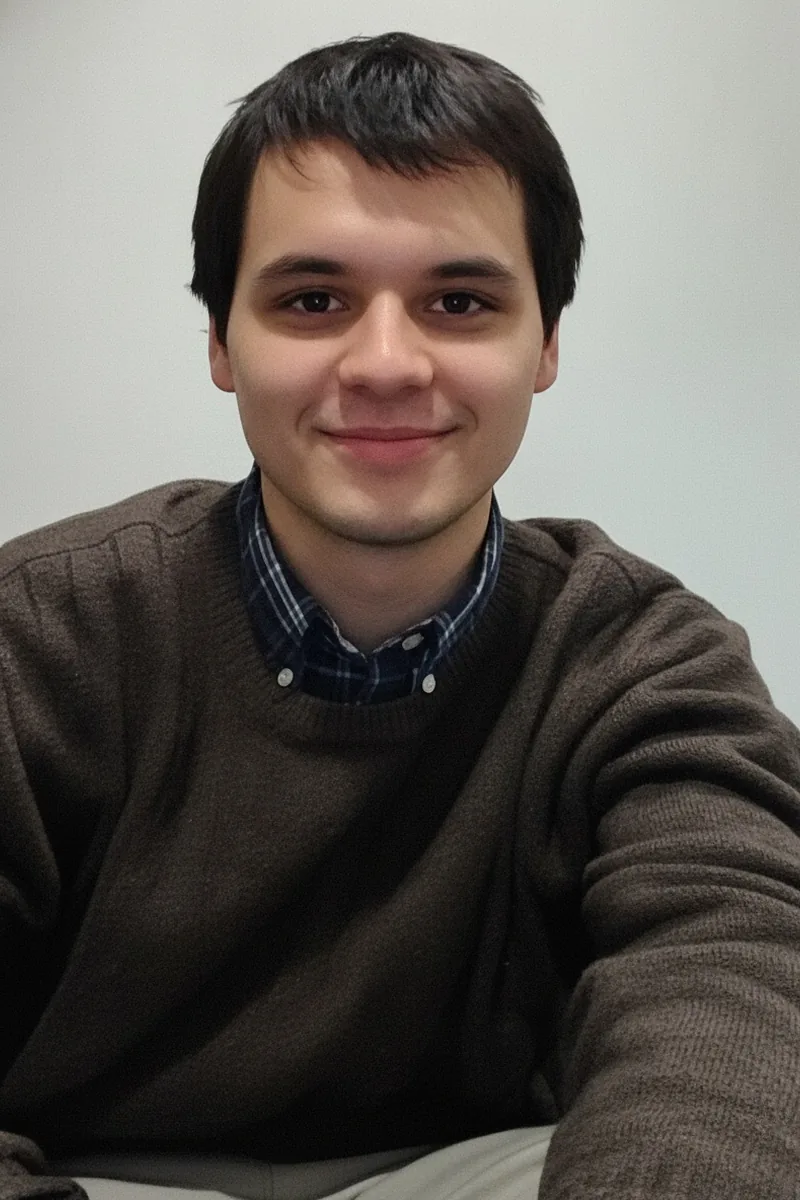
Python's flexibility makes it the go-to language for everything from intro CS assignments to physics simulations, and Joel uses it extensively in both contexts at Cornell. He walks through core concepts like list comprehensions, class design, and file I/O with an emphasis on writing clean, readable code rather than just code that runs.
Python's gentle syntax tricks beginners into thinking the language is simple — until they hit list comprehensions, generators, or object-oriented design and realize there's real depth underneath. Wei uses Python in his automation work and teaches it by building small, functional projects that make concepts like file I/O, error handling, and libraries feel purposeful rather than abstract. That project-based approach is a big reason students rate him 5.0.
At Cornell, Ryan's computer science coursework has him writing Python across a range of contexts — from implementing data structures and algorithms to building out projects in classes that demand clean, readable code. He's especially effective at teaching students who are just starting out how to break a problem into smaller pieces and translate pseudocode into working functions, loops, and conditionals. Rated 4.8 by students.
Python's readability makes it a great first language, but students still stumble on list comprehensions, recursion, and knowing when to use dictionaries versus lists. Kiran uses Python across both his physics simulations and his CS coursework at Stony Brook, so he can teach it from the basics of control flow all the way through libraries like NumPy and Pandas for data analysis.
Prakash picked up Python as a practical tool during his electrical engineering work — automating calculations, processing data sets, and scripting simulations. That industry context means he teaches loops, functions, and libraries like NumPy not as abstract exercises but as tools for solving real problems, which tends to make syntax and logic click faster for students.
Eric writes Python daily in Duke's data science program, working with pandas DataFrames, NumPy arrays, and visualization libraries like Matplotlib. He teaches coding the way he learned it — by building real projects, debugging line by line, and understanding why a list comprehension behaves differently from a for loop. Students walk away writing clean, functional scripts, not just copying syntax.
From list comprehensions to recursive algorithms to working with libraries like NumPy, Python covers a huge range depending on whether a student is learning to code for the first time or building data-driven projects. Anmolpreet teaches both — her math and CS dual degree at Yale gives her the depth to explain not just syntax but the logic underneath it.
Bioinformatics at Stanford meant writing Python daily — parsing genomic datasets, automating lab analyses, and building scripts to visualize biological data. Matthew teaches Python fundamentals like loops, functions, and data structures through real problem-solving rather than abstract exercises. Students who want to see what coding looks like in a scientific or data-driven context get a tutor who's lived that workflow.
I'm trying to work on personal projects. I really enjoy snowboarding, and have been doing that since the third grade. I also enjoy playing sports and video games.
Python's readability makes it a great first language, but students still hit walls with list comprehensions, dictionary manipulation, and debugging runtime errors. Clive tackles these sticking points by writing code live with students, explaining his reasoning at each step so they learn to think like a programmer. His experience spans multiple languages, which means he can contextualize Python's quirks — like dynamic typing and indentation-based scope — in ways that deepen understanding.
Working in a neuroscience research lab at Duke meant Lauren had to learn Python for real tasks — cleaning datasets, running statistical analyses, and visualizing experimental results. She teaches Python through that practical lens, covering loops, functions, and libraries like NumPy by connecting each concept to something a script actually needs to do.
Python's beginner-friendly syntax can mask some tricky concepts — list comprehensions, mutable vs. immutable types, or debugging recursive functions. Michelle teaches Python with an emphasis on writing clean, readable code and understanding what's actually happening in memory, not just getting output that looks right. She's a Duke CS graduate now pursuing her PhD at Michigan.
From list comprehensions to class hierarchies to libraries like NumPy and pandas, Vincent covers Python at every level — whether a student is writing their first loop or building a machine learning pipeline. His computational science background at MIT means he doesn't just teach syntax; he connects each concept to practical problems in data analysis, automation, and algorithm design.
Python's readability makes it easy to start but deceptively tricky to use well — list comprehensions, generator expressions, and class design all require thinking beyond basic scripts. Matthew teaches Python through the lens of someone who uses it alongside heavier languages like C++ and Java, which gives students a clearer sense of when to reach for Pythonic shortcuts versus writing more explicit code.
Testimonials
Because the right Python tutor makes all the difference.
Average Session Rating – Based on 3.4M Learner Ratings
Nearby Python Tutors
Other Madison Tutors
Related Technology and Coding Tutors in Madison
Frequently Asked Questions
Your first session is all about understanding your goals and current level. A tutor will assess whether you're just starting out, learning Python for a specific project, or preparing for an AP Computer Science exam. You'll discuss what you want to build—whether that's web applications, data analysis, or game development—so the tutoring can be tailored to your interests and learning pace.
Many students can memorize Python syntax but struggle with algorithmic thinking—breaking problems into steps and writing code that actually solves them. Tutors help you develop problem-solving frameworks by working through real coding challenges, asking guiding questions, and showing you how to approach unfamiliar problems. This builds the logical thinking skills that transfer across all programming languages, not just Python.
Debugging is one of the most valuable skills a tutor can teach you. Instead of just telling you what's wrong, tutors help you read error messages, use debugging tools, and trace through your code to find the root cause. This hands-on approach means you'll learn to debug independently, saving you hours of frustration on future projects.
Absolutely—in fact, project-based learning is one of the most effective ways to master Python. Whether you're building a web app with Flask, analyzing data with pandas, or creating a game, tutors can guide you through the development process, help you break large projects into manageable pieces, and review your code for improvements. This keeps learning practical and motivating.
Data structures (lists, dictionaries, sets) and algorithms are abstract concepts that click better with hands-on practice and explanation. Tutors break these down with visual examples and coding exercises, helping you understand not just how to use them, but why you'd choose one data structure over another for different problems. This foundation is essential for more advanced coding and technical interviews.
A tutor can help you explore your interests and match them to the right learning path. If you're drawn to building websites, you might focus on Flask or Django. If you love working with data, pandas and data visualization libraries make sense. During your first session, you can discuss your goals, and a tutor can recommend a curriculum that keeps you engaged while building real, marketable skills.
Yes. Tutors can help you prepare for AP Computer Science Principles or AP Computer Science A exams, covering everything from Python fundamentals to algorithms, data structures, and exam-specific problem types. With personalized 1-on-1 instruction, you can focus on the topics that challenge you most and practice with released exam questions.
Varsity Tutors connects you with expert Python tutors who understand your learning style and goals. You can share your experience level, what you want to build, and your schedule, and we'll match you with a tutor who's the right fit. Whether you're a complete beginner or refining advanced skills, personalized instruction accelerates your progress.
Let’s find your perfect tutor
Answer a few quick questions. We’ll recommend the right plan and match you with a top 5% tutor.