Award-Winning AP Computer Science Principles Tutors
serving Madison, WI
AP Computer Science Principles
Tutors in Madison
Private 1-on-1 tutoring, weekly live classes for academic support, test prep & enrichment, practice tests and diagnostics, and more to elevate grades and test scores.
Based on 3.4M Learner Ratings
UniversitiesSchools & Universities
DeliveredHours Delivered
ProficiencyGrowth in Proficiency
Who needs tutoring?
No obligation. Takes ~1 minute.
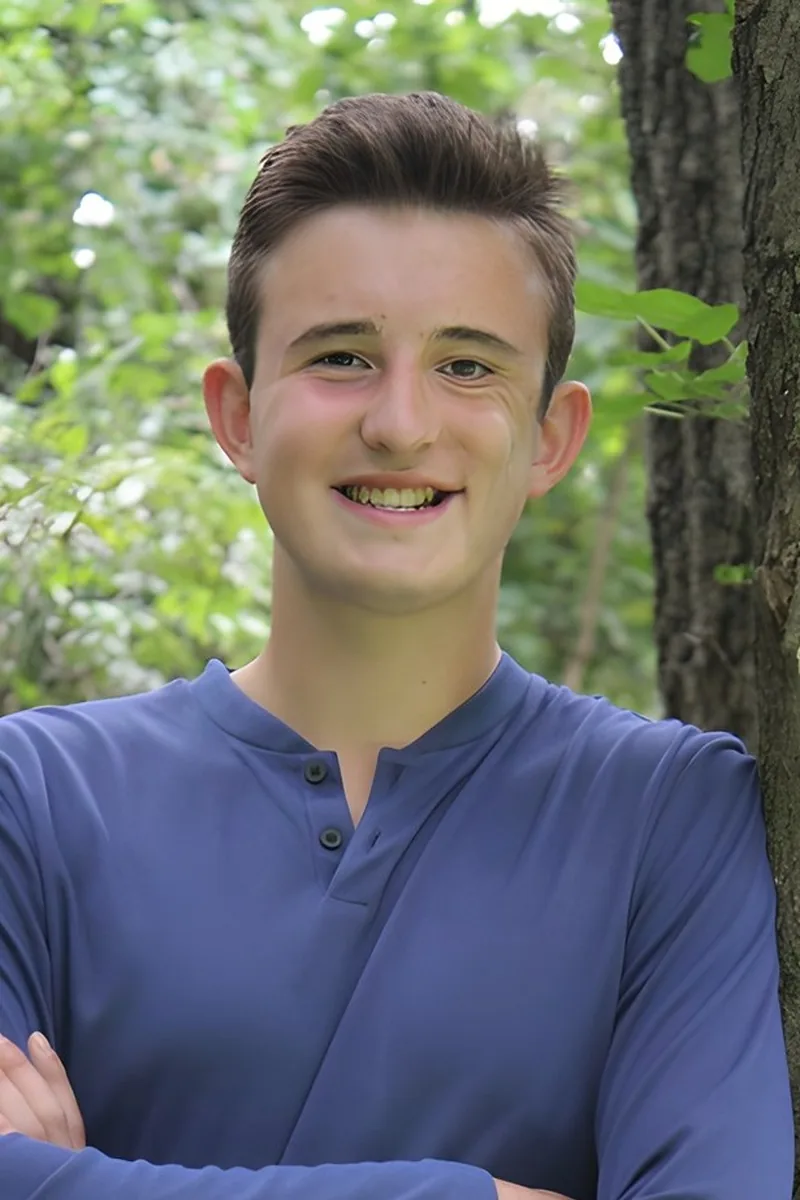
AP CSP's exam leans heavily on interpreting how data moves through systems — something Josh's actuarial science training makes second nature, since that field runs on modeling risk with algorithms and large datasets. He tackles the Big Idea questions around data representation and algorithmic efficiency by grounding them in the quantitative reasoning he uses daily, which makes pseudocode traces and multiple-choice logic problems feel less abstract.
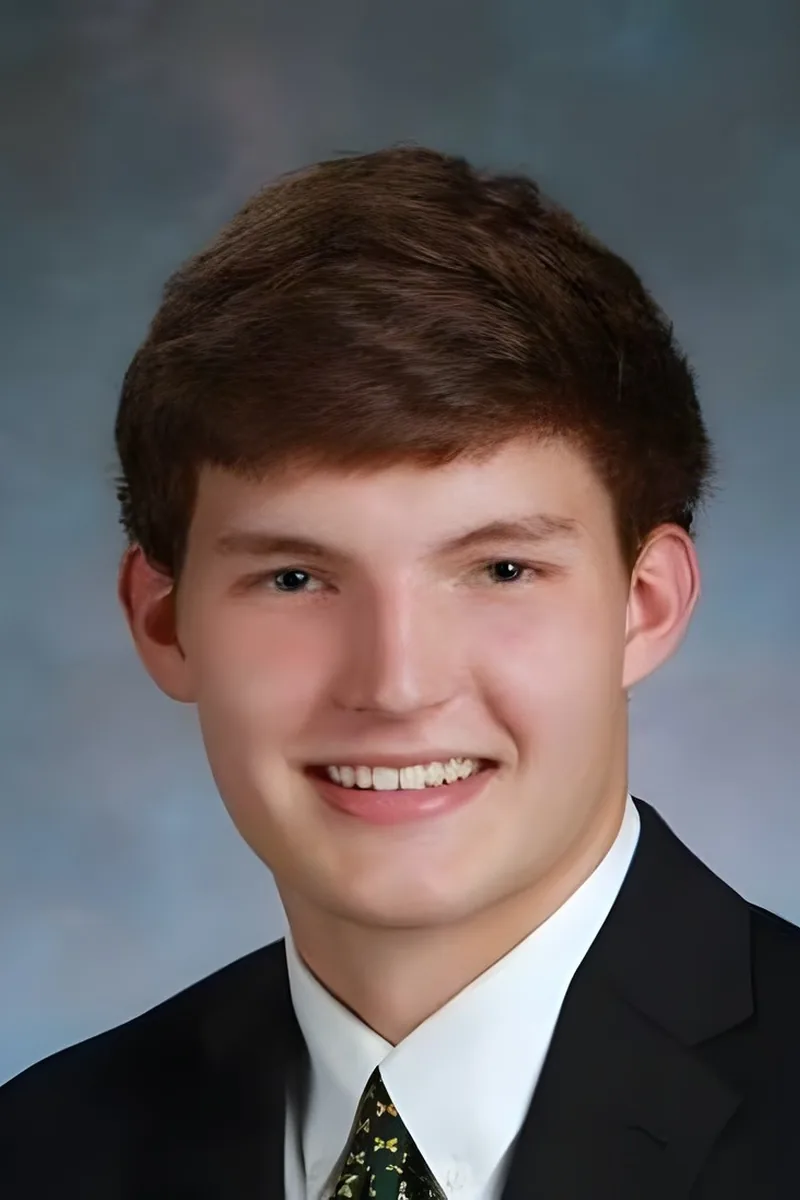
Daniel's electrical engineering coursework at Vanderbilt means he writes actual code in Java and works with hardware-software interfaces daily — background that makes the pseudocode and abstraction concepts in AP CSP click faster for students. He zeroes in on algorithm design and data representation, breaking down how binary encoding and compression work at the circuit level so the logic sticks. His 36 ACT composite speaks to the kind of structured, analytical thinking he brings to Create Task coaching and exam prep.
Pratik doesn't come from a traditional CS background, but his premed training at Cornell — where he regularly works with data sets, statistical models, and logical reasoning — maps directly onto the computational thinking AP CSP tests. He's especially effective at breaking down the data analysis and algorithm units, translating abstract pseudocode into the kind of step-by-step problem solving he uses in biology and chemistry every day.
Derek scored 5s on both AP Computer Science A and AP Physics C while taking 16 APs at the high school level, so he knows how to manage the breadth of a course like AP CSP without letting any Big Idea slip through the cracks. Now studying CS at Harvard with an applied math minor, he digs into the algorithmic thinking and pseudocode reasoning that drive the multiple-choice section — and coaches students through the Create Task with the structured planning habits that come from building real software projects.
Cognitive science training at Stanford gave David an unusual lens for AP CSP — he studied how humans process information before studying how computers do, which means he can explain abstraction, algorithms, and data representation in terms that actually click. His experience teaching web and app development to high schoolers abroad sharpened his ability to walk students through the Create Task from planning to polished written response.
Studying both neuroscience and computer science at Duke means Ankit lives at the intersection AP CSP actually tests — how computing shapes real-world systems, from brain imaging pipelines to cybersecurity ethics. He digs into the algorithmic thinking and data representation questions that trip students up on the multiple-choice section, and coaches the Create Task from initial planning through the written response. Rated 4.8 by students.
Kerr is currently building iOS apps and games as a CS major at Vanderbilt, which means the programming and design thinking in AP CSP's Create Task mirrors what he does every week. He teaches pseudocode logic and algorithm design by connecting them to real development decisions — like why a particular data structure speeds up a game or how abstraction keeps an app's codebase manageable. Rated 4.9 by students.
Cindy doesn't come from a traditional CS background, but her 36 ACT and analytical training as a Harvard English student give her a sharp edge on AP CSP's most underestimated challenge: the written responses. The Create Task and exam both reward students who can explain computational ideas — abstraction, algorithms, data patterns — in clear, precise language, and that's exactly the skill set she brings to every session.
Bryan codes in Java, C++, Python, and JavaScript daily as a CS major at Penn, which means the programming and algorithm design portions of AP CSP come naturally — but he's equally sharp on the conceptual side, like explaining how data travels across the internet or why abstraction matters in system design. He scored a 35 ACT and holds a 5.0 tutoring rating, and he's particularly effective at coaching students through the written response component of the Create Task, where clear technical communication counts as much as the code itself.
Studying computational science at Stanford while coming from a creative arts background at Juilliard's Pre-College program, Julia brings an unusual lens to AP CSP — she naturally bridges the course's technical units on algorithms and data representation with its emphasis on the societal and creative dimensions of computing. Her 1560 SAT and 5.0 tutoring rating back up the analytical chops, but it's that crossover between engineering and the arts that makes her especially effective at coaching the Create Task, where students need both programming logic and clear written explanation.
Irene's PhD in Mathematics and Computer Science means she understands the computational thinking that underpins AP CSP — not just the vocabulary, but the discrete math and logic behind how algorithms work and why abstraction matters. She unpacks pseudocode problems by connecting them to the mathematical structures students rarely see in a survey course, which makes exam questions feel less like guesswork.
Firas's machine learning research at Princeton means he can show students what abstraction, algorithms, and data representation actually look like in practice — not just as AP exam vocabulary but as tools working scientists use daily. He's particularly sharp at teaching the pseudocode reasoning and written response skills the Create Task demands, since his PhD work required translating complex computational ideas into clear, precise language. Rated 5.0 by students.
Statistics training builds exactly the kind of thinking AP CSP actually tests — reading data representations, reasoning through algorithms on paper, and understanding how information gets encoded and compressed. Kyle applies that quantitative lens to the course's Big Ideas, turning abstract pseudocode traces and binary problems into structured, solvable puzzles. Rated 4.9 by students.
Testimonials
Because the right AP Computer Science Principles tutor makes all the difference.
Average Session Rating – Based on 3.4M Learner Ratings
Nearby AP Computer Science Principles Tutors
Other Madison Tutors
Related Technology and Coding Tutors in Madison
Frequently Asked Questions
AP Computer Science Principles focuses on broad computational thinking skills rather than deep programming syntax. The course covers five big ideas: creative development, data, algorithms, programming, and the internet. Students learn to design applications, analyze data, understand how algorithms work, write code in any language, and explore how computing impacts society. For students in Madison, this means developing practical problem-solving skills that apply across all tech fields, not just computer science.
Score improvement depends on your starting point and consistency. Students who work with tutors typically see gains of 1-2 points on the AP scale (1-5), though some improve more with focused practice. The AP CSP exam has two components: the Create Performance Task (30%) and the end-of-course exam (70%), so improvement often comes from strengthening both areas. Varsity Tutors connects you with expert tutors who can identify your specific weak areas—whether that's algorithm design, data analysis, or the performance task—and create a targeted study plan to maximize your score.
Many students struggle with the Create Performance Task, which requires designing an application and documenting your process—it's less about perfect code and more about explaining your thinking. Others find the algorithm questions tricky because they test conceptual understanding rather than coding ability. Time management is another challenge; students often underestimate how long the performance task takes or rush through the written explanations. Tutors can help you break down the performance task into manageable steps, practice explaining algorithms clearly, and develop a realistic timeline for preparation.
The Create Performance Task is worth 30% of your AP score and requires you to design an application, code it, and write detailed explanations of your process. Start by choosing a topic you're genuinely interested in—this makes the work more engaging and your explanations more authentic. Document your development process as you go (don't wait until the end), and focus your written responses on explaining your design choices and how your code works, not just listing features. Expert tutors can review your task in progress, help you strengthen your explanations, and ensure you're meeting all the rubric requirements.
Most students benefit from starting preparation 2-3 months before the May exam, dedicating 5-8 hours per week to studying and practicing. This timeline allows you to work through the curriculum, complete practice performance tasks, and take full-length practice exams. If you're starting later or struggling with specific concepts, more intensive tutoring can help you catch up efficiently. Varsity Tutors connects you with tutors who can create a personalized study schedule based on your current level and target score.
The College Board provides official AP CSP practice exams and performance task examples on their website—these are your most reliable resources since they match the actual exam format exactly. Many textbooks and online platforms offer additional practice questions, but focus on quality over quantity; working through 50 official questions is more valuable than 200 from questionable sources. Practice tests should be taken under timed conditions to build stamina and identify pacing issues. Tutors can recommend specific resources tailored to your weak areas and help you analyze your practice test results to guide your studying.
Test anxiety often stems from feeling unprepared or uncertain about what to expect. The best antidote is familiarity—take multiple practice exams under real testing conditions, review the rubrics thoroughly, and practice explaining your code and design choices out loud. On exam day, remember that AP CSP rewards clear thinking and explanation over perfect code; if you get stuck, move on and come back later. Tutors can help you build confidence by working through challenging problems together, reviewing your mistakes, and developing strategies to stay calm when you encounter unfamiliar questions.
Look for tutors with strong computer science backgrounds—ideally someone who has taught AP CSP, scored well on the exam themselves, or has professional programming experience. They should understand both the technical content and the unique format of the AP exam, especially how to evaluate performance tasks against the official rubric. For students in Madison, Varsity Tutors connects you with expert tutors who can teach the material and help you develop the communication skills needed to explain your thinking clearly on the exam.
Let’s find your perfect tutor
Answer a few quick questions. We’ll recommend the right plan and match you with a top 5% tutor.