Award-Winning College Chemistry Tutors
serving Roanoke, VA
College Chemistry
Tutors in Roanoke
Private 1-on-1 tutoring, weekly live classes for academic support, test prep & enrichment, practice tests and diagnostics, and more to elevate grades and test scores.
Based on 3.4M Learner Ratings
UniversitiesSchools & Universities
DeliveredHours Delivered
ProficiencyGrowth in Proficiency
Who needs tutoring?
No obligation. Takes ~1 minute.
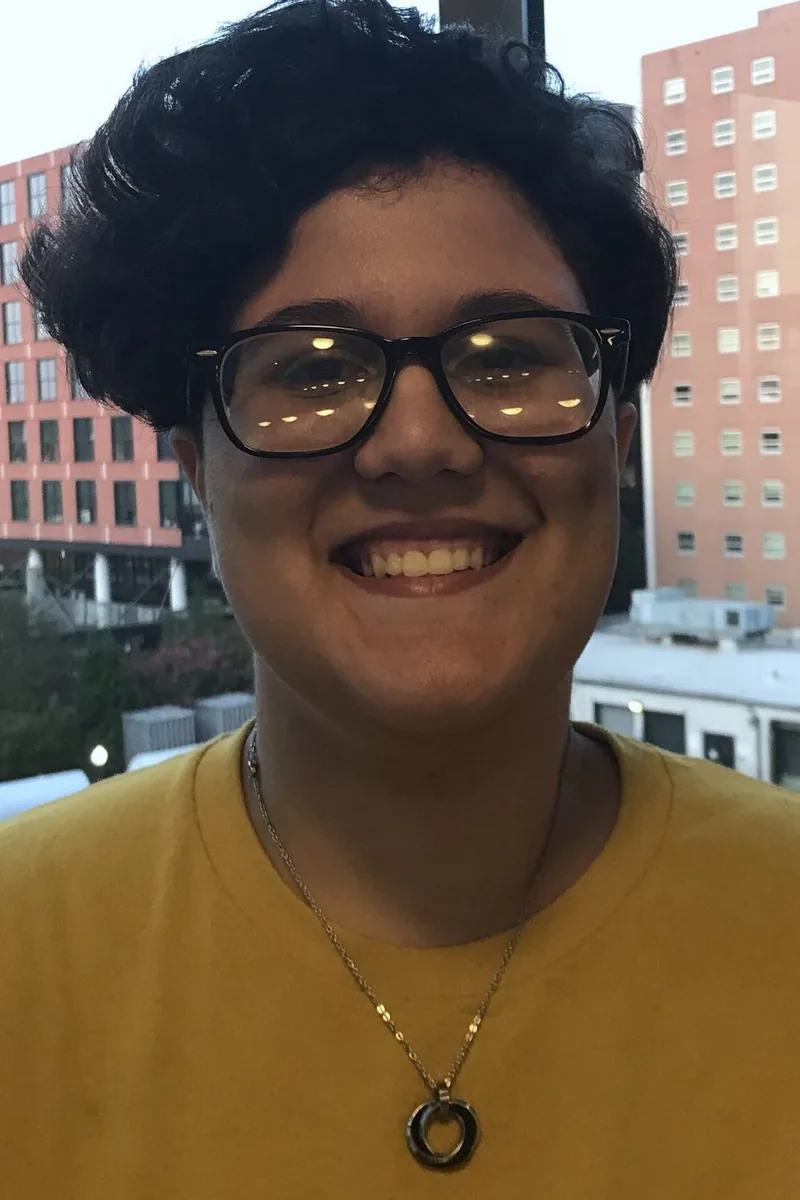
I'm a current medical student at VCU School of Medicine, and a graduate of Johns Hopkins University. I received my Bachelor of Science in Molecular and Cellular Biology. I've had the pleasure of tutoring a diverse range of students for 5 years; while I tutor a broad set of subjects, I'm most passionate about biology, psychology, and chemistry. I'm a big proponent of ensuring understanding over memorization and teaching concepts that last for years to come (particularly for other students interested in medicine!) In my free time, I love to write poetry, edit essays, and gush about game writing with friends.
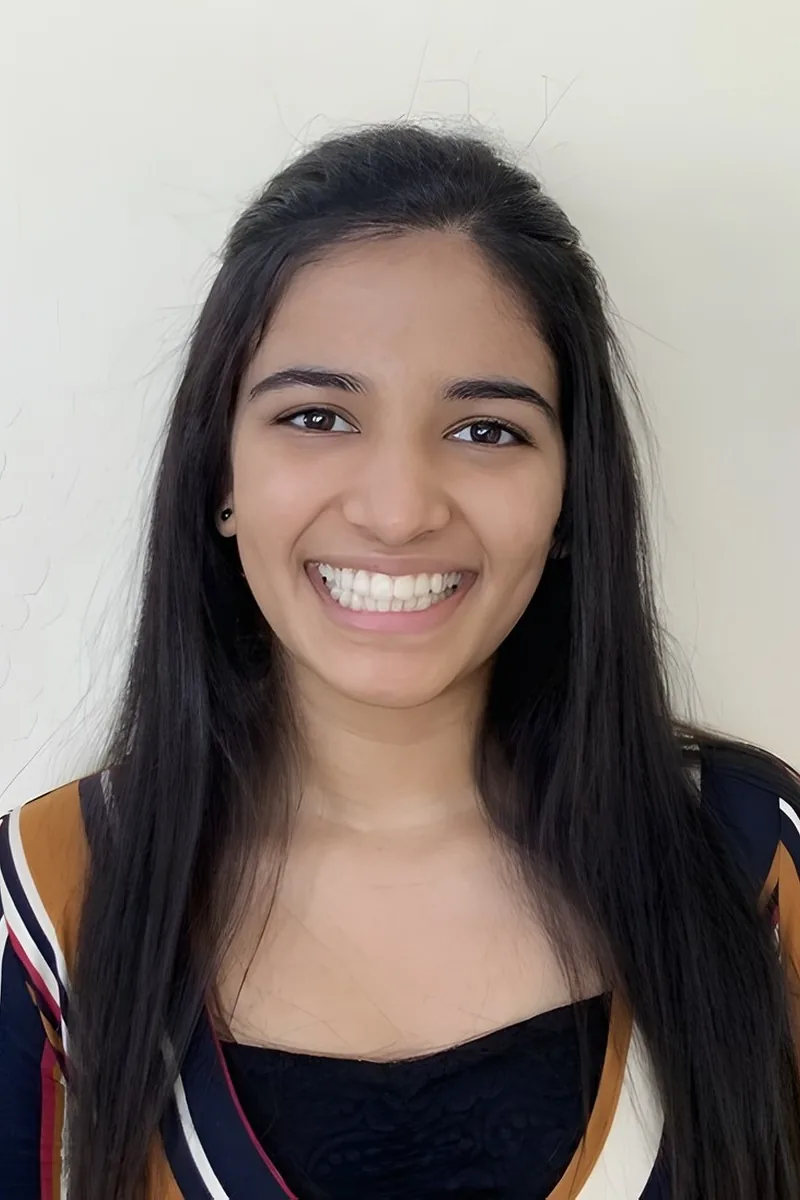
Being in VCU's BS/MD Guaranteed Admissions program means Roshni is taking college chemistry with real stakes — every gen chem concept, from electronegativity trends to buffer systems, feeds directly into the medical coursework waiting on the other side. She zeroes in on the logic behind reaction predictions and equilibrium shifts so students internalize the reasoning instead of memorizing disconnected rules. Rated 4.9 by students.
Having taken chemistry all the way through organic, analytical, and biochemistry at James Madison University, Ava knows which gen chem concepts — electron configuration, VSEPR theory, intermolecular forces — quietly become load-bearing walls for everything that follows. She zeroes in on the reasoning behind each model so students can predict molecular behavior on exams instead of scrambling to memorize exceptions.
Pre-med bioinformatics coursework at VCU's Honors College means Shahad has pushed through college chemistry with a chemistry minor backing her up — she's not just recalling gen chem for tutoring, she's actively using concepts like molecular interactions, reaction energetics, and solution behavior in her biology and genomics classes right now. That real-time fluency lets her explain where each topic resurfaces and why it's worth understanding deeply the first time around. Rated 4.9 by students.
Earning a chemistry degree at UVA means Brittany didn't just pass gen chem — she built on it through upper-level coursework where concepts like equilibrium, thermodynamics, and bonding theory get applied in increasingly complex contexts. Her IB Chemistry background adds another layer: she's familiar with both the American university approach and the IB framework, so she can translate between the two when students carry habits from one into the other. Rated 5.0 by students.
From the moment I began helping classmates in middle school study for math quizzes, I realized how much I enjoyed guiding others toward understanding. Over time, that spark grew into a genuine passion for education. What drives me most is witnessing the transformation in a student's confidencethe moment when confusion gives way to clarity, and they begin to believe in their own abilities. Tutoring, for me, is not simply about helping students achieve better grades; it's about empowering them to trust their capacity to learn and grow. My journey as a tutor began in high school, where I volunteered as a math tutor for underclassmen struggling with algebra and geometry. I worked one-on-one with students after school, helping them tackle difficult problems and build foundational skills. This early experience taught me how patience and consistent encouragement could make a lasting difference. In college, I served as a teaching assistant for general chemistry at the University of Virginia.
Engineering students don't just take college chemistry — they rely on it. Andrew's mechanical and aerospace engineering program at UVA required rigorous chemistry coursework covering thermochemistry, reaction kinetics, and electrochemistry, so he understands these topics from both a theoretical and applied standpoint. He walks through problem-solving strategies that make dense material more manageable.
Public health coursework at UT Austin meant Katherine couldn't just memorize gen chem — she had to internalize how concepts like solution chemistry, molarity, and acid-base behavior actually function in epidemiological and toxicological contexts. That applied perspective shapes how she teaches college chemistry: she grounds abstract topics in concrete scenarios first, then works backward into the calculations and notation so students understand what the numbers represent before solving for them.
Studying chemistry at Harvard while preparing for Columbia Medical School means James has taken college chemistry far past the introductory level — he knows which early concepts like electron configurations, VSEPR theory, and reaction stoichiometry quietly become load-bearing walls for everything from organic mechanisms to biochemical pathways. He teaches gen chem by flagging those high-stakes fundamentals early, so students aren't blindsided when later courses assume fluency. Rated 4.9 by students.
Biochemistry and cell biology coursework at the undergraduate level, followed by Duke medical school, means Tammy has run the full gauntlet of college chemistry — from gen chem fundamentals like electron configurations and VSEPR theory through the organic and biochemical applications that make those foundations matter. She teaches the early material with an eye toward what's coming next, so students aren't just surviving gen chem but actually building fluency they'll use in later courses. Rated 5.0 by students.
General chemistry at the college level lives or dies on whether you actually understand what's happening at the molecular level — equilibrium shifts, thermodynamic spontaneity, orbital hybridization — or just memorize formulas. Mosab's health sciences graduate work means he uses these concepts constantly and can connect them to real biochemical applications. Rated 5.0 by students.
Computer science at Cornell Engineering required Ravnoor to grind through the same rigorous gen chem sequence that gates so many STEM majors — and his 5.0 rating suggests he retained more than enough to teach it. He tackles calculation-dense topics like stoichiometry and gas laws by decomposing them the way a programmer would: isolate the variables, track the units, and debug each step before moving forward.
Working in a Yale research lab with tools like CRISPR-Cas9 means Matthew encounters gen chem principles — reaction kinetics, molecular interactions, buffer systems — in live experimental contexts, which sharpens how he explains them back at the introductory level. His biochemistry and molecular biology coursework built fluency with the bridge between general chemistry and its applications, so he can show students exactly why mastering something like equilibrium or thermochemistry pays off two courses down the road. Holds a 5.0 rating.
Dental school entrance exams and a microbiology degree meant Daniel had to master gen chem twice — once as an undergrad learning the fundamentals, and again at a higher level when topics like acid-base chemistry, solution concentration, and molecular interactions became the foundation for clinical science. That repetition gives him a sharp sense of which concepts students need to truly internalize versus which ones they can reference, and he teaches accordingly — spending more time on the reasoning behind equilibrium and bonding than on memorizing formulas that won't stick.
Engineering coursework at Harvard means Christopher regularly uses chemistry concepts like thermodynamics, equilibrium, and reaction kinetics in applied settings. He teaches college chemistry by connecting abstract ideas — say, Gibbs free energy or electrochemical cells — to tangible problems, making the material easier to internalize before exams.
Pre-med coursework at Duke forced Camille through the full gen chem gauntlet — stoichiometry, equilibrium, acid-base chemistry — while simultaneously juggling a humanities major, so she knows what it's like to learn dense quantitative material without the luxury of focusing on nothing else. That experience makes her especially effective with students who aren't pure STEM majors but still need to master college chemistry for their degree track. Rated 5.0 by students.
Studying chemistry at MIT means Max has tackled the same problem sets, lab reports, and conceptual leaps that trip up college chemistry students — quantum mechanical models, thermodynamic cycles, molecular orbital theory. He approaches each session by identifying the specific concept a student is stuck on and building understanding from the ground up, not just drilling practice problems. His 5.0 rating speaks to how well that method works at the college level.
Going from a Penn undergrad to medical school means Jessica sat through college chemistry twice — once as a prerequisite and again when biochemistry and pharmacology demanded she actually internalize concepts like reaction energetics, acid-base equilibria, and molecular interactions at a deeper level. That second pass gave her a clear sense of which gen chem topics students need to truly own versus merely survive, and she teaches accordingly. Rated 4.8 by students.
Tackling college chemistry topics like thermodynamics, kinetics, and electrochemistry is second nature for Greg, whose chemical engineering major at Vanderbilt requires him to apply these concepts in advanced contexts every semester. He breaks down intimidating derivations and multi-step problems by connecting them to the underlying physical intuition rather than treating each formula as something to memorize.
Samantha studied Chemistry & Chemical Biology at Cornell with a food science concentration, so she's tackled everything from organic reaction mechanisms to thermodynamics and spectroscopy at the college level. She teaches tricky concepts like equilibrium constants, electrochemistry, and molecular orbital theory by building visual models that connect the math to what's physically happening at the molecular scale.
Testimonials
Because the right College Chemistry tutor makes all the difference.
Average Session Rating – Based on 3.4M Learner Ratings
Other Roanoke Tutors
Related Science Tutors in Roanoke
Frequently Asked Questions
Varsity Tutors matches Roanoke students with expert College Chemistry tutors for 1-on-1 instruction. We pair each student with a tutor based on their specific needs, learning style, and goals.
Whether you need homework help, exam prep, or want to get ahead, our College Chemistry tutors are ready to help.
Common challenges include gaps from earlier material, difficulty with specific concepts, and trouble applying learning to new problems. These issues can snowball quickly in College Chemistry.
A tutor identifies where you're stuck, fills in gaps, and provides targeted practice. The 1-on-1 format means you get help exactly where you need it.
Tutors work with your student's actual coursework—homework assignments, class notes, and upcoming tests. This keeps tutoring directly relevant to what's happening in the classroom.
When you share information about your student's school and curriculum, we can match you with a tutor who has relevant experience.
All tutors complete background checks, credential verification, and teaching evaluation. Many of our College Chemistry tutors hold advanced degrees or have years of teaching experience.
You can review tutor profiles to find someone with the right background for your student's level and needs.
Many students see improved grades within a few weeks, along with better understanding of College Chemistry concepts and more confidence tackling challenging material.
Tutors track progress and adjust their approach to ensure continued improvement.
Most students benefit from 1-2 sessions per week. More frequent sessions help if your student is significantly behind or has an important exam coming up.
Your tutor can recommend a schedule based on your student's specific situation and goals.
Tutoring is purchased in packages of hours, with rates varying by tutor experience. Varsity Tutors offers several options to fit different budgets and needs.
You can discuss pricing during your consultation to find what works best.
Your tutor will assess where your student is, discuss goals, and start working on priority areas. Most students bring current homework or upcoming test material to focus on.
By the end, you'll have a clear sense of how the tutor can help and a plan for moving forward.
Let’s find your perfect tutor
Answer a few quick questions. We’ll recommend the right plan and match you with a top 5% tutor.