Award-Winning AP English Literature and Composition Tutors
serving Austin, TX
AP English Literature and Composition
Tutors in Austin
Private 1-on-1 tutoring, weekly live classes for academic support, test prep & enrichment, practice tests and diagnostics, and more to elevate grades and test scores.
Based on 3.4M Learner Ratings
UniversitiesSchools & Universities
DeliveredHours Delivered
ProficiencyGrowth in Proficiency
Who needs tutoring?
No obligation. Takes ~1 minute.
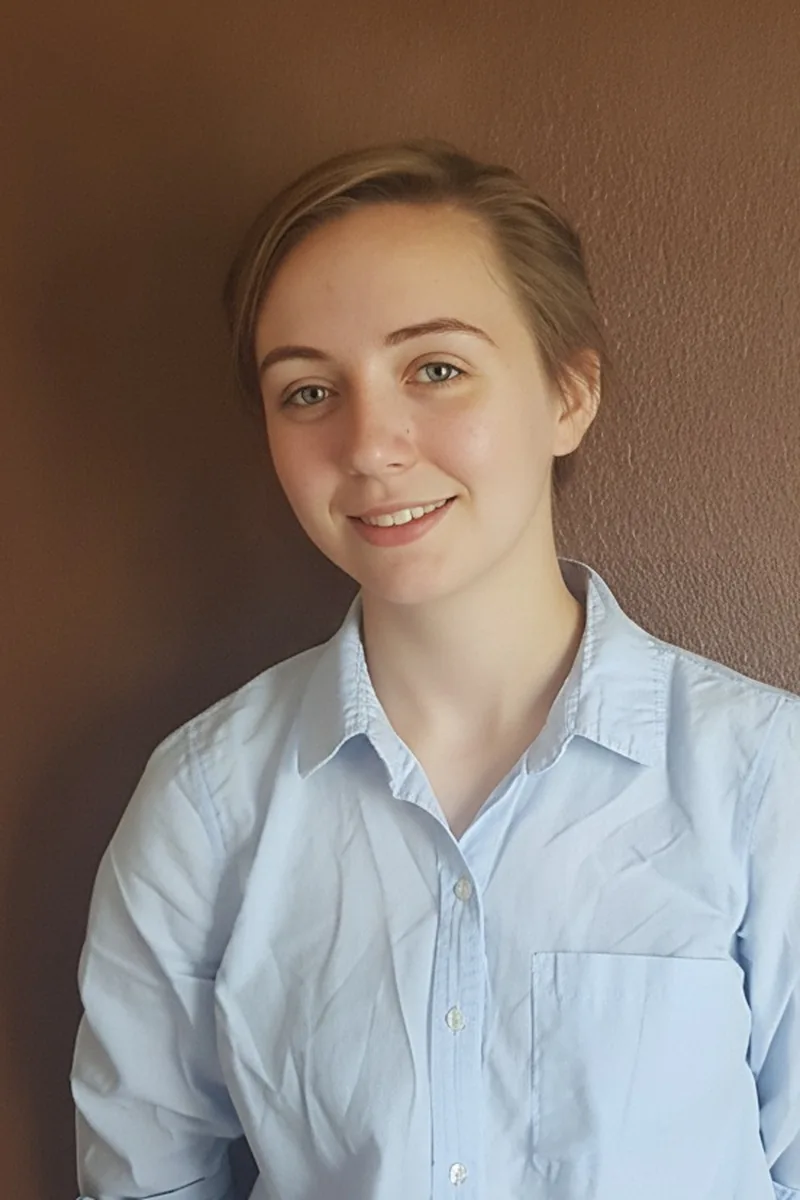
AP Lit is Meagen's sweet spot. As an English major at Carleton College who genuinely lights up over close reading, she digs into how literary devices function within a text — not just identifying a metaphor but explaining what it accomplishes in the passage's argument or characterization. Her sessions on the free-response essays zero in on crafting a defensible thesis and weaving textual evidence into every body paragraph.

AP Lit asks students to do something most of them have never been taught — read a poem or passage cold and build an argument about how it works in under 40 minutes. Kristina's background in contemporary studies and language arts sharpens that skill, walking students through close reading techniques for prose, poetry, and drama so they can identify literary devices and connect them to meaning under timed conditions.
AP English Literature asks students to do something genuinely difficult: read a poem or prose passage they've never seen and produce a polished analytical essay in 40 minutes. Deb's MFA in Shakespeare and Performance from Mary Baldwin College trained her in exactly this kind of rapid close reading — identifying how imagery, syntax, and structure create meaning. She teaches students to move from gut reaction to a defensible thesis quickly, which is the skill that separates 4s and 5s from 3s.
AP English Literature demands more than plot summary — it asks students to dissect how a poet's enjambment creates tension or how a novelist's shifting point of view reshapes meaning. Jacob's English minor and editorial background give him a sharp eye for the craft-level details that earn high marks on free-response essays. He digs into passages line by line, teaching students to build arguments around literary technique.
AP English Literature asks students to do something most high schoolers haven't practiced: write a polished analytical essay about a poem or prose passage they've never seen before, in 40 minutes. Lillian spent her undergraduate years editing for UT Austin's literary journal, close-reading everything from contemporary fiction to dense academic prose. She teaches students to identify literary devices like free indirect discourse, shifts in meter, and symbolic imagery — and then turn those observations into a thesis that actually argues something.
Close reading is the backbone of AP Lit, and Elena's graduate training in art history taught her to analyze visual and written texts with the same forensic attention to detail. She teaches students to unpack poetic structure, narrative voice, and figurative language in ways that translate directly into high-scoring free-response essays. Her approach treats each passage like an artifact worth investigating, not just a prompt to answer.
AP Lit essays live or die on how well a student can connect a specific literary device to the text's larger meaning — not just spotting the metaphor, but explaining what it *does*. Kenan's background across literature and analytical writing means he can coach both the close-reading instinct and the timed-essay structure the exam demands, from poetry analysis to the open-ended prompt.
AP English Literature asks students to do what Toni does professionally: analyze poetry, prose, and drama with precision and write about it persuasively under pressure. As a college English professor with expertise spanning medieval, British, and comparative literature, she teaches students to build arguments around literary devices like free indirect discourse, enjambment, and unreliable narration — the kind of specificity that earns 8s and 9s on the essays.
Hello, students! My name is Pranav, and I'm so excited to be tutoring with Varsity Tutors. I have vast experience tutoring both personally and professionally; I've held officer positions in several nonprofit organizations, including STEMpals and The Do Re Mi Project, teaching courses ranging from biology to music theory. I took 16 AP courses throughout high school with all 5s, and I earned a 1570 on my SAT, so I'm pretty familiar with the majority of academic subjects! I have experience tutoring any and all skill levels, and I'm always open to expanding my horizons, so please don't hesitate to book your first lesson. I'm looking forward to meeting with you!
AP English Literature asks students to do something genuinely difficult: read a poem or prose passage cold and produce a polished analytical essay in 40 minutes. Meghana unpacks how to move beyond plot summary by teaching students to anchor claims in specific literary devices — shifts in tone, narrative perspective, figurative language patterns — and connect them to a coherent thesis. Her English studies at Texas A&M keep her actively engaged with the close-reading skills this exam demands.
AP Lit demands more than understanding a novel — it requires writing essays that dissect how an author's choices in structure, imagery, and tone create meaning under timed pressure. Alexandra, a Creative Writing major who also writes poetry and screenplays, brings a writer's instinct for craft that sharpens how students analyze prose and verse passages. Her 4.9 rating speaks to how effectively she translates that instinct into exam-ready close reading and argumentation skills.
AP English Lit asks students to do something genuinely difficult: build a persuasive argument about a poem or novel passage in forty minutes under pressure. Lauren, who studies and writes about cultural narratives at the graduate level, unpacks how to identify literary devices like irony, symbolism, and shifts in tone and then convert those observations into thesis-driven essays that score well. She's particularly sharp on the open-ended Question 3, where choosing the right text makes all the difference.
AP English Lit asks students to do two hard things at once: read a poem or passage with real precision and then write a polished essay under time pressure. Emily's UT Austin English degree gave her deep experience with close reading across genres — from Shakespeare's sonnets to postcolonial fiction — and she unpacks how to build a thesis that goes beyond plot summary. Her pharmacy school training in structured argumentation also sharpens the way she teaches essay organization.
AP Lit asks students to do something genuinely difficult: read a poem or passage cold and construct a persuasive argument about it in forty minutes. Winston's history degree trained him in exactly this kind of close reading and rapid thesis-building, and he applies those skills to everything from Shakespeare's sonnets to contemporary prose. He tackles the free-response essays as structured arguments, not loose reflections.
AP Lit asks students to do something genuinely difficult: read a poem or prose passage cold and produce a coherent literary argument under time pressure. Rob taught English at Choate Rosemary Hall and holds degrees in English and Philosophy, so he digs into the mechanics of close reading — how meter, diction, and narrative structure generate meaning — and then drills the timed-essay skills that turn that analysis into a 5.
Teaching high school English while holding an MA in English with a focus on feminist critical theory, Danah knows exactly what AP Lit readers reward: thesis specificity, embedded textual evidence, and sophisticated literary analysis that goes beyond plot summary. She unpacks how to write a compelling free-response essay on poetry, prose, and open-prompt questions under timed conditions. Rated 5.0 by students.
AP Lit's free-response questions reward students who can move past plot summary and build an argument about how literary techniques create meaning. Andrew studied literature at the undergraduate level and later sharpened his argumentative writing through law school, so he teaches students to construct thesis-driven essays that connect imagery, diction, and structure to a poem's or novel's larger purpose. That combination of literary knowledge and persuasive writing skill shows in his 4.8 rating.
AP English Literature asks students to do something most haven't been trained for: write a polished literary argument under time pressure about a poem or passage they've never seen. Maddy wrote an honors thesis on art criticism at Harvard and spent years analyzing fiction, poetry, and Shakespeare — she teaches the close-reading instincts and essay structures that earn high scores on the free-response section.
AP Lit asks students to do something genuinely difficult: read a poem or passage they've never seen before and build an analytical argument about it under time pressure. Sydny approaches each essay prompt by teaching students to identify literary devices — imagery, tone shifts, narrative structure — and convert those observations into a thesis that actually says something specific.
AP Lit asks students to do something genuinely difficult: read a poem or passage they've never seen and produce a polished analytical essay under time pressure. Kirstie teaches close-reading techniques — tracking imagery patterns, identifying shifts in tone, unpacking syntax choices — that give students a repeatable framework for any unseen text. Her own background in literature and comparative literature means she can draw connections across periods and genres that deepen a student's analysis.
Spending a semester at Madrid's top-ranked university reading literature alongside Spanish students sharpened Meghan's ability to dissect texts across cultural contexts — exactly the close-reading skill AP Lit demands. She teaches students to build thesis-driven essays around literary devices like imagery, tone shifts, and narrative structure, not just plot summary. Her 5.0 rating speaks to how well that translates in practice.
AP English Literature demands more than summarizing a novel — it asks students to dissect how imagery, tone, and narrative structure produce meaning in a specific passage. David's English degree and his graduate work with rare books and manuscripts gave him a close-reading discipline that translates directly into the kind of textual analysis the free-response essays reward. He teaches students to build arguments from the text outward, anchoring every claim in concrete literary evidence.
Princeton's economics program is writing-intensive in ways most people don't expect — Neil spent four years constructing evidence-based arguments from dense source material, a skill that maps directly onto AP Lit's demand for thesis-driven essays grounded in textual detail. He teaches students how to move from a cold read of a poem or passage to a structured interpretive argument within the forty-minute window, zeroing in on how to select and deploy evidence without drifting into summary. Rated 5.0 by students.
AP Lit asks students to do something most haven't practiced: build a literary argument under a ticking clock, using specific textual evidence and sophisticated analysis of devices like imagery, tone shifts, and narrative structure. Jonathan is an active fiction writer studying at The Writers Studio in Manhattan, which means he reads prose the way the exam demands — with an eye toward how authors construct meaning at the sentence level. That craft-level awareness translates directly into the kind of close reading the free-response essays reward.
Analyzing how a poet's syntax mirrors emotional tension, or tracing a novel's symbolic architecture across 300 pages — AP Lit demands close reading at a level most high schoolers haven't encountered before. Martha's experience writing analytical papers at Duke and editing college essays sharpens her ability to teach students how to build a thesis from textual evidence and defend it in a timed essay.
Testimonials
Because the right AP English Literature and Composition tutor makes all the difference.
Average Session Rating – Based on 3.4M Learner Ratings
Practice AP English Literature and Composition
Free practice tests, flashcards, and AI tutoring for AP English Literature and Composition
Nearby AP English Literature and Composition Tutors
Other Austin Tutors
Related English Tutors in Austin
Frequently Asked Questions
During your first session, a tutor will assess your current understanding of literary analysis, essay writing skills, and familiarity with the AP exam format. They'll discuss your goals—whether you're aiming to improve your score, strengthen specific skills like textual analysis, or build confidence before test day—and create a personalized study plan tailored to your needs. This initial conversation helps identify which areas need the most focus, from close reading techniques to timed essay strategies.
Score improvement depends on your starting point and how consistently you engage with tutoring and practice. Students who work with tutors on targeted strategies—like improving thesis clarity, analyzing literary devices more effectively, or managing time during the exam—typically see meaningful gains. The AP English Literature and Composition exam rewards specific skills that can be developed with focused instruction, particularly in recognizing argument structure and crafting evidence-based analysis.
Many students struggle with time management during the three essays, especially balancing close reading with writing quality under pressure. Others find it difficult to identify and analyze literary devices beyond basic observations, or to develop thesis statements that go deeper than surface-level interpretations. Additionally, the multiple-choice section requires careful reading and understanding of inference questions, which can be tricky if you're not trained to spot the most defensible answers.
Tutors focus on teaching you how to construct compelling thesis statements, integrate textual evidence seamlessly, and analyze literary techniques with sophistication rather than just identifying them. They'll help you develop strategies for each essay type—the poetry analysis, prose analysis, and open-choice essay—including how to plan quickly under timed conditions and avoid common pitfalls like plot summary instead of analysis. Practice writing under timed conditions with feedback is key to building the skills and confidence needed on test day.
Practice tests are essential because they help you understand the exam's pacing, question formats, and expectations in a realistic setting. Working through full-length practice exams under timed conditions reveals which sections challenge you most and where your analysis skills need strengthening. A tutor can review your practice test responses, identify patterns in your mistakes, and help you refine your approach before the actual AP exam.
Varsity Tutors connects you with expert tutors in Austin who specialize in AP English Literature and Composition and understand the specific skills the exam demands. When you get matched with a tutor, you can discuss your schedule, goals, and learning style to ensure a good fit. Tutors work with you flexibly to build the literary analysis and essay-writing skills you need to succeed.
Yes. The multiple-choice section requires not just understanding what a passage says, but recognizing the author's tone, purpose, and how literary devices create meaning. Tutors teach you strategies for active reading, annotation techniques, and how to eliminate wrong answers systematically. With practice and feedback, you'll develop the critical reading skills needed to confidently tackle inference and analysis questions.
Tutors build your confidence through repeated practice, clear strategy instruction, and familiarity with the exam format—all of which reduce anxiety on test day. By working through timed essays, multiple-choice sections, and receiving constructive feedback, you'll feel more prepared and in control. Additionally, tutors can teach you pacing strategies and stress-management techniques to help you stay focused and calm during the three-hour exam.
Let’s find your perfect tutor
Answer a few quick questions. We’ll recommend the right plan and match you with a top 5% tutor.