Award-Winning AP English Literature and Composition Tutors
serving Denton, TX
AP English Literature and Composition
Tutors in Denton
Private 1-on-1 tutoring, weekly live classes for academic support, test prep & enrichment, practice tests and diagnostics, and more to elevate grades and test scores.
Based on 3.4M Learner Ratings
UniversitiesSchools & Universities
DeliveredHours Delivered
ProficiencyGrowth in Proficiency
Who needs tutoring?
No obligation. Takes ~1 minute.

Close reading is the backbone of AP Lit, and Elena's graduate training in art history taught her to analyze visual and written texts with the same forensic attention to detail. She teaches students to unpack poetic structure, narrative voice, and figurative language in ways that translate directly into high-scoring free-response essays. Her approach treats each passage like an artifact worth investigating, not just a prompt to answer.
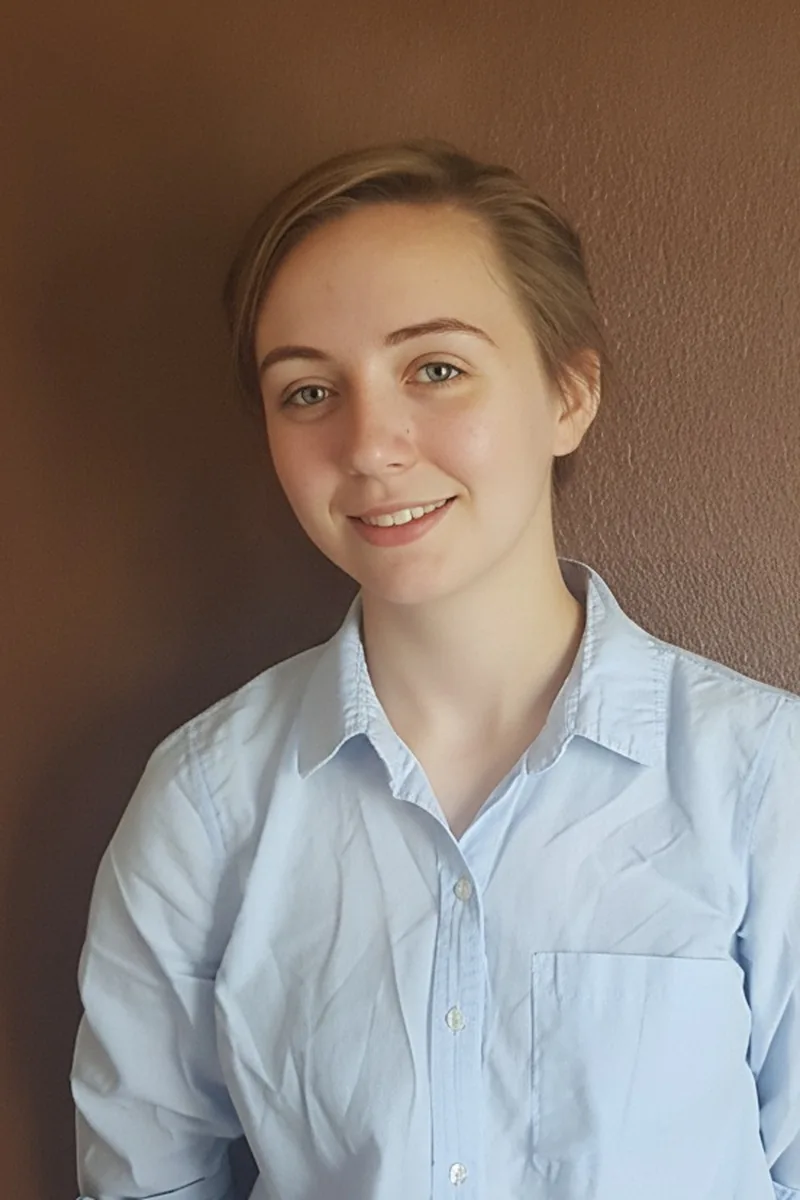
AP Lit is Meagen's sweet spot. As an English major at Carleton College who genuinely lights up over close reading, she digs into how literary devices function within a text — not just identifying a metaphor but explaining what it accomplishes in the passage's argument or characterization. Her sessions on the free-response essays zero in on crafting a defensible thesis and weaving textual evidence into every body paragraph.
AP Lit essays live or die on how well a student can connect a specific literary device to the text's larger meaning — not just spotting the metaphor, but explaining what it *does*. Kenan's background across literature and analytical writing means he can coach both the close-reading instinct and the timed-essay structure the exam demands, from poetry analysis to the open-ended prompt.
AP English Literature asks students to do what Toni does professionally: analyze poetry, prose, and drama with precision and write about it persuasively under pressure. As a college English professor with expertise spanning medieval, British, and comparative literature, she teaches students to build arguments around literary devices like free indirect discourse, enjambment, and unreliable narration — the kind of specificity that earns 8s and 9s on the essays.
Hello, students! My name is Pranav, and I'm so excited to be tutoring with Varsity Tutors. I have vast experience tutoring both personally and professionally; I've held officer positions in several nonprofit organizations, including STEMpals and The Do Re Mi Project, teaching courses ranging from biology to music theory. I took 16 AP courses throughout high school with all 5s, and I earned a 1570 on my SAT, so I'm pretty familiar with the majority of academic subjects! I have experience tutoring any and all skill levels, and I'm always open to expanding my horizons, so please don't hesitate to book your first lesson. I'm looking forward to meeting with you!
AP Lit asks students to do something most of them have never been taught — read a poem or passage cold and build an argument about how it works in under 40 minutes. Kristina's background in contemporary studies and language arts sharpens that skill, walking students through close reading techniques for prose, poetry, and drama so they can identify literary devices and connect them to meaning under timed conditions.
AP English Literature asks students to do something genuinely difficult: read a poem or prose passage cold and produce a polished analytical essay in 40 minutes. Meghana unpacks how to move beyond plot summary by teaching students to anchor claims in specific literary devices — shifts in tone, narrative perspective, figurative language patterns — and connect them to a coherent thesis. Her English studies at Texas A&M keep her actively engaged with the close-reading skills this exam demands.
AP English Literature asks students to do something genuinely difficult: read a poem or prose passage they've never seen and produce a polished analytical essay in 40 minutes. Deb's MFA in Shakespeare and Performance from Mary Baldwin College trained her in exactly this kind of rapid close reading — identifying how imagery, syntax, and structure create meaning. She teaches students to move from gut reaction to a defensible thesis quickly, which is the skill that separates 4s and 5s from 3s.
AP Lit demands more than understanding a novel — it requires writing essays that dissect how an author's choices in structure, imagery, and tone create meaning under timed pressure. Alexandra, a Creative Writing major who also writes poetry and screenplays, brings a writer's instinct for craft that sharpens how students analyze prose and verse passages. Her 4.9 rating speaks to how effectively she translates that instinct into exam-ready close reading and argumentation skills.
AP English Lit asks students to do something genuinely difficult: build a persuasive argument about a poem or novel passage in forty minutes under pressure. Lauren, who studies and writes about cultural narratives at the graduate level, unpacks how to identify literary devices like irony, symbolism, and shifts in tone and then convert those observations into thesis-driven essays that score well. She's particularly sharp on the open-ended Question 3, where choosing the right text makes all the difference.
AP English Literature demands more than plot summary — it asks students to dissect how a poet's enjambment creates tension or how a novelist's shifting point of view reshapes meaning. Jacob's English minor and editorial background give him a sharp eye for the craft-level details that earn high marks on free-response essays. He digs into passages line by line, teaching students to build arguments around literary technique.
AP English Lit asks students to do two hard things at once: read a poem or passage with real precision and then write a polished essay under time pressure. Emily's UT Austin English degree gave her deep experience with close reading across genres — from Shakespeare's sonnets to postcolonial fiction — and she unpacks how to build a thesis that goes beyond plot summary. Her pharmacy school training in structured argumentation also sharpens the way she teaches essay organization.
AP English Literature asks students to do something most high schoolers haven't practiced: write a polished analytical essay about a poem or prose passage they've never seen before, in 40 minutes. Lillian spent her undergraduate years editing for UT Austin's literary journal, close-reading everything from contemporary fiction to dense academic prose. She teaches students to identify literary devices like free indirect discourse, shifts in meter, and symbolic imagery — and then turn those observations into a thesis that actually argues something.
I am a Harvard University law student, professional composer, and dedicated mentor with a strong academic background. I completed 20+ AP courses, earned multiple AP scores of 5, graduated with a 4.0 GPA, and participated in an Honors College program. I focus on helping students build confidence, master concepts, and develop effective study skills through personalized and engaging instruction.
AP Lit asks students to do something genuinely difficult: read a poem or prose passage cold and build a convincing argument about how it works in under 40 minutes. Jack's theatre training at Northwestern gave him a performer's instinct for close reading — he knows how tone shifts, imagery, and structural choices create meaning because he's had to inhabit texts from the inside. He teaches students to move from noticing literary devices to actually arguing what those devices accomplish.
AP Lit asks students to do something genuinely difficult: read a poem or prose passage cold and produce a polished analytical essay under time pressure. Noelle unpacks literary devices like imagery, tone shifts, and narrative structure by showing how each one serves the author's larger argument — the kind of close reading that earns high marks on the free-response questions. Her love of reading and writing gives her a natural ear for the nuances the exam rewards.
Studying English Language and Literature at the University of Chicago means Davis spends his days doing exactly what the AP Lit exam tests — building interpretive arguments about how writers use language to create meaning, then defending those arguments with precise textual evidence. He brings that daily practice to teaching students how to read a poem or passage for its deeper mechanics rather than just its surface narrative. His comfort with both canonical and contemporary literature gives him range across the full-work essay question, where choosing the right novel and framing a sharp thesis makes all the difference.
AP Lit asks students to do something most haven't practiced: build a literary argument under time pressure using only the text in front of them. Rebecca teaches close-reading strategies for poetry and prose — identifying shifts in tone, tracking imagery patterns, and constructing thesis-driven free-response essays that earn high marks.
AP Lit rewards the kind of close reading Lisa has practiced for years as a published author and journal editor — noticing how a writer's diction, imagery, or syntax creates meaning beyond the surface. She digs into poetry and prose with students, teaching them to build essay arguments around specific literary devices rather than vague thematic summaries. Her 4.9 rating speaks to how well that approach lands.
AP Lit asks students to do something most haven't practiced: write a polished literary argument under pressure, using textual evidence with precision. David breaks down each essay type — the poetry analysis, the prose fiction analysis, the literary argument — and shows how to build a thesis that goes beyond plot summary into genuine interpretation.
Teaching literature courses at UVA and the North Carolina Governor's School gave Anna a front-row seat to the exact skills AP Lit demands: reading a poem or passage cold, identifying how literary devices generate meaning, and building an argument about it under time pressure. Her dissertation on 20th-century American fiction means she's deeply familiar with the novels and movements that frequently appear on the exam. She treats literary analysis as a learnable craft, not an innate talent.
AP English Literature asks students to do something genuinely hard: read a poem or passage cold and produce a coherent analytical essay under time pressure. Kahini earned her English degree at Brown, where close reading of literary form — meter, narrative structure, figurative language — was the daily expectation. She teaches students to build an argument from a single textual detail outward rather than summarizing plot.
A PhD in Religion and a bachelor's in philosophy gave Chang deep experience doing exactly what AP Lit demands: close reading of complex texts and constructing interpretive arguments under pressure. He teaches students to move beyond plot summary and build thesis-driven essays that analyze literary devices, narrative structure, and authorial intent with real textual evidence.
AP English Literature asks students to do in a timed essay what Alex has spent years training to do at the doctoral level: construct an argument about a literary text using precise evidence and sophisticated analysis. He digs into the specific skills the exam rewards — reading poetry for structure and figurative language, writing thesis-driven essays under pressure, and choosing the right passage for the open-ended prompt. His PhD research in English means students are learning from someone who lives inside these texts.
I'm a current PhD student in the history department at Georgetown University who is also an experienced instructor with Varsity Tutors. As a recipient of several degrees, the most recent being a BA in history from Hillsdale College and a MA in Russian, East European, and Eurasian Studies from Stanford University, I have long sought to make teaching my profession. Meanwhile, as a volunteer grade school teacher and a tutor with this company, I have many years' experience helping students reach their full potential. I am capable of teaching students in many subjects, including reading, mathematics, test prep, Latin, and especially writing, history, and literature. In practice, I am comfortable adapting to different learning styles and specific student preferences. Outside of my academic and career endeavors, I enjoy cooking, reading, and listening to and making music.
AP English Lit demands more than plot summary — it asks students to analyze how literary devices create meaning in poetry and prose, then argue that analysis under timed conditions. Jonathan's University of Chicago education, heavy in literature and philosophy, trained him to do exactly that: construct a tight, evidence-driven essay about tone, imagery, or narrative structure in under forty minutes. His debate background also sharpens the thesis-building skills that earn top scores on the free-response section.
Testimonials
Because the right AP English Literature and Composition tutor makes all the difference.
Average Session Rating – Based on 3.4M Learner Ratings
Practice AP English Literature and Composition
Free practice tests, flashcards, and AI tutoring for AP English Literature and Composition
Nearby AP English Literature and Composition Tutors
Other Denton Tutors
Related English Tutors in Denton
Frequently Asked Questions
AP English Literature and Composition focuses on close reading, literary analysis, and essay writing across multiple genres including poetry, prose, and drama. The course emphasizes understanding how authors use literary devices, rhetorical strategies, and narrative techniques to create meaning. Students develop skills in textual analysis and learn to construct evidence-based arguments about literature, which are tested through multiple-choice questions, short-answer responses, and three free-response essays on the May exam.
Score improvement depends on your starting point and how consistently you engage with tutoring. Most students who work with a tutor see meaningful progress in their analytical writing and test-taking efficiency within 4-6 weeks of regular sessions. The AP English Literature and Composition exam is scored 1-5, and tutors can help you identify specific weaknesses—whether that's analyzing poetry, managing essay timing, or understanding complex prose—and develop targeted strategies to address them.
Students often struggle with three main areas: understanding complex literary devices and their effects on meaning, managing time across three timed essays, and moving beyond summary to deeper analysis. Many also find it difficult to balance close textual evidence with broader interpretations, or to adapt their analysis approach across different genres like poetry versus prose. A tutor can help you develop a systematic approach to annotation, essay structure, and pacing that works specifically for how you think.
Practice tests are essential for AP English Literature and Composition because they help you understand the exact format, pacing demands, and question styles you'll face on exam day. Most students benefit from taking full practice exams under timed conditions every 2-3 weeks, then reviewing them with a tutor to identify patterns in your mistakes—whether you're misreading questions, running out of time, or missing key textual evidence. This targeted review is where real improvement happens, rather than just taking practice tests without analysis.
Each essay requires a slightly different approach: the poetry analysis essay demands close attention to form and sound devices, the prose fiction essay focuses on narrative technique and characterization, and the open-ended argument essay lets you choose your text but requires strong thesis development. Effective strategies include spending 2-3 minutes planning your thesis before writing, using a consistent evidence-to-analysis ratio (typically one piece of evidence per paragraph), and leaving time to review for clarity. A tutor can help you develop a template that works for your writing style while meeting AP rubric requirements.
Test anxiety often stems from uncertainty about what to expect or fear of running out of time. Building confidence through repeated practice under timed conditions helps normalize the exam experience and reduces anxiety significantly. Working with a tutor, you can also develop specific strategies like strategic skimming techniques for the multiple-choice section, a reliable pre-writing routine for essays, and mental checkpoints to pace yourself. Many students also benefit from discussing their specific anxiety triggers with a tutor so you can practice calming techniques during practice sessions.
Look for tutors with strong experience teaching AP-level literary analysis and essay writing, ideally with knowledge of the current AP exam format and scoring rubric. It's helpful if they've worked with students preparing for this specific exam and can provide examples of student essays and feedback. For students in Denton, Varsity Tutors connects you with expert tutors who understand the AP curriculum and can tailor instruction to your learning style, whether you need help with poetry analysis, essay structure, pacing strategies, or building confidence before test day.
Ideally, starting 8-12 weeks before the May exam gives you time to build foundational skills, practice all three essay types, and take multiple full-length practice tests with feedback. However, even 4-6 weeks of focused tutoring can produce meaningful improvement if you're already familiar with the material and need help refining your approach. The key is consistency—regular sessions combined with independent practice between meetings tend to produce better results than cramming in a few weeks right before the exam.
Let’s find your perfect tutor
Answer a few quick questions. We’ll recommend the right plan and match you with a top 5% tutor.