Award-Winning Statistics Tutors
serving Columbia, SC
Statistics
Tutors in Columbia
Private 1-on-1 tutoring, weekly live classes for academic support, test prep & enrichment, practice tests and diagnostics, and more to elevate grades and test scores.
Based on 3.4M Learner Ratings
UniversitiesSchools & Universities
DeliveredHours Delivered
ProficiencyGrowth in Proficiency
Who needs tutoring?
No obligation. Takes ~1 minute.
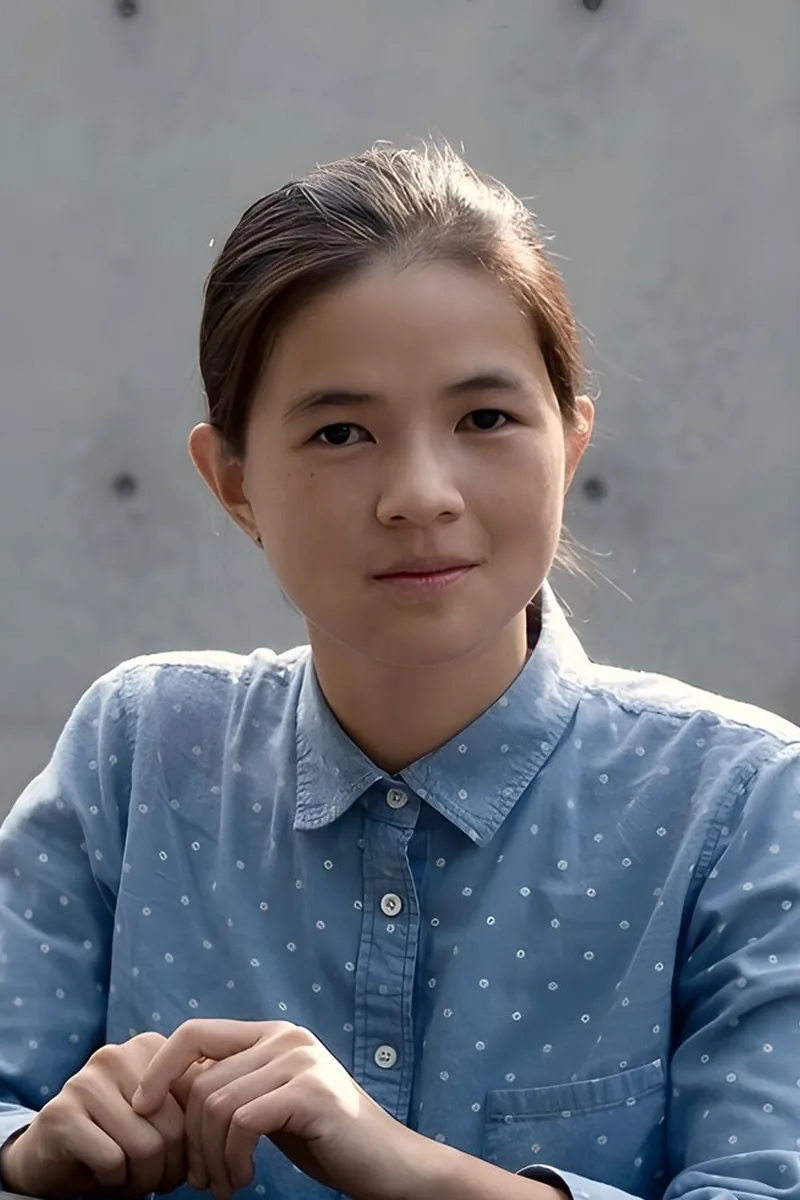
Studying conducting at Juilliard means Molly lives in data — analyzing scores, interpreting patterns, and making decisions based on complex information. She brings that same analytical mindset to statistics, breaking down probability distributions, hypothesis testing, and data interpretation into logical steps. Her 5.0 client rating speaks to how clearly she communicates even the trickiest concepts.
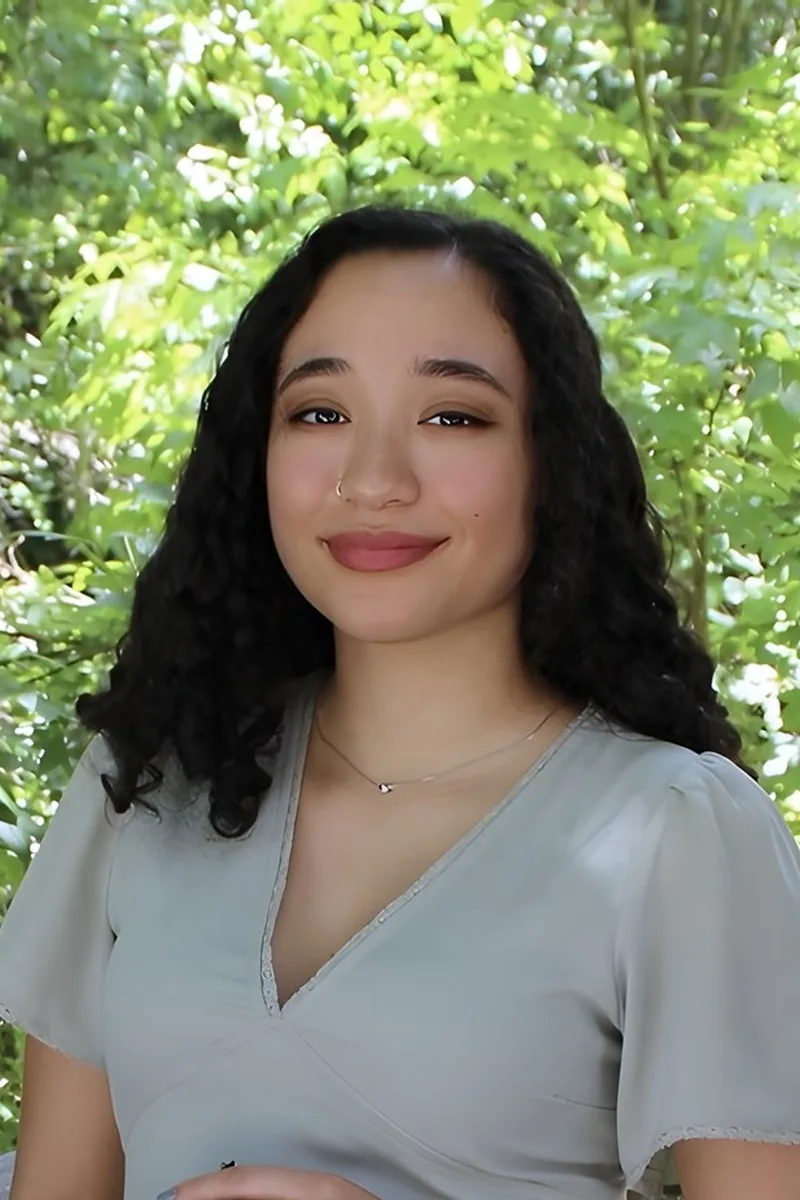
Kaylah's graduate work in Computational Social Science at the University of Chicago is built almost entirely on statistical methods — probability distributions, hypothesis testing, regression modeling, and data interpretation. She teaches statistics the way she actually uses it: starting with what question you're trying to answer, then selecting and applying the right tool. Her background in cognitive neuroscience research means every example she pulls from is grounded in real data.
A biology degree from UIUC means Todd spent years designing experiments, interpreting data sets, and running statistical tests — skills he now brings directly to tutoring statistics. He unpacks concepts like probability distributions, hypothesis testing, and standard deviation by grounding them in real data scenarios rather than abstract formulas.
A political science degree from Brown meant Lyall spent years interpreting polling data, regression models, and probability distributions in real research contexts. He brings that applied lens to statistics tutoring, connecting concepts like standard deviation and confidence intervals to situations where the numbers actually matter. Students get someone who treats stats as a tool for making arguments, not just a formula sheet to memorize.
I am a graduate of Cornell University's College of Arts and Sciences. I received my Bachelor of Arts in Chemistry with Distinction in 2015. Since graduation, I was a physics/chemistry teacher and soccer coach at a private school in Virginia for a year, where I led the soccer team to an undefeated season. Before teaching and coaching professionally, I was a Teaching Assistant for the Cornell Math and Physics Departments, where I taught many subjects including calculus, mechanics, electromagnetism. Throughout my time at Cornell and as a teacher, I tutored subjects ranging from the SAT to AP Physics and Algebra II, which is where my true talents lie: in small group or one-on-one settings where I can give students the full attention they deserve and tailor my approach specifically to their learning styles. This is why I am now pursuing tutoring as a part-time occupation at Varsity Tutors. I embrace teaching all math and science subjects, especially physics and calculus, at both the college and high school level and will go above and beyond to make sure all of my students succeed, according to their definition of success. In my spare time, I enjoy playing league soccer, basketball, tennis and guitar, and also like to travel and see as much of the world as I can.
Yi's graduate training in research and experimental psychology required heavy use of statistical methods — from hypothesis testing and ANOVA to regression modeling and interpreting p-values in published studies. That hands-on experience with real data analysis means she teaches statistics as a tool for answering questions, not just a set of formulas to memorize.
Between her sociology research in undergrad and her MBA coursework, Krupa has run enough regressions, hypothesis tests, and probability models to know exactly where students get tripped up. She tackles the conceptual side — why you'd choose a t-test over a z-test, what a p-value actually means — so the formulas stop feeling arbitrary. Her 4.9 rating speaks to how clearly she communicates these ideas.
Jonathan holds an MS in Statistics, which means probability distributions, hypothesis testing, and regression analysis aren't just textbook topics for him — they're the core of his graduate training. He breaks down intimidating formulas like Bayes' theorem or ANOVA tables by connecting them to the real-world questions they were designed to answer.
Working as a research assistant in Yale's cognitive neuroscience lab meant Emily ran statistical analyses regularly — hypothesis testing, probability distributions, and interpreting p-values were part of her daily routine. That hands-on experience makes her especially effective at explaining why a statistical method works, not just how to execute it on a calculator.
Understanding when to use a standard deviation versus an interquartile range — or why a skewed distribution changes your entire analysis — requires more than formula memorization. Vinson approaches statistics through data interpretation first, walking through probability distributions, hypothesis testing, and regression with an emphasis on what the numbers actually tell you. He's studying computational math at Rice, where statistical reasoning is woven into his daily coursework.
Interpreting a p-value or choosing between a z-test and a t-test trips up even strong math students because statistics demands a different kind of reasoning than algebra or calculus. Natasha's biostatistics background and MIT engineering training mean she can explain hypothesis testing, confidence intervals, and regression analysis through real experimental contexts. She's rated 4.9 by students.
Probability distributions, hypothesis testing, and regression analysis all click faster when you've actually used them to make decisions. Hari's finance background means he's applied statistical methods to real datasets — forecasting, risk analysis, variance modeling — and he teaches the logic behind each test so students can choose the right approach on their own.
Testimonials
Because the right Statistics tutor makes all the difference.
Average Session Rating – Based on 3.4M Learner Ratings
Practice Statistics
Free practice tests, flashcards, and AI tutoring for Statistics
Nearby Statistics Tutors
Other Columbia Tutors
Related Math Tutors in Columbia
Frequently Asked Questions
Many students struggle with interpreting data visualizations, understanding probability concepts, and applying statistical methods to real-world scenarios. Others find it difficult to move beyond memorizing formulas and instead develop the conceptual understanding needed to choose the right statistical test for a given problem. Statistics also requires strong foundational skills in algebra and proportional reasoning, so gaps in these areas can create additional obstacles.
Personalized 1-on-1 instruction allows tutors to slow down on conceptual foundations—like why we use standard deviation to measure spread or when to apply a t-test versus a z-test—rather than just drilling procedures. Tutors can connect abstract statistical concepts to real data sets and scenarios relevant to your interests, making patterns and relationships more visible. This approach builds genuine understanding rather than temporary memorization, which is especially valuable as Statistics courses increasingly emphasize interpretation and communication of results.
Word problems require you to translate everyday language into statistical language, identify what's being asked, and then select and execute the appropriate method—a multi-step process that can feel overwhelming. Personalized tutoring helps by breaking this process into manageable pieces: first identifying the type of problem, then clarifying what data you have and what you're solving for, and finally executing the calculation with confidence. Regular practice with guided feedback on your problem-solving strategy, not just your final answer, builds the pattern recognition skills that make word problems feel less intimidating over time.
Yes. Varsity Tutors connects you with tutors who are familiar with the Statistics courses taught across Columbia's 102 schools and 7 school districts, whether you're taking AP Statistics, introductory college Statistics, or a specialized Statistics elective. Tutors understand different textbook approaches and can align their instruction with what you're learning in class, ensuring consistency between tutoring sessions and classroom instruction.
Your first session focuses on understanding your current level, identifying specific challenges, and building rapport. A tutor will likely review recent assignments or exams, ask about concepts that feel confusing, and assess your foundational skills in algebra and data interpretation. From there, you'll work together to create a personalized plan that targets your biggest obstacles—whether that's hypothesis testing, probability, or communicating statistical findings.
Absolutely. Math anxiety is common, especially in Statistics where abstract concepts and unfamiliar terminology can feel overwhelming. Personalized tutoring creates a low-pressure environment where you can ask questions without judgment, work at your own pace, and build confidence through small wins. When you understand the 'why' behind statistical methods and see yourself successfully solving problems, anxiety naturally decreases and your engagement with the subject improves.
Showing work in Statistics demonstrates your reasoning—which test you chose and why, how you set up your hypothesis, what assumptions you checked—not just your calculation ability. This is especially important because partial credit often depends on your process, and teachers want to see that you understand the logic, not just that you got the right answer. A tutor can help you develop a clear, organized approach to writing up your work, making it easier for graders to follow your thinking and for you to catch your own errors.
Varsity Tutors matches you with a tutor based on your specific needs, schedule, and learning style. Simply tell us about your Statistics course, your main challenges, and when you're available, and we'll connect you with an expert tutor who's a good fit. Most students can start personalized instruction within a few days, allowing you to get support exactly when you need it most.
Let’s find your perfect tutor
Answer a few quick questions. We’ll recommend the right plan and match you with a top 5% tutor.