Award-Winning Statistics Tutors
serving Charleston, SC
Statistics
Tutors in Charleston
Private 1-on-1 tutoring, weekly live classes for academic support, test prep & enrichment, practice tests and diagnostics, and more to elevate grades and test scores.
Based on 3.4M Learner Ratings
UniversitiesSchools & Universities
DeliveredHours Delivered
ProficiencyGrowth in Proficiency
Who needs tutoring?
No obligation. Takes ~1 minute.
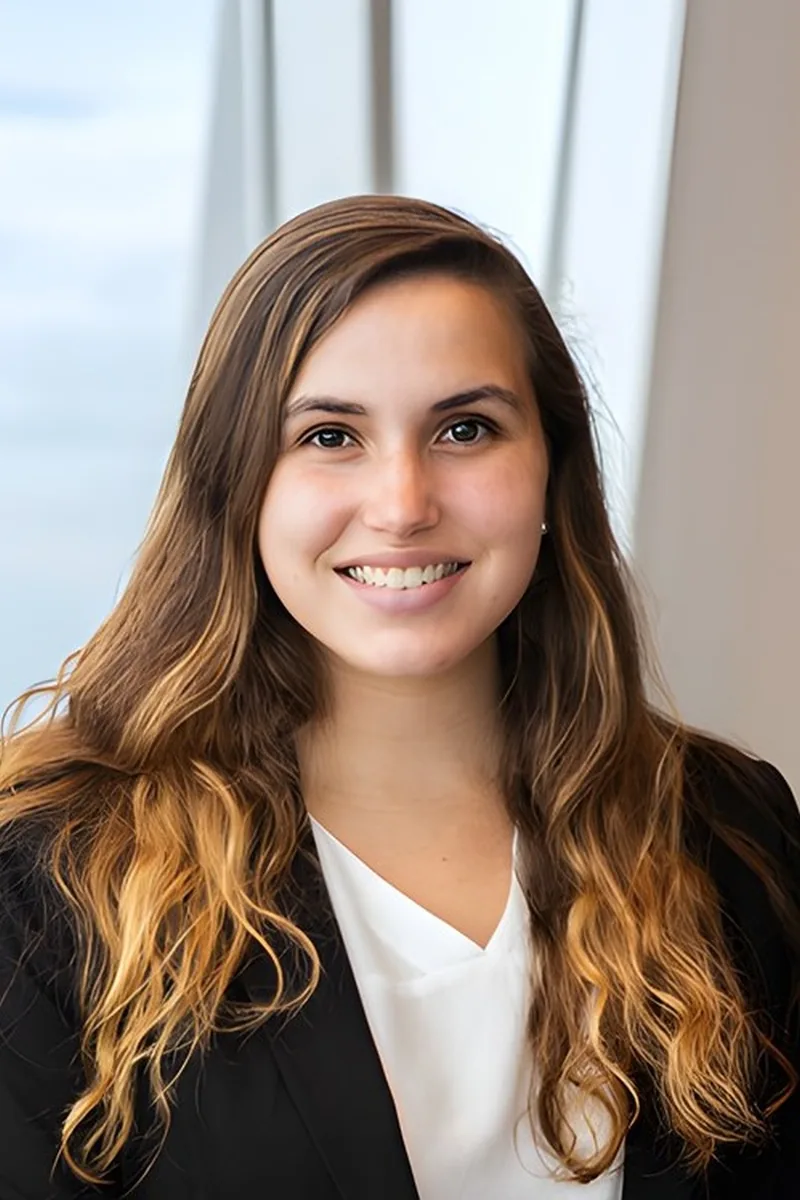
A Quantitative Methods minor at Vanderbilt means Heather spent semesters immersed in regression analysis, hypothesis testing, and probability — the exact material that trips up most statistics students. She teaches the reasoning behind each test so students can choose the right method on their own, not just follow a decision flowchart. Her 4.9 rating speaks to that approach.
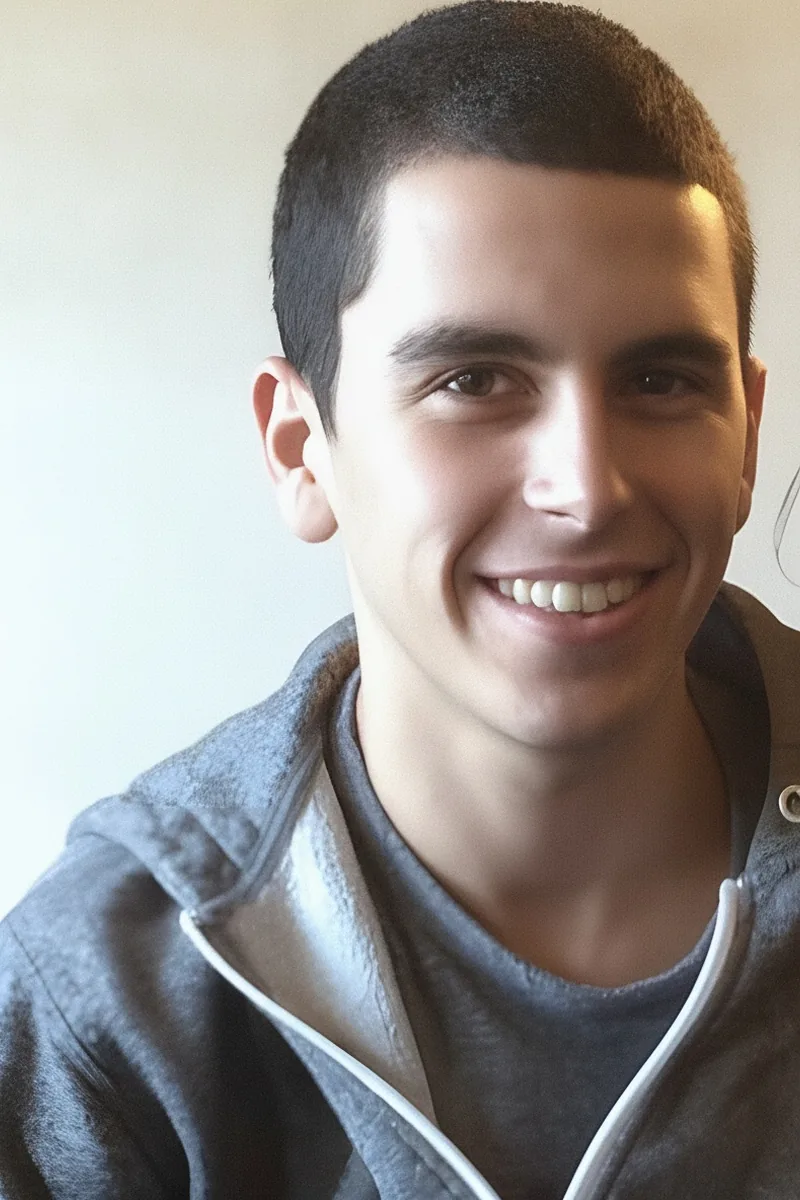
Engineering Physics at Cornell requires serious statistical reasoning — error analysis, probability distributions, hypothesis testing — so Daniel brings a practical lens to statistics rather than a purely textbook one. He walks through concepts like standard deviation, regression, and confidence intervals by tying them to real data questions, which makes the logic behind each formula click.
Most students memorize the formulas for z-scores or standard deviation without ever seeing where they come from — Kathleen's math degree from Washington University means she can derive them from scratch and explain each piece along the way. She treats every statistics concept as an extension of the algebra and calculus her students already know, which makes new material feel like a logical next step rather than a disconnected set of rules.
Understanding statistics means learning to ask the right questions about data before running any test: Is the sample random? What's the shape of the distribution? Could this result have happened by chance? Ethan's policy background gave him years of practice interrogating datasets and translating statistical output into plain-language conclusions, a skill he now brings directly to topics like hypothesis testing and regression analysis.
Between her sociology research in undergrad and her MBA coursework, Krupa has run enough regressions, hypothesis tests, and probability models to know exactly where students get tripped up. She tackles the conceptual side — why you'd choose a t-test over a z-test, what a p-value actually means — so the formulas stop feeling arbitrary. Her 4.9 rating speaks to how clearly she communicates these ideas.
Kaylah's graduate work in Computational Social Science at the University of Chicago is built almost entirely on statistical methods — probability distributions, hypothesis testing, regression modeling, and data interpretation. She teaches statistics the way she actually uses it: starting with what question you're trying to answer, then selecting and applying the right tool. Her background in cognitive neuroscience research means every example she pulls from is grounded in real data.
Most students walk into statistics expecting another math class and get blindsided by the emphasis on interpretation — explaining what a confidence interval actually means, or why correlation isn't causation. Amber tackles that interpretive layer head-on, teaching students to read context before crunching numbers. Her theater background gives her a knack for making abstract concepts like probability distributions feel concrete and memorable.
Emily's computational biology concentration at Cornell is essentially applied statistics — she uses probability distributions, confidence intervals, and regression analysis to interpret biological data every week. That hands-on context lets her explain statistical reasoning through concrete examples rather than abstract formulas.
Studying Philosophy, Politics, and Economics at Penn means Kevin encounters statistics not as an abstract math course but as a tool for answering real questions — polling reliability, economic trends, policy evaluation. He unpacks topics like probability distributions, hypothesis testing, and regression with that applied lens. Students come away understanding not just how to compute a standard deviation but what it actually tells them.
Probability distributions, hypothesis testing, and regression can feel like a foreign language the first time through. Nina breaks these concepts down by connecting them to real datasets and research questions drawn from her biostatistics training at Columbia and NYU. Rated 5.0 by students, she's especially effective at making the jump from formulas to interpretation feel intuitive.
I'm a student at Brown University with an eclectic set of interests. I am trilingual, analytical, and creative and look forward to tutoring you! :)
A biology degree from UIUC means Todd spent years designing experiments, interpreting data sets, and running statistical tests — skills he now brings directly to tutoring statistics. He unpacks concepts like probability distributions, hypothesis testing, and standard deviation by grounding them in real data scenarios rather than abstract formulas.
Testimonials
Because the right Statistics tutor makes all the difference.
Average Session Rating – Based on 3.4M Learner Ratings
Practice Statistics
Free practice tests, flashcards, and AI tutoring for Statistics
Nearby Statistics Tutors
Other Charleston Tutors
Related Math Tutors in Charleston
Frequently Asked Questions
Statistics courses can vary significantly depending on whether they're AP Statistics, introductory college-level, or part of a data science sequence. Expert tutors will ask about your student's textbook, course objectives, and recent assignments during the first session to align their instruction with what's being taught in class. This ensures practice problems and explanations match the exact methods and terminology your student is learning.
Real Statistics mastery means understanding *why* you use a particular test or formula, not just when to plug in numbers. Many students can calculate a standard deviation but struggle to interpret what it means about their data. Expert tutors help students see the underlying logic—like how hypothesis testing connects to probability, or why sample size matters—so they can apply concepts to new problems rather than just reproduce memorized procedures.
Word problems require translating real-world scenarios into statistical questions, identifying relevant data, and choosing the right analytical approach—skills that go beyond just doing calculations. Tutors work with students to break down complex problems into steps: What are we trying to find? What information do we have? Which statistical method applies? This systematic approach builds confidence and helps students see patterns across different problem types.
Statistics anxiety is common because the subject combines mathematical reasoning with interpretation and judgment calls—it can feel less straightforward than algebra. Personalized tutoring creates a low-pressure environment where students can ask questions, make mistakes, and gradually build understanding at their own pace. As students see patterns, master key concepts, and successfully solve problems they initially found intimidating, confidence naturally grows.
In Statistics, showing work is crucial because it demonstrates your reasoning process and makes it easier to catch errors. Tutors emphasize clear documentation: stating hypotheses, identifying the test being used, showing calculations, and explaining conclusions in context. This isn't just about getting points—it helps students organize their thinking and makes it easier to review and learn from mistakes.
During the first session, a tutor will assess your student's current understanding of Statistics fundamentals, identify specific challenge areas (whether that's probability, hypothesis testing, or data interpretation), and learn about their course goals and timeline. This information helps the tutor create a personalized plan focused on the topics your student needs most help with, whether that's preparing for an exam or building foundational concepts.
Varsity Tutors connects Charleston students with expert tutors who understand both the Statistics content standards and the specific courses taught in our area schools. Whether your student attends one of Charleston's 56 schools or is in a charter or private program, tutors can align their instruction with local curriculum expectations and help students succeed in their specific courses.
Exam-focused tutoring covers both content review and test-taking strategy. Tutors help students master the major topics (probability, inference, experimental design, data analysis), practice with released exam questions to build familiarity with question types, and develop time management skills. They also help students understand what examiners are looking for in free-response answers and how to communicate statistical reasoning clearly under pressure.
Let’s find your perfect tutor
Answer a few quick questions. We’ll recommend the right plan and match you with a top 5% tutor.