Award-Winning Statistics Tutors
serving Greenville, SC
Statistics
Tutors in Greenville
Private 1-on-1 tutoring, weekly live classes for academic support, test prep & enrichment, practice tests and diagnostics, and more to elevate grades and test scores.
Based on 3.4M Learner Ratings
UniversitiesSchools & Universities
DeliveredHours Delivered
ProficiencyGrowth in Proficiency
Who needs tutoring?
No obligation. Takes ~1 minute.
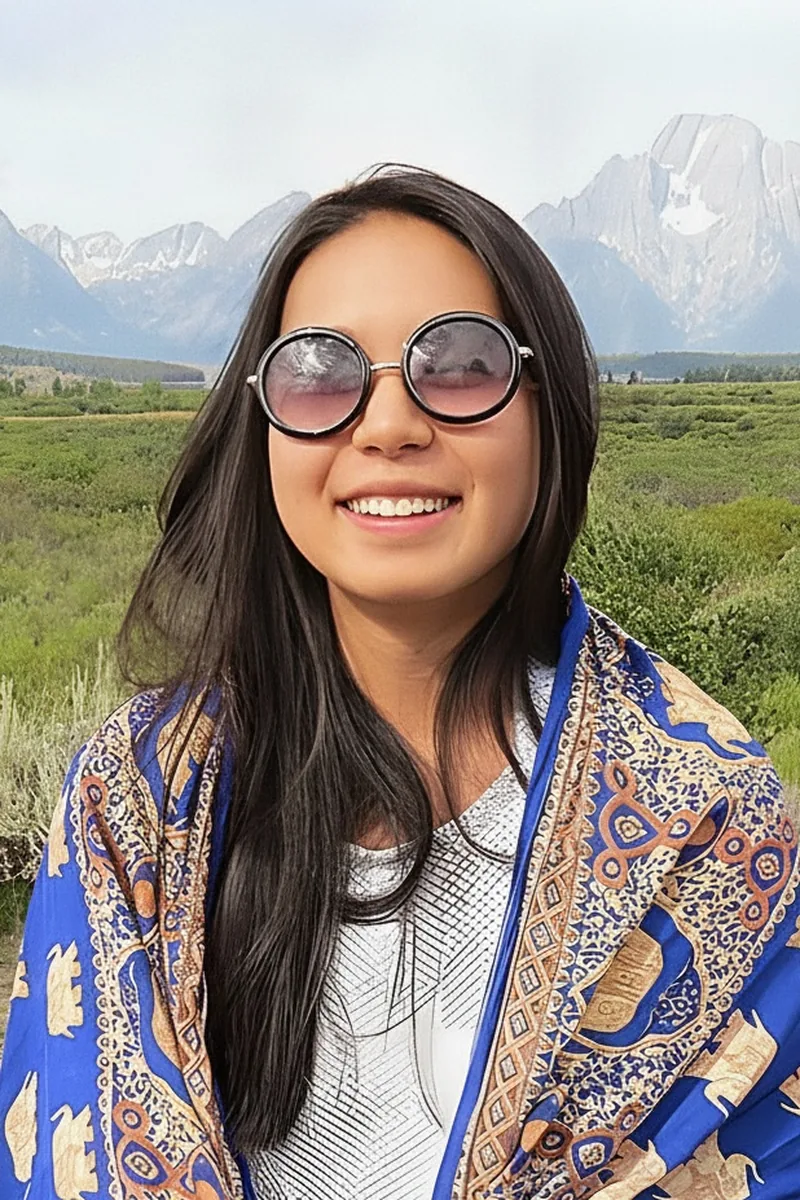
Kathy's economics degree from Duke meant living inside datasets — regression analysis, probability distributions, hypothesis testing, and statistical inference were daily tools, not abstract concepts. She breaks down problems by connecting the math to what the numbers actually represent, which makes interpreting results feel intuitive rather than formulaic.

Studying economics at Brown meant Carter lived inside datasets — running regressions, testing hypotheses, and interpreting distributions long before he started tutoring. That firsthand experience makes him especially effective at teaching concepts like standard deviation, normal models, and conditional probability in ways that feel grounded rather than abstract. He's rated 5.0 by students.
I am a graduate of Cornell University's College of Arts and Sciences. I received my Bachelor of Arts in Chemistry with Distinction in 2015. Since graduation, I was a physics/chemistry teacher and soccer coach at a private school in Virginia for a year, where I led the soccer team to an undefeated season. Before teaching and coaching professionally, I was a Teaching Assistant for the Cornell Math and Physics Departments, where I taught many subjects including calculus, mechanics, electromagnetism. Throughout my time at Cornell and as a teacher, I tutored subjects ranging from the SAT to AP Physics and Algebra II, which is where my true talents lie: in small group or one-on-one settings where I can give students the full attention they deserve and tailor my approach specifically to their learning styles. This is why I am now pursuing tutoring as a part-time occupation at Varsity Tutors. I embrace teaching all math and science subjects, especially physics and calculus, at both the college and high school level and will go above and beyond to make sure all of my students succeed, according to their definition of success. In my spare time, I enjoy playing league soccer, basketball, tennis and guitar, and also like to travel and see as much of the world as I can.
An economics degree means Maggie didn't just study statistics in a textbook — she applied distributions, hypothesis testing, and regression analysis to real datasets. She teaches students to interpret what a p-value actually tells them and how to choose the right test for a given scenario, building the kind of statistical intuition that carries through exams and research projects alike.
Kaylah's graduate work in Computational Social Science at the University of Chicago is built almost entirely on statistical methods — probability distributions, hypothesis testing, regression modeling, and data interpretation. She teaches statistics the way she actually uses it: starting with what question you're trying to answer, then selecting and applying the right tool. Her background in cognitive neuroscience research means every example she pulls from is grounded in real data.
Designing and optimizing light filters for optical multiplexers at Norfolk State required Dennis to apply statistical methods to real engineering data — fitting distributions, quantifying uncertainty, and interpreting experimental results. He teaches statistics with that practitioner's perspective, making topics like standard deviation, probability, and regression feel like problem-solving tools rather than abstract formulas.
A neurobiology degree from Harvard meant designing experiments, interpreting data sets, and living inside statistical analysis for four years. Katherine teaches statistics with that research lens — connecting probability distributions, hypothesis testing, and confidence intervals to how they're actually used in published studies. Rated 5.0 by students.
Probability distributions and hypothesis testing trip students up when the notation obscures what's actually being asked. Alyssa breaks each problem into a concrete question first — what are we measuring, what's the claim, what does the data say — then maps it onto the correct formula. Her math background at Vanderbilt gives her the fluency to make statistical reasoning feel less like guesswork.
Understanding statistics means learning to think critically about variability, probability, and what data can actually tell you. Tashina applies statistical methods daily in her PhD research in brain sciences — hypothesis testing, confidence intervals, regression — and she unpacks each concept by connecting it to the kind of real analysis questions that make the material stick.
Probability distributions, hypothesis testing, confidence intervals — statistics asks students to think in a fundamentally different way than most math courses. Elliot spent years running statistical analyses on neural data during his PhD research, which means he can show exactly how concepts like p-values and regression actually function in practice, not just on a formula sheet.
Understanding statistics means learning to ask the right questions about data before running any test: Is the sample random? What's the shape of the distribution? Could this result have happened by chance? Ethan's policy background gave him years of practice interrogating datasets and translating statistical output into plain-language conclusions, a skill he now brings directly to topics like hypothesis testing and regression analysis.
Probability distributions, hypothesis testing, and regression analysis are central to both engineering and business — and Caroline has graduate-level training in both. Her mechanical engineering M.S. from WashU built her statistical modeling skills, while her current MBA at MIT Sloan sharpens how she interprets data for real-world decisions. She teaches the reasoning behind each method so formulas stop feeling like black boxes.
Testimonials
Because the right Statistics tutor makes all the difference.
Average Session Rating – Based on 3.4M Learner Ratings
Practice Statistics
Free practice tests, flashcards, and AI tutoring for Statistics
Nearby Statistics Tutors
Other Greenville Tutors
Related Math Tutors in Greenville
Frequently Asked Questions
Statistics is taught through various frameworks depending on your school—whether it's AP Statistics, IB, dual enrollment college courses, or standard high school statistics. Tutors connect with students by first understanding which curriculum and textbook their school uses, then tailoring explanations to match that approach. This ensures concepts build on what's already being taught in class rather than creating confusion with different methods.
Many students find Statistics challenging because it requires both computational skills and conceptual understanding—knowing how to calculate a standard deviation is different from understanding what it means. Word problems are particularly tricky since they require translating real-world scenarios into statistical language and choosing the right test or method. Additionally, interpreting results and avoiding common statistical fallacies takes practice that goes beyond memorizing formulas.
Expert tutors help students move beyond just plugging numbers into formulas by teaching them to recognize problem patterns and decide which statistical tools apply in different situations. Through guided practice with word problems, students learn to identify what's being asked, what data they have, and how to justify their choice of method—skills that are essential for both exams and understanding statistics in real life. This approach builds confidence and helps students see the logic behind statistical reasoning rather than treating it as a collection of isolated procedures.
Absolutely. Statistics anxiety is common, especially when students have had negative experiences with math in the past. Tutors work at your pace, breaking concepts into manageable pieces and celebrating progress along the way. By focusing on understanding rather than speed, and by showing how statistics connects to real-world questions you care about, personalized instruction helps rebuild confidence and shift your relationship with the subject.
Statistics is fundamentally about recognizing patterns in data and understanding how different concepts connect—like how correlation relates to regression, or how sampling distributions underlie hypothesis testing. Tutors help students see these relationships by explaining the 'why' behind procedures and showing how concepts build on each other rather than treating each topic in isolation. This deeper understanding makes Statistics feel less like memorizing disconnected formulas and more like a coherent way of thinking about data.
In your first session, a tutor will assess where you are right now—which topics feel solid, where you're struggling, and how you learn best. They'll ask about your course, your goals (whether that's improving your grade, preparing for the AP exam, or understanding concepts more deeply), and any specific challenges you're facing. From there, you'll work together to create a focused plan that targets your biggest needs.
Greenville's school districts and local libraries often have study groups, test prep resources, and academic support centers that can reinforce what you're learning with a tutor. Many students find it helpful to combine personalized tutoring with these community resources—tutoring addresses your specific gaps while group settings and library resources provide additional practice opportunities. Your tutor can recommend which resources might be most helpful based on your learning style and goals.
Varsity Tutors connects you with expert tutors who have strong Statistics backgrounds and experience teaching students in Greenville. You'll share your goals, current level, and preferred meeting times, and we'll match you with someone who fits your needs. From there, you can start your personalized instruction right away and begin tackling the concepts that are holding you back.
Let’s find your perfect tutor
Answer a few quick questions. We’ll recommend the right plan and match you with a top 5% tutor.