Award-Winning AP Human Geography Tutors
serving Reading, PA
AP Human Geography
Tutors in Reading
Private 1-on-1 tutoring, weekly live classes for academic support, test prep & enrichment, practice tests and diagnostics, and more to elevate grades and test scores.
Based on 3.4M Learner Ratings
UniversitiesSchools & Universities
DeliveredHours Delivered
ProficiencyGrowth in Proficiency
Who needs tutoring?
No obligation. Takes ~1 minute.
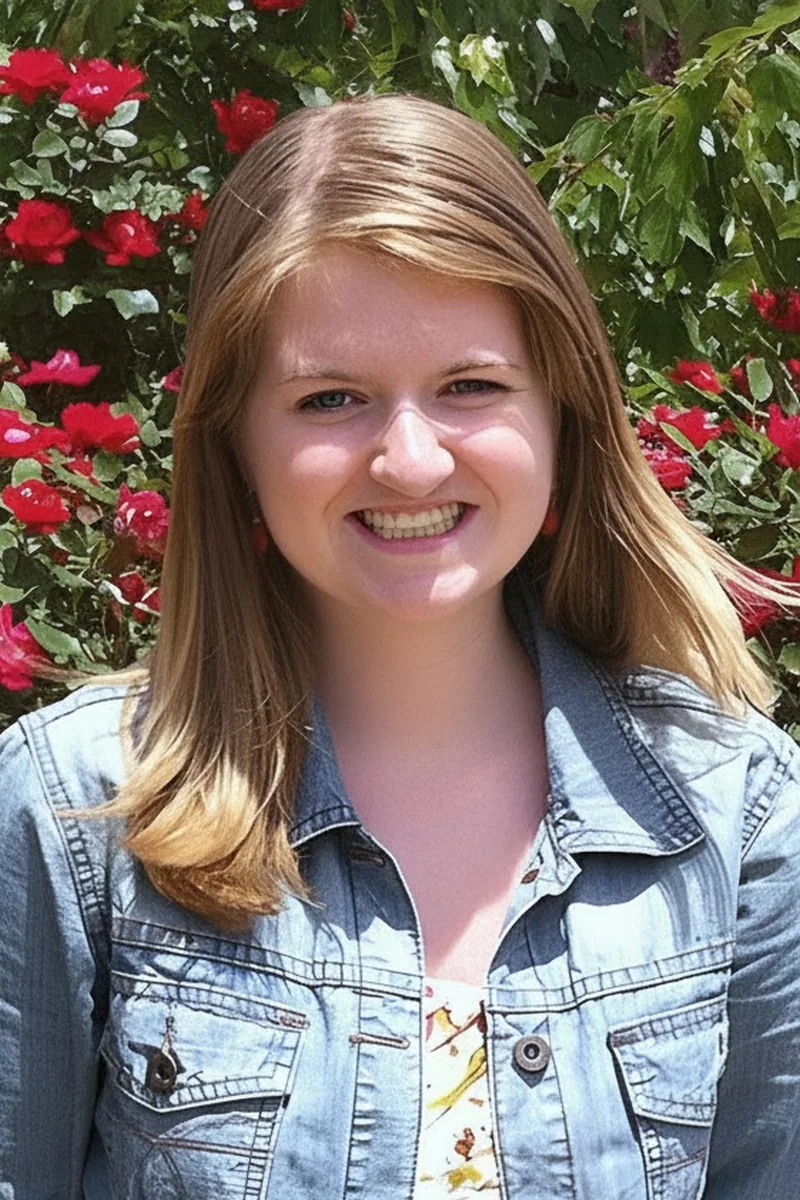
Hannah's history degree and MFA training give her two skills AP Human Geography constantly demands — contextualizing how political boundaries and migration patterns evolved over time, and constructing the kind of tight, thesis-driven FRQ responses that earn full credit. She's particularly sharp on units where students need to connect historical forces like colonialism or industrialization to spatial models, turning what feels like abstract vocabulary into cause-and-effect arguments grounded in real places.
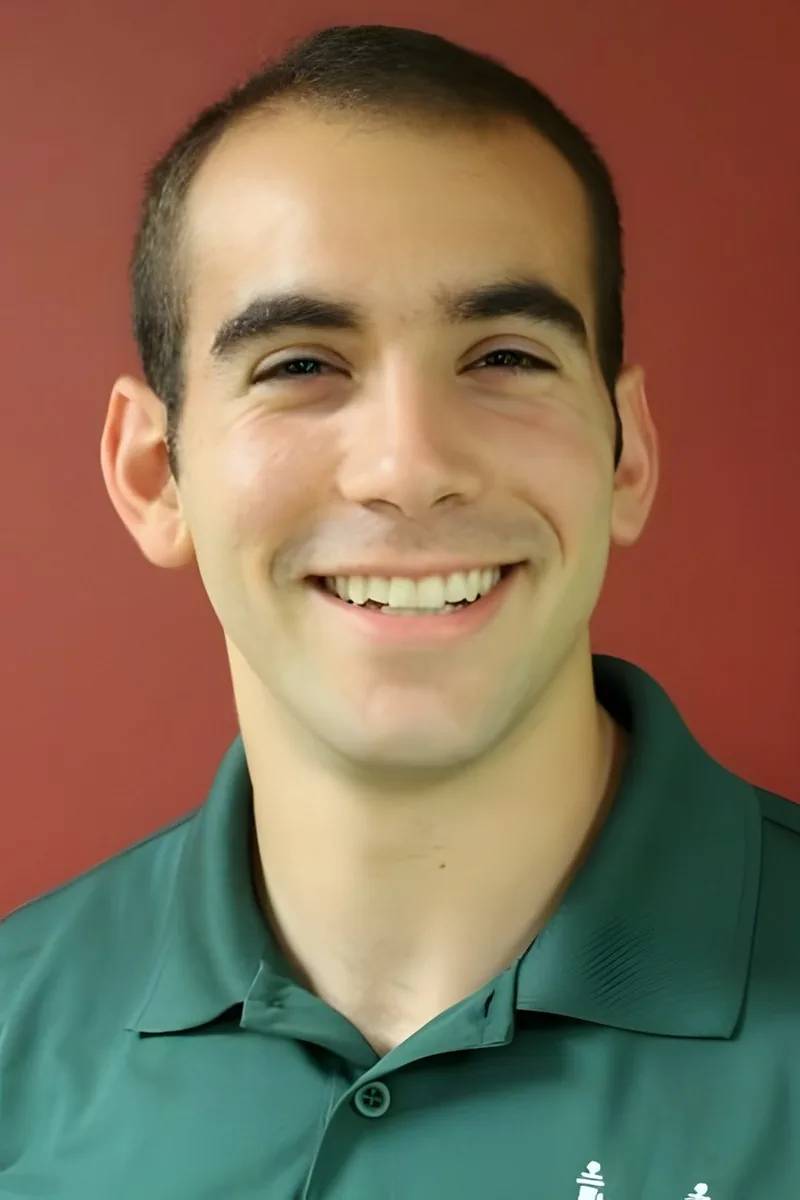
Teaching World History and Economics to high schoolers means Bradley already covers the historical forces — colonialism, industrialization, migration — that sit behind most AP Human Geography units. He connects those classroom experiences to the exam's trickiest content, like applying the demographic transition model or explaining how Wallerstein's world-systems theory plays out in real trade patterns. His 33 ACT composite also signals the kind of analytical reading skill that pays off on stimulus-based multiple choice.
Environmental Studies at Oberlin meant Jackson spent four years studying how human activity, resource use, and political decisions reshape landscapes — the same interconnections AP Human Geography tests across units on agriculture, development, and urbanization. He unpacks models like Borchert's urban evolution or the von Thünen model by grounding them in real environmental case studies, which makes the content stick when students hit stimulus-based questions on exam day. Rated 5.0 by students.
Rima's health policy background gives her a concrete way into some of AP Human Geography's trickiest units — she can explain why the epidemiological transition or Rostow's development model aren't just abstract diagrams but reflections of real policy decisions that reshape how populations grow, move, and organize. That cross-disciplinary perspective, combined with her humanities training in reading and writing analysis, makes her particularly useful when students need to connect dense vocabulary to the kind of process-based explanations the FRQs demand. Holds a 5.0 rating.
This is Kayla's home turf. Her degree specializes in geography with a focus on urban studies and human development — the exact intersection AP Human Geography tests on, from population dynamics and agricultural land use to urban models like Burgess and Hoyt. She unpacks each unit's vocabulary-heavy content by tying concepts to real places and spatial patterns rather than isolated definitions.
I am a graduate of The University of Colorado, Boulder and Harvard Kennedy School. I received my Bachelor of Arts in Economics and my Master in Public Policy with a focus on international and global affairs. Since graduation, I have worked in investment banking and management consulting, though I also have worked on government relations. While I tutor a broad range of subjects, I am most passionate about History, English Literature, and Math (namely algebra and pre-calc). In my experience helping students prepare for Standardized Tests, I like to focus on the writing and math assessments, as those tend to be challenging to many students. I believe in ensuring students are able to think independently and have the confidence to understand the material. I believe the subjects I tutor are necessary for students to succeed and I want to impart what I know to students. In my spare time, I enjoy reading about history and geopolitics, hiking, and writing.
An American Studies degree means Olivia spent years studying how cultural identity, migration, and political power play out across regions — the exact lens AP Human Geography applies to topics like cultural diffusion, ethnicity, and nation-state formation. She pairs that background with sharp reading and writing skills (1560 SAT) to coach students through the stimulus-based questions and FRQ prompts where they need to do more than recall vocabulary and actually build geographic arguments from maps and data.
Mechanical engineering at Purdue trains Austin to think in systems — how inputs, constraints, and feedback loops shape outcomes — which is exactly how AP Human Geography expects students to reason about topics like industrial development, agricultural land use, and urban planning models. He draws on his broader history background (he also tutors AP US History and AP European History) to ground abstract geographic concepts in the real political and economic forces behind them. Rated 4.9 by students.
Twelve AP classes and a math-focused mind at UChicago mean Felix approaches AP Human Geography's models — things like the von Thünen agricultural model or gravity model — with the quantitative intuition most social studies tutors lack. He's sharp at teaching students to decode the exam's data-heavy stimulus questions, reading population pyramids and development indicators with precision rather than guesswork. Rated 5.0 by students.
Population pyramids, Ravenstein's laws of migration, the Burgess model — AP Human Geography throws a lot of spatial concepts at students who've never taken a geography course before. Juan breaks these models down by tying them to real places and current events, which makes the free-response questions far less intimidating.
An anthropology degree from Northwestern means Samantha spent years studying exactly what AP Human Geography tests — how cultures form, spread, and collide across regions, and why migration and political organization look different depending on where you are in the world. She brings that ethnographic lens to units on cultural patterns, population dynamics, and political geography, turning abstract models into the kind of human stories that actually stick before exam day.
Studying both History and Neuroscience at Rice gives Nathan a dual lens for AP Human Geography — he understands the historical forces behind concepts like colonialism and cultural hearths, and he thinks analytically about how population models and spatial data actually work. He's especially effective at breaking down the exam's stimulus-based questions, teaching students to pull geographic arguments out of maps and charts rather than defaulting to memorized definitions. Rated 5.0 by students.
I am very interested in a career in the medical field, so I am apart of some pre-medical organizations. I really enjoy playing all different sports, from soccer to volleyball to tennis.
Victoria's U.S. History degree grounds her in the colonialism, westward expansion, and immigration narratives that feed directly into AP Human Geography's units on political organization, migration, and cultural landscapes. She teaches students to trace how historical forces — like industrialization or imperialism — produced the spatial patterns and boundary disputes the exam actually asks about, turning timeline knowledge into geographic reasoning. Rated 4.8 by students.
A Public Health major who scored a 1600 SAT and 35 ACT through self-study, Dhruv understands population dynamics, disease diffusion, and development indicators from the academic side — not just as vocabulary terms on an AP Human Geography exam. He connects public health frameworks directly to units on population, migration, and economic development, making models like the epidemiological transition and demographic transition feel like practical tools rather than memorization targets.
Designing educational materials for WSKG's PBS outreach programs gave Adam hands-on experience translating big-picture themes — migration, cultural change, political power — into accessible lessons, which is exactly what AP Human Geography demands across units like population dynamics and political organization. His history degree from Binghamton anchors that work in the kind of regional and thematic analysis the exam's FRQ prompts require, where students need to connect models to real-world processes rather than just define them. Holds a 5.0 rating.
Testimonials
Because the right AP Human Geography tutor makes all the difference.
Average Session Rating – Based on 3.4M Learner Ratings
Practice AP Human Geography
Free practice tests, flashcards, and AI tutoring for AP Human Geography
Other Reading Tutors
Related Social Studies Tutors in Reading
Frequently Asked Questions
Varsity Tutors matches Reading students with expert AP Human Geography tutors for 1-on-1 instruction. We pair each student with a tutor based on their specific needs, learning style, and goals.
Whether you need homework help, exam prep, or want to get ahead, our AP Human Geography tutors are ready to help.
Common challenges include gaps from earlier material, difficulty with specific concepts, and trouble applying learning to new problems. These issues can snowball quickly in AP Human Geography.
A tutor identifies where you're stuck, fills in gaps, and provides targeted practice. The 1-on-1 format means you get help exactly where you need it.
Tutors work with your student's actual coursework—homework assignments, class notes, and upcoming tests. This keeps tutoring directly relevant to what's happening in the classroom.
When you share information about your student's school and curriculum, we can match you with a tutor who has relevant experience.
All tutors complete background checks, credential verification, and teaching evaluation. Many of our AP Human Geography tutors hold advanced degrees or have years of teaching experience.
You can review tutor profiles to find someone with the right background for your student's level and needs.
Many students see improved grades within a few weeks, along with better understanding of AP Human Geography concepts and more confidence tackling challenging material.
Tutors track progress and adjust their approach to ensure continued improvement.
Most students benefit from 1-2 sessions per week. More frequent sessions help if your student is significantly behind or has an important exam coming up.
Your tutor can recommend a schedule based on your student's specific situation and goals.
Tutoring is purchased in packages of hours, with rates varying by tutor experience. Varsity Tutors offers several options to fit different budgets and needs.
You can discuss pricing during your consultation to find what works best.
Your tutor will assess where your student is, discuss goals, and start working on priority areas. Most students bring current homework or upcoming test material to focus on.
By the end, you'll have a clear sense of how the tutor can help and a plan for moving forward.
Let’s find your perfect tutor
Answer a few quick questions. We’ll recommend the right plan and match you with a top 5% tutor.